
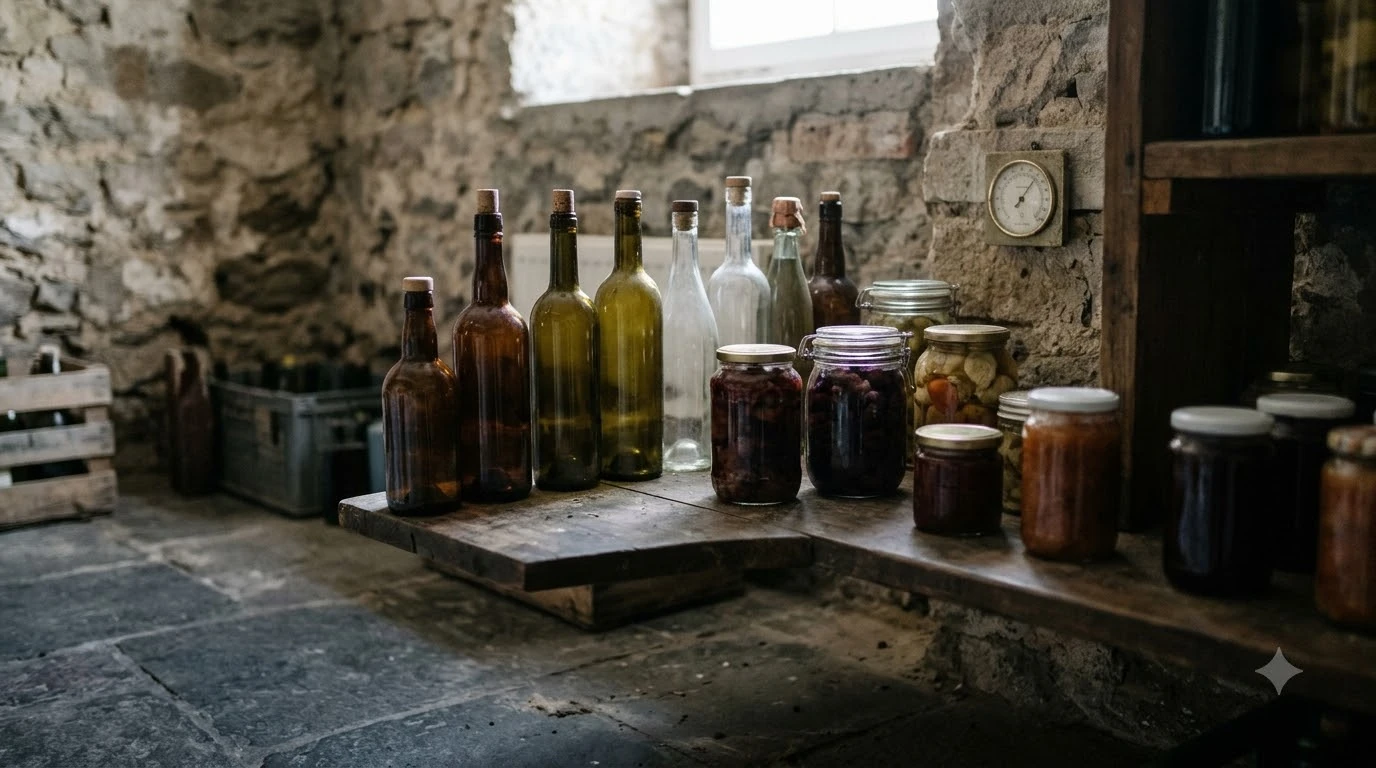

We may earn a commission when you buy through links on this page, at no extra cost to you. Learn more.
If you are wondering how long does tawny port last after opening, most bottles stay fresh and expressive for 4 to 8 weeks when tightly stoppered and stored in the refrigerator. Aged Tawny Ports with 10-, 20-, 30-, or 40-year age indications can often hold their character for up to 2 or 3 months under cold storage, while younger Fine Tawny bottles peak within the first month. Because Tawny Port undergoes extended oxidative aging in wooden casks before bottling, it resists air exposure far better than dry table wine or bottle-aged Vintage Port.
Opening a bottle of Tawny Port rarely means you have to finish it over a single weekend. Unlike a dry red wine that turns flat within a few days, this fortified Portuguese dessert wine is built for slow, glass-by-glass enjoyment after dinner—provided you store it properly between pours.
How Long Does Tawny Port Last After Opening by Style?
Not every bottle labeled Tawny Port ages at the same pace once the cork comes out, with shelf life ranging from 3 weeks to 3 months depending on barrel time and storage temperature. Younger blends retain more fresh berry fruit that fades faster, while older wood-aged expressions have already adapted to gradual oxygen contact.
Understanding the specific category printed on the label helps you set realistic expectations before pouring your first glass. Producers in Portugal’s Douro Valley craft several tiers of Tawny Port, and each tier spends a different length of time in seasoned oak casks before filtering and bottling.
A basic Fine Tawny or Tawny Reserve typically spends around two to three years in wood and retains a touch of youthful red-fruit brightness alongside light caramel notes. Producers like Sandeman recommend finishing their Fine Tawny within 8 weeks of opening, while Graham’s advises enjoying its wood-aged blend within 8 weeks as well. Once that window passes, the subtle cherry and plum notes fade, leaving behind simple sweetness and warmth.
Aged Tawny Ports—labeled as 10, 20, 30, or 40 Years Old—as well as single-harvest Colheita bottles spend decades slowly concentrating in small oak casks called pipes. Because these wines have already experienced years of controlled oxidation, opening the bottle is far less of a shock to their structure. Kept chilled and sealed, a 20- or 30-year-old Tawny can remain vibrant for 2 to 3 months without losing its signature walnut, fig, and orange-peel complexity.
| Port Style | Refrigerated Shelf Life | Room-Temperature Shelf Life | Primary Aging Method |
|---|---|---|---|
| Fine Tawny / Tawny Reserve | 4 to 8 weeks | 2 to 3 weeks | Short oak cask aging |
| Aged Tawny (10, 20, 30, 40 Year) | 2 to 3 months | 3 to 4 weeks | Extended oxidative oak cask aging |
| Colheita (Single-Vintage Tawny) | 2 to 3 months | 3 to 4 weeks | Minimum 7 years in oak casks |
| Ruby Port | 2 to 3 weeks | 5 to 7 days | Large vats to preserve fresh fruit |
| Late Bottled Vintage (LBV) | 1 to 2 weeks | 3 to 5 days | 4 to 6 years in wood, then bottled |
| Vintage Port | 1 to 3 days | 24 to 48 hours | 2 years in wood, decades in bottle |
Why Tawny Port Lasts Longer Than Regular Wine
Tawny Port resists spoilage for weeks after opening thanks to three protective factors: fortification with grape spirit, elevated residual sugar, and pre-bottling oxygen exposure in oak casks. Together, these elements slow down both microbial spoilage and rapid flavor collapse.
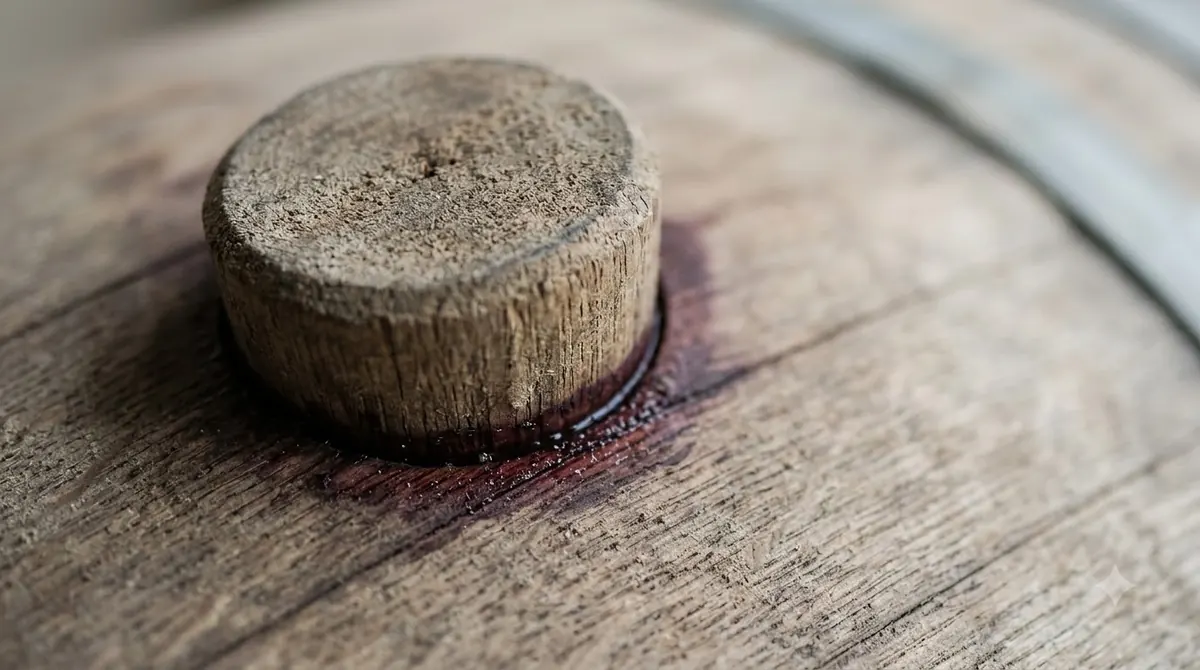
During winemaking in the Douro Valley, fermenting grape must is fortified with neutral grape spirit (aguardente) when roughly half of the natural grape sugars have converted to alcohol. This addition halts fermentation, leaves rich residual sweetness behind, and raises the final alcohol level to roughly 19% to 20% ABV. High alcohol and sugar act as natural preservatives, preventing the vinegar-forming bacteria that quickly ruin unfortified dry wines.
Equally important is how Tawny Port matures before it ever reaches your glass. Rather than aging in sealed, oxygen-free bottles like Vintage Port, Tawny Port rests in porous oak barrels that allow tiny amounts of air to interact with the wine over many years. That slow, deliberate oxidation transforms the wine’s color from deep purple to amber-brown and turns fresh berry flavors into toasted nuts, dried apricots, and toffee.
As Wine Folly’s guide to Port wine styles explains, this innate oxidation is the exact reason Tawny Ports skip decanting and hold up for a month or more after opening. Because the wine has already shed its unstable fruit compounds in the barrel, additional oxygen from an opened bottle changes its profile gradually rather than overnight. It behaves much closer to aged spirits or oxidized fortified wines than to a standard bottle of Cabernet Sauvignon.
How to Store an Opened Bottle of Tawny Port
The single best way to extend the life of an opened bottle of Tawny Port is to reseal it tightly with its original T-stopper and store it upright in the refrigerator. Cold temperatures dramatically slow chemical oxidation, while upright storage minimizes the liquid surface area exposed to trapped air.
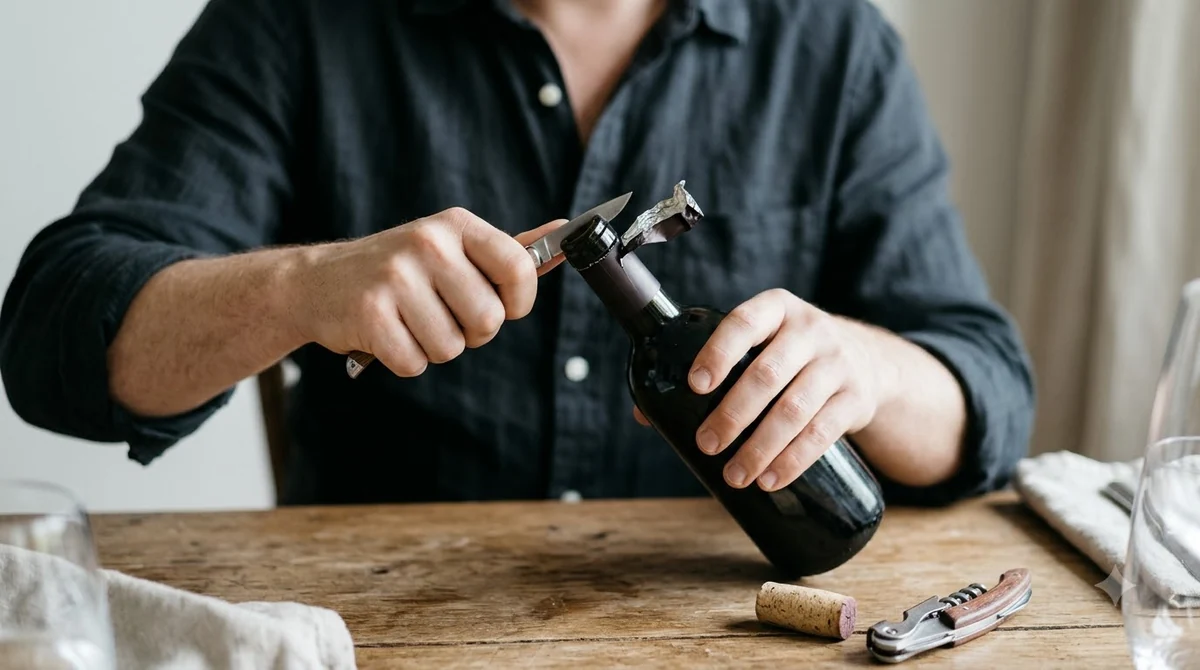
Most Tawny Port bottles come fitted with a reusable cork topped with a plastic or wooden cap, known as a T-stopper. Unlike a traditional driven wine cork that requires a corkscrew and struggles to go back into the neck, a T-stopper is designed for repeated opening and closing. Always push the stopper down firmly until it sits flush against the glass lip so air cannot cycle in and out as kitchen temperatures fluctuate.
Placing the bottle in the refrigerator around 38°F to 42°F slows down oxygen reactions far better than leaving it on a dining room sideboard or bar cart. Even though Port feels sturdy compared to table wine, warm room temperatures accelerate evaporation and flatten the delicate nutty aromatics within two or three weeks. Keep the bottle standing upright on a fridge shelf or door rather than lying on its side; upright storage keeps the exposed surface area small and prevents leaks around a reused stopper.
Tip: If you only have a quarter of the bottle left, pour the remaining Tawny Port into a clean 375-milliliter half-bottle or small glass jar with a tight lid—less empty headspace means far less oxygen reacting with the wine.
When you are ready to pour a glass, take the bottle out of the refrigerator about 15 to 20 minutes ahead of time. According to Sandeman’s serving guidelines for Tawny Port, the ideal serving temperature sits between 54°F and 61°F (12°C to 16°C). Serving it slightly cool—rather than ice-cold straight from the fridge or overly warm at room temperature—keeps the sweetness crisp while allowing caramel, hazelnut, and dried-fig aromas to open up.
Signs Your Tawny Port Has Gone Bad
An opened bottle of Tawny Port rarely becomes unsafe to drink, but it will eventually lose its vibrancy and taste flat, overly sharp, or noticeably faded. Recognizing the sensory shifts helps you decide whether to pour another glass or repurpose the bottle in the kitchen.
Start by checking the aroma before taking a sip. Fresh Tawny Port smells invitingly sweet and complex, layering roasted almonds, dried figs, butterscotch, and orange zest over a clean, warming spirit note. If the bottle has stayed open too long, those nuanced aromatics disappear, replaced by a dull, cardboard-like flatness or a sharp, nail-polish-remover whiff of volatile acidity.
Next, pay attention to the palate and finish. Over-oxidized Tawny Port loses its fresh acidity and feels syrupy, thin, or hollow in the middle of the tongue, followed by a harsh alcoholic burn on the finish rather than a smooth, lingering wave of caramel and spice. Because Tawny Port is filtered before bottling, you should not see heavy gritty sediment; however, sudden cloudiness or floating film near the neck indicates the bottle is well past its prime.
If your bottle has crossed the two-month mark and tastes muted in a glass, you do not have to pour it down the drain. Slightly tired Tawny Port works wonderfully in pan reductions for pork tenderloin, drizzled over roasted figs, or simmered into a caramel sauce—much like how leftover fortified wine behaves when you evaluate how long cooking wine lasts after opening for everyday kitchen use.
Tawny Port vs. Other Fortified Wines After Opening
Compared across the broader world of fortified and aromatized wines, Tawny Port sits comfortably in the middle tier for post-opening longevity. It outlasts delicate wine-based aperitifs and bottle-aged Ports by weeks, though it still evolves faster than heat-aged Madeira.
Within the Port family itself, Tawny is the clear winner for casual, slow-paced sipping. Ruby Port and filtered Late Bottled Vintage (LBV) rely on vibrant blackberry and plum fruit, which begins dulling after 2 to 3 weeks in the fridge. Vintage Port is the most fragile of all: because it ages undisturbed in an air-tight bottle for decades and is bottled unfiltered, it peaks within 24 to 48 hours of decanting and fades rapidly after three days.
Outside Portugal’s Douro Valley, other fortified styles follow their own timelines based on sugar, alcohol, and oxygen exposure. Dry Fino and Manzanilla Sherries behave almost like crisp white wines and need to be finished within a week in the refrigerator, while sweeter, oxidatively aged Oloroso and Pedro Ximénez Sherries mirror Tawny Port at 1 to 2 months. Similarly, aromatized wine-based aperitifs are far more perishable—if you have ever wondered what Lillet tastes like after sitting on a bar cart for a month, its bright citrus and floral notes fade within 2 to 4 weeks even when chilled.
Only Madeira and true Sicilian Marsala truly outlast an aged Tawny Port on the shelf. Because Madeira is deliberately heated and oxidized during production—a process modeled on historic ocean voyages—an opened bottle can stay drinkable for many months or even years without refrigeration. If you want to compare how fortification changes shelf stability across different wine categories, exploring Wine by Type shows why alcohol level and pre-bottling oxygen exposure matter far more than bottle price.
Frequently Asked Questions
Does Tawny Port need to be refrigerated after opening?
Yes, storing opened Tawny Port in the refrigerator is the best way to preserve its flavor for 4 to 8 weeks or longer. While it will not spoil overnight on the counter, cool temperatures around 40°F slow down oxidation and keep the fruit and nutty notes bright. Let your poured glass warm up for 15 minutes before drinking so it reaches the ideal 54°F to 61°F serving range.
Can you drink Tawny Port that has been open for 6 months?
Thanks to its 19% to 20% ABV and high sugar content, Tawny Port open for 6 months is generally safe to taste, though it will likely be past its peak. A basic Fine Tawny will taste flat, dull, and overly alcoholic by that point, while a well-sealed, refrigerated 20- or 30-year-old Tawny may still be passable if the bottle was mostly full. If the aroma smells sharp like vinegar or stale cardboard, use it for cooking or discard it.
Does an unopened bottle of Tawny Port go bad?
An unopened bottle of Tawny Port does not improve with further bottle aging, because the winemaker has already matured it in oak casks to its intended peak. Stored upright in a cool, dark place away from heat fluctuations, an unopened bottle stays in great condition for 2 to 5 years. Over much longer periods, gradual cork seepage can dull its freshness, so it is best enjoyed within a few years of purchase.
Do you need a wine vacuum pump for Tawny Port?
A vacuum pump is unnecessary for Tawny Port and can actually strip away some of its delicate volatile aromas if pumped too aggressively. Pushing the original T-stopper firmly back into the neck and placing the bottle upright in the refrigerator provides plenty of protection. If you want extra insurance when the bottle is nearly empty, decanting the remainder into a smaller glass bottle is much more effective than pumping air out.
Knowing how long Tawny Port lasts after opening makes it one of the most practical dessert wines to keep on hand for spontaneous weeknight pours or small dinner gatherings. Simply reseal the T-stopper tightly, tuck the bottle upright into the refrigerator, and enjoy its layered caramel and roasted-nut character over the next month or two.
More in Wine Types & Grapes
 Zinfandel Sugar Content: Dry Red vs. White Zinfandel GramsUpdated Nov 21, 2026
 Best Zinfandel Substitute Options for Sipping and CookingUpdated Nov 21, 2026
 Zweigelt Food Pairing: Best Dishes, Cheeses, and Serving TipsUpdated Nov 21, 2026
 Zinfandel Tannins Explained: How Structure Shapes Every BottleUpdated Nov 21, 2026
 Zinfandel Sweetness Level: Dry Red vs. Sweet White Zin ExplainedUpdated Nov 21, 2026
 Xinomavro Food Pairing: Best Dishes, Styles, and Serving TipsUpdated Nov 21, 2026