

We may earn a commission when you buy through links on this page, at no extra cost to you. Learn more.
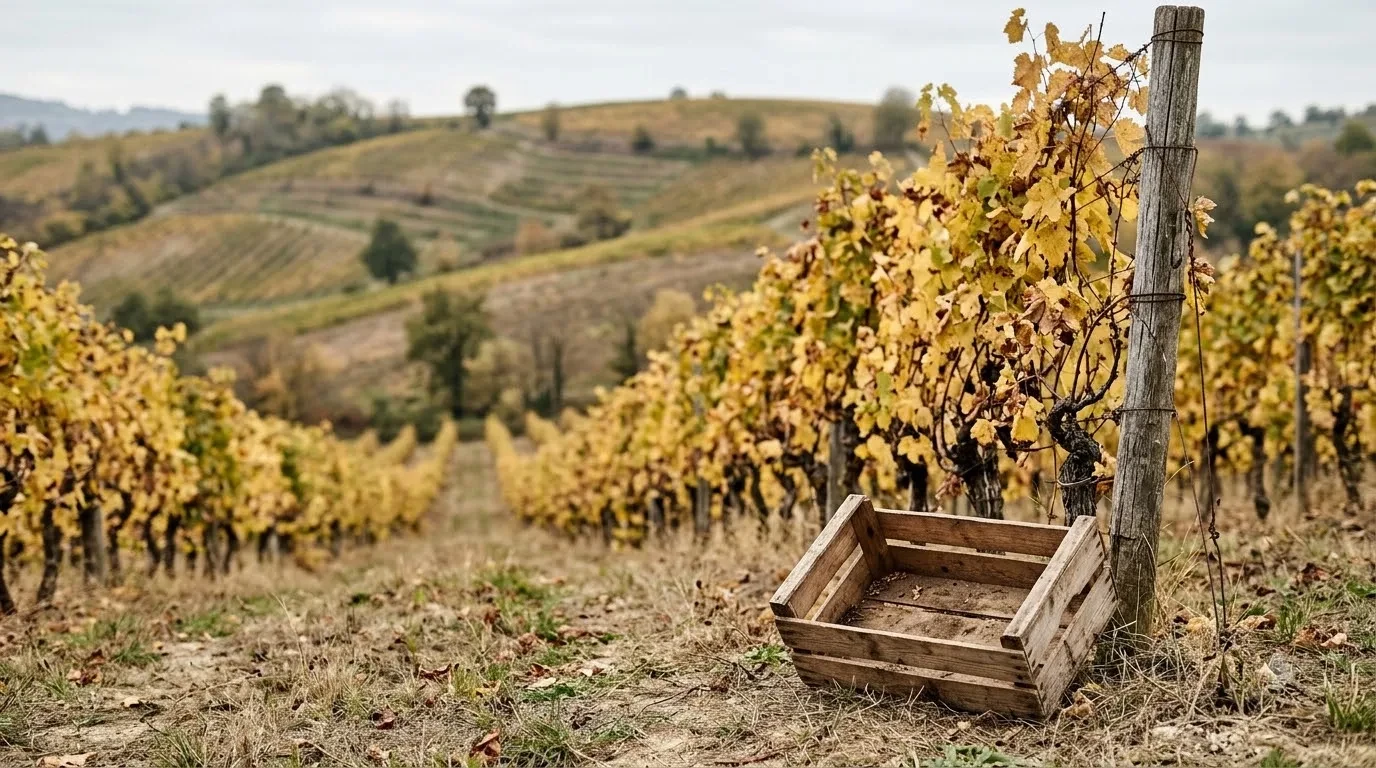
Switzerland vineyards span roughly 14,569 hectares (about 36,000 acres) across six distinct Alpine and lakeside wine regions, producing around 100 million liters of wine each year. Because Swiss wine lovers drink almost everything their country makes at home, less than two percent of annual production is ever exported. Cultivators grow more than 250 grape varieties on steep stone terraces, glacial moraines, and river valleys—led by Pinot Noir, Chasselas, Gamay, and Merlot alongside rare native grapes found nowhere else.
For American wine drinkers used to scanning shelves for Napa Cabernet or Marlborough Sauvignon Blanc, Swiss wine can feel like a hidden European secret. Yet tucked between France, Italy, Germany, and Austria lies one of the most diverse viticultural landscapes on earth, shaped by ancient glaciers, shimmering lakes, and extreme elevation. Understanding how Switzerland organizes its vineyards—and why its bottles rarely cross the Atlantic—opens up a rewarding new category for curious wine enthusiasts.
Overview of Switzerland Vineyards
Viticulture in Switzerland operates on a remarkably human scale, with more than 2,500 winegrowers tending small, fragmented plots that represent just 0.2 percent of the world’s total vineyard area. Red varieties account for roughly 56 percent of plantings and white varieties make up the remaining 44 percent, spread across four linguistic zones—French, German, Italian, and Romansh.
Geography dictates nearly every decision in a Swiss vineyard. Steep alpine slopes prevent heavy machinery from entering many rows, meaning pruning, canopy management, and harvesting rely heavily on hand labor. Large bodies of water such as Lake Geneva (known locally as Lac Léman), Lake Neuchâtel, Lake Constance, and Lake Maggiore moderate harsh mountain temperatures. At the same time, warming Föhn winds sweep down mountain valleys in autumn to help late-ripening grapes reach full maturity.
Soil complexity rivals that of any major European wine nation. Retreating Ice Age glaciers left behind a patchwork of limestone, slate, granite, gravel moraines, and alluvial river fans. As noted by Swiss Wine Promotion, the official national wine body, this glacial legacy allows growers to match specific grape varieties to micro-climates separated by only a few hundred yards.
The Six Swiss Wine Regions
Switzerland divides its viticultural territory into six official wine-producing regions, each reflecting its neighboring border culture and local topography. From sun-drenched Alpine valleys to Mediterranean lakeside slopes, the six zones offer vastly different styles within a compact country.
| Wine Region | Primary Language | Signature Grapes | Defining Landscape |
|---|---|---|---|
| Valais | French & German | Pinot Noir, Chasselas, Petite Arvine, Cornalin | High-altitude dry Rhône Valley terraces |
| Vaud | French | Chasselas, Pinot Noir, Gamay | Steep UNESCO-listed lakeside terraces on Lac Léman |
| German-Speaking Switzerland | German | Pinot Noir, Müller-Thurgau, Räuschling | 17 cantons along rivers, lakes, and Alpine foothills |
| Ticino | Italian | Merlot | Sunny southern Alpine slopes near Lakes Maggiore and Lugano |
| Three Lakes | French & German | Chasselas, Pinot Noir | Limestone hills framing Lakes Neuchâtel, Biel, and Murten |
| Geneva | French | Chasselas, Gamay, Pinot Noir, Gamaret | Rolling countryside where the Jura meets the Alps |
Valais is Switzerland’s largest wine region, accounting for roughly a third of the national vineyard area along the upper Rhône River. Shielded by towering 4,000-meter peaks, Valais enjoys a dry, sunny microclimate where dry-stone walls support some of Europe’s highest vineyards, reaching up to 1,100 meters in Visperterminen.
Vaud stretches along the northern shore of Lac Léman and serves as the spiritual home of Chasselas. Its crown jewel is Lavaux, a UNESCO World Heritage site where Cistercian monks built stone terraces in the 12th century. Grapes here benefit from what locals call the “three suns”—direct sunlight, heat reflected off the lake, and warmth radiated from stone walls at night.
German-Speaking Switzerland spans 17 cantons across northern and eastern Switzerland, including the acclaimed Bündner Herrschaft in Graubünden. Ticino sits south of the Alps with an Italian climate dominated by Merlot (over 80 percent of plantings). Meanwhile, the Three Lakes region (Neuchâtel, Lake Biel, and Lake Murten) and Geneva round out the west with crisp whites and vibrant Pinot Noir.
Key Grapes and Wine Styles
While 168 grape varieties are officially registered across Swiss cantonal appellations, four flagship grapes—Pinot Noir, Chasselas, Gamay, and Merlot—cover 66 percent of all vineyard land. Beyond those pillars, indigenous varieties account for 36 percent of plantings and give Swiss wine its unmistakable identity.
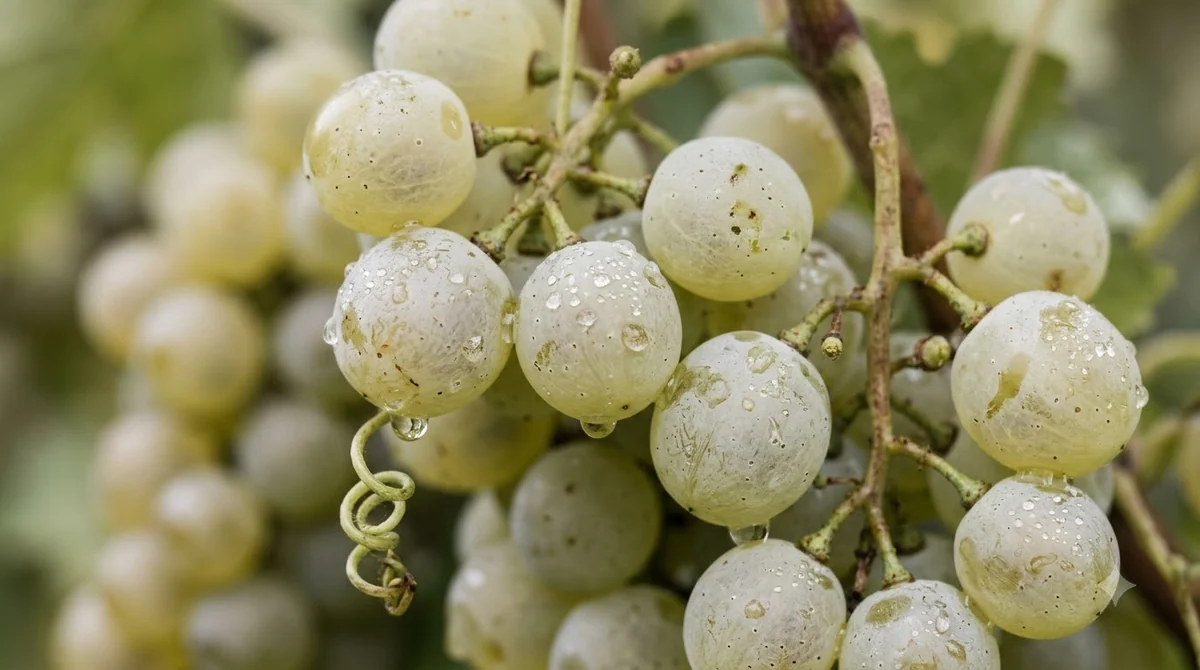
Chasselas is Switzerland’s defining white grape, occupying 24 percent of the country’s vineyard surface. Rather than shouting with tropical fruit, Chasselas acts as a transparent lens for soil and slope—delivering delicate notes of white blossom, wet stone, green apple, and subtle saline minerality. In Neuchâtel, producers even bottle an unfiltered version called Non Filtré that pours slightly cloudy with bright, leesy freshness.
For rare indigenous whites, Valais shines with Petite Arvine, a high-acid grape prized for grapefruit zest, rhubarb, and a signature salty finish, alongside Heida (Savagnin Blanc) and Humagne Blanche, a historic variety documented as early as 1313. On the red side, Pinot Noir leads nationwide with silky, Burgundian-inspired elegance, while Ticino turns Merlot into structured reds and crisp white-vinified Bianco di Merlot. Native Valais reds like Cornalin and Humagne Rouge bring wild berry fruit, peppery spice, and firm mountain tannins.
Notable Swiss Producers to Know
Because Swiss estates tend to be family-owned or community cooperatives, knowing a few benchmark names helps when browsing specialty wine lists. Several producers have earned international recognition from critics and competitions for showcasing Alpine precision.
- Marie-Thérèse Chappaz (Fully, Valais): Widely regarded as one of Switzerland’s most influential winemakers, she farms biodynamically on steep granitic slopes to craft expressive Petite Arvine, Cornalin, and sweet late-harvest wines.
- Domaines Rouvinez (Sierre, Valais): A fourth-generation family estate founded in 1945 that farms landmark Alpine sites and has earned multiple Best in Show honors at the Decanter World Wine Awards.
- St. Jodern Kellerei (Visperterminen, Valais): Founded in 1979 as a cooperative of hundreds of small-plot growers, this winery champions high-altitude Heida grown on terraced mountain slopes.
- Domaine Louis Bovard (Cully, Vaud): A 10-generation family dynasty in Lavaux celebrated for age-worthy Grand Cru Chasselas from Dézaley and Calamin.
- Adrian & Diego Mathier Nouveau Salquenen (Salgesch, Valais): A multi-award-winning family estate known for both indigenous Valais specialties and structured Pinot Noir.
As Wine Enthusiast has reported on high-altitude Swiss viticulture, a newer generation of growers is also banding together to share cellar techniques and introduce small allocations of these benchmark bottles to international markets.
Tips for Visiting Swiss Wine Country
Switzerland’s compact size and efficient rail network make vineyard exploration remarkably straightforward compared to sprawling Wine Regions elsewhere in the world. You can ride a train straight from Geneva, Lausanne, or Zurich to trailheads that wind directly through working vines.
Walking the marked vineyard trails is the best way to appreciate the steep gradients and dry-stone engineering. In Vaud, the 11-kilometer Lavaux trail from Saint-Saphorin to Lutry takes roughly three hours on foot and links stone wine villages overlooking Lac Léman. In Valais, a four-day wine trail connects Martigny to Leuk through terraced hillsides, while Graubünden offers a 30-kilometer Rhine Valley route dotted with traditional wooden wine cellars known as Torkel.
Tip: Many small Swiss family wineries do not keep fixed daily drop-in hours like tasting rooms in Napa or Sonoma. Book appointments by email or phone at least a few days ahead, or look for village wine bars (caveaux) in towns like Epesses, Rivaz, and Salgesch that pour multiple local growers by the glass.
Spring (May and June) brings lush green canopies and snow-capped peaks, while September and October offer golden foliage and harvest energy. If you are comparing wine travel experiences, Switzerland’s walkable village-to-village routes feel closer in intimacy to historic Midwestern enclaves like augusta vineyards than to sprawling highway wine corridors.
How to Find and Buy Swiss Wine in the US
Finding Swiss bottles in the United States takes patience because domestic consumption in Switzerland—roughly 35 liters per capita annually—absorbs more than 98 percent of national output. That leaves tiny export volumes for North America.
Your best bet is seeking out independent fine-wine shops in major metro areas, specialty Alpine wine importers, or restaurant wine lists with strong European selections. Unlike hunting down boutique domestic releases from nevada vineyards or orange vineyards where you can order directly from the estate’s website, US buyers rely on specialized importers who bring in small pallets of Valais, Vaud, and Graubünden wines.
When reading a Swiss wine label, look for the term AOC (Appellation d’Origine Contrôlée) followed by the canton name, such as AOC Valais or AOC Vaud. In Vaud, designations like Dézaley Grand Cru or Calamin Grand Cru signal top-tier single-appellation Chasselas. In Valais, the term Dôle denotes a classic red blend made primarily from Pinot Noir and Gamay, whereas Goron indicates a lighter everyday red blend.
Frequently Asked Questions
Why is Swiss wine so hard to find outside Switzerland?
Swiss consumers drink nearly all the wine produced in their country, leaving less than two percent of annual production for export. Because vineyards sit on steep, labor-intensive slopes with limited acreage, production cannot easily scale up to meet international demand.
What is the most famous wine grape in Switzerland?
Pinot Noir is the most widely planted grape overall in Switzerland, while Chasselas is the signature white grape and the icon of French-speaking regions like Vaud and Neuchâtel. Together with Gamay and Merlot, these four varieties cover about two-thirds of Swiss vineyard land.
What do Swiss Chasselas wines taste like?
Swiss Chasselas is a dry, light-to-medium-bodied white wine prized for subtlety, low-to-moderate acidity, and mineral expression rather than loud fruit aromas. Depending on the soil, it often shows notes of white flowers, crisp pear, wet flint, and a clean, refreshing finish.
Which Swiss vineyard region is a UNESCO World Heritage site?
The Lavaux vineyard terraces in the canton of Vaud earned UNESCO World Heritage status in 2007. Stretching roughly 800 hectares along the steep northern shore of Lake Geneva (Lac Léman) between Lausanne and Montreux, the stone terraces date back to the 12th century.
From the sun-baked stone walls of Valais to the lakeside terraces of Lavaux, Switzerland vineyards pack an extraordinary range of grapes, languages, and microclimates into a small Alpine footprint. Even if tracking down a bottle in the US requires visiting a dedicated specialty merchant, tasting authentic Swiss Chasselas, Petite Arvine, or mountain Pinot Noir rewards anyone eager to explore beyond mainstream European wine regions.
More in Wine Regions
 Willcox Wine Trail: Discover Arizona’s High-Elevation Wine CountryUpdated Nov 20, 2026
 Yakima Valley Wine Region: Find the Best Styles to TryUpdated Nov 20, 2026
 Vosne Romanee Wine Tasting: Identify Aromas and Choose Better PairingsUpdated Nov 20, 2026
 Yakima Valley Wine Festival: Find the Best Seasonal Wine EventsUpdated Nov 20, 2026
 Wales Vineyards: Discover Cool-Climate Wines and Where to VisitUpdated Nov 20, 2026
 Yountville Wine Festival: Discover Napa Wines and Local FoodUpdated Nov 20, 2026