

We may earn a commission when you buy through links on this page, at no extra cost to you. Learn more.
Roero wine is a dual-style Italian DOCG appellation from northern Piedmont that produces fragrant, supple Nebbiolo reds and crisp, textured Arneis whites. Located on the left bank of the Tanaro River across from Barolo and Barbaresco, the zone relies on sandy marine soils that yield earlier-drinking, aromatic bottles than its clay-heavy neighbors. Both the red Roero DOCG and white Roero Arneis DOCG require at least 95 percent of their signature grape, though most producers bottle single-varietal expressions.
For decades, wine drinkers touring wine regions across northwest Italy treated the hills north of Alba as an afterthought compared to the famous Langhe slopes just across the water. That reputation has shifted dramatically as winemakers and sommeliers have championed Roero’s distinct geological identity, refined single-vineyard crus, and remarkable versatility at the dinner table.
What Is Roero Wine?
Roero wine encompasses two entirely separate wine styles—an elegant red made from Nebbiolo and a dry, aromatic white made from Arneis—united under a single Denominazione di Origine Controllata e Garantita (DOCG) umbrella in Piedmont. While most Italian appellations focus on a single color or primary grape, Roero earned Italy’s highest quality classification in 2004 for its dual heritage across 19 hillside municipalities in the province of Cuneo.
When a label reads simply “Roero DOCG” without a grape name on the front, the bottle inside is always red wine made from a minimum of 95 percent Nebbiolo, with up to 5 percent permitted from other non-aromatic red grapes approved in Piedmont. According to the Consorzio Tutela Roero, producers cultivate three primary Nebbiolo biotypes in these hills—Lampia, Michet, and Rosé—and nearly all modern bottlings rely on 100 percent Nebbiolo. Standard red Roero must age for at least 20 months starting November 1 of the harvest year, including a minimum of six months in wood, while Roero Riserva requires 32 months of maturation before release.
When the label specifies “Roero Arneis DOCG,” the wine is white and crafted from at least 95 percent Arneis, an ancient indigenous grape whose name translates roughly to “little rascal” in local Piedmontese dialect due to its finicky behavior in the vineyard. Nearly wiped out by the 1960s and 1970s, Arneis experienced a historic revival led by local pioneers who recognized its potential as a standalone dry white rather than a softening blending partner for Nebbiolo. Today, Roero Arneis also includes a Riserva category requiring 16 months of aging as well as sparkling spumante versions.
Flavor Profile and Wine Styles
Red Roero delivers lifted aromas of red cherry, raspberry, rose petal, and sweet spice framed by finer, more approachable tannins than Barolo, while Roero Arneis offers orchard fruit, white blossoms, and a signature bitter-almond finish. Both wines reflect the bright acidity of Piedmont’s continental climate, yet their textures remain supple and inviting rather than austere.
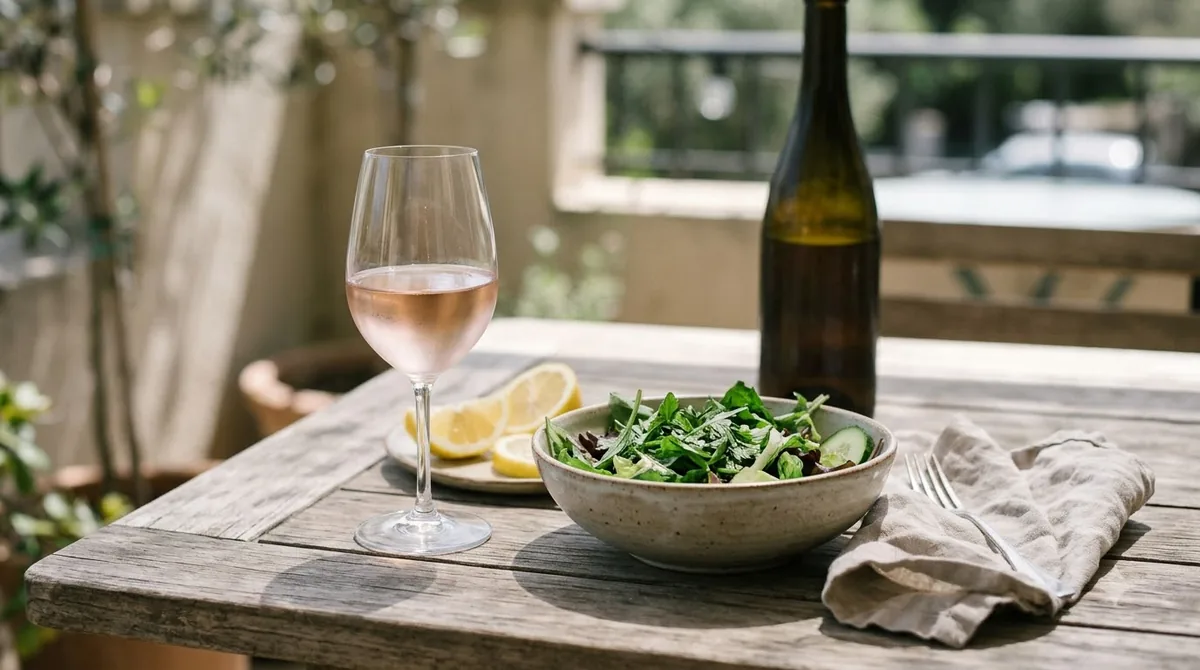
In the glass, red Roero pours a translucent ruby to garnet hue that belies its aromatic intensity. Reviewers at Decanter and Wine Enthusiast frequently highlight its juicy red-berry core—think wild strawberry, marasca cherry, and raspberry—layered with notes of violet, dried herbs, tobacco, and subtle balsam. Because the tannins are softer and less grippy on the front of the palate than those found in southern Langhe Nebbiolo, a standard Roero DOCG drinks gracefully upon release two years after harvest, while single-vineyard Riserva bottlings gain savory truffle and leather complexity over five to ten years in the cellar.
Roero Arneis presents a pale straw to golden-yellow color and bridges the gap between crisp, zesty Italian whites and fuller, round-textured styles. Classic examples open with scents of Bartlett pear, white peach, apricot, chamomile, and acacia blossom over a distinct wet-stone minerality. On the palate, Arneis feels medium-bodied and silky with moderate-to-bright acidity, culminating in a savory saline snap and a characteristic hint of green hazelnut or bitter almond. While most bottles shine within one to three years of vintage, top producers also craft age-worthy, lees-aged Riserva bottlings that develop beeswax, honey, and toasted nut complexity.
| Appellation Style | Primary Grape | Minimum Aging | Key Tasting Notes | Typical Drinking Window |
|---|---|---|---|---|
| Roero DOCG (Red) | Nebbiolo (min. 95%) | 20 months (6 months in wood) | Red cherry, raspberry, rose petal, subtle spice, fine tannins | 2 to 8 years from vintage |
| Roero Riserva DOCG (Red) | Nebbiolo (min. 95%) | 32 months (6 months in wood) | Dried cherry, violet, tobacco, forest floor, structured grip | 5 to 12+ years from vintage |
| Roero Arneis DOCG (White) | Arneis (min. 95%) | No mandatory minimum (released spring after harvest) | Bartlett pear, white peach, chamomile, saline, bitter almond | 1 to 3 years from vintage |
| Roero Arneis Riserva DOCG (White) | Arneis (min. 95%) | 16 months (wood optional) | Ripe apricot, honey, toasted hazelnut, beeswax, mineral finish | 3 to 7 years from vintage |
Where Roero Wine Grows
Roero sits in northwest Italy’s Piedmont region, immediately north of Alba on the left bank of the Tanaro River, where steep hills of ancient marine sand create a dramatically different terroir from the clay-limestone slopes of Barolo and Barbaresco across the water. Appellation rules restrict plantings strictly to hillside vineyards below 400 meters in elevation, excluding flat, damp valley floors.
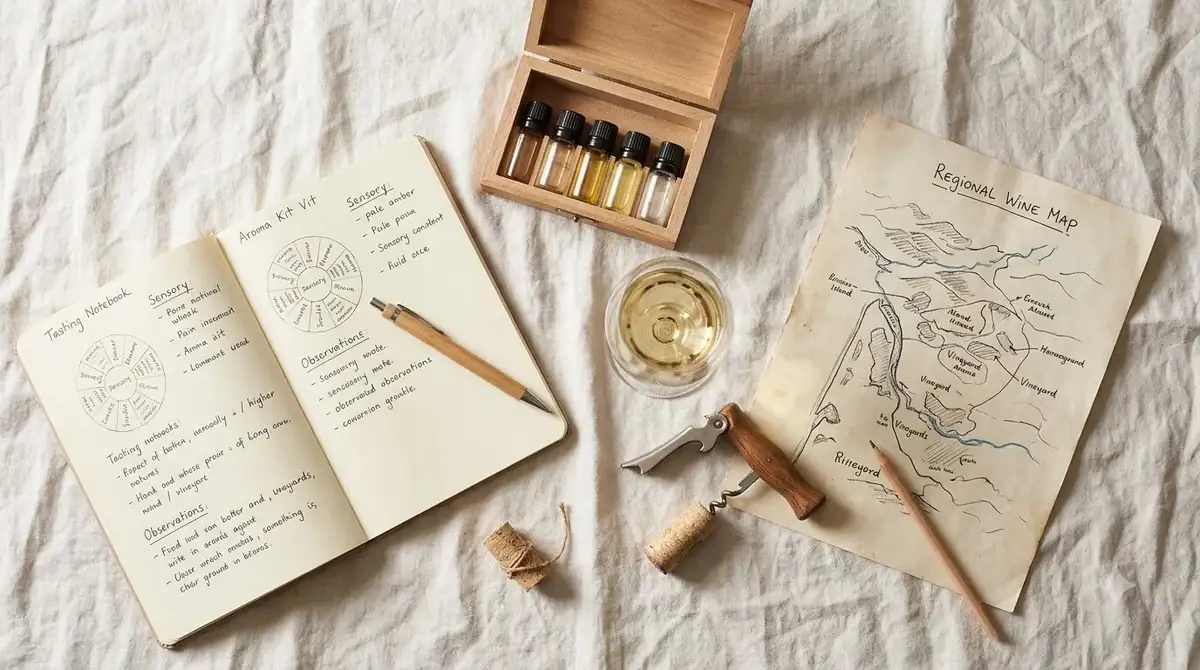
Millions of years ago, the entire Roero basin lay beneath the Padan Sea, and when the waters receded, they left behind loose layers of yellow marine sand, sandstone, fossilized shells, and pockets of clay and limestone. A dramatic geological fault line known as the Rocche del Roero cuts diagonally across the district from Pocapaglia to Montà, creating towering, wooded sandy cliffs and amphitheater-like slopes. According to Wine Enthusiast, these porous, fast-draining sandy soils restrict vine vigor and impart unmistakable aromatic lift and finesse to both Arneis and Nebbiolo.
The region spans 19 communes, including core winemaking towns such as Canale, Vezza d’Alba, Corneliano d’Alba, Piobesi d’Alba, Montà, and Castellinaldo d’Alba. Beginning with the 2017 vintage, Roero officially introduced 134 Menzioni Geografiche Aggiuntive (MGAs), or delimited single-vineyard crus—such as Valmaggiore, Ròche d’Ampsèj, Renesio, and Bric Valdiana—allowing producers to highlight distinct microclimates on their labels much like Burgundy’s premier crus, such as Aloxe-Corton wine, or the named slopes of Barolo.
How to Serve Roero Wine
Proper serving temperature unlocks the aromatic nuance of both Roero styles, requiring a crisp chill for white Roero Arneis and a cool cellar temperature for red Roero Nebbiolo. Treating red Roero like a heavy, warm-climate cabernet dulls its floral perfume and accentuates its natural acidity.
Serve Roero Arneis chilled to between 50°F and 54°F (10°C to 12°C)—roughly 15 to 20 minutes out of a standard kitchen refrigerator. Serving it ice-cold straight from the fridge mutes its delicate white-flower and stone-fruit aromatics, whereas letting it warm slightly in a medium-sized white wine glass brings out its creamy texture and almond finish. Age-worthy Roero Arneis Riserva benefits from the upper end of that range, around 54°F (12°C), and a slightly wider bowl.
Serve red Roero DOCG at 60°F to 64°F (16°C to 18°C) in a large, tulip-shaped Burgundy or Nebbiolo glass that concentrates its rose-petal and red-berry bouquet. Young bottles released at two or three years of age benefit from 30 to 45 minutes in a decanter to soften their youthful grip, while older Roero Riserva bottlings need only a gentle pour off any natural sediment just before dinner.
Tip: Put your bottle of red Roero in the refrigerator for 20 minutes before opening if your kitchen runs warm—serving Nebbiolo slightly cool keeps its bright cherry fruit crisp and prevents alcohol from feeling sharp.
Food Pairing with Roero
Roero’s combination of brisk Piedmontese acidity and medium-bodied structure makes both its red and white expressions natural companions at the table. Rather than overpowering delicate ingredients, these wines cleanse the palate between bites and echo earthy, savory flavors.
Roero Arneis excels alongside antipasti, fresh seafood, and creamy pastas where sharper whites might clash. In Piedmont, locals pour it with vitello tonnato (chilled sliced veal in a creamy tuna-caper sauce), carne cruda (hand-chopped beef tartare), and hazelnut-studded cheeses like Robiola or young Toma. Outside traditional Italian fare, its silky mouthfeel and saline finish pair effortlessly with pan-seared sea bass, grilled prawns, roast chicken with herbs, risotto with spring vegetables, and mild goat or sheep’s-milk cheeses.
Red Roero bridges the pairing gap between Pinot Noir and structured Barolo, thriving with rich yet refined dishes. Its vibrant acidity cuts cleanly through buttery egg-yolk tajarin pasta tossed with white truffles or wild porcini mushrooms, braised rabbit, roasted pork loin, and herb-crusted lamb chops. Because its tannins are smoother than Barolo’s, it also works nicely with roasted duck breast, mushroom risotto, charcuterie boards, and aged cow’s-milk cheeses like Castelmagno or Parmigiano-Reggiano.
How to Choose a Bottle of Roero
Navigating a retail shelf for Roero starts with checking whether the label includes the word “Arneis” and looking for named vineyard sites or trusted regional estates. Because producers across both banks of the Tanaro bottle Roero wines, knowing a few label cues helps you match the bottle to the occasion.
First, confirm the color on the front label: “Roero DOCG” is always red Nebbiolo, while “Roero Arneis DOCG” is always white. For an everyday aperitif or seafood dinner, look for a current-vintage or one-year-old Roero Arneis from historic Roero estates such as Matteo Correggia, Angelo Negro, Malvirà, Giovanni Almondo, Cascina Chicco, or Marco Porello, as well as respected Langhe houses like Vietti and Bruno Giacosa that source fruit across the river. If you want greater textural depth for winter poultry or richer dishes, seek out a bottle labeled “Riserva” or an MGA vineyard name like Renesio or La Val dei Preti.
When shopping for red Roero, consider how soon you plan to open the bottle. Standard Roero DOCG bottlings from strong vintages offer immediate red-fruit charm and silky structure for weeknight dinners, whereas single-vineyard crus such as Valmaggiore or Ròche d’Ampsèj—labeled as Roero or Roero Riserva—deliver deeper concentration worth cellaring for several years. Wine lovers who enjoy comparing how specific hillside exposures shape a single grape, much like exploring Beaune wine tasting flights in Burgundy, will find tremendous reward tasting two Roero MGAs side by side.
Frequently Asked Questions
Is Roero wine red or white?
Roero wine can be either red or white, depending on how the label is worded. A bottle labeled simply “Roero DOCG” is a dry red wine made from at least 95 percent Nebbiolo, while a bottle labeled “Roero Arneis DOCG” is a dry white wine made from at least 95 percent Arneis.
How is Roero different from Barolo?
Although both regions produce red wine from Nebbiolo, Roero sits north of the Tanaro River on loose marine sand, whereas Barolo lies south of the river on denser clay and limestone marls. As a result, Roero reds are generally lighter in body, more overtly floral and fruity, and ready to drink years earlier than powerful, high-tannin Barolo.
What does Roero Arneis taste like?
Roero Arneis is a dry, medium-bodied white wine with aromas of Bartlett pear, white peach, chamomile, and white spring flowers. On the palate, it balances fresh acidity with a round, silky texture and finishes with a distinctive mineral and bitter-almond note.
Does Roero wine age well?
Standard Roero Arneis is best enjoyed young within one to three years of the vintage to capture its vibrant fruit and floral freshness, though Riserva bottlings can evolve gracefully for five to seven years. Red Roero DOCG drinks well upon release and holds easily for five to eight years, while single-vineyard Roero Riserva wines can cellar for a decade or longer.
Whether you reach for a chilled glass of floral, almond-scented Arneis or an aromatic bottle of sandy-soil Nebbiolo, Roero wine captures the culinary soul of Piedmont without requiring a decade of cellar patience. Exploring its 134 named hillside crus offers one of northern Italy’s most rewarding journeys for curious wine drinkers.
More in Wine Regions
 Willcox Wine Trail: Discover Arizona’s High-Elevation Wine CountryUpdated Nov 20, 2026
 Yakima Valley Wine Region: Find the Best Styles to TryUpdated Nov 20, 2026
 Vosne Romanee Wine Tasting: Identify Aromas and Choose Better PairingsUpdated Nov 20, 2026
 Yakima Valley Wine Festival: Find the Best Seasonal Wine EventsUpdated Nov 20, 2026
 Wales Vineyards: Discover Cool-Climate Wines and Where to VisitUpdated Nov 20, 2026
 Yountville Wine Festival: Discover Napa Wines and Local FoodUpdated Nov 20, 2026