


We may earn a commission when you buy through links on this page, at no extra cost to you. Learn more.
Apothic Brew is a limited-release California red wine blend infused with cold brew coffee, produced by E. & J. Gallo Winery at 13.5% ABV. First introduced in April 2018, the bottle combines dark fruit flavors from grapes like Petite Sirah with roasted mocha and chocolate notes from cold-steeped coffee. Despite the coffee infusion, the producer notes that it contains less caffeine than a standard cup of decaffeinated coffee.
Coffee and red wine already share natural flavor compounds, from roasted cocoa to dark berry acidity, which explains why sommeliers frequently use espresso as a tasting descriptor for bold reds. Apothic took that overlap literally by steeping cold brew character directly into a California blend, creating a crossover bottle that bridges the gap between an after-dinner pour and a coffeehouse drink.
Who Makes Apothic Brew and How It Started
Apothic Wines, a California wine label owned by E. & J. Gallo Winery in Modesto, launched Apothic Brew in April 2018 as an experimental seasonal release. The brand built its reputation on plush, fruit-forward blends and bold packaging, and Apothic Brew followed earlier limited editions like Apothic Dark and whiskey-barrel-aged Apothic Inferno.
According to VinePair’s coverage of the Apothic Brew release, the winemaking team developed the bottle in response to surging consumer interest in cold brew coffee. Rather than relying on high-heat espresso extraction, which can introduce harsh bitterness, cold brewing extracts smoother chocolate and nutty compounds from coffee beans over time.
After its initial 2018 debut, Apothic brought the release back for subsequent seasonal runs before eventually evolving its coffee-wine concept into newer expressions like Apothic Espresso. Today, Apothic Brew remains a recognizable benchmark among flavored wine brands that experiment with non-traditional infusions alongside classic California winemaking.
Grapes, Alcohol Content, and Caffeine Facts
Apothic Brew is bottled at 13.5% ABV in a standard 750ml non-vintage format, anchored by dark-skinned California red grapes. While the front label keeps technical specifications minimal, retail and producer notes identify Petite Sirah as the primary backbone alongside supporting varieties such as Teroldego, Cabernet Sauvignon, and Zinfandel.
Choosing Petite Sirah as the foundation makes structural sense for a coffee-infused wine. The grape naturally produces deep ink-purple color, firm tannins, and concentrated blackberry and plum flavors that can hold their own against roasted coffee aromatics without disappearing on the palate.
One of the most common misconceptions about Apothic Brew is that it acts like an alcoholic energy drink. In reality, Apothic confirmed upon release that a glass of Apothic Brew contains less caffeine than a standard cup of decaf coffee, meaning it will not keep you awake any more than a regular pour of red wine. If you are tracking strength across the lineup, you can compare its 13.5% rating against standard apothic red alcohol content figures to see how consistent the house style stays across releases.
Taste Profile and How It Compares to Other Blends
On the palate, Apothic Brew balances ripe dark fruit against distinct notes of mocha, toasted oak, maple, and cold-steeped coffee. Reviewers at Honest Wine Reviews note that the coffee aroma jumps out immediately upon uncorking, reminiscent of coffee liqueur, before settling into black cherry and cocoa flavors on the mid-palate.
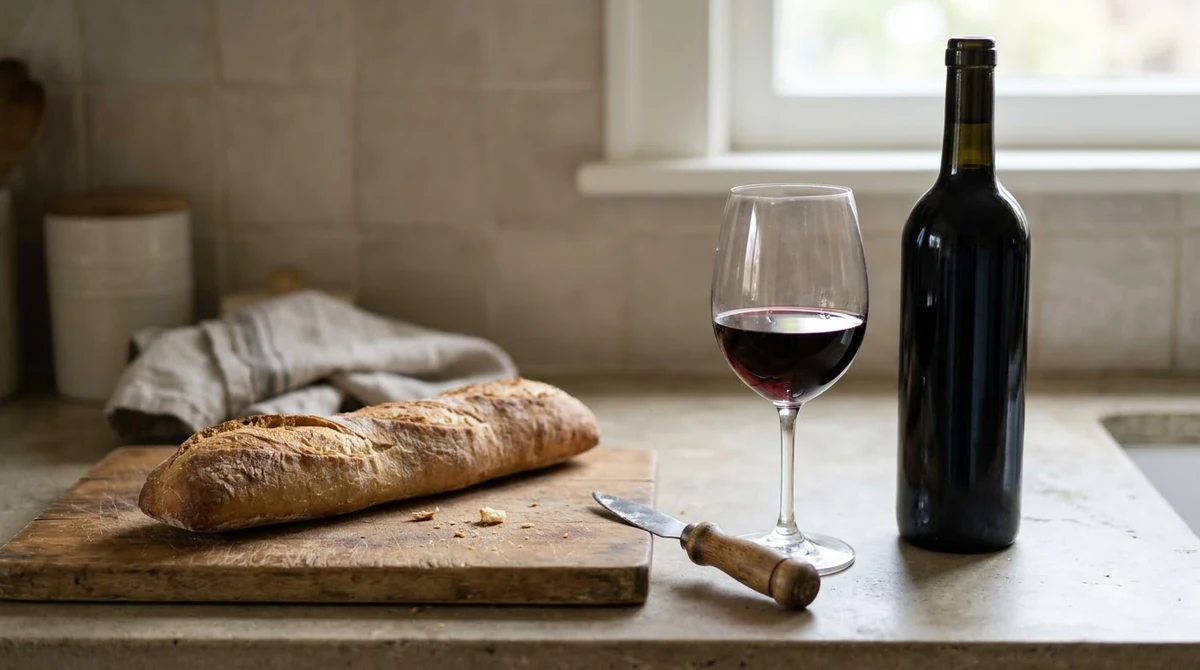
Unlike sweet coffee liqueurs, Apothic Brew maintains noticeable tannic grip and medium acidity, giving it a drier, more structured finish than many drinkers expect from a flavored red. Independent tasters at SpitBucket observed that the wine shows medium body with a slightly chalky tannin structure, and that the chocolate and cold brew aromatics become even more integrated after the bottle has been open for a day.
| Attribute | Apothic Brew | Apothic Red (Original) | Apothic Inferno |
|---|---|---|---|
| Primary Style | Cold brew coffee-infused red blend | Fruit-forward California red blend | Whiskey-barrel-aged red blend |
| Key Grapes | Petite Sirah, Teroldego, Cabernet, Zinfandel | Zinfandel, Syrah, Merlot, Cabernet Sauvignon | Zinfandel, Petite Sirah, Syrah, Cabernet |
| ABV | 13.5% | 13.5% | 15.9% |
| Dominant Flavors | Black cherry, cold brew coffee, mocha, toasted oak | Dark berries, vanilla, mocha, spice | Maple, toasted oak, dark fruit, vanilla |
| Release Status | Limited seasonal release | Year-round core flagship | Limited seasonal release |
Comparing Apothic Brew side by side with the core portfolio highlights how the brand uses different finishing techniques to shift flavor. Whereas traditional labels like zenato wine rely entirely on grape character, fermentation, and oak aging for complexity, Apothic Brew uses direct cold brew infusion to accentuate the natural cocoa tones already present in ripe California reds.
How to Serve Apothic Brew
Apothic recommends serving Apothic Brew either slightly chilled like cold brew coffee or at cool cellar temperature like a traditional red wine. Serving it at two distinct temperatures changes which side of the blend takes center stage in the glass.
When chilled to roughly 50 to 55 degrees Fahrenheit, the wine’s acidity feels crisper and the cold brew coffee character tastes cleaner and more refreshing, almost like a lightly alcoholic iced coffee with dark berry undertones. At a warmer room temperature around 60 to 65 degrees Fahrenheit, the Petite Sirah fruit expands, bringing forward plush plum, toasted oak, and sweeter mocha notes.
Tip: Pour a small taste straight from the fridge first, then let the glass warm in your hand for 15 minutes to experience how the flavor shifts from brisk cold brew to rich dark chocolate and cherry.
Beyond neat pours, Apothic Brew also works as a low-proof mixer in coffee-inspired wine cocktails. On Apothic’s official Espresso Affogato recipe page, the winery pairs its coffee-driven red style with vanilla ice cream and fresh espresso for an effortless dessert drink, and casual home bartenders have also experimented with serving Apothic Brew over ice with a splash of milk as a lighter riff on a White Russian.
Best Food Pairings for Coffee-Infused Red Wine
Apothic Brew pairs best with rich, smoky, or chocolate-driven dishes that mirror its roasted coffee and dark fruit profile. Because the wine carries noticeable tannins alongside subtle sweetness, foods with fat, char, or cocoa bitterness keep the palate balanced.
Savory barbecue dishes are an especially reliable match. Slow-cooked smoked brisket, espresso-rubbed steaks, and maple-glazed pork ribs pick up the toasted oak and roasted bean notes in the wine while their savory fat softens the tannins. Sharp aged cheddar or gouda also works well on a cheese board, offering a salty counterpoint to the black cherry fruit.
For dessert, lean straight into the mocha side of the bottle rather than fighting it with tart citrus sweets. Dark chocolate truffles, flourless chocolate torte, brownies, and classic espresso tiramisu all echo the cold brew infusion naturally. If you prefer lighter, everyday fruit-forward bottles for casual weeknight meals without coffee notes, exploring options like main and vine wine offers a more conventional California table wine alternative.
Who Apothic Brew Suits Best
Apothic Brew is tailored for curious drinkers, cold brew enthusiasts, and fans of bold, modern California red blends who enjoy adventurous flavor crossovers. It works particularly well as a conversation-starting bottle for casual dinner parties, holiday dessert tables, or cozy autumn evenings when a standard red feels too predictable.
Conversely, strict wine traditionalists who prefer dry, terroir-driven, unflavored wines will likely find the overt coffee aromatics too unconventional. Knowing that distinction upfront makes it easy to decide when to open a bottle: treat Apothic Brew as a creative, mocha-laced red built for relaxed sipping and chocolate pairings rather than a classic fine-dining table wine.
Frequently Asked Questions
Does Apothic Brew have caffeine in it?
Apothic Brew contains negligible caffeine—specifically less than a standard cup of decaffeinated coffee, according to the producer. While real cold brew coffee flavors the blend, it will not provide a noticeable caffeine buzz and can be enjoyed in the evening like any regular glass of red wine.
Is Apothic Brew sweet or dry?
Apothic Brew sits in a smooth, off-dry to medium-dry middle ground. Ripe dark fruit, maple, and mocha notes give the initial sip a plush, lightly sweet impression, while noticeable tannins from the Petite Sirah and coffee beans keep the finish balanced and structured rather than syrupy.
Should you drink Apothic Brew cold or at room temperature?
You can enjoy Apothic Brew either way depending on your mood. Chilling the bottle in the refrigerator highlights the crisp, refreshing cold brew coffee flavors, while serving it slightly cool around 60 to 65 degrees Fahrenheit brings out richer dark berry, chocolate, and toasted oak notes.
Is Apothic Brew still available in stores?
Apothic Brew was released as a limited-edition seasonal wine rather than a permanent year-round bottling, so retail availability fluctuates across local liquor stores and grocery shelves. When Apothic Brew is between seasonal runs, the winery’s Apothic Espresso expression offers a closely related coffee-infused red blend profile.
By marrying California Petite Sirah with smooth cold-steeped coffee character, Apothic Brew carved out a memorable niche in modern wine blending. Whether served lightly chilled on a warm afternoon or poured alongside dark chocolate after dinner, it delivers an approachable, mocha-rich twist on a classic red blend.
More in Wine Brands
 Underwood Wine Price: Compare Bottles, Cans, and Pack SizesUpdated Nov 21, 2026
 Zenato Wine Price: Compare Styles and Choose the Right BottleUpdated Nov 21, 2026
 Zuccardi Wine Price: Compare Bottles and Find the Right RangeUpdated Nov 21, 2026
 Yellow Tail Moscato Review: Taste, Sweetness and Serving TipsUpdated Nov 21, 2026
 Wolf Blass Yellow Label Review: Choose Your Best StyleUpdated Nov 21, 2026
 Wolffer Estate Rose Review: Choose the Right Bottle for Your TableUpdated Nov 21, 2026