

We may earn a commission when you buy through links on this page, at no extra cost to you. Learn more.
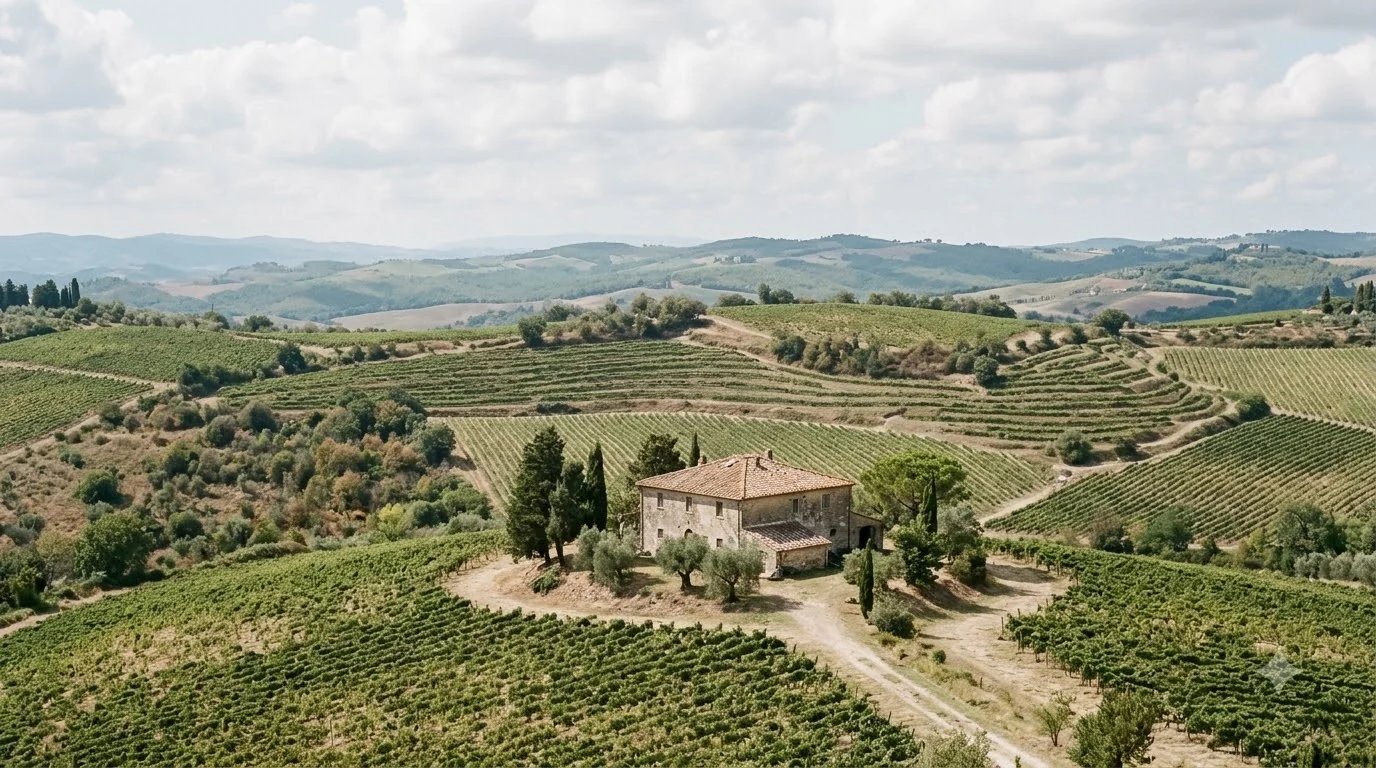
Organic malbec is red wine crafted from Malbec grapes farmed without synthetic pesticides, herbicides, or chemical fertilizers, and vinified under strict organic cellar standards. In the United States, bottles labeled “organic” contain zero added sulfites, while those labeled “made with organic grapes” permit up to 100 parts per million of added sulfur dioxide for stability. Most bottlings come from high-elevation vineyards in Mendoza, Argentina, offering dark plum, blackberry, and cocoa notes with smooth tannins.
Because Malbec thrives in dry, sunlit climates with cool mountain nights, vineyards require far fewer chemical interventions than vines grown in damp regions. That natural advantage has turned the grape into a standout for certified organic viticulture across South America, France, and the American West.
What Is Organic Malbec?
Organic malbec starts in the vineyard, where growers must farm without synthetic fertilizers, herbicides, or pesticides for three years before earning official certification. In the cellar, winemakers follow strict rules governing yeast strains, fining agents, and sulfur dioxide additions.
Understanding how certification appears on a front or back label helps clarify what is actually inside the bottle. Under United States Department of Agriculture (USDA) National Organic Program rules, there is a distinct legal boundary between two common label phrases. Wine certified as 100 percent “organic” carries the green USDA Organic seal and cannot contain any added sulfites, though naturally occurring sulfites produced by yeast during fermentation are still present. Because federal law requires any wine exceeding 10 parts per million of sulfur dioxide to display a “Contains Sulfites” statement, even zero-addition organic bottles will typically include that text on the back label.
A second, far more common tier is labeled “made with organic grapes.” As Wine Folly’s guide to organic wine labeling explains, this category requires certified organic fruit and prohibits genetically modified yeasts, while allowing winemakers to add up to 100 parts per million of sulfites—roughly a third of the limit permitted in conventional American wines. Many top Argentine and European producers choose this second standard so their red wines can withstand international shipping and develop gracefully in bottle without premature oxidation.
Flavor Profile and Styles of Organic Malbec
Certified organic farming does not give Malbec a separate or funky flavor profile, instead allowing the grape’s natural dark fruit, violet florals, and regional soil character to show clearly. Depending on climate and winemaking choices, bottlings range from bright, unoaked everyday reds to dense, oak-aged cellar selections.
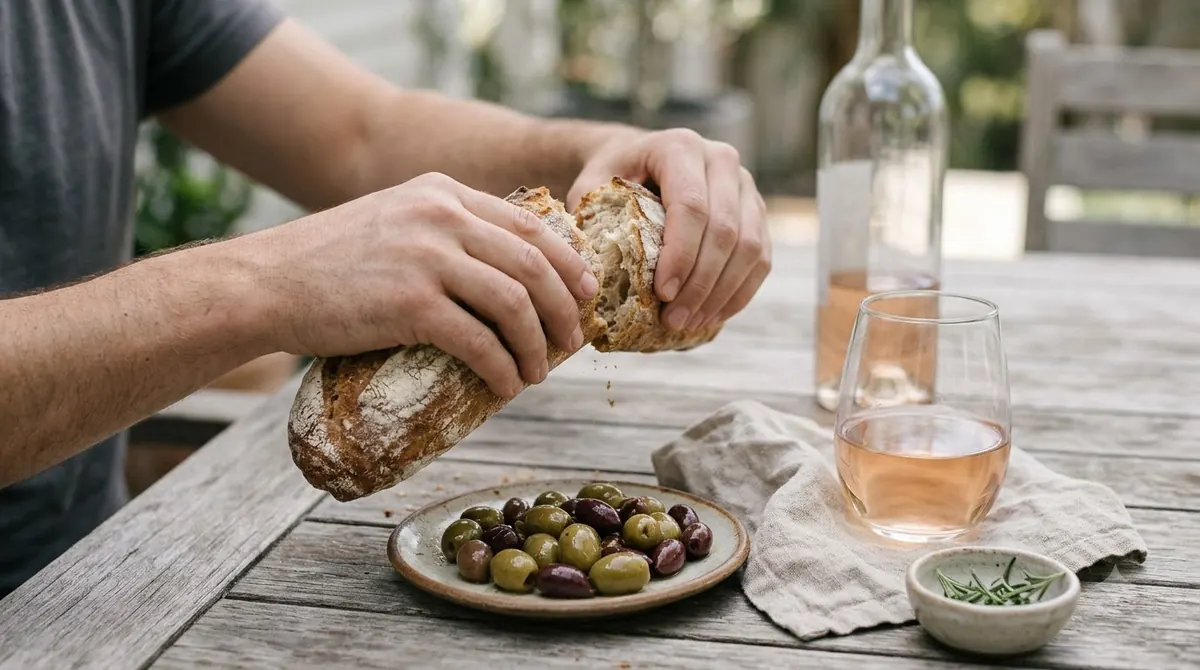
In warm, high-altitude regions like Argentina, the grape develops thick skins packed with anthocyanins, producing an opaque purple-red color with a signature bright magenta rim in the glass. According to Wine Folly’s comprehensive Malbec profile, classic bottlings deliver full body, medium tannins, medium-low acidity, and alcohol levels between 13.5% and 15% ABV. Primary fruit flavors center on red and black plum, blackberry, and black cherry, often layered with cocoa powder, milk chocolate, vanilla, and sweet tobacco when aged in oak barrels.
Winemakers shape organic malbec into several distinct expressions depending on vessel choice and harvest timing. Unoaked or concrete-fermented styles emphasize pure, juicy fruit, crushed violets, and a supple mid-palate that drinks easily on release. Reserve and single-vineyard bottlings spend 10 to 20 months in French or American oak, gaining firmer structure, toasted spice, and velvet texture. While the vast majority of bottlings are fermented completely dry—typically containing less than 1 gram per liter of residual sugar—a small niche of producers crafts off-dry styles, which you can explore in our guide to sweet malbec.
Where Organic Malbec Grows Best
Argentina dominates global organic malbec production because its high-desert climate minimizes fungal pressure, making chemical sprays largely unnecessary. Significant plantings also thrive in southwestern France, where the grape originated, alongside smaller organic pockets in Chile and the western United States.
Argentina accounts for more than three-quarters of the world’s Malbec acreage, led by Mendoza at elevations between 2,000 and 3,600 feet above sea level. Intense daytime sunlight ripens the thick grape skins fully, while sharp nighttime temperature drops lock in natural acidity. Sub-regions such as the Uco Valley—including Gualtallary and Paraje Altamira—and Luján de Cuyo are renowned for alluvial and calcareous soils that yield structured, aromatic organic reds, while northern Salta pushes vineyards even higher for bolder spice and darker fruit.
In France, where the grape is traditionally called Côt, Malbec plays a leading role in Cahors along the Lot River valley and its surrounding limestone plateaus. Reviewers at Wine Enthusiast note that French Malbecs must comprise at least 70% of a Cahors blend and display higher acidity, firmer tannins, lower alcohol, and savory notes of black pepper, leather, and tart plum compared to Argentine counterparts. Organic growers in the Loire Valley, Bordeaux’s satellite appellations, and Washington’s Walla Walla Valley also bottle varietal and blended expressions with crisp, food-friendly balance.
| Region | Primary Fruit Notes | Savory & Oak Notes | Structure & Body | Typical Style |
|---|---|---|---|---|
| Mendoza, Argentina (Uco Valley & Luján de Cuyo) | Blackberry, black plum, black cherry | Cocoa, violet, vanilla, sweet tobacco | Full body, plush medium tannins, moderate acidity | Rich, fruit-forward varietal bottlings |
| Cahors, France | Tart black plum, dark currant, blackberry | Black pepper, leather, damp earth, graphite | Medium-full body, firm tannins, higher acidity | Savory, age-worthy reds (minimum 70% Malbec) |
| Salta, Argentina | Ripe boysenberry, baked plum, fig | Smoked spice, dark chocolate, dried herbs | Full body, bold tannins, concentrated texture | High-elevation, intense single-varietal wines |
| Washington & California, USA | Blueberry, dark cherry, ripe raspberry | Baking spice, cedar, mocha | Medium-full body, balanced tannins, bright acidity | Varietal bottlings and Bordeaux-style blends |
How to Serve and Store Organic Malbec
Serve organic malbec slightly below room temperature at 60°F to 68°F (15°C to 20°C) in a large, wide-bowled red wine glass to showcase its dark aromatics. Young, fruit-driven bottles benefit from 30 minutes of aeration, while delicate zero-sulfite bottlings require careful temperature control after opening.
Serving red wine at a warm 72°F kitchen temperature emphasizes alcohol heat and flattens fresh berry notes, whereas an overly cold cellar chill tightens tannins and mutes the bouquet. Placing a room-temperature bottle in the refrigerator for 20 to 30 minutes before pouring brings it neatly into the sweet spot. Pouring into a universal or Bordeaux-style glass with a generous bowl gives the wine surface area to swirl and release subtle floral and spice aromas.
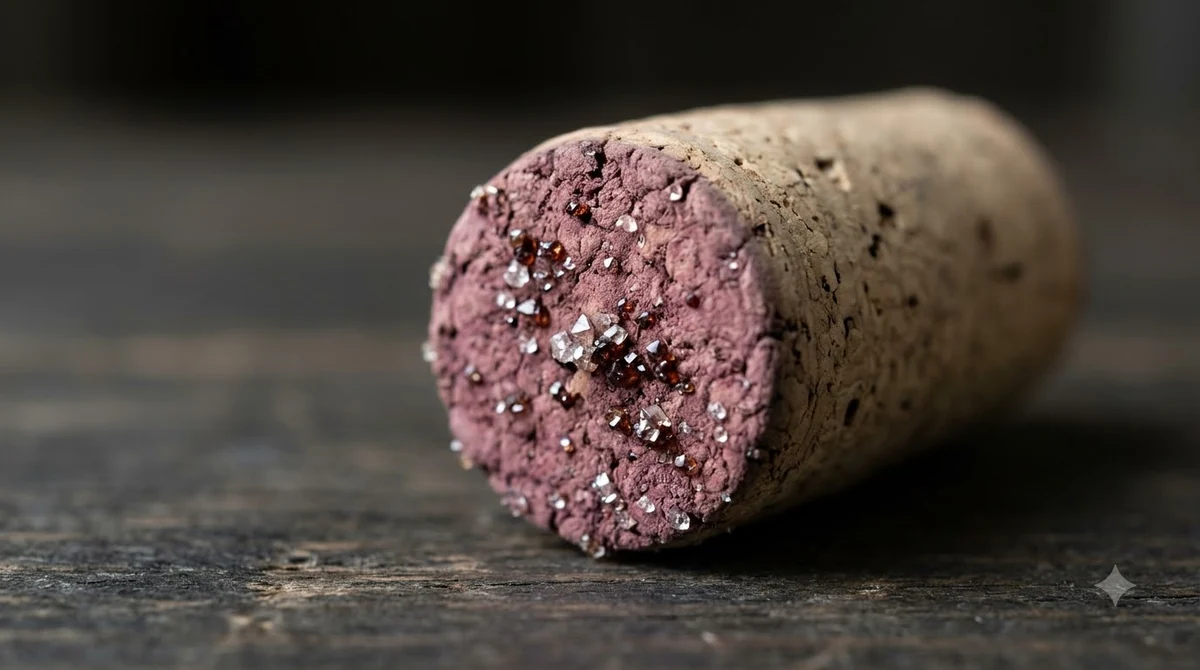
Aeration and storage habits matter even more with organic bottlings than with conventional reds. Standard “made with organic grapes” Malbecs open up nicely after 30 minutes in a decanter, softening youthful tannins and integrating oak spice. However, USDA-certified organic bottles made with zero added sulfites are far more sensitive to oxygen; taste a small splash upon opening rather than automatically decanting the whole bottle, and plan to enjoy them within two to three years of the vintage date. Once opened, recork the bottle tightly and keep it upright in a refrigerator or a dedicated storage unit—if you are weighing home storage setups, see our breakdown of how much is a wine cooler—to preserve freshness for three to four days.
Tip: If you buy a USDA-certified organic Malbec with zero added sulfites, store it consistently cool and skip long decanting—oxygen softens the wine quickly once the cork is pulled.
Food Pairings for Organic Malbec
Organic malbec pairs naturally with grilled red meats, roasted mushrooms, aged cheeses, and earthy spice rubs thanks to its plush fruit and moderate tannins. Unlike high-tannin Cabernet Sauvignon, its supple texture works smoothly alongside lean cuts and umami-rich vegetarian dishes without turning bitter.
In Argentina, Malbec is the classic companion to the traditional parrilla barbecue, where charred flank steak, skirt steak with herb-rich chimichurri, slow-roasted lamb, and grilled pork chops match the wine’s dark plum richness. Because Malbec avoids aggressive astringency, it also complements leaner proteins such as bison burgers, duck breast, and roasted dark-meat poultry. Savory herbs and warming spices—including cumin, smoked paprika, black pepper, rosemary, and thyme—echo the wine’s natural peppery undertones.
Plant-forward dishes and assertive cheeses offer equally rewarding matches. Roasted portobello mushrooms, grilled eggplant, black bean stews, and lentil dishes tap into the wine’s earthy core, while melted blue cheese on a burger or aged gouda on a charcuterie board highlights its ripe berry sweetness. If you are hosting a dinner and want a crisp, organically farmed starter before moving to red wine, pairing appetizers with organic cava sets a lively opening pace.
How to Choose a Quality Bottle
Shopping for organic malbec starts with reading the front and back labels for official third-party certification seals rather than vague marketing terms like “sustainable” or “eco-friendly.” Paying attention to elevation, oak aging, and vintage age ensures the bottle matches your palate and drinking timeline.
Look first for recognized certifiers on the label: the green USDA Organic seal indicates organic farming plus zero added sulfites, while the phrase “Made with Organic Grapes” paired with a certifier credit (such as Ecocert, Letis, Argencert, or CCOF) confirms organic vineyard practices with minimal sulfite additions. European imports from France will display the green EU organic leaf logo alongside a regional control code.
Next, match the bottle’s regional and cellar cues to the occasion, a habit covered in depth across our Wine Buying Guides. For an approachable, vibrant weeknight red, choose a recent vintage from Mendoza or Luján de Cuyo without heavy oak aging. For a richer, cellar-worthy dinner bottle, look for high-elevation Uco Valley sub-regions or “Reserva” designations aged 10 to 18 months in oak, where cooler mountain nights build the acidity and structure needed to carry complex barrel spice.
Frequently Asked Questions
Is organic malbec completely sulfite-free?
No wine is 100% sulfite-free because yeast naturally generates roughly 5 to 20 parts per million of sulfur dioxide during fermentation. In the United States, wine carrying the USDA Organic seal has zero added sulfites, whereas bottles labeled “made with organic grapes” may include up to 100 parts per million of added sulfites to preserve freshness.
Does organic malbec taste different from conventional malbec?
In blind tastings, certified organic malbec tastes virtually identical to conventionally farmed malbec from the same region and winemaking style. Organic certification governs synthetic chemicals and cellar additives rather than flavor formulas, though many growers note that healthy living soils help express cleaner fruit and sharper regional character.
How long can you age organic malbec?
Ageability depends largely on sulfite levels and tannin structure. Zero-added-sulfite USDA Organic bottlings are generally best enjoyed within two to four years of harvest before oxidation dulls their fruit, while structured “made with organic grapes” Reservas from high-altitude Mendoza or Cahors can age gracefully for five to ten years.
Is organic malbec automatically vegan and biodynamic?
Not necessarily, because organic certification only prohibits synthetic pesticides, chemical fertilizers, and certain synthetic cellar additives. Some organic rules still allow traditional animal-derived fining agents like egg whites or gelatin, while biodynamic wines follow stricter holistic farming calendars certified separately by organizations like Demeter.
Whether you reach for a bright, unoaked Argentine bottle for weeknight tacos or an oak-aged Uco Valley Reserva for weekend grilling, organic malbec delivers generous dark fruit backed by transparent vineyard stewardship. Checking the certification wording and serving the wine slightly below room temperature will bring out its best character in every glass.
More in Wine Buying Guides
 Riesling Gift: Choose a Bottle They’ll LoveUpdated Nov 21, 2026
 Sweet Red Wine Gift: Choose a Bottle They’ll LoveUpdated Nov 21, 2026
 Malbec Gift: How to Choose a Memorable Bottle for Any OccasionUpdated Nov 21, 2026
 Sherry Gift Ideas That Match Every Wine LoverUpdated Nov 21, 2026
 Moscato Gift: How to Choose a Sweet Wine They’ll LoveUpdated Nov 21, 2026
 Merlot Gift: How to Choose a Bottle They’ll AppreciateUpdated Nov 21, 2026