

We may earn a commission when you buy through links on this page, at no extra cost to you. Learn more.
Taittinger wine is a historic French Champagne produced in Reims, best known for a bright, Chardonnay-driven house style that emphasizes elegance, crisp citrus, and fine bubbles. Founded in 1734 and acquired by Pierre Taittinger in 1932, the estate remains one of the few major family-run Champagne houses, farming 288 hectares (about 712 acres) of estate vineyards across France’s Champagne region.
While many large Reims producers build their signature blends around the structural weight of Pinot Noir, Taittinger takes a distinctly lighter, more aromatic path. From its widely available Brut Réserve to its celebrated Comtes de Champagne Blanc de Blancs, every bottle reflects a commitment to freshness, chalky minerality, and extended cellar aging.
Who Makes Taittinger Wine
Champagne Taittinger is headquartered in Reims, France, and has been led since 2020 by Vitalie Taittinger, the daughter of former president Pierre-Emmanuel Taittinger. The house traces its winemaking lineage back to 1734, when Jacques Fourneaux established the original wine merchant business that Pierre Taittinger later purchased in 1932.
Unlike many peer houses owned by global luxury conglomerates, Taittinger stands out among Wine Brands for remaining family-led. After a brief corporate sale to Starwood in 2005, Pierre-Emmanuel Taittinger bought the Champagne house back in 2006 alongside supportive private shareholders, returning the estate to family stewardship.
A defining pillar of the producer’s quality is its extensive vineyard ownership. According to Decanter, Taittinger owns 288 hectares of vines—including premier sites in the Côte des Blancs—which supply roughly half of its total grape needs and carry France’s Haute Valeur Environnementale (HVE) sustainability certification. Beyond France, the family also produces sparkling wine at Domaine Carneros in California and Domaine Evremond in southern England.
The Taittinger Lineup and Key Cuvées
The Taittinger portfolio spans non-vintage staples, vineyard-specific releases, and rare vintage prestige cuvées, each highlighting a different facet of Champagne blending. Every wine in the lineup is crafted using the traditional method (méthode champenoise), in which secondary fermentation occurs inside the bottle to create natural effervescence.
| Cuvée | Primary Grapes | Style and Sweetness | Notable Characteristics |
|---|---|---|---|
| Brut Réserve | 40% Chardonnay, 35% Pinot Noir, 25% Pinot Meunier | Non-vintage Brut (dry) | Flagship blend sourced from over 35 crus; crisp, floral, and approachable |
| Prestige Rosé | Pinot Noir, Chardonnay, Pinot Meunier | Non-vintage Brut Rosé | Blended with roughly 15% still red wine for vibrant berry notes |
| Prélude Grands Crus | 50% Chardonnay, 50% Pinot Noir | Non-vintage Brut (dry) | Sourced exclusively from Grand Cru villages and aged five years in cellar |
| Les Folies de la Marquetterie | 55% Pinot Noir, 45% Chardonnay | Non-vintage Brut (dry) | Single-estate cuvée from Château de la Marquetterie; partially oak-aged |
| Comtes de Champagne Blanc de Blancs | 100% Chardonnay | Vintage Brut (dry) | Tête de cuvée produced only in top vintages from Côte des Blancs Grand Crus |
| Nocturne | Chardonnay, Pinot Noir, Pinot Meunier | Non-vintage Sec (off-dry) | Higher dosage crafted for evening sipping and lightly sweet desserts |
The house’s everyday calling card is Brut Réserve, which blends wines from more than 35 different villages and incorporates an unusually high proportion of Chardonnay (40%) for a non-vintage Champagne. That extra white-grape presence gives the wine its pale gold color and lifted aromatic profile right out of the gate.
At the pinnacle of the range sits Comtes de Champagne Grands Crus Blanc de Blancs, first created in 1952. As noted in VinePair’s guide to major Champagne houses, collectors prize this tête de cuvée for its pure expression of Grand Cru Chardonnay from the Côte des Blancs, produced solely in exceptional harvest years and aged for extended periods in Taittinger’s ancient chalk cellars beneath Reims.
Taste Profile and Winemaking Style
Taittinger wines are defined by a delicate, airy texture, vibrant citrus acidity, and subtle brioche complexity rather than heavy, muscular fruit. Because Chardonnay anchors the house style, even the multi-grape blends feel nimble and energetic across the palate.
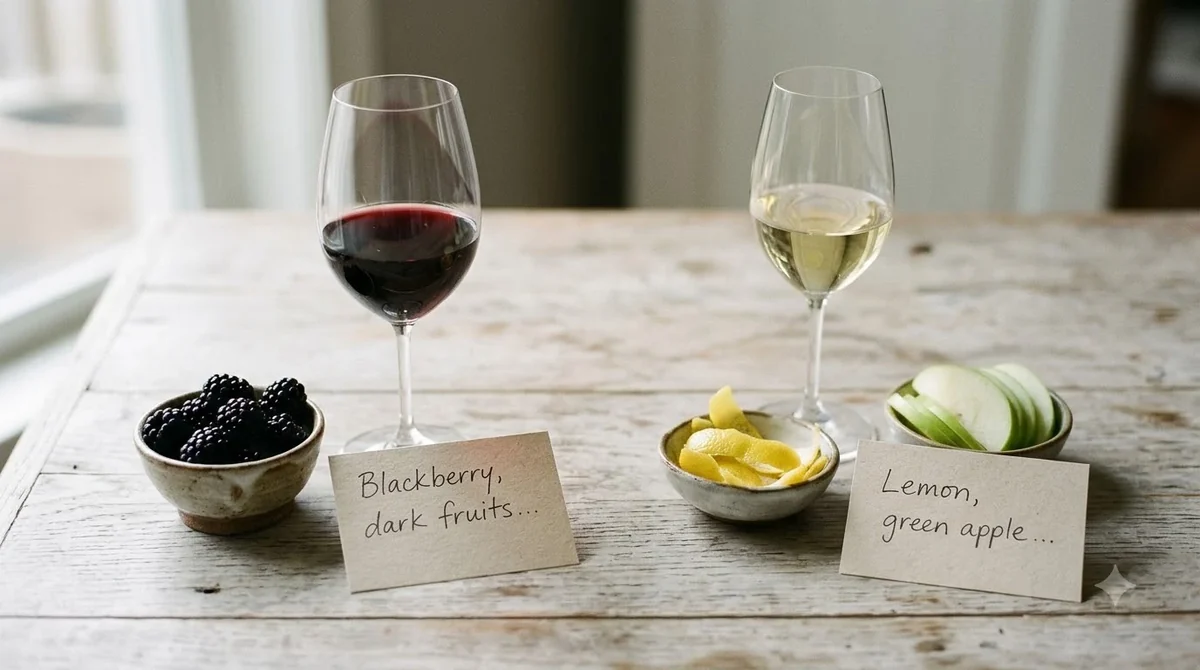
On the nose, Brut Réserve opens with white blossoms, green apple, lemon peel, and fresh peach, followed by gentle notes of warm bread dough and toasted almond from aging on the lees (spent yeast cells). On the palate, a fine, persistent stream of bubbles—known as the mousse—carries bright orchard fruit into a clean, dry, chalk-inflected finish.
The specialty cuvées build outward from that core aesthetic. Prestige Rosé adds lively crushed wild raspberry, strawberry, and rose petal aromas supported by a brisk, refreshing grip, while Les Folies de la Marquetterie introduces richer stone fruit, vanilla, and toasted brioche nuances from partial aging in large oak casks. Comtes de Champagne takes the house signature to its purest expression, layering laser-focused lemon curd, white flowers, and wet stone minerality that deepen into honeyed hazelnut over a decade or more of bottle age.
How to Serve and Pair Taittinger Champagne
Serving Taittinger at the proper temperature and in the right glassware preserves its delicate floral aromatics and fine effervescence. Chill bottles to between 45 and 50 degrees Fahrenheit (about 8 to 10 degrees Celsius)—roughly two to three hours in a standard refrigerator or 20 minutes in an ice-and-water bucket—before opening.
Rather than narrow, straight-sided flutes that trap aromas, pour Taittinger into a tulip-shaped sparkling wine glass or a standard white wine glass. The wider bowl gives the Chardonnay-led bouquet room to open up while concentrating the bubbles toward the rim. Always hold the cork firmly and twist the bottle slowly from the base so the pressure releases with a quiet sigh rather than a loud pop.
At the table, Taittinger’s crisp acidity and moderate body make it extraordinarily food-friendly:
- Brut Réserve and Prélude Grands Crus: Pair naturally with raw oysters, shrimp cocktail, sushi, scallops, gougères (cheese puffs), and lightly salted potato chips.
- Comtes de Champagne Blanc de Blancs: Complements delicate luxury seafood such as poached lobster, seared sea scallops, Dover sole, and mild triple-cream cheeses.
- Prestige Rosé: Stands up well to grilled salmon, duck breast, charcuterie boards, and fresh berry tarts that aren’t overly sugary.
- Les Folies de la Marquetterie: Matches richer dishes like roast chicken with herbs, veal, and creamy mushroom risotto.
Tip: Avoid pairing dry Brut Taittinger cuvées with heavily frosted cakes or ultra-sweet desserts, as high sugar on the plate makes dry Champagne taste sharp and sour; reach for the off-dry Nocturne cuvée instead.
Who Taittinger Wine Suits Best
Taittinger appeals most to drinkers who favor finesse, bright acidity, and aromatic lift over heavy, full-bodied sparkling wines. If you enjoy crisp white wines such as Chablis, dry Riesling, or unoaked Chardonnay, Taittinger’s Chardonnay-forward balance will feel immediately familiar and refreshing.
It is also a reliable choice for hosts and gift-givers looking for an internationally recognized Champagne house that remains approachable for newcomers while offering serious cellar depth for collectors. Whether you are contrasting classic French sparkling traditions with modern domestic blends like apothic brew, exploring everyday California pours such as main and vine wine, or branching into structured Italian reds like zenato wine, having a bottle of Taittinger on hand covers celebratory toasts and multi-course dinners alike.
Frequently Asked Questions
Is Taittinger a real Champagne?
Yes, Taittinger is an authentic Champagne produced exclusively in the Champagne region of northeastern France. Founded in 1734 and headquartered in Reims, the house crafts all of its French cuvées under strict Champagne appellation rules using the traditional bottle-fermented method.
How do you pronounce Taittinger?
In French, Taittinger is pronounced roughly “TET-ahn-zhay,” with a soft “zh” sound at the end rather than a hard “g.” While English speakers often say “TAY-tin-jer,” using the softer French pronunciation will sound natural at any wine shop or restaurant.
Is Taittinger Brut Réserve dry or sweet?
Taittinger Brut Réserve is a dry sparkling wine. In Champagne terminology, “Brut” indicates a low sugar dosage—typically around 9 grams per liter—so the wine tastes crisp, citrusy, and clean rather than sweet. If you prefer a slightly sweeter style, look for Taittinger Nocturne, which is bottled at a Sec sweetness level.
How long can you age a bottle of Taittinger?
Non-vintage bottles like Brut Réserve and Prestige Rosé are released ready to drink and generally keep well for three to five years in a cool, dark place. Vintage releases—especially Comtes de Champagne Blanc de Blancs—have the acidity and structure to develop gracefully for 10 to 15 years or longer in proper cellar conditions.
From its historic chalk cellars in Reims to its signature focus on aromatic Chardonnay, Taittinger delivers one of the most consistent and graceful expressions of French Champagne. Understanding the differences across its non-vintage blends, single-estate bottlings, and Grand Cru vintage cuvées makes it easy to pick the right bottle for any meal or milestone.
More in Wine Brands
 Underwood Wine Price: Compare Bottles, Cans, and Pack SizesUpdated Nov 21, 2026
 Zenato Wine Price: Compare Styles and Choose the Right BottleUpdated Nov 21, 2026
 Zuccardi Wine Price: Compare Bottles and Find the Right RangeUpdated Nov 21, 2026
 Yellow Tail Moscato Review: Taste, Sweetness and Serving TipsUpdated Nov 21, 2026
 Wolf Blass Yellow Label Review: Choose Your Best StyleUpdated Nov 21, 2026
 Wolffer Estate Rose Review: Choose the Right Bottle for Your TableUpdated Nov 21, 2026