

We may earn a commission when you buy through links on this page, at no extra cost to you. Learn more.
Sterling red wine is a broad portfolio of California red wines produced by Sterling Vineyards, a historic Napa Valley winery founded in 1964 in Calistoga. The lineup spans everyday California and Central Coast bottlings under the Vintner’s Collection label alongside structured Napa Valley, Reserve, and single-vineyard Cabernet Sauvignons. Most bottles feature classic Bordeaux grape varieties—led by Cabernet Sauvignon and Merlot—as well as cool-climate Pinot Noir, Cabernet Franc, and Petite Sirah.
Walking down a grocery or wine shop aisle, shoppers often spot the Sterling name on two very different tiers of bottles, which can make choosing the right style confusing. Understanding how the producer divides its vineyards, winemaking tiers, and flavor profiles helps clarify what is inside each glass before pulling the cork.
Who Makes Sterling Red Wine
Sterling Vineyards produces all Sterling red wine from its hilltop estate in Calistoga, at the northern end of California’s Napa Valley. Founded in 1964 by British businessman Peter Newton, the winery gained early fame for bottling California’s first vintage-dated Merlot in 1969 and for building the wine world’s only aerial gondola to carry visitors 300 feet above the valley floor.
When Peter Newton purchased a 50-acre parcel near Calistoga in 1964, most California winemakers treated Merlot strictly as a minor blending grape. Sterling broke from that convention with its inaugural 1969 vintage, releasing standalone varietal bottlings of Merlot, Cabernet Sauvignon, and Sauvignon Blanc. According to the Sterling Vineyards winery history, the estate’s white stucco architecture was modeled after the houses of Mykonos, Greece, placing hospitality and sweeping valley views at the center of the visitor experience.
Over the decades, Sterling changed corporate ownership several times—passing from Coca-Cola to Seagram and later Diageo before joining Treasury Wine Estates in 2016. Following damage from the 2020 Napa Valley Glass Fire, the winery underwent a comprehensive restoration and reopened in 2023 with upgraded winemaking facilities and a modernized aerial gondola. Today, under winemaker Lauren Kopit, the estate runs on renewable electricity while sourcing grapes both from prime Napa Valley AVAs and broader California coastal appellations.
Shoppers comparing major domestic Wine Brands will notice that Sterling operates on two tracks simultaneously. One track supplies nationwide retail shelves with approachable, fruit-driven California reds, while the other focuses on small-lot Napa Valley mountain and valley-floor releases aimed at collectors.
The Sterling Red Wine Lineup
The Sterling red wine portfolio is organized into distinct quality tiers ranging from everyday California table wines to single-vineyard Napa Valley collectibles. Knowing the label tier tells you immediately whether a bottle was crafted for casual weeknight drinking or long-term cellar aging.
At the entry level sits the Sterling Vintner’s Collection, which sources grapes primarily from California’s Central Coast and broader state appellations. This tier includes Cabernet Sauvignon, Merlot, Pinot Noir, and a Bordeaux-style Meritage blend. Designed for immediate drinkability, Vintner’s Collection reds see gentle oak influence and moderate alcohol—around 13.5% ABV for the California Cabernet Sauvignon—making them accessible pours for casual dinners.
Stepping up in concentration brings drinkers to the Napa Valley Appellation tier, which highlights fruit grown across Napa’s diverse microclimates, including Los Carneros for Pinot Noir and Calistoga for Petite Sirah and Cabernet Sauvignon. Above those sit the Reserve and Platinum bottlings, which blend top lots from mountain and benchland appellations such as Diamond Mountain District, Mt. Veeder, and Calistoga. For example, reviewers at Decanter note that the 2023 Sterling Vineyards Cabernet Sauvignon Reserve blends 89% Cabernet Sauvignon with small percentages of Malbec and Merlot to add mid-palate depth.
At the pinnacle of the winery’s red offerings are the Single Vineyard wines and the flagship Iridium Cabernet Sauvignon. Single-vineyard releases such as Yates Family Vineyard on Mt. Veeder, Sleeping Lady Vineyard, Petersen Ranch, and Clairmore Vineyard showcase site-specific Napa terroir, while Iridium ferments in a mix of concrete, French oak, and stainless steel before aging 18 months in new French oak barrels.
| Tier / Label | Primary Appellation | Key Red Varietals | Style & Aging Profile |
|---|---|---|---|
| Vintner’s Collection | California / Central Coast | Cabernet Sauvignon, Merlot, Pinot Noir, Meritage | Fruit-forward, medium-to-full body, gentle oak, ready on release |
| Napa Valley Series | Napa Valley, Carneros, Calistoga | Cabernet Sauvignon, Merlot, Pinot Noir, Petite Sirah | Richer concentration, structured tannins, 18 months oak on Merlot |
| Reserve & Platinum | Diamond Mountain, Mt. Veeder, Calistoga | Cabernet Sauvignon, Cabernet Franc | Dense dark fruit, layered spice, firm mountain structure |
| Single Vineyard & Iridium | Napa Valley Estate & Partner Sites | Cabernet Sauvignon | Small-lot, 18 months in new French oak, built for cellaring |
Taste Profile Across Varietals
Sterling red wines share a house style centered on ripe California fruit balanced by polished oak spice and integrated tannins. However, specific flavors and body weight shift noticeably depending on the grape variety and whether the fruit hails from cool coastal hills or warm northern Napa vineyards.

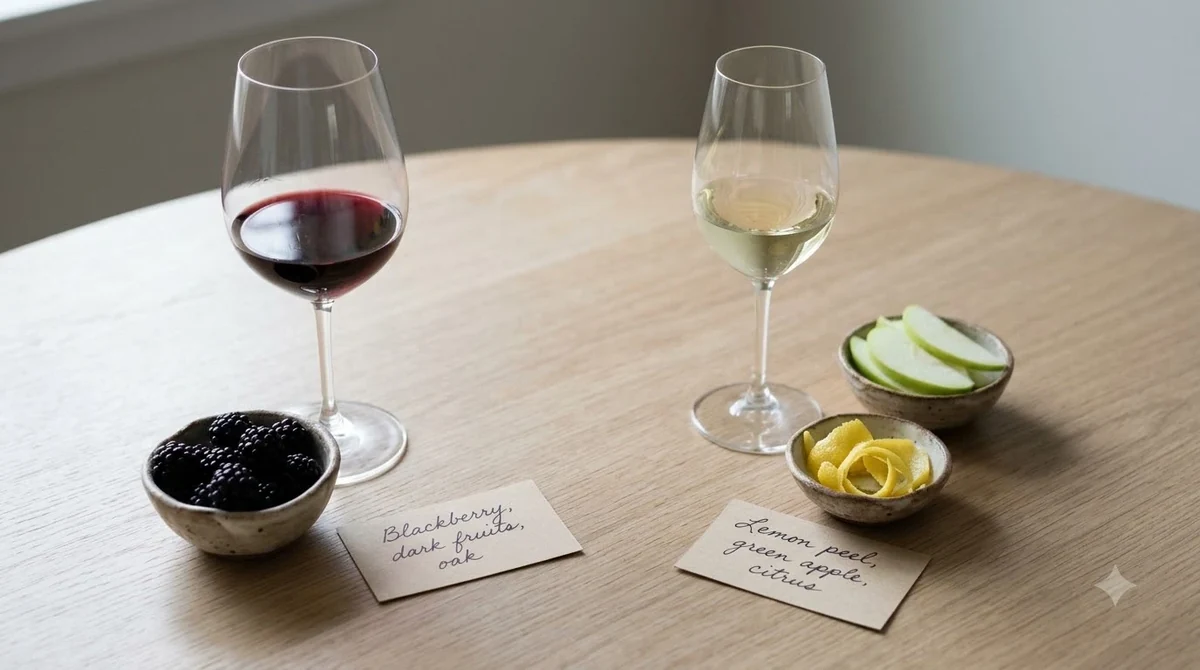
Cabernet Sauvignon serves as the backbone of the Sterling catalog. In the California and Vintner’s Collection bottlings, the producer describes layers of ripe black berry fruit, toffee, toasted oak, and subtle chocolate framed by smooth tannins. Moving into Napa Valley and mountain Reserve Cabernets—such as those from Diamond Mountain and Mt. Veeder—intensifies the profile toward blackberry, cassis, black plum, bitter cocoa, cedar, and hazelnut, supported by firmer, velvety grip.
Merlot and Meritage offer a plusher, rounder alternative for drinkers who prefer softer edges. Sterling’s Napa Valley Merlot spends 18 months in oak, developing aromas of ripe cherry, black plum, and cocoa with silky tannins. The Vintner’s Collection Meritage marries Cabernet Sauvignon with classic Bordeaux partners to highlight red cherry, cassis, tobacco leaf, and gentle baking spice. Readers who enjoy bold, fruit-driven red blends like apothic brew often find Sterling’s Vintner’s Collection reds familiar in ripeness, though Sterling leans drier and more traditional in oak structure.
Pinot Noir, Cabernet Franc, and Petite Sirah round out the red portfolio with distinct textural contrasts. Sourced from cooler zones like Los Carneros and the Central Coast, Sterling Pinot Noir is lighter-bodied with bright cranberry, red cherry, and brisk acidity. By contrast, Calistoga Petite Sirah delivers deep color and concentrated dark fruit, while Reserve Cabernet Franc brings aromatic herbal lift alongside dark berry richness.
How to Serve and Pair Sterling Red Wine
Serving Sterling red wine slightly below standard room temperature—between 55 and 60 degrees Fahrenheit—preserves its fresh fruit aromas and keeps alcohol from tasting sharp. Lighter styles like Pinot Noir shine near the cooler end of that range, while full-bodied Napa Cabernet Sauvignons open up best after 30 to 60 minutes in a decanter.
When pouring younger Vintner’s Collection bottles, a standard large-bowled red wine glass provides plenty of aeration without requiring extended decanting. For Reserve, Platinum, or single-vineyard Napa Valley Cabernets, decanting softens the youthful mountain tannins and releases secondary notes of cedar, graphite, and cocoa. If a bottle has been stored at warm kitchen temperatures, placing it in the refrigerator for 15 to 20 minutes before opening brings it right into the ideal serving window.
At the dinner table, matching the weight of the dish to the tier of the bottle yields the best results. Winemaker Lauren Kopit recommends pairing Sterling’s Pinot Noir with roast turkey, herb stuffing, mushroom dishes, and cranberry relish because its lively acidity cuts through savory holiday sides without overwhelming delicate poultry. Similarly, Sterling’s medium-bodied Merlot pairs naturally with roasted pork tenderloin, tomato-based pasta dishes, and mushroom flatbreads.
Heartier cuts of meat call for the structure of Sterling’s Cabernet Sauvignon and Petite Sirah. Grilled ribeye steaks, braised short ribs, beef bourguignon, and mushroom-and-blue-cheese burgers provide the fat and protein needed to balance dense Cabernet tannins. For dessert, the producer notes that Reserve Calistoga Cabernet Sauvignon’s dark fruit intensity holds up well alongside flourless chocolate cake, dark chocolate torte, or bittersweet chocolate truffles.
Tip: Chill any bottle of Sterling red wine in the fridge for 15 minutes before pouring—serving reds around 55 to 60 degrees Fahrenheit keeps ripe California fruit vibrant and prevents warm-room alcohol heat.
Who Sterling Red Wine Suits Best
Sterling red wine suits a wide spectrum of wine drinkers because its multi-tiered lineup bridges everyday supermarket accessibility and classic Napa Valley pedigree. Choosing the right bottle comes down to matching your occasion, flavor preference, and cellar plans to the appropriate tier.
Casual weeknight wine drinkers and hosts stocking up for dinner parties gravitate toward the Vintner’s Collection. Those who already enjoy dependable, everyday pours such as main and vine wine will appreciate how Sterling’s California Cabernet Sauvignon and Merlot deliver recognizable ripe berry flavors and smooth finishes without demanding hours of aeration.
On the other end of the spectrum, Napa Valley enthusiasts and collectors looking for age-worthy Cabernet Sauvignon benefit from exploring the Reserve, Platinum, and single-vineyard tiers. Drinkers who appreciate structured, oak-aged European reds like zenato wine often enjoy comparing Old World restraint against Sterling’s mountain-grown Napa Cabernets from Diamond Mountain and Mt. Veeder.
Frequently Asked Questions
Is Sterling red wine dry or sweet?
Sterling red wines are fermented dry, meaning virtually all grape sugar is converted into alcohol during winemaking. However, because California grapes ripen thoroughly in warm sunshine, the wines feature lush, ripe dark berry and vanilla-oak flavors that can give a perception of fruit sweetness on the mid-palate.
What is the difference between Sterling Vintner’s Collection and Sterling Napa Valley wines?
The main difference lies in grape sourcing, oak aging, and concentration. Vintner’s Collection wines blend fruit from broader California and Central Coast vineyards for an approachable, early-drinking style, while Napa Valley, Reserve, and Single Vineyard bottles use stricter vineyard selection and longer French oak aging for deeper structure and aging potential.
Which Sterling red wine is best for beginners?
Sterling Vintner’s Collection Merlot or Pinot Noir are the easiest starting points for newer red wine drinkers. Both bottlings feature softer tannins than mountain Cabernet Sauvignon, highlighting approachable cherry, plum, and gentle spice notes that pair easily with everyday meals.
How long can you age Sterling Cabernet Sauvignon?
Entry-level California and Vintner’s Collection Cabernets are crafted to be enjoyed within two to four years of the vintage date while their fruit is fresh. In contrast, Sterling’s Napa Valley Reserve, Platinum, and single-vineyard Cabernet Sauvignons have the tannic backbone and oak structure to develop gracefully in a cool cellar for 10 to 15 years or more.
From approachable Central Coast blends to mountain-grown Napa Valley Cabernets, Sterling red wine covers nearly every occasion on the red wine spectrum. Checking the appellation on the front label makes it easy to pick a bottle tailored to tonight’s dinner or a future celebration.
More in Wine Brands
 Underwood Wine Price: Compare Bottles, Cans, and Pack SizesUpdated Nov 21, 2026
 Zenato Wine Price: Compare Styles and Choose the Right BottleUpdated Nov 21, 2026
 Zuccardi Wine Price: Compare Bottles and Find the Right RangeUpdated Nov 21, 2026
 Yellow Tail Moscato Review: Taste, Sweetness and Serving TipsUpdated Nov 21, 2026
 Wolf Blass Yellow Label Review: Choose Your Best StyleUpdated Nov 21, 2026
 Wolffer Estate Rose Review: Choose the Right Bottle for Your TableUpdated Nov 21, 2026