

We may earn a commission when you buy through links on this page, at no extra cost to you. Learn more.
La vieille ferme red wine is an approachable, fruit-driven French red blend crafted by Famille Perrin in the Southern Rhône Valley. First introduced in 1970 and famously recognized by the pair of chickens illustrated on its label, this everyday table wine combines Carignan, Cinsault, Grenache, and Syrah into a soft, medium-bodied pour. Bottled around 13% to 13.5% ABV with gentle tannins and bright berry character, it is designed for effortless drinking alongside casual meals rather than long-term cellar aging.
Walking down the French aisle of nearly any neighborhood grocery store or wine shop in the United States, you are almost certain to spot a bottle sporting two farmyard birds on a clean, classic label. Often affectionately nicknamed “chicken wine” by casual shoppers and social media fans alike, this unpretentious bottle has quietly anchored American dinner tables for over five decades. Understanding what goes into the blend, how it is made, and how to serve it helps explain why this Southern Rhône staple remains one of the most reliable everyday reds on retail shelves.
Who Makes It
La Vieille Ferme—which translates from French to “The Old Farm”—is produced by Famille Perrin, the historic winemaking dynasty behind the renowned Châteauneuf-du-Pape estate Château de Beaucastel. Launched in 1970 and introduced to the American market a decade later in 1980, the brand was created to deliver an honest, fruit-forward, and consistent Southern Rhône table wine that could be enjoyed on any night of the week without formality.
While Château de Beaucastel represents the pinnacle of collectible, age-worthy Rhône winemaking, the Perrin family applies the same viticultural discipline and blending expertise to La Vieille Ferme Rouge. Rather than relying on a single estate vineyard, the family works as a dedicated négociant and grower, sourcing fruit from select parcels across the Southern Rhône Valley—particularly along the cooler slopes of Mont Ventoux. This higher-altitude sourcing gives the grapes natural acidity and aromatic freshness, balancing the warm Mediterranean sunshine of southern France.
In the cellar, Famille Perrin treats each grape variety separately so that every parcel can be harvested at its ideal phenolic ripeness. Once the grapes arrive at the winery, they are destemmed, crushed, and fermented in concrete tanks with gentle pumping over to extract color and bright fruit flavor without harsh bitterness. By avoiding heavy new oak barrel aging, the winemakers preserve the pure, primary berry character that defines the house style vintage after vintage. Among established Wine Brands available across the United States, few carry the same pedigree of a fifth-generation Rhône family backing an everyday bottle.
The Lineup
Although the red bottling is the flagship that started the label in 1970, La Vieille Ferme operates as a trio of core still wines—Rouge, Blanc, and Rosé—alongside larger-format options designed for gatherings. All three expressions share the signature pastoral label and focus on Southern Rhône grape varieties vinified for crispness, balance, and immediate drinkability.
The red wine, labeled as La Vieille Ferme Rouge, is built around the classic quartet of Southern Rhône red grapes: Grenache, Syrah, Carignan, and Cinsault. Historically, the blend leans heavily on Grenache—often making up roughly half of the cuvée—to provide plush red fruit and warmth, while Syrah adds dark berry depth and a subtle crack of black pepper. Carignan contributes structure, lively acidity, and deep ruby-purple color, and Cinsault rounds out the edges with floral aromatics and silky softness. Depending on the vintage and regional sourcing rules, bottles may carry either a Ventoux appellation designation or a broader Vin de France classification.
Beyond the standard 750-milliliter glass bottle—typically sealed under a convenient screwcap in the American market to keep the fruit vibrant—the lineup frequently appears in 1.5-liter magnums and three-liter boxed formats. As VinePair notes in its coverage of the brand, La Vieille Ferme has remained a fixture in American wine shops for half a century precisely because the entire range maintains a dependable, food-friendly profile. Shoppers who enjoy accessible, fruit-forward California staples like main and vine wine often appreciate seeing how a classic French producer approaches the exact same everyday table-wine philosophy.
| Bottling | Primary Grape Varieties | Core Flavor Profile | Best Occasion |
|---|---|---|---|
| La Vieille Ferme Rouge | Grenache, Syrah, Carignan, Cinsault | Red cherry, blackberry, dried herbs, black pepper | Weeknight roasts, burgers, pizza, and casual cookouts |
| La Vieille Ferme Rosé | Cinsault, Grenache, Syrah | Crushed strawberry, white peach, lemon zest, chalky finish | Warm afternoons, patio sipping, and light salads |
| La Vieille Ferme Blanc | Grenache Blanc, Bourboulenc, Ugni Blanc, Vermentino | Green apple, white pear, citrus blossom, crisp minerality | Seafood, soft cheeses, and herb-roasted poultry |
Taste Profile
In the glass, la vieille ferme red wine displays a bright, deep ruby-red hue with youthful violet reflections around the rim. It is unapologetically a fruit-driven, medium-bodied red wine built around freshness and approachability rather than heavy oak spice or grippy, mouth-drying tannins.
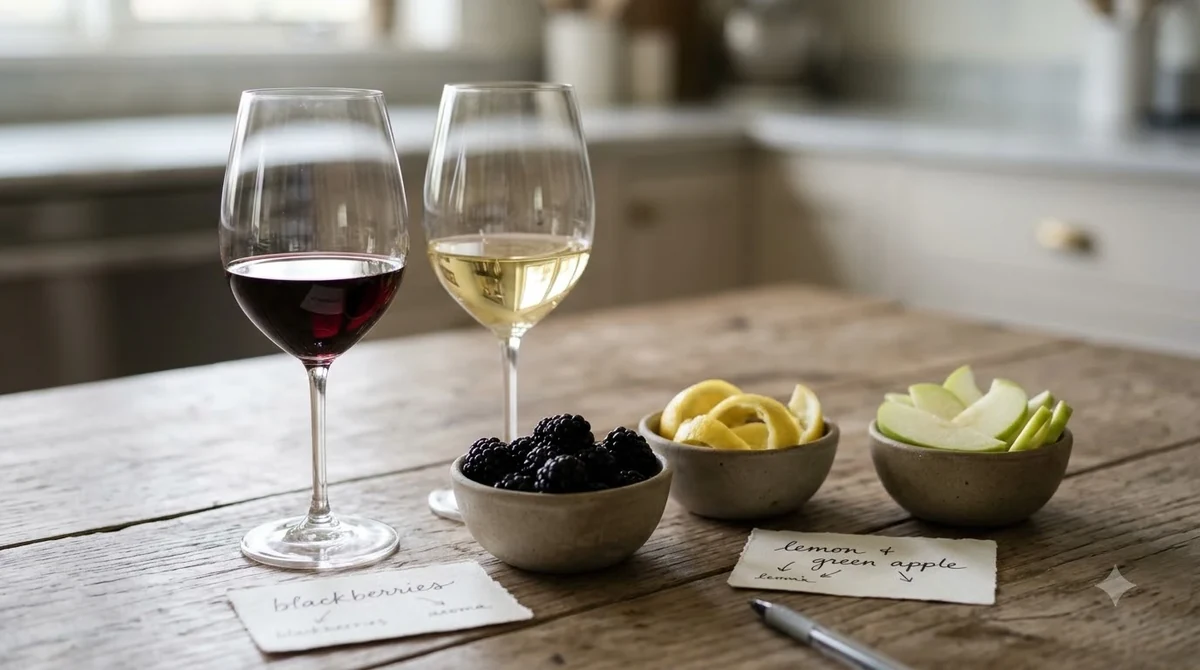
On the nose, the wine opens with an inviting burst of ripe red and black berries, led by wild cherry, raspberry, and blackcurrant. Underneath that primary fruit sits a subtle layer of Southern French savory character—think dried thyme, rosemary, and a gentle pinch of white and black pepper courtesy of the Syrah and Carignan in the blend. Because the wine ferments in neutral concrete tanks rather than charred oak barrels, you will not find heavy notes of vanilla, smoke, or toasted cedar masking the natural fragrance of the grapes.
On the palate, the texture is supple, round, and velvety, carrying flavors of freshly crushed cherries, blackberries, and ripe plums across the mid-palate. Reviewers at Wine Advocate and Wine-Searcher frequently highlight its juicy drinkability, noting that the soft, well-integrated tannins and brisk natural acidity keep each sip lively rather than heavy. At roughly 13% to 13.5% ABV, it carries enough body to satisfy fans of fuller reds while remaining light enough on its feet to finish clean, dry, and refreshing. If you normally gravitate toward richer, darker-styled blends like apothic brew, this French red offers a noticeably drier, brighter, and more savory counterpoint.
How to Serve and Pair
Because la vieille ferme red wine relies on bright fruit and crisp acidity rather than dense tannin, serving it slightly cooler than standard room temperature brings out its best qualities. The producer recommends serving the wine at 17°C (roughly 62°F to 63°F), which allows the cherry and berry aromatics to pop while keeping the finish brisk and refreshing.
If your bottle has been sitting in a warm kitchen at 72°F or higher, placing it in the refrigerator for 20 to 25 minutes before opening will bring it right into that ideal cellar-temperature sweet spot. You do not need to decant this wine for hours ahead of dinner; simply unscrewing the cap and pouring it into a standard medium-sized red wine glass gives the aromas plenty of room to open up within minutes. Once opened, recapping the bottle and storing it in the refrigerator will keep the fruit fresh and lively for two to three days.
At the dinner table, this wine shines as a versatile partner for everyday comfort food and rustic Mediterranean cooking. Its lively acidity cuts effortlessly through melted cheese and rich tomato sauces, making it a natural match for wood-fired pizza, baked ziti, and stuffed bell peppers. The subtle pepper and herbal notes in the blend also echo savory seasonings on roasted chicken—Famille Perrin famously pairs the wine with chicken cooked with 40 cloves of garlic—as well as grilled burgers, pork tenderloin, lamb stew, and a simple board of aged cheddar, Gouda, and cured charcuterie.
Tip: Give your bottle a quick 20-minute chill in the fridge before pouring—serving this red slightly cool around 62°F sharpens its bright cherry acidity and prevents the alcohol from feeling warm.
Who It Suits
La vieille ferme red wine is tailor-made for wine drinkers who want a dependable, dry, food-friendly red for casual weeknight dinners without overthinking vintage charts or formal tasting notes. It serves as an ideal entry point into Old World French wine for newcomers who might find structured Bordeaux or bold Cabernet Sauvignon too tannic or austere.
It also suits hosts planning relaxed gatherings, backyard barbecues, or pizza nights where guests have varied palates. Because the wine balances ripe, welcoming fruit with genuine French acidity and dry structure, it bridges the gap between crowd-pleasing smoothness and authentic regional character. Wine enthusiasts who enjoy classic European everyday reds—much like those who keep crisp Italian whites such as zenato wine on hand for spontaneous meals—will appreciate having a bottle or two of this Southern Rhône staple ready on the rack. Conversely, if you are seeking a high-tannin, heavily oaked, or cellar-worthy bottle meant for decades of bottle evolution, this youthful, fruit-forward blend is intentionally crafted for immediate enjoyment rather than long-term aging.
Frequently Asked Questions
Why is La Vieille Ferme called chicken wine?
Shoppers and social media users nicknamed La Vieille Ferme “chicken wine” because its front label features an illustration of two farmyard chickens. The artwork reflects the brand’s French name, which translates to “The Old Farm,” and celebrates its unpretentious, everyday table-wine heritage.
Is La Vieille Ferme red wine sweet or dry?
La vieille ferme red wine is a fully dry red wine with less than 1 gram per liter of residual sugar. While its ripe cherry, raspberry, and blackberry flavors give it a lush, fruit-forward impression on the palate, there is no added sweetness in the finish.
Does La Vieille Ferme red wine need to be aged?
No, this wine is crafted to be enjoyed young while its vibrant red fruit and fresh acidity are at their peak. Most vintages drink best within one to three years of release and do not benefit from long-term cellar aging.
What grapes are in La Vieille Ferme red wine?
The blend combines four traditional Southern Rhône red grape varieties: Grenache, Syrah, Carignan, and Cinsault. Grenache typically forms the fruity backbone of the wine, while Syrah, Carignan, and Cinsault add color, gentle spice, floral lift, and crisp acidity.
Backed by the winemaking heritage of Famille Perrin, la vieille ferme red wine has earned its place as an enduring staple of the American wine aisle by staying true to a simple formula: fresh Southern Rhône fruit, soft tannins, and zero pretension. Whether you are pairing it with a midweek roast chicken or pouring glasses for friends over pizza, this classic French red delivers reliable, food-friendly charm every time you twist off the cap.
More in Wine Brands
 Underwood Wine Price: Compare Bottles, Cans, and Pack SizesUpdated Nov 21, 2026
 Zenato Wine Price: Compare Styles and Choose the Right BottleUpdated Nov 21, 2026
 Zuccardi Wine Price: Compare Bottles and Find the Right RangeUpdated Nov 21, 2026
 Yellow Tail Moscato Review: Taste, Sweetness and Serving TipsUpdated Nov 21, 2026
 Wolf Blass Yellow Label Review: Choose Your Best StyleUpdated Nov 21, 2026
 Wolffer Estate Rose Review: Choose the Right Bottle for Your TableUpdated Nov 21, 2026