

We may earn a commission when you buy through links on this page, at no extra cost to you. Learn more.
Far niente white wine refers primarily to the flagship Napa Valley Chardonnay produced by Far Niente Winery in Oakville, California, alongside its sister late-harvest white blend called Dolce and a more approachable Chardonnay under the Post & Beam label. Founded in 1885 and restored in 1979, the estate built its white wine reputation on a signature winemaking choice: barrel-fermenting and aging its Chardonnay in French oak while deliberately blocking malolactic fermentation. That technique creates a rich, creamy texture balanced by bright, natural citrus acidity rather than heavy, buttery flavors.
Understanding the white wines from the House of Far Niente helps clarify what separates its flagship Napa Valley bottling from other California whites on the shelf. Whether you are evaluating a classic vintage for a dinner party or comparing different expressions from the estate’s portfolio, knowing how these wines are farmed, fermented, and served ensures you get the best glass every time.
Who Makes Far Niente White Wine
Far Niente Winery is an iconic Napa Valley estate located in Oakville, California, best known for its estate-bottled Cabernet Sauvignon and its flagship Napa Valley Chardonnay. Originally established in 1885 by John Benson and revived in 1979 by Gil and Beth Nickel, the winery takes its name from the Italian phrase dolce far niente, which translates to “the sweetness of doing nothing.”
Today, the broader House of Far Niente encompasses several distinct sister wineries across Northern California, including Nickel & Nickel, Bella Union, EnRoute, Post & Beam, and Dolce. Under the direction of winemaker Nicole Marchesi, the flagship Far Niente Napa Valley Chardonnay draws primarily from estate vineyards in Coombsville, a cool growing region at the base of the Vaca Mountains east of the city of Napa, as well as select coastal-influenced sites in Carneros.
While many shoppers lump all California producers together when browsing Wine Brands, Far Niente carved out a specific identity by treating white wine with the same cellar discipline as top-tier red Bordeaux varietals. Instead of chasing trends, the estate has maintained a consistent house style for over four decades, focusing on cool-climate Napa fruit, French oak fermentation, and extended aging on the lees.
The Lineup of Far Niente White Wines
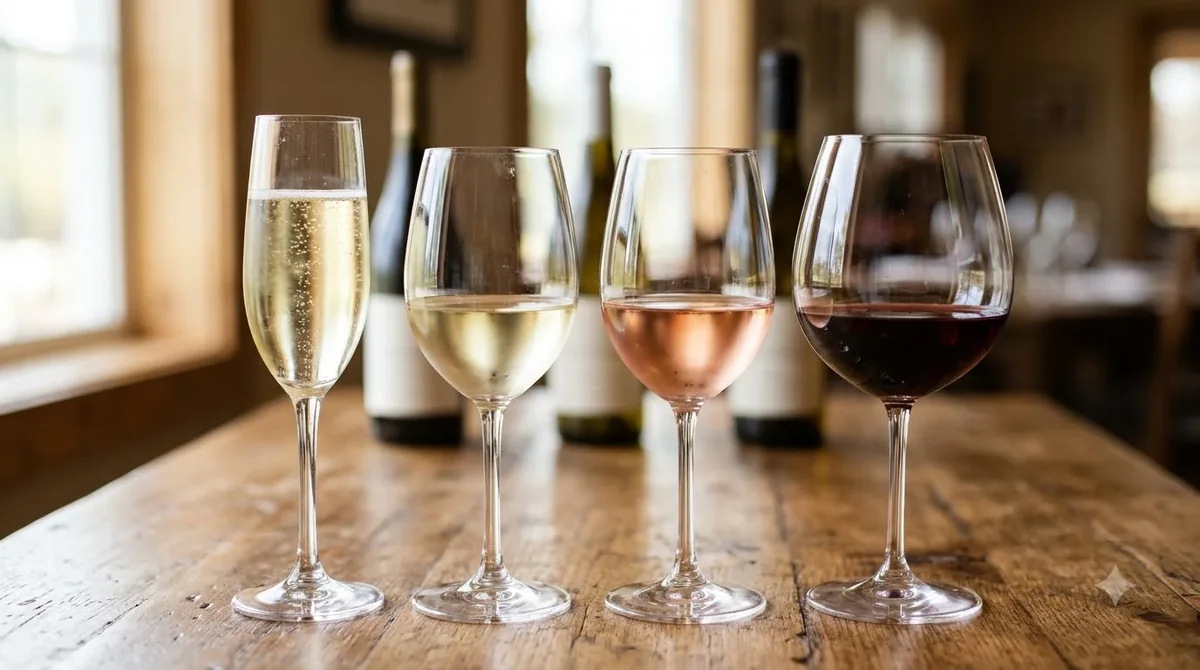
When shoppers ask for far niente white wine, they are usually looking for the flagship Napa Valley Chardonnay, though the House of Far Niente actually produces three distinct white expressions across its portfolio. Each bottle serves a different occasion, ranging from dry, structured table wines to an opulent, botrytis-affected dessert wine.
The centerpiece of the white portfolio is the classic Far Niente Chardonnay, Napa Valley, crafted from 100% Chardonnay grapes. According to the producer’s technical notes, recent vintages are fermented and aged sur lie for roughly 10 months in French oak barrels—typically a mix of around 43% to 52% new oak and the remainder once-used barrels—with an alcohol by volume (ABV) hovering near 14.3%. Because the winemaking team prevents malolactic fermentation, the wine retains crisp malic acidity even after ten months in wood.
For wine drinkers seeking a slightly fresher, earlier-drinking expression from the same winemaking team, the sister label Post & Beam produces a Napa Valley Chardonnay sourced largely from fog-cooled Carneros vineyards. Finally, Dolce represents the estate’s dedicated late-harvest white wine. Grown on a 20-acre vineyard in Coombsville and blended from Sémillon and Sauvignon Blanc grapes affected by noble rot (Botrytis cinerea), Dolce is aged in 100% new French oak and bottled in 375ml half-bottles as a California answer to French Sauternes.
| Wine Name | Grape Variety | Primary Subregion | Style & Aging |
|---|---|---|---|
| Far Niente Chardonnay | 100% Chardonnay | Coombsville & Carneros | Dry, full-bodied white; aged ~10 months sur lie in French oak without malolactic fermentation |
| Post & Beam Chardonnay | 100% Chardonnay | Carneros / Napa Valley | Dry, vibrant white; fermented in stainless steel and French oak for early approachability |
| Dolce Late Harvest | Sémillon & Sauvignon Blanc | Coombsville | Sweet dessert white; botrytis-affected grapes aged in 100% new French oak |
Taste Profile and Winemaking Style
Far Niente Chardonnay is defined by a deliberate tension between creamy, oak-driven weight and brisk, linear citrus acidity. Rather than tasting overly buttery or heavy, it opens with bright aromatics of lemon zest, white blossoms, honeysuckle, and ripe melon layered over subtle toasted hazelnut and wet stone.
That balance comes down to how the winery handles two critical cellar decisions: oak aging and malolactic fermentation. As explained in the Wine Folly Chardonnay guide, malolactic fermentation converts sharp malic acid (the acid found in green apples) into softer lactic acid (the acid found in milk), giving many California Chardonnays their classic creamy, buttery mouthfeel. Far Niente famously blocks malolactic fermentation entirely, preserving natural crispness while relying on barrel fermentation and lees stirring (bâtonnage) to build a silky, rounded mid-palate.
Reviewers at Wine Enthusiast and James Suckling frequently highlight flavors of Meyer lemon, grilled citrus, poached pear, and light green melon framed by vanilla, pastry, and toasted oak spices. If you typically prefer crisp Italian whites like zenato wine or lighter everyday pours such as main and vine wine, Far Niente Chardonnay will feel noticeably fuller and richer, yet its firm backbone of acidity keeps the finish clean and refreshing rather than cloying.
How to Serve and Pair Far Niente White Wine
To get the clearest expression of fruit, oak spice, and minerality, serve Far Niente Chardonnay lightly chilled rather than ice-cold. Pulling the bottle straight from a standard kitchen refrigerator will mute its aromatic complexity and emphasize the oak tannins, whereas letting it warm slightly in the glass allows the citrus oil and floral notes to open up.
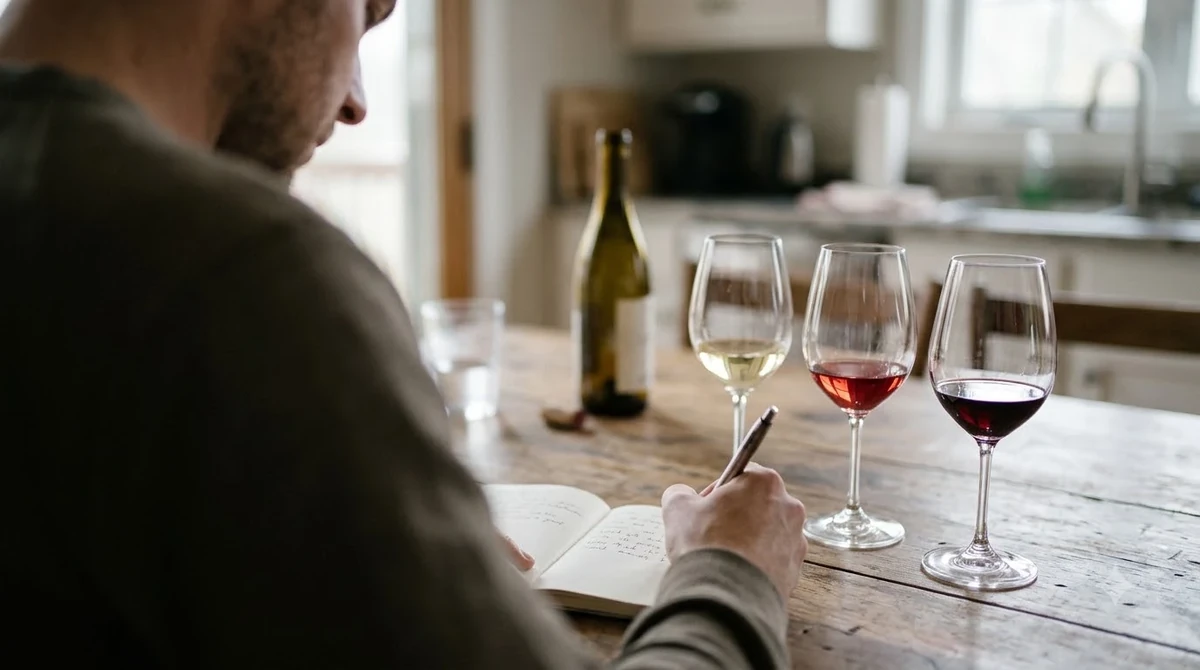
For full-bodied, oaked Chardonnays, wine guides recommend a serving temperature between 50°F and 55°F (10°C to 13°C). In practical terms, place the bottle in your refrigerator for about two hours before dinner, then set it on the counter for 15 to 20 minutes before pouring into a wide-bowled white wine glass. Older cellar vintages—Far Niente Chardonnay can age gracefully for five to ten years—also benefit from 15 to 30 minutes of aeration in a decanter.
At the dinner table, the wine’s combination of creamy texture and zesty acidity makes it a natural partner for rich seafood and poultry dishes. Classic pairings recommended by the winery and sommeliers include pan-seared sea scallops with lemon beurre blanc, butter-poached lobster or crab, herb-roasted chicken with garlic and thyme, and creamy Parmesan risotto. If you are pouring Dolce at the end of the meal, serve it well-chilled around 45°F alongside aged blue cheese, foie gras, or fruit tarts rather than overly sugary chocolate desserts.
Tip: If you store your white wine in a standard kitchen fridge (typically around 38°F), take Far Niente Chardonnay out 20 minutes before serving so it warms closer to 52°F and reveals its honeydew, hazelnut, and citrus blossom aromatics.
Who Far Niente White Wine Suits Best
Far Niente white wine is tailored for drinkers who appreciate classic, cellar-worthy Napa Valley Chardonnay with structure, polish, and aging potential. It appeals both to fans of traditional California whites and to Old World Burgundy drinkers who normally shy away from heavily buttered, low-acid domestic bottlings.
Because the winery avoids malolactic fermentation, this bottle bridges the gap between two camps of white wine lovers. Drinkers who love the richness of French oak barrels get the roundness, subtle vanilla, and toasted hazelnut notes they expect from a luxury Napa Valley white, while acid-driven wine fans get the clean, mouthwatering finish needed to pair with multi-course meals. Even if your usual weeknight rotation leans toward bold red blends or casual crossover bottles like apothic brew, keeping a bottle of Far Niente Chardonnay on hand gives you a dependable centerpiece for holiday dinners, celebratory seafood meals, and milestone gifts.
Collectors also gravitate toward Far Niente because of its track record in the cellar. While most California white wines are meant to be consumed within two or three years of release, the combination of high natural acidity and French oak aging allows Far Niente Chardonnay to evolve in bottle, gradually trading fresh citrus zest for deeper notes of marzipan, honey, and toasted brioche.
Frequently Asked Questions
Is Far Niente white wine sweet or dry?
The flagship Far Niente Napa Valley Chardonnay and the sister Post & Beam Chardonnay are both completely dry white wines. Only Dolce, the estate’s specialized late-harvest blend of Sémillon and Sauvignon Blanc made from botrytis-affected grapes, is a sweet dessert wine.
Is Far Niente Chardonnay oaky or buttery?
Far Niente Chardonnay is fermented and aged for about 10 months in French oak barrels, giving it subtle notes of toasted oak, vanilla, and hazelnut. However, because the winery blocks malolactic fermentation, it tastes crisp and citrus-driven rather than heavily buttery.
What is the alcohol content of Far Niente Chardonnay?
According to producer and retailer technical specifications, recent vintages of Far Niente Napa Valley Chardonnay typically sit around 14.3% ABV. Despite the full-bodied alcohol level, the wine’s naturally high acidity keeps the palate balanced and lively.
How long can you age Far Niente Chardonnay?
While delicious upon release, Far Niente Chardonnay is built to age in a cool, dark cellar for 5 to 10 years. Over time, its bright Meyer lemon and green melon flavors soften into richer notes of baked apple, marzipan, and toasted brioche.
Whether you choose the flagship Napa Valley Chardonnay for a special dinner or explore Dolce alongside a dessert course, Far Niente offers a distinct, acid-driven take on California winemaking. Serving the bottle at the right cellar temperature lets every layer of cool-climate Napa fruit and French oak shine in the glass.
More in Wine Brands
 Underwood Wine Price: Compare Bottles, Cans, and Pack SizesUpdated Nov 21, 2026
 Zenato Wine Price: Compare Styles and Choose the Right BottleUpdated Nov 21, 2026
 Zuccardi Wine Price: Compare Bottles and Find the Right RangeUpdated Nov 21, 2026
 Yellow Tail Moscato Review: Taste, Sweetness and Serving TipsUpdated Nov 21, 2026
 Wolf Blass Yellow Label Review: Choose Your Best StyleUpdated Nov 21, 2026
 Wolffer Estate Rose Review: Choose the Right Bottle for Your TableUpdated Nov 21, 2026