

We may earn a commission when you buy through links on this page, at no extra cost to you. Learn more.
Unshackled wine is a California brand from The Prisoner Wine Company, a line of blends known for bold label designs and wines that bend the usual rules. The brand sits in the same portfolio as The Prisoner, SALDO, and Blindfold, and its listings cover red and white wines, with a sparkling category in the menu. Its wines are grown across California regions such as the Central Coast and Santa Ynez Valley, so the range reflects the state’s varied climates rather than one estate.
This guide explains where Unshackled comes from, how the brand is organized, what its main styles are, and how to serve and pair the wines. It also covers how a brand built on blends and label design differs from a single-estate winery, so you can judge whether the wines suit your taste.
Where Unshackled comes from
Unshackled belongs to The Prisoner Wine Company, which is part of the wider Constellation Brands portfolio. The company’s first wine, The Prisoner, was released about two decades ago as a complex blend of California grape varieties. The brand’s approach was unusual at the time, because it focused on blending grapes from different sources instead of showcasing one vineyard.
Over the years the company has grown to include several labels, and Unshackled is one of them. The Prisoner Wine Company describes its portfolio as rule-bending blends with provocative label designs, and it has earned a cult following among drinkers who enjoy a bold bottle. Unshackled is part of that family of brands, which means it shares the company’s focus on blending and presentation.
How the brand is organized
Unlike a traditional estate winery that tells the story of one vineyard, a brand like Unshackled is built around a style and a look. The wines are designed to be approachable and easy to share, and the packaging does much of the work of identifying the product on the shelf. That matters for shoppers who want a consistent taste profile from one bottle to the next.
The lineup is organized by color and style. The producer’s listings include red wines such as Cabernet Sauvignon, Pinot Noir, and a red blend, a white Sauvignon Blanc, and gift sets, and its menu also shows a sparkling category, though I could not confirm a specific sparkling bottling on the page. Each vintage can vary in its grape sources, and the producer lists different regions for different bottlings, such as the Central Coast for one Cabernet and Santa Ynez Valley for another.
| Style | Examples in the current lineup | What to expect |
|---|---|---|
| Red | Cabernet Sauvignon, Pinot Noir, Red Blend | Ranges from fruit-forward to structured, depending on the blend |
| White | Sauvignon Blanc | Crisp, fresh, and easy with light food |
| Gift sets | Bottle combinations for presents | Convenient for a host or a holiday |
Red wines in the Unshackled range
The red side of the lineup is where the brand’s blending philosophy shows most clearly. A Cabernet Sauvignon is typically structured and built for food, with firm tannins and dark fruit. A Pinot Noir is lighter and more delicate, with red fruit and a silkier texture. A red blend combines several varieties to build a wine that is rounder and easier to drink than a single-grape bottle.
Because each bottling draws grapes from different sources, the exact character changes from one release to the next. If you find a bottle you like, buy it again only after checking the vintage and region on the label. That habit helps you understand how a blended brand changes over time and keeps your expectations realistic.
Tip: Red blends are often easier to match with food than a single bold varietal. Start with a simple meal, such as roast chicken or burgers, and adjust the pairing from there.
The white style
Sauvignon Blanc is the most direct white in the range. Good versions of this grape are fresh and herbal, with citrus and green notes and a clean finish. It suits salads, seafood, goat cheese, and light pasta. Serve it well chilled, but not ice cold, so the aromas stay open.
Shoppers who buy a white for brunch or a casual dinner will find it easy to serve. Keep any opened white sealed in the refrigerator and finish it within a few days, since oxidation dulls its fresh character over time.
How to serve and pair Unshackled wines
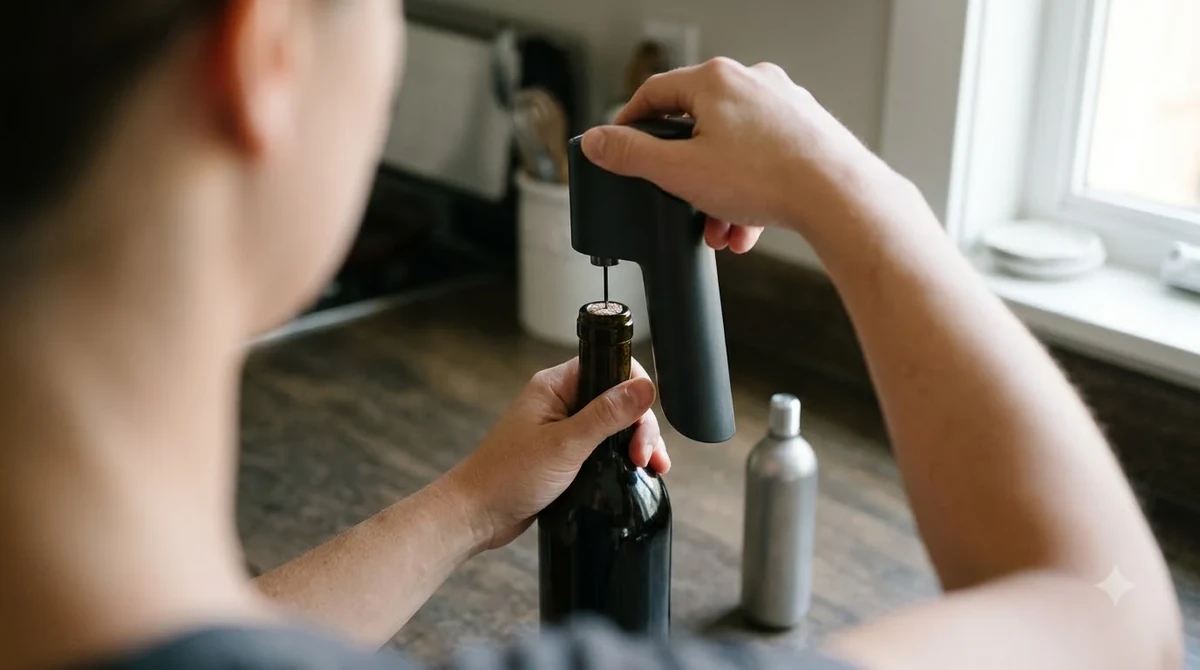
Serve red wines slightly below room temperature rather than warm. A short time in the fridge before dinner works well for a fuller red, while a lighter red such as Pinot Noir benefits from a little more chill. Open reds about 30 minutes before serving to let the aromas develop, and pour white wine straight from the fridge.
For food, match the weight of the wine to the weight of the dish. A Cabernet-led red suits grilled meat, mushroom dishes, and aged cheeses. A Pinot Noir works with salmon, roast chicken, and earthy vegetables. Sauvignon Blanc pairs with fresh herbs, lemon, and shellfish, while a fresh white can also handle eggs and soft cheeses.
How Unshackled compares with other brands
Shoppers who like Unshackled often compare it with other brands that focus on bold packaging and approachable blends. The main difference between brands is how they source their fruit. Some focus on one vineyard, while others, like Unshackled, rely on a mix of regions to build a consistent style. Neither approach is better in general; the right choice depends on whether you value a single place or a reliable house style.
For a different kind of wine experience, consider a single-estate winery such as spottswoode wine, where the vineyard and winemaker define the character of the bottle. If you prefer a sweeter, easy-drinking red, stella rosa red is a common choice, though its style differs from the dry blends in Unshackled’s range.
Buying tips for a blended brand
Read the back label before you buy. It lists the region, the vintage, and often the grape blend, which helps you predict the style. If you are buying for a group, a mixed pack lets everyone try a red, a white, and a sparkler without committing to one bottle. Gift sets are useful for hosts, but check the contents first to make sure the wines match the recipient’s taste.
Storage matters for every style of wine. Keep bottles out of direct sun and away from heat, and store reds on their side if they have natural corks. White wine should stay cool until serving. A wine that has been left hot in a car or a warm room will taste flat or dull even if the blend is well made.
Frequently Asked Questions
Who makes Unshackled wine?
Unshackled is a brand within The Prisoner Wine Company, which is part of the Constellation Brands portfolio. It is not a separate estate winery with its own vineyard.
What kinds of wine does Unshackled make?
The current listings include red wines such as Cabernet Sauvignon, Pinot Noir, and a red blend, a white Sauvignon Blanc, and gift sets.
Is Unshackled a single-varietal wine?
Not always. Some bottlings are single-varietal, such as Cabernet Sauvignon or Pinot Noir, while others are blends. Check the label to see which grapes are in the bottle.
What food goes well with Unshackled red wine?
A Cabernet-led red suits grilled meat and aged cheese, while Pinot Noir pairs with salmon, roast chicken, and earthy vegetables. Match the wine’s weight to the dish.
Unshackled is a clear example of a brand built on blends, bold design, and a consistent house style rather than one vineyard. If you want approachable wines with a distinctive look, it is worth trying a few styles from the range. Read more about how producers build their brands in the wine brands guide, and check the Unshackled page on The Prisoner Wine Company site for the current lineup.
More in Wine Brands
 Underwood Wine Price: Compare Bottles, Cans, and Pack SizesUpdated Nov 21, 2026
 Zenato Wine Price: Compare Styles and Choose the Right BottleUpdated Nov 21, 2026
 Zuccardi Wine Price: Compare Bottles and Find the Right RangeUpdated Nov 21, 2026
 Yellow Tail Moscato Review: Taste, Sweetness and Serving TipsUpdated Nov 21, 2026
 Wolf Blass Yellow Label Review: Choose Your Best StyleUpdated Nov 21, 2026
 Wolffer Estate Rose Review: Choose the Right Bottle for Your TableUpdated Nov 21, 2026