

We may earn a commission when you buy through links on this page, at no extra cost to you. Learn more.
Segura Viudas Brut is a dry Spanish cava, a sparkling wine made by the traditional method in the Penedès region near Barcelona. The winery is based in Torrelavit, and its Brut is the everyday cava that many shoppers choose for toasts, brunch, and light meals. Cava is usually lighter and more acidic than Champagne, so it works well with food and costs less per bottle.
This guide explains where Segura Viudas comes from, how a Brut cava is made, what to expect in the glass, and how to serve and pair it. It also covers how the winery fits into the wider cava category, so you know what the label means before you buy.
Who makes Segura Viudas and where it comes from
Segura Viudas is a Spanish winery in Torrelavit, in the Penedès wine region of Barcelona, and it specializes in cava. The company says its origins can be traced back to the 11th century, which makes it one of the older names in Catalan wine. In 2018 it received organic farming certification from the Catalan Council of Organic Agricultural Production, a sign that the estate’s vineyard work follows organic rules.
Penedès is the heart of cava production. Most of the category comes from this area, and many of the largest producers are in and around Sant Sadurní d’Anoia. Because the region is close to the coast and the city of Barcelona, cava houses have long been part of the local food and drink culture.
What makes a Brut cava
Cava is a Spanish sparkling wine with Denominación de Origen status. Only wines made by the traditional method can carry the word cava on the label. In this method, the second fermentation happens inside the bottle, which creates the fine bubbles and the toasty, yeasty character that many people enjoy. Other sparkling wines from Spain are labeled as sparkling wine rather than cava.
The grapes used in most cava are native Spanish varieties. Macabeo, Parellada, and Xarel-lo are the most popular and traditional, and Chardonnay and Malvasia are also permitted. Red grapes such as Garnacha, Monastrell, Trepat, and Pinot Noir are allowed for rosé and red styles. A Brut cava is usually a blend built around these white grapes, and the blend is what gives the wine its fresh, dry profile.
Sweetness levels in cava run from dry to sweet, and Brut sits near the dry end. Brut generally means no more than about 12 grams of residual sugar per liter. That is why the wine tastes crisp rather than sugary, and why it works with salty, fatty, and spicy food.
| Feature | What it usually means for a Brut cava |
|---|---|
| Region | Penedès, Catalonia, Spain |
| Method | Traditional method, with the second fermentation in the bottle |
| Typical grapes | Macabeo, Parellada, Xarel-lo, sometimes Chardonnay |
| Sweetness | Dry, usually up to about 12 grams of sugar per liter |
| Alcohol | Around 10 to 11.5 percent ABV, lighter than most still wines |
What to expect in the glass
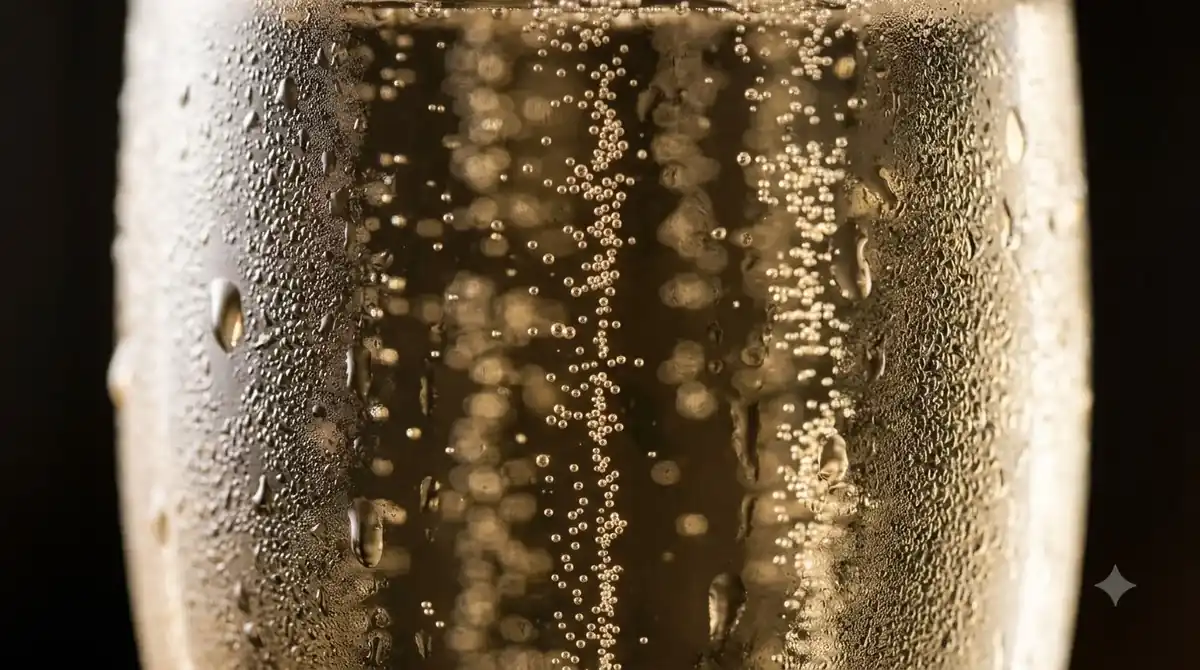
A well-made Brut cava is dry, light-bodied, and lively, with high acidity that keeps it fresh. Expect citrus, green apple, and a hint of bread or almond from the time spent on the yeast. The bubbles are usually fine and steady, and the finish is clean rather than heavy.
Compared with Champagne, cava often tastes fruitier and less toasty, because the grapes and climate of Penedès are different. Compared with Prosecco, a cava Brut tends to have more structure and a drier finish, which some drinkers prefer for food. Tasting notes vary by vintage and by producer, so the best approach is to compare a few bottles side by side.
Tip: If a bottle tastes flat, check the seal and the storage history. Sparkling wine loses its lift when it is kept hot or opened and left out for days.
How to serve Segura Viudas Brut
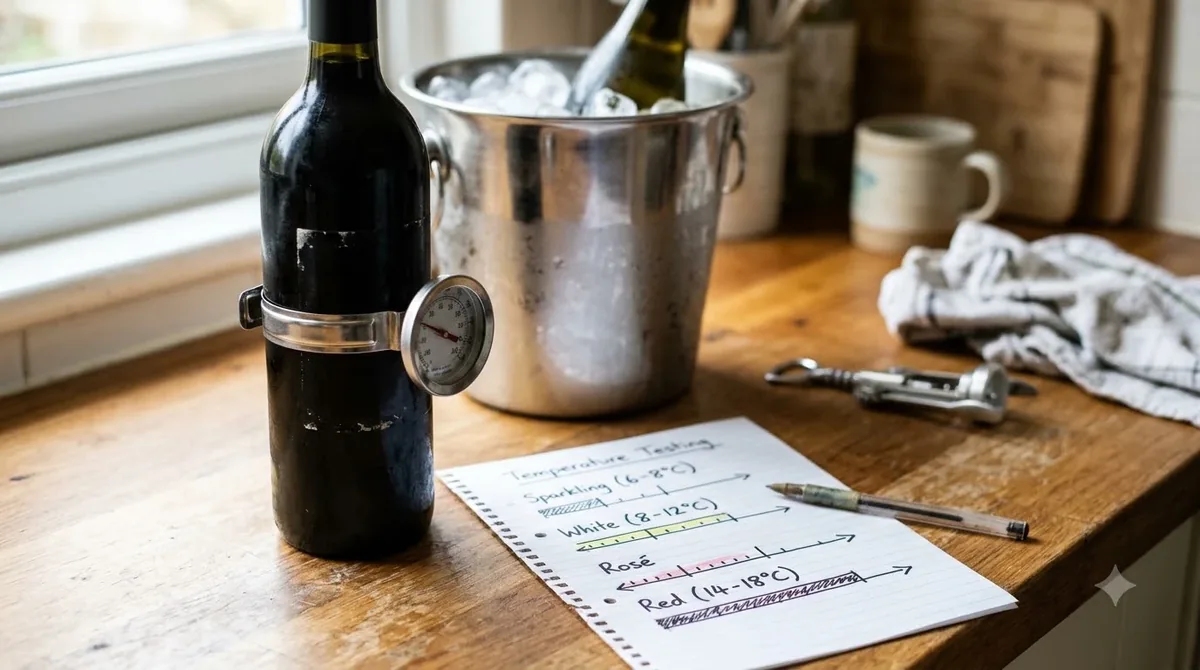
Serve the wine well chilled, in the range of about 38 to 45 degrees Fahrenheit (3 to 7 degrees Celsius). At that temperature the acidity feels crisp and the bubbles stay lively. A standard white wine glass or a flute both work. A flute keeps the bubbles visible, while a wider glass lets you smell the yeast and fruit more easily.
Open the bottle slowly and pour in two stages to limit foam. Cava does not need decanting, and it can be kept for a few days with a proper stopper in the fridge. For longer storage, a cool, dark cellar is better than the kitchen counter, though cava is designed to be drunk young rather than aged for many years.
Food pairings that suit a Brut cava
Cava’s acidity and dryness make it a strong match for tapas and small plates. Olives, fried almonds, cured ham, grilled shrimp, and manchego all work well. Paella is a classic partner, and the wine also handles fried foods and salty snacks that would overpower a lighter white.
Brut cava is also a good choice for brunch. It pairs with eggs, smoked salmon, and soft cheeses, and its bubbles cut through rich sauces. For dessert, a Brut is usually too dry, so save a sweeter sparkling wine for sweet courses and keep Brut for the savory part of the meal.
Reading the label and choosing a bottle
When you pick a cava, read the label for three things: the word cava, the sweetness level, and the vintage or bottling date if it appears. The word cava confirms that the wine was made by the traditional method in an approved region. The sweetness term tells you whether the wine will taste dry or softer. Brut is the most common choice for people who want a dry glass, while Brut Nature and Extra Brut are drier still.
Storage also matters for a sparkler. Keep the bottle out of direct sun and away from heat sources, and store it on its side only if the cork is natural, since that keeps the cork moist. A bottle that has been stored hot or shaken on the way home is more likely to taste flat or dull, even if the wine itself is well made.
How Segura Viudas compares with other sparkling choices
Shoppers often compare cava with Champagne and Prosecco. Champagne is made in France and usually costs more, while Prosecco from Italy is typically fruitier and lighter. Cava sits between them in many ways: it has more savory character than Prosecco but costs less than most Champagne. For a sweeter, lower-alcohol option, some drinkers prefer a fruit-forward red such as stella rosa red, though that is a still wine rather than a sparkler.
If you want to explore other Spanish and European wines, the wine brands guide is a good starting point. It shows how producers build a range around one style and one region, which helps you judge whether a brand like Segura Viudas suits your taste.
Frequently Asked Questions
Is Segura Viudas Brut the same as Champagne?
No. Champagne is made in France, while Segura Viudas Brut is a cava from Spain. Both use the traditional method, but the grapes, climate, and typical flavor differ.
What does Brut mean on a cava label?
Brut is a dry style. It usually contains no more than about 12 grams of residual sugar per liter, so the wine tastes crisp rather than sweet.
How should I serve Segura Viudas Brut?
Chill it to about 38 to 45 degrees Fahrenheit and serve it in a flute or a white wine glass. Pour slowly to limit foam.
What foods go well with a Brut cava?
Tapas, paella, fried snacks, eggs, and soft cheeses all pair well. Its acidity cuts through fat and salt, which is why it suits savory dishes more than desserts.
Segura Viudas Brut is a practical, food-friendly cava from a winery with a long local history. If you want a dry sparkling wine that is lighter than Champagne and easy to pour for a crowd, it is worth a try. Read more about how producers build their ranges in the wine brands guide, and check the Wine Folly cava guide for more background on the category.
More in Wine Brands
 Underwood Wine Price: Compare Bottles, Cans, and Pack SizesUpdated Nov 21, 2026
 Zenato Wine Price: Compare Styles and Choose the Right BottleUpdated Nov 21, 2026
 Zuccardi Wine Price: Compare Bottles and Find the Right RangeUpdated Nov 21, 2026
 Yellow Tail Moscato Review: Taste, Sweetness and Serving TipsUpdated Nov 21, 2026
 Wolf Blass Yellow Label Review: Choose Your Best StyleUpdated Nov 21, 2026
 Wolffer Estate Rose Review: Choose the Right Bottle for Your TableUpdated Nov 21, 2026