

We may earn a commission when you buy through links on this page, at no extra cost to you. Learn more.
Beringer wine comes from Beringer Vineyards, a St. Helena winery in California’s Napa Valley that dates to 1876 and is widely described as the oldest continuously operating winery in the valley. Its lineup runs from everyday varietals to single-vineyard and reserve bottlings, with Cabernet Sauvignon, Merlot, and Chardonnay among the core styles. The brand has changed hands several times, but its Napa roots and long history remain the center of its identity.
Beringer is one of the most familiar names in American wine, yet many shoppers are not sure what sets its bottles apart or which one to pick. This guide covers the winery’s history, how its wines are organized into tiers, the flavor profiles you can expect, how to serve them, and which dishes match them well. It is written to help you choose a bottle that fits your taste and your budget without relying on hype.
The history behind Beringer
The winery’s founding is usually given as 1876, and the company’s own materials describe it as California’s oldest continually operating winery. The name traces to the Beringer brothers, whose original Napa operation became a landmark of the valley. The winery was among the first in California to reopen to visitors after Prohibition, offering public tours and tastings in 1934, which helped establish its reputation as a place to learn about wine. Beringer’s own website describes the estate on Main Street in St. Helena as the longest continuously operating winery in Napa, which fits the same story of an early winery that kept going through changes in ownership.
Ownership has changed over the decades. The Beringer family sold the business to Nestlé in 1971, and in 1996 Nestlé sold it to a group led by Texas Pacific Group. Foster’s Group owned the winery from 2000 to 2011, and it is now part of Treasury Wine Estates. Those transitions shaped the brand’s distribution and pricing, but the winery’s St. Helena base has stayed in place. The Beringer Vineyards article on Wikipedia covers this timeline in more detail.
How Beringer’s wines are organized
Beringer organizes its bottlings into tiers, which is the easiest way to understand the lineup. The core range covers approachable everyday wines built on widely grown varietals. Above that sit single-vineyard bottlings, which name one specific site and aim to show how a plot’s soil and climate shape the fruit. At the top are reserve and Private Reserve wines, made in smaller quantities from selected barrels.
The company also works with Knights Valley, a neighboring appellation north of Napa, where it has released Cabernet Sauvignon and red blends in recent years. That gives buyers a way to compare Napa-style structure with a slightly different growing area, all from one producer.
| Tier | What it is | Typical varietals |
|---|---|---|
| Core range | Approachable everyday wines | Cabernet Sauvignon, Merlot, Chardonnay |
| Single vineyard | One named site, focused expression | Cabernet Sauvignon, Chardonnay |
| Knights Valley | Neighboring appellation, structured reds | Cabernet Sauvignon, red blends |
| Reserve and Private Reserve | Limited barrel selections | Cabernet Sauvignon, red blends |
Flavor profile of Beringer wine
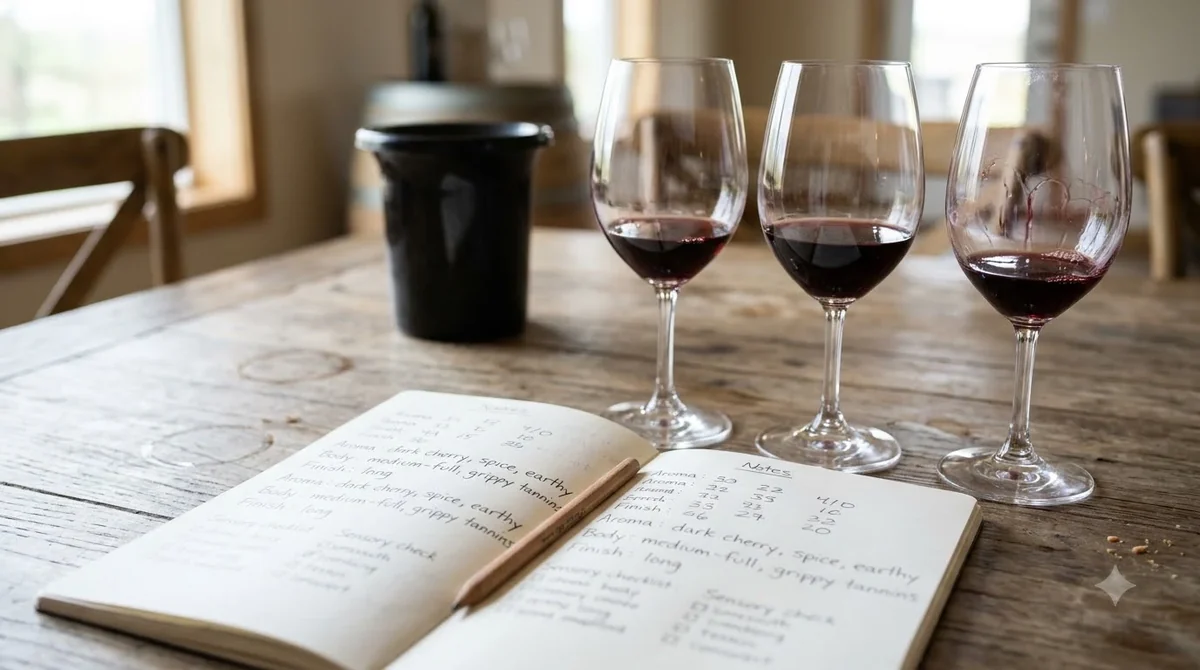
Beringer’s Napa Cabernet Sauvignon is usually built around dark fruit, with blackberry and cassis supported by oak-driven notes such as vanilla and toast. Tannins are typically firm enough to give structure without overwhelming the fruit. Merlot from the brand tends to be softer and plummier, which makes it approachable for guests who prefer a smoother red.
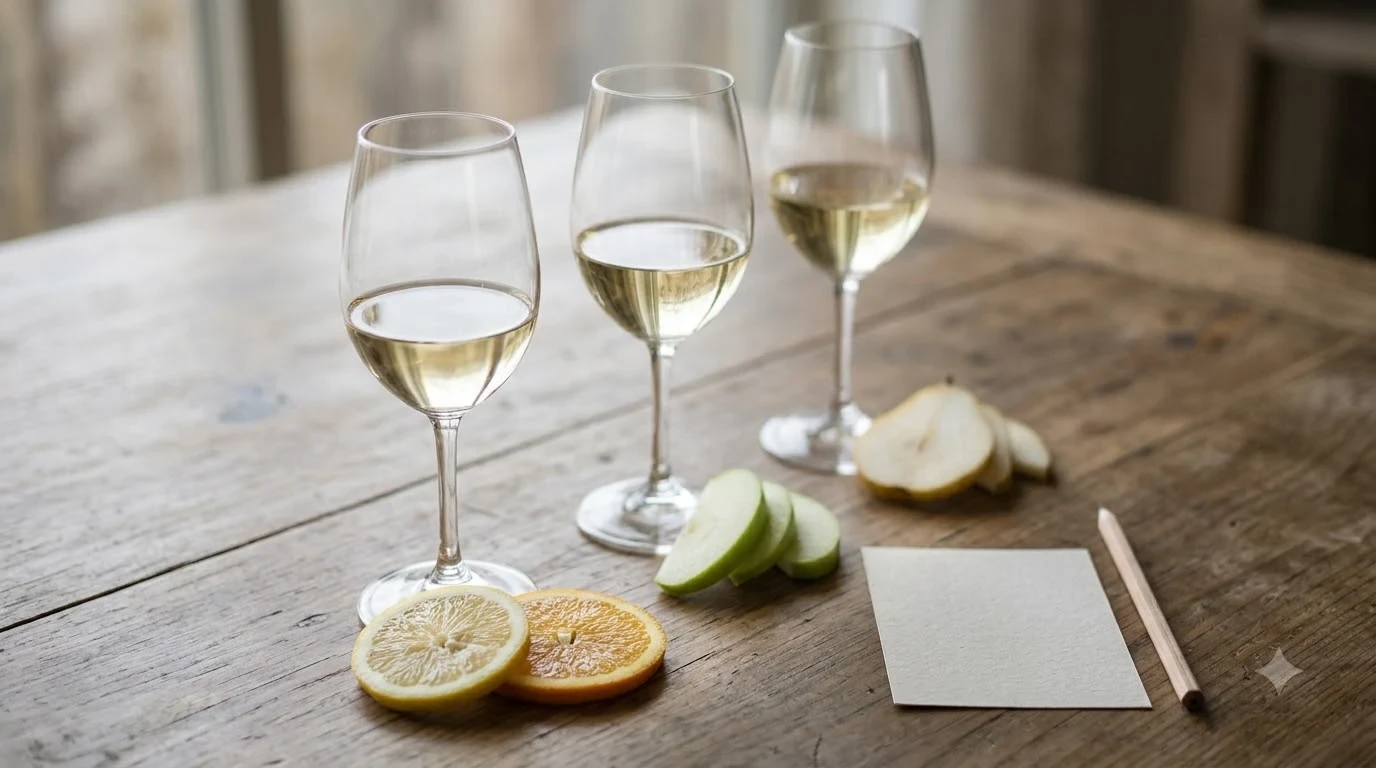
The white wines lean toward a rounder, creamier texture, especially the Chardonnay, which often shows ripe apple, pear, and a touch of toasty oak. Because the winery produces wines in several price tiers, the intensity of oak, fruit, and tannin changes noticeably from one bottle to the next. Reading the tier name on the label is the quickest way to predict the style before you open the bottle.
How to serve Beringer wine
Serve red Beringer wines at a cool room temperature, roughly 60 to 65 degrees Fahrenheit, so the fruit stays bright and the tannins do not feel harsh. Chardonnay should be served chilled but not ice cold, around the low 50s Fahrenheit, which lets the texture and fruit come through. A large-bowled glass suits the Cabernet, while a standard white wine glass is fine for Chardonnay.
Cabernet bottlings from the reserve tier benefit from decanting for an hour before serving, especially if they are young. The core range does not need decanting. Once opened, a red keeps for a day or two with a stopper in the refrigerator, while white stays fresh for about the same time.
Food pairing with Beringer wine
Beringer Cabernet Sauvignon is a classic partner for grilled steak, roasted lamb, and hearty dishes with mushrooms or rich sauces. The wine’s firm tannin cuts through fat and balances savory meat. For a lighter meal, it also works with aged cheeses such as cheddar or Gouda, which echo the wine’s oak notes.
The Chardonnay pairs well with roast chicken, creamy pasta, grilled white fish, and shellfish dishes with butter or cream sauces. Its texture and gentle oak make it a flexible choice for holiday tables and dinner parties. Merlot is a comfortable match for roast pork, burgers, and tomato-based pasta.
Who Beringer suits and where it fits
Beringer suits buyers who want a recognizable Napa name at an approachable price point, and it is a reliable choice for gatherings where you need a wine that most guests will enjoy. The core range is well suited to weeknight dinners, while the single-vineyard and reserve bottlings are better for special occasions or as gifts for someone who already knows Napa wines.
Buyers who prefer small-production or natural-style wines may find the brand’s scale less personal, since a large producer must keep consistency across many bottles. If you are shopping for a particular style rather than a brand, it can help to compare Beringer against other Napa Cabernets or against the caymus wine lineup, which takes a different approach to the same region.
Shoppers who usually buy lower-priced bottles often start with a familiar brand such as barefoot wine and then move up to a Napa producer once they know which styles they like. Beringer sits in a middle ground for that step. You get a recognizable name, a clear tier structure on the label, and a range of wines that can be used for everyday meals or for a more formal dinner. Browsing the broader Wine Brands section can also help you compare Beringer with other producers at similar price points.
Frequently Asked Questions
Is Beringer wine made in Napa Valley?
Yes. The winery is located in St. Helena in the Napa Valley appellation. Some wines, such as the Knights Valley bottlings, come from a neighboring appellation, so the label is the best guide to where a specific wine was grown.
What is Beringer’s best-known wine?
The brand is best known for its Cabernet Sauvignon and its reserve tier. Opinions vary, so the best approach is to try a core Cabernet first and then compare it with a single-vineyard or reserve bottle from the same vintage.
How old is Beringer winery?
The winery is usually dated to 1876, and the company describes it as California’s oldest continually operating winery. The brand has changed owners several times since then, including Nestlé and Treasury Wine Estates.
Does Beringer wine need to be decanted?
Core range wines do not need decanting. Young reserve Cabernets can benefit from about an hour of air before serving, which softens the tannins and lets the fruit open up.
Beringer offers a clear way into Napa wine, with a long history and a tiered lineup that makes it easy to step up in quality. Start with the core Cabernet or Chardonnay to learn your preferences, then move to a single-vineyard or reserve bottle when you want more depth. Check the tier on the label, and serve the wine at the right temperature to get the most from it.
More in Wine Brands
 Underwood Wine Price: Compare Bottles, Cans, and Pack SizesUpdated Nov 21, 2026
 Zenato Wine Price: Compare Styles and Choose the Right BottleUpdated Nov 21, 2026
 Zuccardi Wine Price: Compare Bottles and Find the Right RangeUpdated Nov 21, 2026
 Yellow Tail Moscato Review: Taste, Sweetness and Serving TipsUpdated Nov 21, 2026
 Wolf Blass Yellow Label Review: Choose Your Best StyleUpdated Nov 21, 2026
 Wolffer Estate Rose Review: Choose the Right Bottle for Your TableUpdated Nov 21, 2026