

We may earn a commission when you buy through links on this page, at no extra cost to you. Learn more.
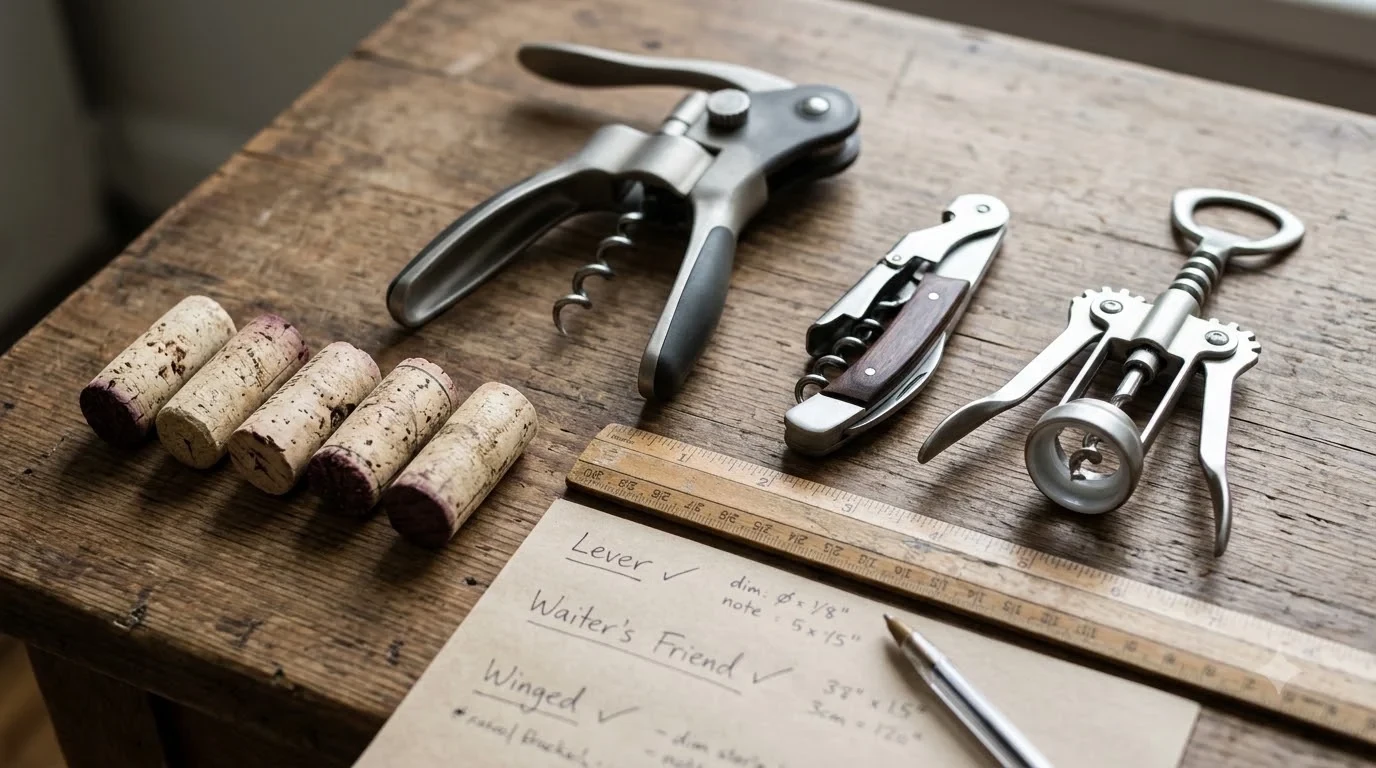
The best rabbit wine opener is a vertical lever corkscrew with a non-stick coated spiral and die-cast metal linkage, which extracts natural or synthetic corks in roughly three seconds with a simple up-and-down pump. Horizontal winged-lever styles give extra stability on the bottle neck for beginners, while rechargeable automatic electric models suit anyone seeking zero-effort push-button operation. Compact vertical levers save drawer space for small kitchens, and multi-piece gift sets bundle foil cutters and stoppers for frequent hosts.
Originally popularized when the Metrokane Rabbit corkscrew debuted in 2000, lever-style openers transformed home bartending by replacing wrist-twisting torque with mechanical gear leverage. Instead of threading a worm by hand and prying against the glass lip, you clamp the neck, push a single handle down, and pull it back up. Choosing the right style comes down to bottle compatibility, storage footprint, and whether you prefer manual control or motorized convenience.
Quick Comparison
Each rabbit-style opener category trades off countertop footprint, mechanical speed, and accessory storage depending on how and where you pour.
| Opener Type | Drive Mechanism | Extraction Speed | Storage Footprint | Best Suited For |
|---|---|---|---|---|
| Vertical Lever Corkscrew | Top-mounted vertical gear lever | ~3 seconds (2 motions) | Compact; stands upright | Everyday home bars and tight drawers |
| Horizontal Winged-Lever Opener | Side-clamping dual-ear linkage | ~3–5 seconds (2 motions) | Wide; needs stand or deep drawer | Maximum stability and wide-flange bottles |
| Automatic Contact-Start Electric | Motorized worm with auto-reverse | ~8–10 seconds (hands-free) | Tall cylinder with charging dock | Limited hand strength or arthritis |
| Compact Folding Lever Opener | Collapsible hinge-arm linkage | ~4–5 seconds (2 motions) | Slim; fits travel totes | Picnics, dinners out, and small apartments |
| All-in-One Lever Gift Set | Metal lever plus bar accessories | ~3 seconds (2 motions) | Large presentation box or stand | Gifting, entertaining, and table service |
Best for Everyday Countertop Speed: Vertical Lever Corkscrew
A vertical lever corkscrew channels downward force straight through the bottle neck, pulling and ejecting a cork in roughly three seconds without twisting your wrist. Its upright silhouette takes up far less space than classic horizontal models while delivering the same fast mechanical action.
Reviewers at Rabbit Wine highlight vertical lever models as the quickest manual design available, noting that an ergonomic top handle and non-stick coated worm glide smoothly into both natural cork and dense synthetic stoppers. Because the lever moves along a vertical plane rather than swinging wide to the side, you have a clear sightline to center the spiral dead-on before engaging the gears. Keep in mind that non-stick spirals wear down faster if you pierce straight through metal foil capsules, so using a separate or integrated foil cutter first protects the coating and keeps the gear train running smoothly.
This style works best for regular wine drinkers who want a reliable, no-nonsense wine opener that sits neatly beside a decanter or tucks into a standard utensil drawer. Look for versions with die-cast zinc or steel internal gears rather than molded plastic housings, along with a spare replacement spiral tucked into the package.

- Type
- Vertical lever corkscrew
- Material
- Stainless steel, die-cast zinc handle
- Screw
- Non-stick, spare included
- Extras
- Removable foil cutter
Counter speed is the draw here: squeeze the handles around the bottleneck, then pull the lever down and up, and the cork comes out in two moves. The non-stick screw releases both natural and synthetic corks with another pump of the lever. A soft, nonslip grip keeps pressure controlled, and the foil cutter detaches for use and stores back on the body.
Pros & ConsView
- Two-motion lever pulls corks in seconds
- Soft nonslip grip keeps control
- Spare non-stick screw included
- Larger than a folding waiter's key
- Heavier zinc and steel build at 483 grams
Best for Maximum Stability and Leverage: Horizontal Winged-Lever Opener
The classic horizontal rabbit design uses two side-gripping arms that hug the bottle neck like bunny ears while a long top lever drives the worm straight down. That two-handed clamping geometry locks the opener squarely onto the glass so the bottle never wobbles mid-pull.
Why it stands out is pure mechanical advantage: the extended top handle multiplies your arm strength, making stubborn, tightly packed corks feel almost weightless to extract. As wine historians at Wine Enthusiast point out, drilling straight down the center of the cork is the single biggest factor in preventing breakage, and a clamped horizontal frame practically forces proper alignment every time. Keep in mind that wide side-clamping jaws can occasionally struggle with thick-lipped flanged bottles or oversize magnums, and the splayed arms require either a dedicated countertop stand or extra drawer clearance.
Choose a horizontal winged-lever model if you are still learning how to open a wine bottle cleanly or if you frequently uncork full-bodied reds sealed with long, dense natural corks. Models built with textured thermoplastic grips and replaceable non-stick helices routinely last through thousands of pulls without loosening.

- Type
- Vertical lever corkscrew
- Material
- Zinc alloy handle, carbon steel screw
- Screw
- Teflon-coated
- Warranty
- Three years
Battery-free and fully mechanical, this lever corkscrew uses a ball-bearing design and needs no recharging. A Teflon-coated carbon steel screw handles both natural and synthetic corks, the zinc alloy handle keeps weight manageable, and the stainless foil cutter is formed from a single piece. It ships in gift-ready packaging and carries a three-year warranty with support based in Texas.
Pros & ConsView
- Battery-free mechanical design needs no recharging
- Teflon-coated screw handles natural and synthetic corks
- Three-year warranty
- Manual pumping takes more effort than electric openers
- Weighs 14.4 ounces, heavier than a basic waiter's key
Best for Zero-Effort Push-Button Opening: Automatic Contact-Start Electric Opener
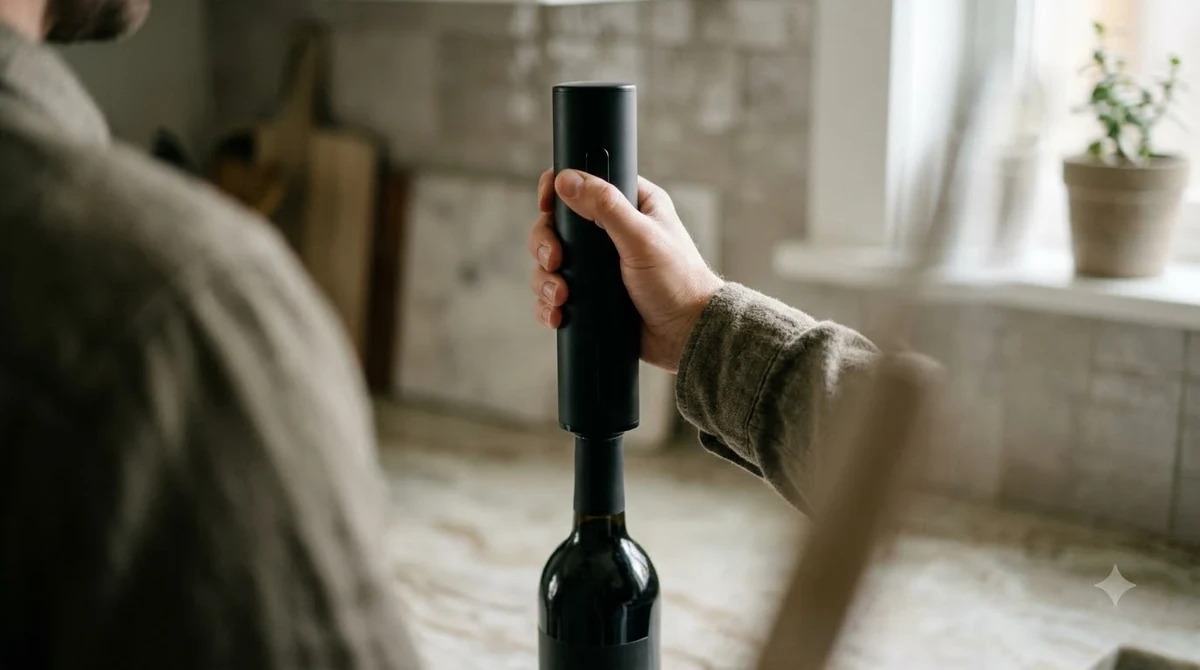
For anyone who wants to skip manual levers altogether, a cordless rechargeable electric rabbit opener lowers and reverses its spiral automatically the moment you press it onto the bottle neck. Modern contact-start cylinders eliminate even the need to hold down directional buttons while the motor extracts and ejects the cork.

Why it stands out is effortless consistency for people with arthritis, carpal tunnel, or limited grip strength. Rather than clamping handles together, you simply steady the bottle with one hand and rest the weighted cylinder over the top until the internal sensor engages. Most lithium-ion units open dozens of bottles on a single charge and include an integrated foil cutter that snaps onto the charging base. Keep in mind that electric motors take around eight to ten seconds per bottle—slower than a manual lever—and sealed rechargeable batteries eventually lose capacity after several years of heavy use.
If motorized convenience is your priority, compare capacity and charge indicators across our roundup of the best electric wine openers before buying. A contact-start electric rabbit unit is ideal for busy dinner hosts who want guests to uncork their own bottles safely without a tutorial.

- Type
- One-touch electric opener
- Per charge
- Up to 100 bottles
- Screw
- Teflon-coated stainless steel spiral
- Warranty
- Lifetime, 10,000 bottles or 10 years
When you want the least effort possible, this opener removes the cork with a single button press and leaves the work to the motor. A rechargeable battery covers up to 100 bottles per charge, an LED indicator shows its status, and the double-razor foil cutter doubles as a stand. The matte black look suits a home bar, and a wine guide eBook is included.
Pros & ConsView
- Opens up to 100 bottles per charge
- Foil cutter doubles as a stand
- Warranty covers 10,000 bottles or 10 years
- Needs a charged battery to work at all
- No manual fallback if the battery runs out
Best for Tight Drawers and Travel: Compact Folding Lever Opener
Compact folding lever openers shrink the traditional rabbit linkage into a streamlined, collapsible body that slips easily into a shallow kitchen drawer, picnic tote, or carry-on bag. By hinging the lever arm closer to the central housing, these models cut bulk by nearly half without sacrificing one-motion extraction.
Why it stands out is portability paired with genuine mechanical leverage. While sommelier knives remain the gold standard for pocket carry, folding lever openers bridge the gap for travelers and apartment dwellers who dislike twisting a manual screw yet lack space for a heavy countertop stand. Keep in mind that shorter lever arms offer slightly less torque than full-size horizontal handles, meaning very tight synthetic corks may require a firmer downward push.
Pick a collapsible lever design if you entertain outdoors, pack wine for weekend getaways, or share a compact kitchen where every inch of drawer space counts. Look for models that integrate a fold-out foil cutter directly into the handle so you never misplace loose accessories on the road.

- Type
- Compact vertical lever opener
- Material
- 304 (18/8) stainless steel
- Foil cutter
- Heavy-duty zinc alloy
- Weight
- 0.92 kg
Short on drawer space? This compact vertical corkscrew opens a bottle in about three seconds with a quick up-and-down motion. The extra-long stainless steel handle has a soft non-slip grip for leverage, and it pulls both synthetic and natural corks. A heavy-duty zinc alloy foil cutter is included, and the 304 steel body arrives in a gift box.
Pros & ConsView
- Opens a bottle in about three seconds
- Extra-long handle with soft non-slip grip
- Pulls both natural and synthetic corks
- At 0.92 kg, heavy for a travel bag
- Manual lever takes more effort than electric openers
Best for Hosting and Gifting: All-in-One Lever Corkscrew Set
An all-in-one lever corkscrew set pairs a heavy-duty metal rabbit opener with matching barware—typically a four-wheel foil cutter, an aerating pourer, vacuum preserver stoppers, and a spare spiral—inside a fitted display box or tabletop stand. Everything stays organized in one spot rather than scattered across kitchen drawers.
Why it stands out is table-ready presentation and workflow efficiency when serving multiple bottles. Having a dedicated four-blade foil cutter and vacuum stoppers right beside the opener lets you strip capsules cleanly, pour smoothly, and reseal unfinished bottles without hunting for extra tools. Keep in mind that oversized presentation cases take up substantial cabinet space, and entry-level gift bundles sometimes pair a decent opener with flimsy plastic stoppers.
Browse our full Openers & Corkscrews hub if you are building a home bar registry or shopping for a housewarming present. Choose a set anchored by a solid metal lever frame and replaceable coated worms so the centerpiece tool outlasts the novelty accessories.

- Type
- Standing vertical lever corkscrew
- Material
- Stainless steel, matte black
- Bottle fit
- Standard, magnum, sparkling
- Screw
- Self-centering, nonstick
Part tool, part display piece, this standing lever corkscrew rests upright on a flat surface between pours, which suits a host with a bar cart. Two motions remove most natural and synthetic corks without twisting. The bottleneck base fits sloping shoulders, standard and magnum bottles, and sparkling wine, and the self-centering nonstick screw tracks straight into the cork.
Pros & ConsView
- Stands upright for display on a bar cart
- Base fits standard, magnum, and sparkling bottles
- Self-centering nonstick screw, no twisting needed
- At 1.5 pounds, heavier than handheld keys
- Upright design needs flat counter space
How to Choose
Evaluating four mechanical details before you buy will keep you from ending up with a jammed gear track or shredded corks:
- Internal Gear Material: Prioritize die-cast zinc, stainless steel, or reinforced metal linkages over all-plastic gear teeth. Lever corkscrews concentrate substantial mechanical force on a small rack-and-pinion core, and metal gears resist stripping over thousands of cycles.
- Non-Stick Coated Spiral (Worm): A Teflon- or non-stick-coated helix glides into dense natural and synthetic corks with minimal friction and releases cleanly on the return stroke. Make sure the brand sells replacement spirals, since worn coatings create extra drag on the lever mechanism.
- Bottle Neck Compatibility: Standard Bordeaux and Burgundy necks fit almost every rabbit opener, but flanged-lip bottles, thick sparkling necks, and oversize magnums can jam narrow clamping jaws. If you drink a wide variety of styles, choose an open-frame vertical lever or wide-jaw clamp.
- Foil Removal Workflow: Never drive a coated spiral straight through lead, tin, or thick plastic foil capsules, as the metal edges scrape off the non-stick finish. Pick a model with an integrated foil cutter or keep a four-blade cutter clipped to the stand.
Tip: When opening older, fragile vintages—typically bottles aged 15 to 20 years or more—skip lever corkscrews altogether. High-speed spirals can bore straight through or crumble dry, brittle corks, whereas a two-prong Ah-So puller slides gently down the sides to lift aged corks out intact.
Frequently Asked Questions
Do rabbit wine openers work on synthetic and plastic corks?
Yes, most modern lever corkscrews equipped with a sharp, non-stick coated spiral extract synthetic and plastic corks smoothly. Because synthetic stoppers grip the glass neck tighter than natural cork, keeping the spiral clean and using a sturdy metal lever helps prevent slippage.
Why does my rabbit corkscrew fail to pull the cork out of the bottle?
A rabbit corkscrew usually fails to extract a cork when the non-stick coating on the spiral has worn thin or when the user forgets to squeeze the clamping handles firmly against the bottle neck. Replacing the worn spiral and ensuring the lever travels all the way down before pulling back up almost always restores normal grip.
How do you maintain and clean a lever wine opener?
Wipe the spiral occasionally with a damp cloth or sponge to remove sticky wine residue and tiny cork crumbs, then dry it completely before storing. Always strip off foil capsules and wax seals before inserting the worm, and never submerge a geared lever opener in a dishwasher.
Are vertical or horizontal rabbit wine openers better?
Vertical rabbit openers are better for compact storage, quick alignment, and fitting a wider range of bottle lips, while horizontal models offer slightly greater two-handed stability on standard necks. Both styles pull corks in roughly three seconds, so your choice depends mainly on drawer space and grip comfort.
Whether you favor a sleek vertical lever for nightly pours or a contact-start electric cylinder for effortless entertaining, matching the mechanism to your bottle collection makes every uncorking predictable. Focus on metal gear construction, replaceable non-stick spirals, and clean foil removal to get years of smooth service from your opener.
More in Openers & Corkscrews
 Best Two Step Corkscrew Options for Home, Travel, and Old CorksUpdated Nov 18, 2026
 Best Foil Cutter for Clean Cuts at Home, on the Road and in Your KitUpdated Nov 18, 2026
 Best Cordless Wine Opener Styles for Easy Uncorking AnywhereUpdated Nov 18, 2026
 Best Champagne Opener for Sabrage, Everyday Use and GiftsUpdated Nov 18, 2026Best Air Pressure Wine Opener Styles for Easy, Cork-Safe OpeningUpdated Nov 18, 2026
 Best Wine Opener Set for Home Use, Hosting, and Hands-Free OpeningUpdated Nov 18, 2026