

We may earn a commission when you buy through links on this page, at no extra cost to you. Learn more.
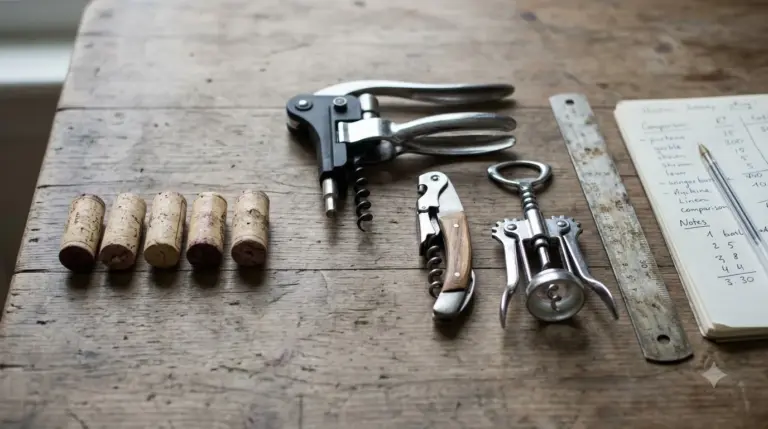
The best two step corkscrew is a sturdy lever-style opener with a long, well-threaded worm and a stable two-stage lift that pulls the cork straight out without tearing it. Basic two-step models suit occasional use at home, stainless steel versions handle frequent opening, and compact pocket designs fit travel. The twin-prong Ah-So style is a different tool that works better on old or fragile corks. Check the worm length and the feel of the lever before buying, because those two details matter most when a cork is tight.
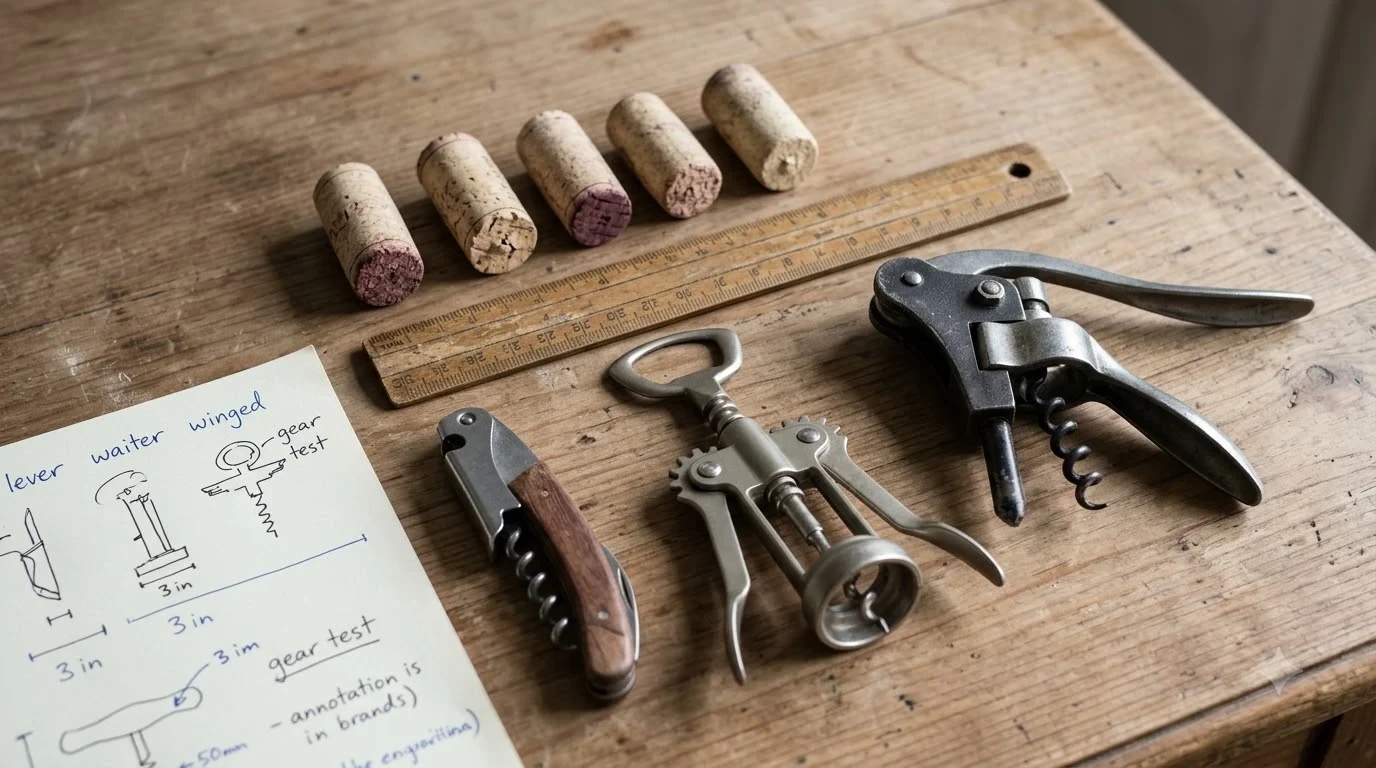
A two-step corkscrew separates the job of entering the cork from the job of lifting it. The worm goes in first, then a lever or second stage pulls the cork out in a controlled motion, which reduces the strain on the cork. That is why many people choose this style over a basic winged opener, especially for older bottles or corks that crumble easily. Most good openers share the same core parts, so the differences come down to build quality, comfort, and how well the design suits your habits.
Quick Comparison
The table compares the main opener types that people often shop for alongside the two-step design. Use it to decide whether a two-step lever suits your use or whether another style fits better.
| Opener Type | How It Lifts | Best Cork Condition | Main Strength | Watch For |
|---|---|---|---|---|
| Two-step lever | Worm enters, lever pulls in stages | Standard and firm corks | Controlled, smooth removal | Needs a long enough worm for the cork |
| Waiter’s corkscrew | Folding arm braces against the lip | Standard corks | Compact and quick to use | Requires some practice |
| Winged corkscrew | Levers rise as the worm turns | Standard corks | Simple and inexpensive | Can tear weak corks |
| Lever or rabbit opener | Handles press the neck while a lever works | Standard corks | Fast with little force | Bulky and usually costly |
| Twin-prong (Ah-So) | Prongs slide between cork and neck | Old or crumbling corks | Can remove the cork intact | Less common and needs care |
How to Use a Two Step Corkscrew
Using a two-step corkscrew is simple once you have done it a few times. Set the bottle on a stable surface, remove the foil, and wipe the top of the cork so you can see where the worm will go.
Why it stands out: The first step is to center the worm in the cork and turn it in until only the top ring remains visible. The second step is to seat the lever on the bottle lip, then lift the cork gradually until it clears the neck. The steady, staged motion is what keeps the cork from snapping. Going slowly and keeping the worm straight matters more than force.
Keep in mind and best for: If the worm goes in at an angle, the cork can break and leave fragments in the wine, so start straight and adjust before pushing deeper. Once the cork is out, wipe the neck and pour carefully. This section covers the general method, and the Corkscrew article lists the main designs and their mechanics.
Best for Everyday Home Use: Basic Two-Step Lever Openers
Basic two-step lever openers are the most practical choice for a home kitchen. They work on standard corks, cost little, and need no special technique beyond the basic steps.
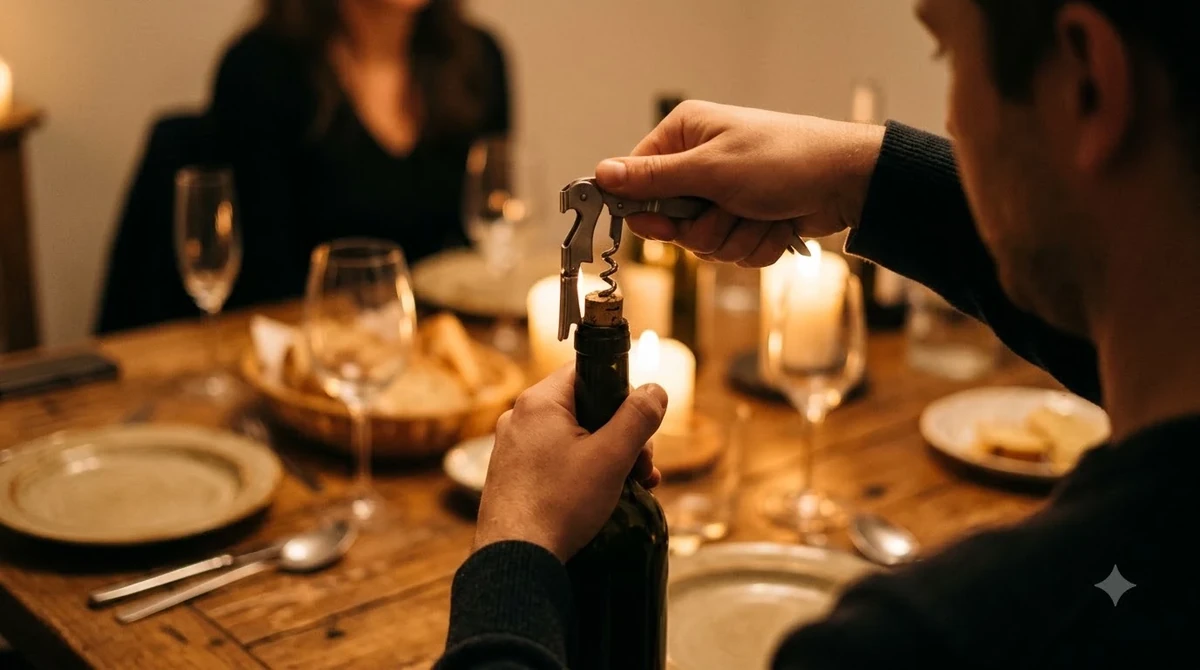
Why it stands out: A basic lever opener keeps the motion simple. The first step seats the worm, and the lever does the rest with less force than a winged design requires. Most models are easy to store in a drawer, and the design is forgiving if you are still learning how to center the worm.
Keep in mind and best for: Cheap models often have a thin worm that bends in firm corks, so look for a sturdy spiral and a lever that does not wobble. A basic opener is a good first purchase for someone who opens a bottle a few times a week and wants a reliable tool without spending much.
Best for Heavy Use: Stainless Steel Two-Step Openers
Stainless steel two-step openers suit households and hosts who open bottles often. The metal body feels solid in the hand and holds up to repeated use.
Why it stands out: Stainless steel resists rust and wear better than many plated finishes, and a heavier body makes the lift feel more controlled. A well-made worm holds its shape through many openings, so it keeps working cleanly on tight corks. These models also clean easily after a dinner party or a tasting.
Keep in mind and best for: A heavier opener is less convenient to carry, and the price is higher than a basic model. Check the joint where the lever meets the body, since loose parts lose their smooth action over time. This style fits frequent hosts and anyone who wants a tool that lasts for years.
Best for Old or Fragile Corks: Twin-Prong Ah-So Openers
Twin-prong openers, often called Ah-So, use a different method from the two-step lever. They are worth considering for older bottles where the cork is brittle and a worm might tear it.
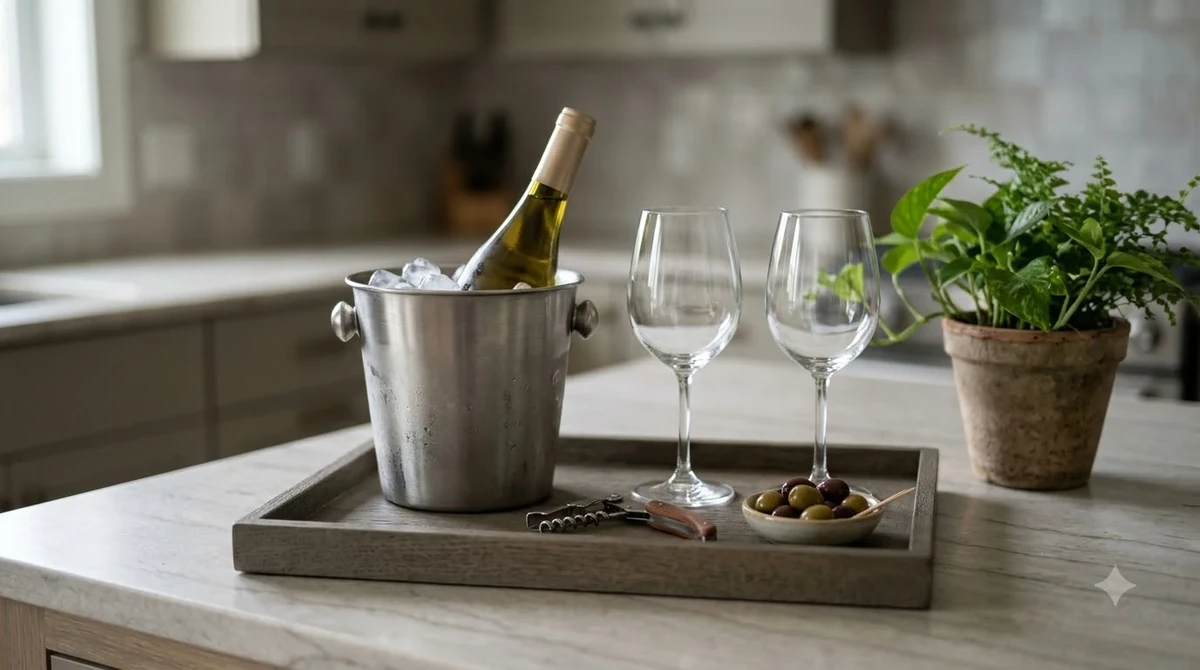
Why it stands out: The twin prongs slide between the cork and the bottle neck, and the cork is twisted out. According to the Corkscrew article, this method can remove a stopper intact, so the wine can be sampled and the cork reused. It also works on corks in poor condition where a worm would struggle to get a grip.
Keep in mind and best for: The prongs take some practice, and they can be harder to use on a bottle with a narrow neck or a cork that has sunk deep. Use the twin-prong style for older bottles and keep a two-step lever for everyday wines.
Best for Travel and Picnics: Compact Two-Step Pocket Models
Compact two-step models fold or shrink to a size that fits a bag or pocket. They suit travel, outdoor dinners, and bottles taken to a gathering.
Why it stands out: A smaller frame still uses the same two-step motion, so you get controlled removal in a tool that is easy to carry. Many pocket designs include a foil cutter or a bottle opener on the same body, which saves space in a picnic basket.
Keep in mind and best for: Small levers give less leverage than full-size models, so a very firm cork may take more effort. Check the worm length, since a short worm may not reach the bottom of a standard cork. This style suits anyone who opens wine away from home more than a few times a year.
Best for Gifts and Display: Decorative Two-Step Openers
Decorative two-step openers combine a functional tool with a finish that looks good on a bar cart or in a gift box. They are often sold for hosts, wine clubs, and milestone occasions.
Why it stands out: A nicely finished opener feels good to use, and a matching box makes it easy to give as a present. Many decorative models keep the same core two-step mechanism as a basic lever, so the function is not sacrificed for looks.
Keep in mind and best for: Decorative finishes can scratch or wear with heavy use, and a fancy design is not always a sturdier one. Test the lever action before buying a gift, and check that the worm is solid. This style suits gift-giving and display on a home bar.
How to Choose
Start with the cork. If the corks you open are firm and standard, a basic two-step lever or a waiter’s style will serve you well. If you collect older bottles, look at a twin-prong option as well. Next, consider how often you open bottles. Frequent use rewards a heavier stainless steel body, while occasional use is well served by a simple lever.
Tip: Look at the worm before buying. A thin, bent worm causes more trouble than a slightly weaker lever, and a long spiral reaches the bottom of standard corks more easily.
Finally, check the feel of the lever and the joints. A good opener moves smoothly without play. If a model feels loose in the store, it will feel worse after a few months of use.
Frequently Asked Questions
Is a two-step corkscrew easier than a winged one?
Many people find a two-step lever easier because the lift happens in controlled stages. Winged openers can work well too, but they need more force and can tear a weak cork.
What is the difference between a two-step corkscrew and an Ah-So?
A two-step corkscrew uses a worm that enters the cork and a lever that lifts it. An Ah-So uses two prongs that slide between the cork and the neck, and it can remove a cork in one piece.
Why does my cork break when I open a bottle?
Breaks often happen when the worm enters at an angle, when the worm is too short, or when the cork is old and dry. Start straight, go slowly, and consider a twin-prong opener for brittle corks.
Do I need a special corkscrew for travel?
You do not need a special tool, but a compact two-step pocket model is easier to carry. Check the worm length, since a short one can struggle with a standard cork.
If you are still deciding on a style, the corkscrew guide compares a wider range of openers, and the waiters corkscrew guide covers the folding style. For a step-by-step walkthrough of the basic opening process, read how to open a wine bottle, and browse the Openers & Corkscrews section for more tools.
More in Openers & Corkscrews
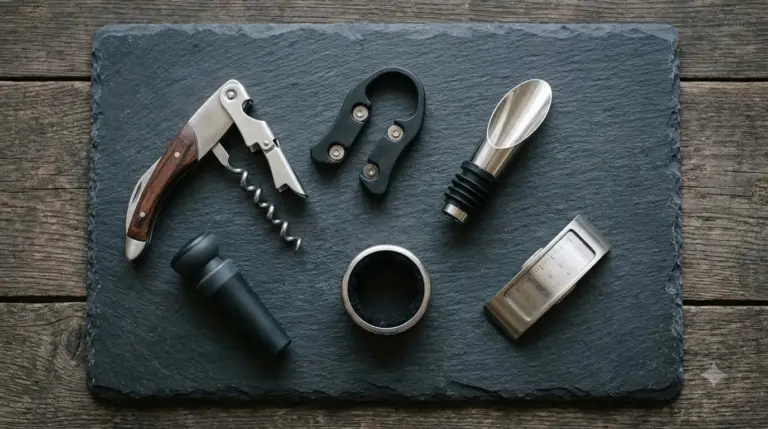 Best Foil Cutter for Clean Cuts at Home, on the Road and in Your KitUpdated Nov 18, 2026
 Best Cordless Wine Opener Styles for Easy Uncorking AnywhereUpdated Nov 18, 2026
 Best Champagne Opener for Sabrage, Everyday Use and GiftsUpdated Nov 18, 2026
 Best Air Pressure Wine Opener Styles for Easy, Cork-Safe OpeningUpdated Nov 18, 2026
 Best Wine Opener Set for Home Use, Hosting, and Hands-Free OpeningUpdated Nov 18, 2026
 Best Lever Corkscrew Styles and How to Pull Corks Faster at HomeUpdated Nov 18, 2026