

We may earn a commission when you buy through links on this page, at no extra cost to you. Learn more.
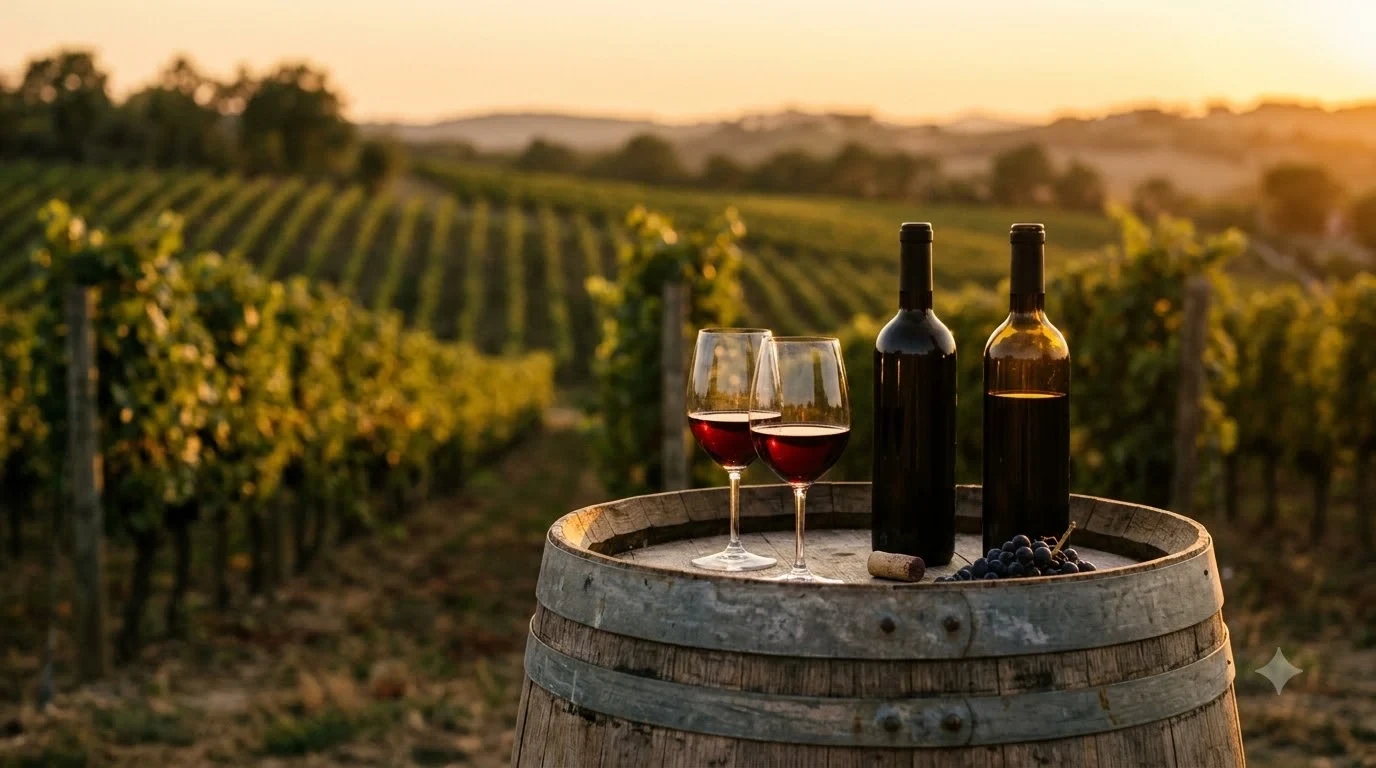
Trefethen wine comes from an estate in the Oak Knoll District of Napa Valley, where Eugene and Katie Trefethen bought a historic winery in 1968 and built the estate around estate-grown fruit. The winery’s grapes come from its own vineyards, and its lineup covers Cabernet Sauvignon, Chardonnay, Merlot, Riesling, Pinot Noir, and several other varieties. This guide explains the estate’s history, its cool-climate setting, and how to serve and pair Trefethen wines at home.
Trefethen is one of the Napa names that shoppers see more often on restaurant lists and in specialty shops than in mass-market aisles. Is it a large commercial brand or a family estate? What makes the Oak Knoll location different from other parts of Napa Valley? The sections below use the estate’s own site and a reference on the district to answer those questions, so you can judge the story and the style for yourself.
Who Founded the Trefethen Estate
The estate’s story begins in 1968, when Eugene Trefethen and his wife Katie bought the historic Eshcol winery and six adjoining properties. The Wikipedia entry on Trefethen Vineyards gives the couple’s names as Eugene and Katie, while the estate’s own site refers to Eugene and Catherine Trefethen. Eugene died in 1996 and Katie in 2007, according to the same entry.
The estate’s site describes the founders as ahead of their time, and the business is now run by the family across three generations. That continuity is a large part of the brand’s identity. Visitors can also taste the wines at the estate, which is open to the public, so the family’s approach can be seen in the vineyard and the tasting room rather than only on a label.
The Oak Knoll Setting and the Historic Winery
The estate sits in the Oak Knoll District, a viticultural area at the southern end of Napa Valley in Napa County, California. According to the Wikipedia entry on the district, it is one of the coolest parts of the valley, outside Los Carneros, and its growing season lasts about eight months. Cool breezes from San Pablo Bay and frequent morning fog, especially in summer, shape the grapes and the wines that come from them.
The historic winery is one of the estate’s most distinctive features. The Eshcol winery was built in 1886 by Hamden W. McIntyre using a gravity-flow design, and the Wikipedia entry calls it the only surviving 19th-century wooden gravity-flow winery in Napa County. The estate’s own site describes it as the only surviving 19th-century wooden three-level gravity-flow winery in the Napa Valley, a claim that matches the same historical record.
The Trefethen Lineup and What Each Grape Brings
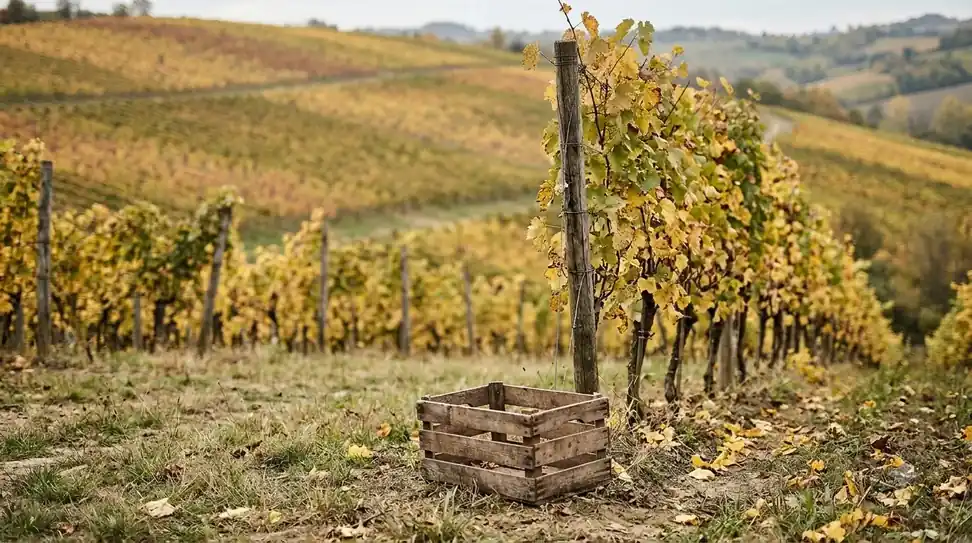
Trefethen works with a wide list of varieties, including Cabernet Sauvignon, Chardonnay, Merlot, Riesling, Pinot Noir, Cabernet Franc, Malbec, Sauvignon Blanc, and Petit Verdot, along with a red blend. The estate is known for its estate-grown Cabernet Sauvignon, and the official site says every bottle carries the brightness that comes from its cool climate. The table below sets out the main styles and what each usually offers.
| Wine | Typical style | Where it fits |
|---|---|---|
| Cabernet Sauvignon | Estate-grown red with dark fruit and firm structure | Roast beef, lamb, and aged cheeses |
| Chardonnay | Dry white, crisp to creamy depending on oak | Seafood, roast chicken, and creamy pasta |
| Merlot | Softer red with plum and cherry notes | Roast pork, mushroom dishes, and tomato pasta |
| Riesling | Aromatic white with bright acidity | Spicy Asian dishes, pork, and fruit desserts |
| Pinot Noir | Lighter red with red fruit and silky texture | Salmon, duck, and mushroom dishes |
The Wikipedia entry on the estate notes that Trefethen also makes olive oil, fig jam, and orange marmalade, which shows how the family’s land is used beyond the wine itself. The estate’s wines are presented as a set of styles from one property, so the label’s vintage and varietal tell you more about the bottle than a general brand name would.
Shoppers comparing American estates with mass-market brands can read more in the wine brands guide, which places several names side by side. For a very different approach to an approachable white, the Barefoot wine page offers a useful contrast with a larger, mass-market producer.
Why the Cool Climate Matters for the Wines
The cool climate in Oak Knoll explains much of the estate’s character. Long, cool growing seasons slow ripening, which helps grapes keep acidity while they develop flavor. Morning fog and bay breezes add a steady influence that many winemakers value for white wines and for lighter reds such as Pinot Noir.

Vintage still matters. Weather changes the balance of fruit and acidity from year to year, so two Trefethen bottles from different vintages can taste noticeably different even when the grape and label are the same. Tasting a second vintage is one of the simplest ways to see how the estate’s style holds across seasons, and the official site’s emphasis on cool-climate brightness gives a useful reference point.
Buying an estate wine from Napa often means paying attention to the vineyard rather than the brand name alone. A Napa Cabernet Sauvignon and a Chardonnay from the same estate can show very different sides of one site, and the cool setting of Oak Knoll tends to bring more freshness than the warmer parts of the valley. Shoppers who want to learn the estate’s style can start with one white and one red, then compare them with a meal at home to see which one they prefer.
Gift-giving is another common reason people choose a Napa estate. A bottle with a clear vineyard and historic story is easy to explain to a host or a guest, and the estate’s other products, such as olive oil and fig jam, can make a thoughtful pairing with a bottle of wine. Reading the label for the vintage and varietal still gives the most useful detail for the person receiving the gift.
Serving and Pairing Trefethen Wine
Serving temperature changes how a wine tastes, and it matters across the Trefethen range. Chardonnay and Riesling taste best cool rather than cold, which keeps the acidity lively without muting the fruit. Pinot Noir shows its best when slightly cooler than room temperature, and Cabernet Sauvignon is best a little below room temperature rather than fully warm. A short time in the refrigerator before pouring is usually enough to find the right balance.
Pairing follows the same logic. Cabernet Sauvignon suits roast beef, lamb, and hard cheeses. Chardonnay works with seafood, roast chicken, and creamy pasta. Riesling is a good partner for spicy Asian dishes and pork, and Pinot Noir suits salmon, duck, and mushroom dishes. The simplest rule is to match the weight of the food with the weight of the wine, so that neither one overwhelms the other.
Serving Trefethen wine well also depends on the setting. A bottle that is too warm can taste heavy and flat, while one that is too cold can hide the fruit and aroma. Opening the white a little before serving and taking the red out of the refrigerator a few minutes before pouring gives both a chance to show their character. Using a glass with room to swirl helps release the aroma, especially for the more aromatic whites and the Pinot Noir.
Hosting a dinner with several Trefethen bottles works well when the order follows the food. A crisp white can open the meal, a lighter red such as Pinot Noir can carry the main course, and the Cabernet Sauvignon can finish the evening with a hard cheese. This order lets each glass show its character without competing with the one before.
Frequently Asked Questions
When did the Trefethen estate start?
According to the Wikipedia entry on Trefethen Vineyards, the estate began in 1968, when Eugene and Katie Trefethen bought the historic Eshcol winery and six adjoining properties in the Oak Knoll District.
Where is Trefethen wine made?
The estate is at 1160 Oak Knoll Avenue in Napa, California, inside the Oak Knoll District of Napa Valley. The district is one of the cooler parts of the valley, with bay breezes and morning fog.
What is Trefethen best known for?
The estate is known for its estate-grown Cabernet Sauvignon. Its historic Eshcol winery, built in 1886, is also one of its best-known features, and its 1976 Chardonnay won first place at the 1979 Wine Olympics.
Should Trefethen Chardonnay be served chilled?
Serve it cool rather than cold. A short time in the refrigerator before pouring keeps the acidity lively without muting the fruit, and it matches well with seafood and roast chicken.
Trefethen wine rewards a little attention to the vintage and the varietal on the label. Start with the estate-grown Cabernet Sauvignon or a Chardonnay to see the house style, compare a lighter red such as Pinot Noir, and use the serving and pairing tips above to match each bottle to the meal.
More in Wine Brands
 Underwood Wine Price: Compare Bottles, Cans, and Pack SizesUpdated Nov 21, 2026
 Zenato Wine Price: Compare Styles and Choose the Right BottleUpdated Nov 21, 2026
 Zuccardi Wine Price: Compare Bottles and Find the Right RangeUpdated Nov 21, 2026
 Yellow Tail Moscato Review: Taste, Sweetness and Serving TipsUpdated Nov 21, 2026
 Wolf Blass Yellow Label Review: Choose Your Best StyleUpdated Nov 21, 2026
 Wolffer Estate Rose Review: Choose the Right Bottle for Your TableUpdated Nov 21, 2026