

We may earn a commission when you buy through links on this page, at no extra cost to you. Learn more.
The best riesling with pasta is usually an off-dry bottle with about 10 to 20 grams of residual sugar per liter, because that sweetness softens spicy sauces while the wine’s high acidity keeps up with tomato, lemon and cream sauces. Riesling is one of the most naturally acidic white grape varieties, which gives it the lift to match sauces that would make a softer white taste flat. Dry bottles suit lemon, herb and seafood pastas, while sweeter styles belong with cheese and dessert. In most cases the sauce, not the pasta shape, decides which bottle belongs on the table.
Pasta is one of the easiest dishes to pair with wine, since nearly every shape gives the glass something to work with. The sauce carries most of the flavor, and that is where riesling earns its place. Its range runs from bone-dry to clearly sweet, so you can match the bottle to the plate rather than guessing. This article walks through the sauces most people cook at home, the sweetness levels that suit each one, and the serving details that make the pairing work.
Why Riesling Suits Pasta So Well
Riesling works with pasta because its acidity can keep pace with the sauce, and its residual sugar can soften anything sharp or hot. Wine.com describes the grape as one of the most naturally acidic white varieties, and it explains that this acidity acts as a counterweight to sugar, so even a sweet-leaning bottle finishes clean. That balance matters because the basic rule of food and wine is simple: an acidic dish needs a wine with equal or higher acidity, or the wine tastes flat next to the food.
Alcohol is the second factor. Wine.com puts off-dry Rieslings at 8 to 11 percent ABV, which is lower than most white wines and far lower than a typical red. Less alcohol means less burn on the palate, which helps when the dish is spicy. Cool-climate producers make a related point. The New York wine industry’s food pairing guide explains that cool growing conditions produce wines with lower alcohol and higher acidity, which is why those wines can accompany a wide range of meals.
Structure plays a role as well. Riesling is low in tannin, so it does not add the dry, grippy texture that some reds bring to rich sauces. That makes it easier to build a pairing around the sauce rather than the pasta shape. A light lemon cream and a meaty ragù ask for very different things from the same glass, and riesling handles the first far better than the second.
Matching Riesling Sweetness to Your Sauce
Sweetness is the first decision, and it matters more than the grape name on the label. Wine.com sets residual sugar ranges that separate off-dry bottles from semi-sweet and sweet ones, and those ranges are the simplest way to narrow your choices at the shop.
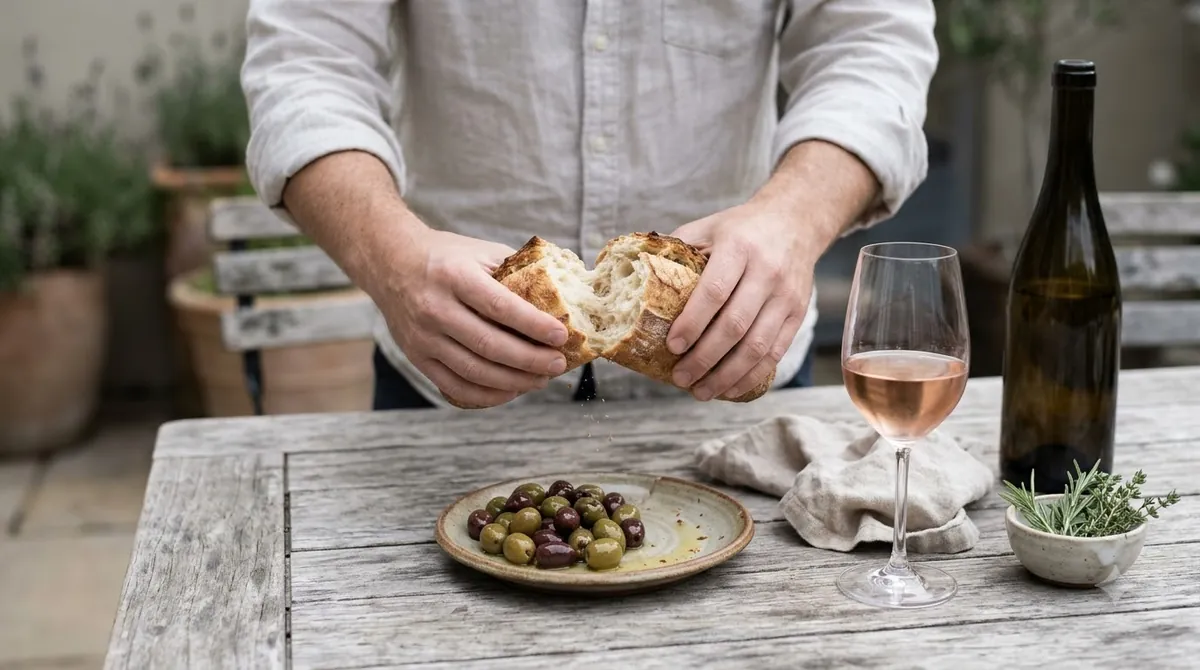
Residual sugar is the sugar left in the wine after fermentation, and it is measured in grams per liter. According to Wine.com, off-dry bottles carry about 10 to 20 grams, semi-sweet bottles often labeled Spätlese sit between 18 and 45 grams, and fully sweet bottles go above 45. The ranges touch at the edges, so a bottle at the top of off-dry can taste close to one at the bottom of semi-sweet. Treat the numbers as a guide, not a strict rule.
| Riesling style | Residual sugar | Common label terms | Pasta fit |
|---|---|---|---|
| Off-dry | 10 to 20 g/L | Feinherb, Halbtrocken | Spicy noodles, tomato and herb sauces, lemon seafood pasta |
| Semi-sweet | 18 to 45 g/L | Spätlese | Creamy, cheese-heavy pasta |
| Sweet | Above 45 g/L | Auslese, late harvest | Dessert or sipping, not savory pasta |
The sweet row is the one people get wrong most often. A late-harvest bottle carries enough sugar to overpower a savory plate, and it can turn a simple lemon or tomato sauce into something cloying. Keep those bottles for dessert or for sipping on their own.
Off-dry is the default for most weeknight pasta, and it is the category to buy first. Semi-sweet earns its place when the sauce carries cheese or cream, because a little extra sugar balances the richness. For other grapes and dishes, the Grape x Food section offers a useful second opinion before you commit to a bottle.
Tip: Look for Feinherb or Halbtrocken on German labels, both of which signal off-dry, and remember that Kabinett usually falls between off-dry and semi-sweet. Lower alcohol, around 8 to 11 percent, generally means more residual sugar was left in the wine.
Tomato and Herb Sauces
Tomato sauces combine sweetness and sourness, so they need a wine that can match the acid without turning sharp. Off-dry riesling handles that balance well, and it stays fresh when basil and garlic come into the dish.
Master Sommelier Matthieu Longuère of Le Cordon Bleu London addresses this exact problem in a Decanter feature on wine with pasta. For a classic tomato, garlic and herb sauce, he points to a fruit-forward white with enough acidity to handle the tomato’s sweet and sour sides without tasting bitter. The same logic applies to riesling: it needs fruit and lift, and it should not be so heavy that it fights the sauce.
When the sauce is a meat ragù, the balance tips toward red. The New York guide pairs Merlot with meaty, tomato-based pastas such as meatball parmesan, and it lists Pinot Noir for spaghetti Bolognese. If your dish is mostly tomato with little meat, riesling stays in play. If it is a heavy, meat-forward ragù, read about pinot noir with pasta before you decide.
Cream, Butter and Lemon Sauces

Lemon and light cream sauces are where riesling is most convincing, because its acidity cuts through richness without drowning the dish. The New York guide describes Riesling’s bright acidity and fruitiness as a good match for lighter pasta with cream or citrus-based sauces, and it names pasta primavera and seafood pasta with lemon sauce as examples. That covers a large share of weeknight cooking. A lemon, butter and parmesan sauce with peas, or a shrimp pasta finished with zest, sits right in the zone where a dry-to-off-dry bottle lifts the dish instead of competing with it.
Richer sauces need more weight. The same guide points to oaked Chardonnay for creamy dishes such as fettuccine Alfredo, because its texture matches the sauce. For a heavy Alfredo, that is the safer pick, and riesling is better saved for lighter versions. If your sauce combines tomato and cream, the usual vodka style, the answer shifts again, and what wine goes with vodka pasta covers that combination in more detail.
Serving temperature matters here too. Off-dry riesling tastes best slightly chilled, between 45 and 50 F, which is the range for light whites. Chill it in the refrigerator well before dinner rather than dropping ice into the glass, since melting ice dilutes the fruit and makes the sugar taste heavier.
Pesto and Fresh Herb Pasta
Pesto brings basil, garlic, olive oil and hard cheese together, and the New York guide pairs it with Sauvignon Blanc for that wine’s acidity and herbal notes. A dry riesling with citrus lift follows the same logic.
Those herbal, oily flavors need acidity to cut through them. The guide sets Sauvignon Blanc against both pesto pasta and pasta with fresh tomatoes and basil, which points toward the crisp, green end of the spectrum. Riesling can cover similar ground when the bottle is dry. Its citrus and green apple notes echo the herbs without adding sweetness that would sit on top of the basil.
For a pesto dinner, choose a dry bottle served cold, around 45 to 50 F. Sugar in a sweeter bottle tends to blunt the fresh herb character, which is why dry styles usually work better here. If you want a dedicated pesto match, see what wine goes with pesto pasta for a broader list of options.
Think of the wine as a palate reset rather than a companion for the sauce. Pesto is rich in oil and cheese, so the wine needs enough lively acidity to refresh the palate between forkfuls, and a dry riesling provides exactly that.
Spicy and Asian-Style Noodles
Spice is where off-dry riesling earns its reputation. The sugar softens chili heat, and the lower alcohol keeps the burn from building through the meal.
Wine.com recommends off-dry Riesling for spicy takeout, specifically Thai, Indian and Szechuan dishes, because the bright acidity and gentle sweetness cool the heat without making the plate taste sugary. The New York guide makes the same call and adds that Riesling’s acidity and balanced sweetness can help calm spicy dishes while enhancing their flavors. For noodles with chili oil or peanut sauce, an off-dry bottle is the dependable choice.
Longuère also pairs riesling with Asian noodles. His example is wok-fried yellow noodles with shiitake mushrooms, silken tofu and spring onions, matched with a Clare Valley Riesling from Skillogalee. He notes that the vegetables bring out the lime aroma of the wine, while the minerality of the region suits the noodles. In the same discussion he names a dry riesling as a top match for noodles with spring onions, which shows that the style can shift depending on how much heat and sweetness the dish carries.
Serving Temperature and Storing Leftover Wine
Temperature changes how sweet riesling tastes, so the chill matters as much as the bottle. Light whites sit at 45 to 50 F, and sweet whites do best between 43 and 50 F.
Off-dry and dry Riesling both count as light whites, so the target is 45 to 50 F. At that range the acidity stays crisp and the sugar stays in the background. Sweeter styles can go a few degrees cooler, around 43 F, which keeps their sugar from coating the palate. Warmer, and the wine tastes flat and syrupy. Colder, and the fruit goes quiet.
A standard pour is 5 ounces, and a 750 ml bottle gives about five glasses. That is useful when you are cooking for guests, since one bottle covers five people with a single glass each. For leftovers, still wines keep three to five days in the refrigerator, so a half-finished bottle of off-dry riesling can carry into lunch the next day.
Store unopened bottles on their side, in a cool place near 55 F, which keeps the cork moist and the temperature steady. Buy only what you plan to drink soon, since most everyday bottles are meant to be opened within a few years.
Frequently Asked Questions
Is dry or off-dry riesling better with tomato sauce?
Off-dry is the safer choice because it tempers the sourness of tomato, but a dry bottle works when the sauce is light and herb-forward. On German labels, Trocken signals bone-dry, so that style suits a delicate tomato and basil sauce where any sugar would stand out. Serve either one cool, within the 45 to 50 F range.
Does sweet riesling go with pasta at all?
Sweet styles are rarely the right call for savory pasta, and dessert is their natural home. Some producers print the International Riesling Foundation’s Taste Profile scale on the back label, running from dry to sweet, which helps you place a bottle before you open it.
Is all riesling sweet?
No, the grape runs from bone-dry to dessert-sweet. Wine.com says riesling’s sweet reputation partly traces back to the mass-produced German imports of the Blue Nun era. Much of the premium riesling made today, especially from Alsace, Austria and top German estates, is dry.
Can I age riesling after buying it for pasta night?
Most everyday riesling is meant to drink young, within two to three years of release. German Spätlese and Auslese are the exception, since their sugar and acidity can develop over decades. Aged sweet riesling takes on honeycomb, petrol and dried apricot notes that collectors prize.
Which riesling works with garlic shrimp pasta?
Dry to off-dry bottles fit garlic shrimp well. The New York guide pairs riesling with steamed clams, shrimp cocktail and scallops in citrus sauce, so shellfish is one of the grape’s most natural partners. Keep the sauce light, since a heavy cream base shifts the best match toward oaked Chardonnay.
Start with the sauce, then choose the sweetness level, and the rest of the decision gets simpler. Off-dry riesling covers most weeknight pasta, while a dry bottle suits lighter, herb-forward sauces. Keep the wine cold, pour 5 ounces, and let the acidity do the work.
More in Food & Wine Pairing
 Risotto With White Wine Recipe: Make a Creamy Dinner at HomeUpdated Nov 20, 2026
 Wassail With Wine Recipe for a Festive Spiced Holiday DrinkUpdated Nov 20, 2026
 Spritz Veneziano Recipe: Make a Classic Venetian Aperitivo at HomeUpdated Nov 20, 2026
 Summer Wine Punch Recipe for Easy Homemade EntertainingUpdated Nov 20, 2026
 Bishop Recipe: How to Make a Bright, Citrus-Forward Red Wine CocktailUpdated Nov 20, 2026
 Wine Cupcakes Recipe: Bake Rich Chocolate Cupcakes at HomeUpdated Nov 20, 2026