

We may earn a commission when you buy through links on this page, at no extra cost to you. Learn more.
Barefoot riesling is a white wine from the Barefoot lineup made from the Riesling grape, a variety known for high acidity, floral and citrus aromas, and a range of sweetness levels. Because Riesling can be bone-dry or quite sweet, the right way to judge a Barefoot bottle is to check its sweetness on the label and serve it cold enough to keep the fruit crisp.
Riesling is one of the most useful white wines to understand, since it covers almost the whole sweetness scale in a single grape. Barefoot’s Riesling is part of a wider lineup of easy-drinking wines, and it is a common choice for shoppers who want something lighter than an oaked Chardonnay. This guide explains what Riesling tastes like, what to look for on the label, how to serve it, and what foods suit it best.
What Riesling Is and Where It Comes From
Riesling is an aromatic white grape that does best in cool climates. Germany is its most important producer, and the United States also grows it in several regions. The grape’s acidity is high, which gives the wine its crisp, refreshing character and helps it age for many years in the right conditions.
Riesling’s aromas are one of its most recognizable traits. Typical notes include lime, green apple, beeswax, and jasmine, and older bottles can show a petroleum-like character that many drinkers find distinctive. Those aromas are a good way to tell a Riesling apart from other white wines when you are tasting blind or choosing from a shelf.
Sweetness: The Key to Choosing Barefoot Riesling
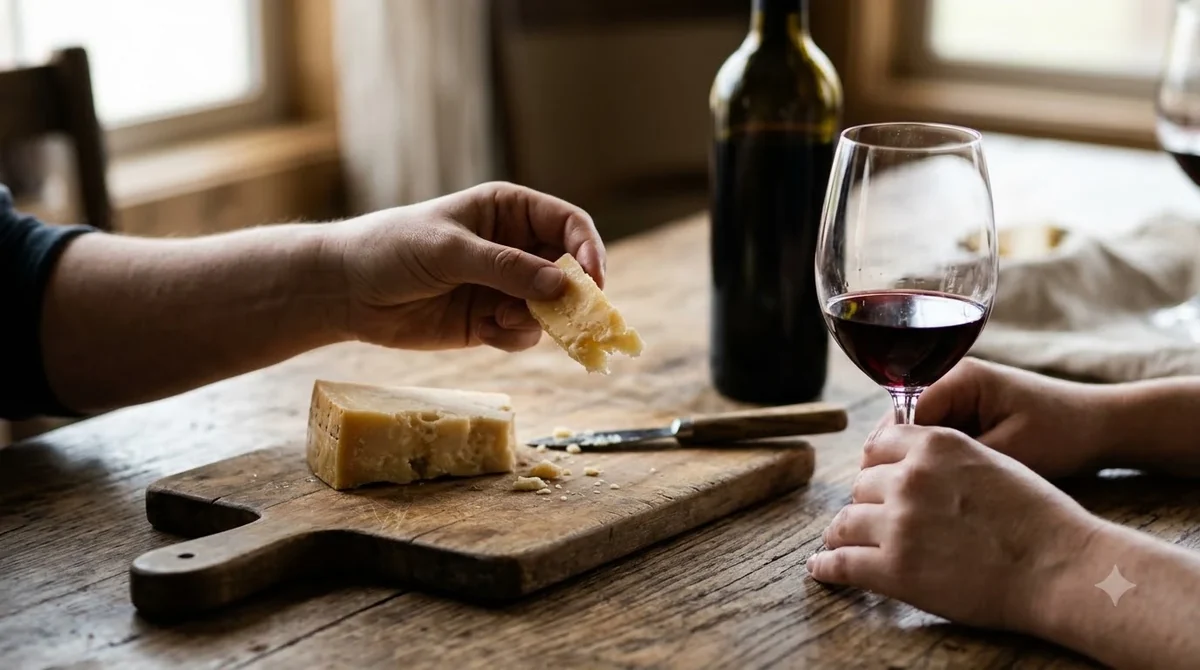
Riesling styles range from bone-dry to very sweet, and that range is the single most important thing to know before you buy. A dry Riesling tastes crisp and mineral, with little perceived sweetness. An off-dry Riesling has a touch of residual sugar that softens the acidity and makes the wine feel rounder. Sweeter styles taste clearly fruity and can work well as dessert wines.
The label or the producer’s product page is the best place to check how sweet a given Barefoot Riesling is, because the level can vary by bottling. If you enjoy sweeter wines like Moscato, you may find a sweeter Riesling appealing, while drinkers who prefer a dry white might want to look at a drier style. Matching the sweetness to your taste is more useful than trusting a general description of the grape.
| Riesling style | What to expect | Good with |
|---|---|---|
| Dry | Crisp, mineral, citrus-led, little perceived sweetness | Seafood, salads, light poultry |
| Off-dry | Soft fruit, balanced acidity, easy to sip | Spicy Indian or Asian dishes, pork, shrimp |
| Sweet | Rich fruit and floral notes, lower acidity impression | Fruit desserts, blue cheese, cheesecake |
Tip: If you are unsure which style you want, choose an off-dry Riesling. It sits in the middle of the range and suits most mixed tables.
How to Serve Barefoot Riesling
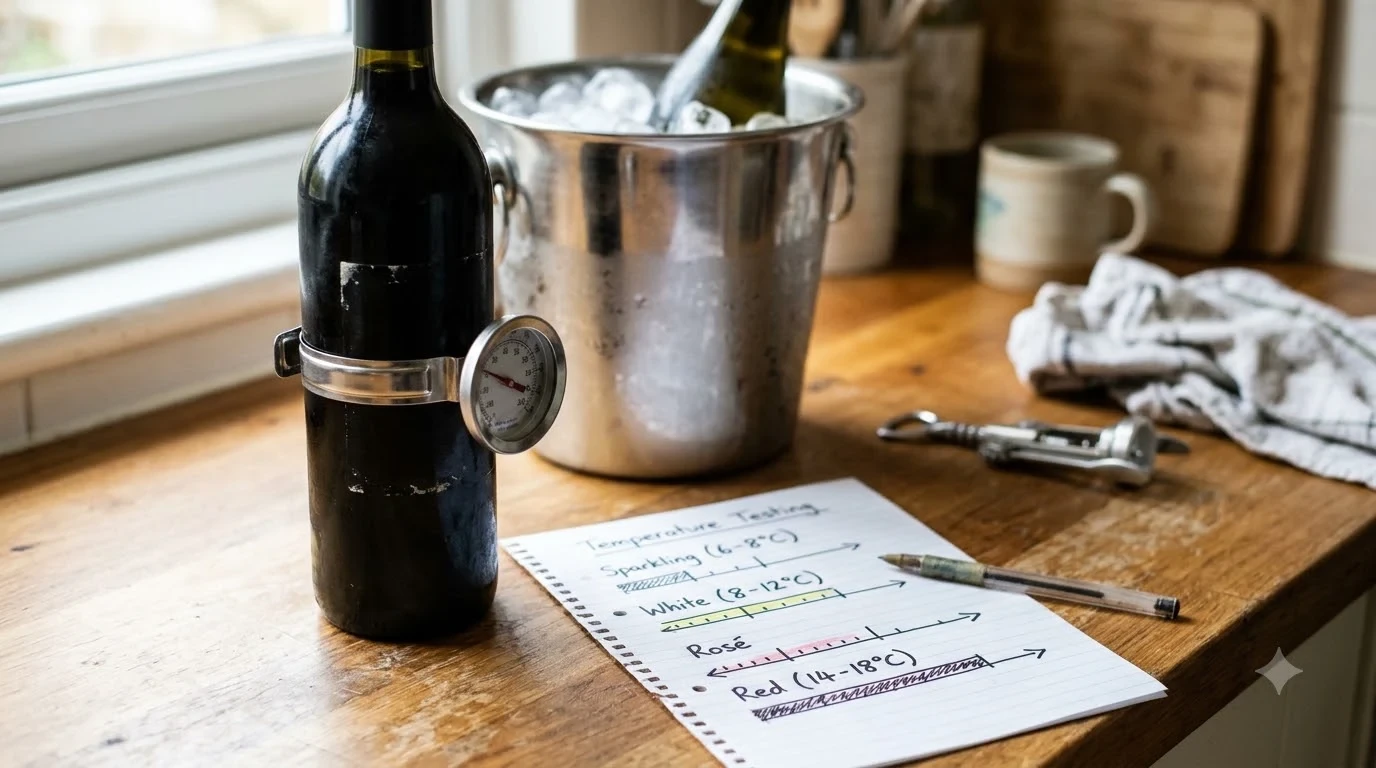
Riesling is best served cold, with a temperature range of about 38 to 45 degrees Fahrenheit, according to Wine Folly’s Riesling guide. At that temperature the acidity stays lively and the aromas remain clear. Serve it in a white wine glass, and avoid letting the bottle sit at room temperature for long, since warmth can make the wine taste flat and sugary.
Riesling does not need decanting, and it is generally meant to be drunk young, although some styles can age well for a decade or more. Once opened, a Riesling keeps for a few days when it is recorked and refrigerated, so you do not need to finish the bottle in one evening.
Food Pairings for Riesling
Off-dry Riesling is one of the most flexible wines at the table. Its sweetness balances heat, which makes it a natural match for spicy Indian and Asian dishes. It also pairs well with pork, bacon, duck, and shellfish, since its acidity cuts through richness without overwhelming the flavor of the food.
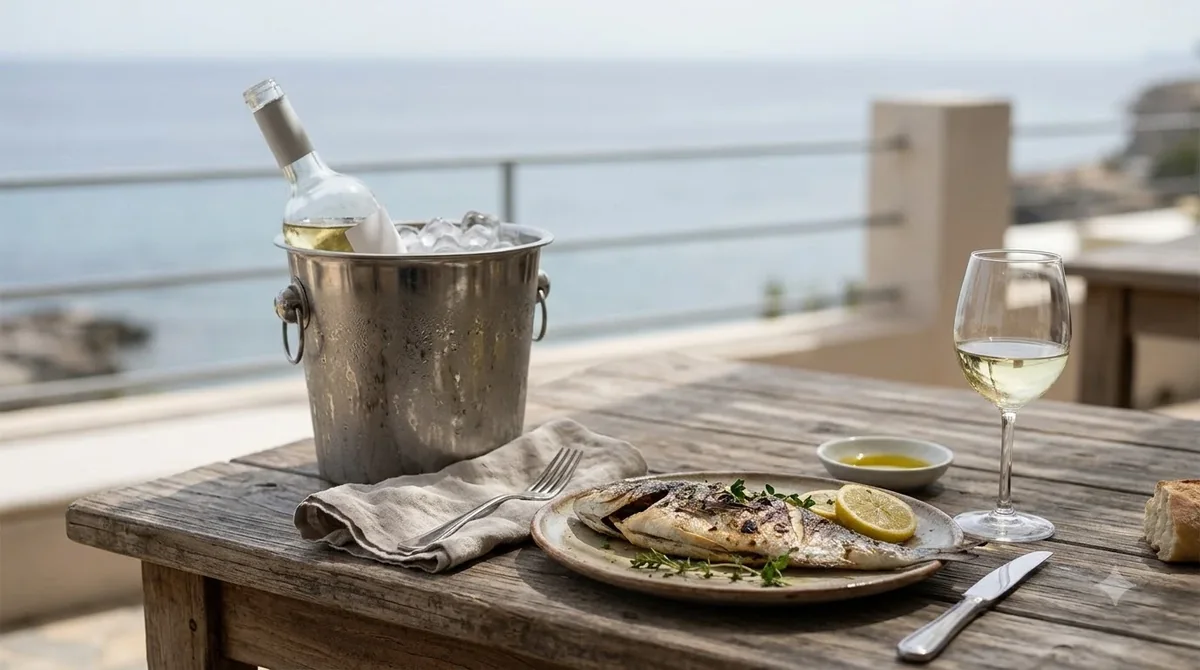
Dry Riesling suits lighter fare, such as grilled fish, salads with citrus dressing, and fresh goat cheese. Sweeter styles pair with fruit desserts and some strong blue cheeses. For a broader look at how producers approach style and food, the wine brands section is a useful reference.
Barefoot Riesling sits alongside the brand’s other easy-drinking whites and sweeter wines. If you want to compare it with a sweeter option, Barefoot Moscato offers a more aromatic, sugar-forward style. The rosé-style alternative is covered in Barefoot Pink Moscato. For the wider brand, the Barefoot wine guide explains the full range.
Common Mistakes When Buying Riesling
The most common mistake is assuming all Riesling tastes sweet. Many shoppers remember a sugary white from years ago and avoid the grape altogether, when a drier bottle could suit them well. Reading the sweetness note on the label, or asking a shop staff member which style is driest, prevents that disappointment and helps you find a bottle you will enjoy.
Another mistake is serving Riesling too warm. A white that sits on a warm table loses its acidity and aromatic lift, and the sweetness can start to dominate. Keeping the bottle in an ice bucket or the refrigerator until just before serving helps the wine taste the way it was meant to. Finally, do not pair a delicate dry Riesling with heavy, rich sauces, since the wine can get lost. Choose lighter dishes or a sweeter bottle for richer meals.
A last point is storage. Keep the bottle cool and away from light before opening, since heat and sunlight can dull the fresh aromas that make Riesling appealing. Once a bottle is open, pour a small amount to start and recork the rest, rather than leaving it uncovered on the counter for hours. For a casual evening, a chilled bottle set in a bucket of ice on the table keeps the wine at a steady temperature without the need to refill the fridge every half hour.
Is Barefoot Riesling Right for You?
Barefoot Riesling is a good choice when you want a white wine that is light, approachable, and easy to pair. It suits people who like fruit-forward whites and who want to explore a grape that is more than a single style. Its acidity keeps it refreshing on warm days and at casual meals.
It may not satisfy someone looking for a complex, age-worthy dry white with a long finish. For that style, a shopper might look at a drier, estate-focused Riesling from a specialist producer. Barefoot works best when the goal is a pleasant, easy bottle that suits a crowd.
Frequently Asked Questions
Is Barefoot Riesling sweet?
Riesling can be dry or sweet, so the level depends on the specific bottle. Check the label or the producer’s product page for the sweetness of the bottling you are considering.
How should Barefoot Riesling be served?
Serve it cold, in a white wine glass, and avoid letting it warm up for long. A cold serve keeps the acidity and aromas lively.
What food goes well with Riesling?
Off-dry Riesling pairs well with spicy Asian and Indian dishes, pork, duck, and shellfish. Drier styles suit grilled fish and citrus-dressed salads.
How long does an open bottle of Riesling last?
An opened bottle usually keeps for a few days when it is recorked and refrigerated. The wine loses freshness over time, so it is best enjoyed soon after opening.
Barefoot Riesling is a practical white for everyday meals and casual gatherings. Check the sweetness on the label, serve it cold, and pair it with food that matches its style. That approach will get you a glass that tastes right for the occasion.
More in Wine Brands
 Underwood Wine Price: Compare Bottles, Cans, and Pack SizesUpdated Nov 21, 2026
 Zenato Wine Price: Compare Styles and Choose the Right BottleUpdated Nov 21, 2026
 Zuccardi Wine Price: Compare Bottles and Find the Right RangeUpdated Nov 21, 2026
 Yellow Tail Moscato Review: Taste, Sweetness and Serving TipsUpdated Nov 21, 2026
 Wolf Blass Yellow Label Review: Choose Your Best StyleUpdated Nov 21, 2026
 Wolffer Estate Rose Review: Choose the Right Bottle for Your TableUpdated Nov 21, 2026