

We may earn a commission when you buy through links on this page, at no extra cost to you. Learn more.
Channing Daughters wine comes from a small, family-run estate in Bridgehampton, on Long Island’s South Fork, known for Italian and Austrian grape varieties and for orange wines. The winery was planted in 1982 by Walter Channing and named after his four daughters. Its portfolio is wide, with rosés, pét-nats, field blends, and a Chardonnay range, so the house style is best understood through the grape and the vineyard rather than a single flagship bottle.
This guide explains where Channing Daughters wine comes from, how its styles differ, what orange wine means for this producer, and how to serve and pair the bottles. It also covers what a visit to the Bridgehampton tasting room is like, and who tends to enjoy these wines more than a standard Long Island Chardonnay or Merlot.
Where Channing Daughters wine comes from
Channing Daughters is in Bridgehampton, New York, on the East End of Long Island in the Hamptons. The estate describes itself as a small, family-owned winery. Walter Channing, a sculptor and venture capitalist, planted the first Chardonnay vines in 1982 as what the estate calls “a dream and an experiment,” and he named the project for his daughters.
The property now covers about 28 acres in Bridgehampton, spread across six vineyard blocks planted between 1982 and 2007. The soils include Bridgehampton silt loam and Riverhead sandy loam, and the estate farms sustainably, hand-picks its fruit, and uses cover crops to protect the soil. The winery is a founding member of Long Island Sustainable Winegrowing, an independently certified program. These details matter because the wines are meant to show the site rather than a single international style.
The current team is led by a winemaker and partner, Christopher Tracy, with a managing partner who runs operations and a hospitality team that handles the tasting room and events. Production is relatively small, so the portfolio changes from year to year as blocks are harvested and blends are assembled.
The main Channing Daughters wine styles
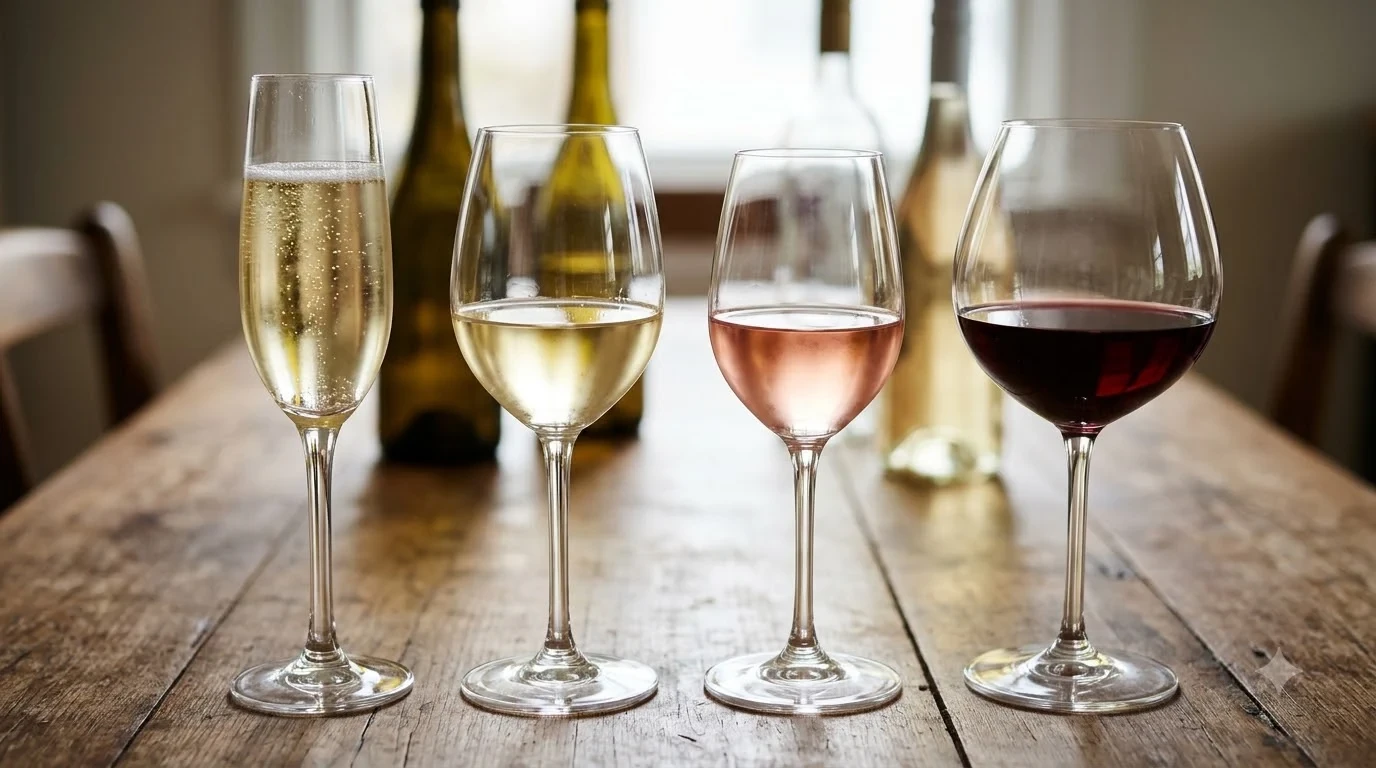
The range is broad, and the winery’s own list includes reds, whites, sparkling wines, fortified wines, rosés, library releases, and orange wines. The most distinctive part of the portfolio is the Italian and Central European grape work. Names such as Ribolla Gialla, Tocai Friulano, Pinot Grigio, Lagrein, Refosco, and Blaufränkisch appear regularly, along with more familiar Chardonnay, Merlot, Cabernet Franc, Syrah, and Sauvignon Blanc.
The table below is a simple guide to the styles you are most likely to meet. The exact lineup changes with each vintage, so check the current listing before you buy or plan a visit.
| Style | Common grapes | What it tastes like | Best for |
|---|---|---|---|
| Rosato and rosé | Cabernet Franc, Blaufränkisch | Dry, savory, with red fruit and a little texture | Warm weather, light meals |
| Orange wine (ramato style) | Pinot Grigio, Ribolla Gialla, Tocai Friulano | Tangy, tannic, with dried citrus and nutty notes | Food-friendly tables and adventurous drinkers |
| Chardonnay | Estate Chardonnay from several clones | Mineral, structured, with a Burgundian lean in the top bottlings | Fish, poultry, and cream sauces |
| Red blends and field blends | Merlot, Blaufränkisch, Teroldego, Lagrein | Savory red fruit, firm texture | Grilled meats, roast dishes |
| Pét-nat and sparkling | Varies by bottling | Lively, slightly cloudy, playful | Casual gatherings, aperitifs |
Tip: Field blends and interplanted blocks mean one bottle can carry several varieties at once. If a label lists more than one grape, expect a wine with more layers than a single-variety bottle.
What orange wine means at Channing Daughters
Orange wine is white wine made with extended contact between the juice and the grape skins, and sometimes the seeds. That contact pulls tannin and texture into the wine and gives it a deeper color. Winemakers have made these wines for centuries in Georgia, where grapes ferment in buried clay vessels called qvevri, and the style has spread to many other regions since then.
Most orange wines are dry and tannic, with a tang that some people compare to a sour beer. Aromas can run from bruised apple and dried citrus to nuts, sourdough, herbs, and savory spice. Channing Daughters’ versions tend to sit on the savory, structured side of the style, which makes them suited to food rather than casual sipping alone.
If you have never tried orange wine, start with a lighter bottling and open it with a meal. The texture can be surprising at first, but many drinkers find it becomes more appealing with food, especially dishes with acid, salt, or spice.
How Channing Daughters wines taste
The house style is about place and freshness rather than heavy oak or ripe fruit. The Chardonnay bottlings show a more restrained, mineral character, and the top Chardonnay is described by the estate as Burgundian in style, which means it leans toward tension and texture rather than tropical flavors. The Italian-leaning whites are tangy and dry, while the reds are savory and structured without the big, jammy character of many warm-climate Merlots.
Because the wines come from blends and interplanted blocks, they often show more complexity on the second or third sip. That is part of the appeal for people who enjoy following a single vineyard across several vintages, and it is also why a tasting flight can be more useful than a single bottle when you are learning the brand.
Some of the bottles are meant for early drinking, especially the rosé and pét-nat styles, while certain reds and orange wines can improve with a few years of bottle age. Check the vintage and the producer’s technical notes before you decide when to open a bottle.
How to serve Channing Daughters wine
Serving temperature matters more for these wines than many people expect. Whites and rosés work best well chilled but not ice cold, while the orange wines can be served a little warmer, which lets the aroma and tannin open up. Reds such as Blaufränkisch or a Lagrein-based bottle benefit from a short time in the refrigerator before serving, usually about fifteen minutes, so the fruit stays clear.
A medium-sized glass with room to swirl is a good choice for every style. For orange wine, a slightly larger bowl helps the aroma gather. Pour moderate amounts and let the wine sit for a few minutes as it warms, since the texture and savory notes often become clearer as the glass empties.
For pét-nat, open the bottle carefully and expect some sediment and a cloudy look, which is normal for the style. Pour gently, and keep the bottle cold while you serve it so the bubbles stay lively.
Food pairing with Channing Daughters wine
The estate’s wines fit a relaxed, food-first approach. Rosé pairs with grilled vegetables, tomato dishes, charcuterie, and seafood. The Italian-leaning whites suit fish, shellfish, pasta with light sauces, and soft cheeses. Orange wines are the most adventurous match: Wine Folly’s guide to orange wine recommends them with spicy Asian and Indian dishes, fermented foods such as kimchi, and a range of mains from grilled fish to roast chicken.
The Chardonnay works with roast chicken, grilled fish, and mushrooms, while the reds suit grilled meats, roast pork, and rich vegetable stews. Savory dishes with herbs and a little char are a good fit for most of the reds, since the tannin and acidity keep the palate fresh.
When in doubt, match the wine’s structure to the dish. Light, lean foods pair with the crisper whites and rosés, while heavier, spicier foods need the tannin and body of an orange wine or a firm red.
Visiting the Bridgehampton tasting room
The estate’s tasting room is a relaxed stop on the East End. Walk-ins are welcome, and the winery asks groups of more than eight to make a reservation through its booking link. The tasting room keeps daytime hours on most days, with extended hours on Friday and Saturday evenings, and the winery also runs a casual golden-hour wine bar with music and snacks on the weekend.
The property also hosts private events, including a sculpture garden, a tasting room lawn, and a vineyard venue. Because hours and event schedules change through the year, check the winery’s website before you plan a visit, and confirm the holiday closures listed there.
A visit gives you context that a shelf label cannot. Seeing the blocks and the sculpture garden helps explain why the estate focuses on blends and interplanted vineyards, and it makes the orange wines and Italian varieties easier to appreciate.
Who Channing Daughters wine suits and who might skip it
Channing Daughters suits drinkers who enjoy food-driven wines, adventurous whites, and savory reds, and who like to explore beyond the usual Chardonnay and Merlot. It is also a good fit for people interested in sustainable farming and small-estate winemaking, because the estate’s vineyard work is central to the brand.
It may be less appealing if you want a big, fruit-forward wine with soft tannin from the first sip, or if you prefer the ripe, oaky Chardonnay that many American buyers expect. Orange wines can also be a challenge for drinkers who are used to clean, bright whites. In those cases, a rosé or a leaner white is a gentler way in.
For a broader view of how this estate compares with other producers, the wine brands guide places it among many styles and regions. If you want a crisp, sparkling contrast to the orange wines, the La Marca Prosecco page covers a lighter, fruit-led style.
Frequently Asked Questions
What is Channing Daughters known for?
The winery is known for its Italian and Central European grape varieties, its orange wines and rosés, and its blends from interplanted vineyard blocks on Long Island’s South Fork. It is also recognized for sustainable farming.
Where is Channing Daughters located?
The winery is in Bridgehampton, New York, on the East End of Long Island in the Hamptons. The tasting room is open to walk-in visitors on most days, with reservations recommended for larger groups.
Is orange wine a good starting point for a new drinker?
It can be, if you pair it with food and choose a lighter bottling first. The tannin and tangy character are the main differences from white wine, and many people find them easier to enjoy with a meal than on their own.
Which Channing Daughters wine should I try first?
A rosé or one of the Italian-leaning whites is a good first choice, because they are dry and food-friendly. From there, try an orange wine or a red blend to see how the estate’s style develops across the range.
Channing Daughters wine rewards curiosity. The estate is small, the vineyards are carefully managed, and the range goes well beyond standard Long Island wines. Start with a rosé or an Italian-style white, serve the bottle at the right temperature, and pair it with a meal. For more context on the brand, browse the wine brands guide and compare the estate’s style with other producers.
More in Wine Brands
 Underwood Wine Price: Compare Bottles, Cans, and Pack SizesUpdated Nov 21, 2026
 Zenato Wine Price: Compare Styles and Choose the Right BottleUpdated Nov 21, 2026
 Zuccardi Wine Price: Compare Bottles and Find the Right RangeUpdated Nov 21, 2026
 Yellow Tail Moscato Review: Taste, Sweetness and Serving TipsUpdated Nov 21, 2026
 Wolf Blass Yellow Label Review: Choose Your Best StyleUpdated Nov 21, 2026
 Wolffer Estate Rose Review: Choose the Right Bottle for Your TableUpdated Nov 21, 2026