

We may earn a commission when you buy through links on this page, at no extra cost to you. Learn more.
Ribolla Gialla wine is a dry, crisp white from northern Italy, near the Slovenian border, with citrus, baked apple and thyme notes and bright acidity. Its body is medium-light, it has no tannin, and it is usually around 11.5% to 13.5% alcohol. It is served cool, and it suits seafood, fresh salads and light veal dishes.
Ribolla Gialla is an ancient white grape that is rarely seen outside its home area, so many American wine drinkers have never tried it. That is a pity, because the wine offers a distinctive mix of fruit, floral aromas and fresh acidity that stands apart from the more familiar Pinot Grigio or Chardonnay. This guide covers where the grape comes from, what the wine tastes like, how to serve it and what to eat with it.
Where Ribolla Gialla Comes From
Ribolla Gialla is described by Wine Folly’s grape guide as an ancient white variety from northern Italy, bordering Slovenia. The grape’s name means “yellow Ribolla,” and it is one of the old white varieties that grew in the region long before modern wine regions were mapped out. Its home ground along the eastern edge of Italy gives it a cool, crisp character that suits the wine’s bright style.
Because the grape is so rarely planted elsewhere, most bottles you find in the United States come from producers in that northern corner of Italy. Look for the region on the label, and check the producer’s notes for details on vineyard sites and winemaking choices.
What Ribolla Gialla Tastes Like
Ribolla Gialla wine is dry, with a medium-light body and no tannins, which means it feels smooth and clean rather than grippy. Acidity is medium-high, so the wine has a lively, refreshing edge that carries the flavor from the first sip to the finish.
The flavor profile is fruity and floral. Common notes include baked apple, tangerine, citrus, beeswax and thyme. The aromas tend to be fruity and perfumed, and the herbal finish gives the wine a savory note that many people find surprising in a white.
Alcohol, Body and Texture
Most Ribolla Gialla wines land between 11.5% and 13.5% alcohol by volume. That is a moderate level for a white, so the wine feels light and easy to drink with a meal. The body stays fairly slim, which helps the acidity do its work on the palate.
The texture is clean and direct. Without tannin, there is no drying effect, and the wine’s acidity keeps the mouth feeling fresh. Many producers choose a simple, unoaked style, so the fruit and herbal character stay in front. Some bottles may show a little more texture from time on the lees, but the core of the wine remains crisp.
How to Serve Ribolla Gialla
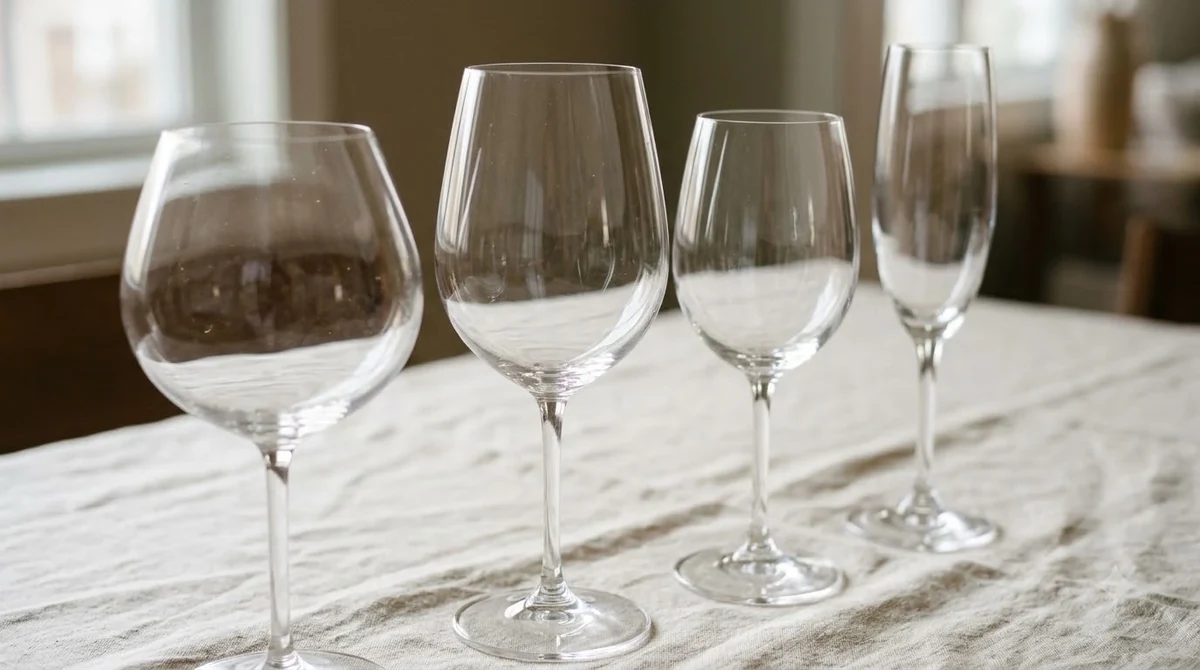
Serve Ribolla Gialla cool, in the range of 45 to 55 degrees Fahrenheit, which is about 7 to 12 degrees Celsius. At that temperature the acidity feels bright and the fruit stays clean. A standard white wine glass is a good choice, since it focuses the aroma without trapping too much heat from the hand.
Glass shape matters less than temperature, but a glass with a moderate bowl still helps the herbal and floral aromas collect near the rim. Fill the glass about halfway so there is room to swirl gently, and avoid tilting the bottle over a warm plate of food before pouring.
Decanting is not needed for this wine. Open the bottle shortly before serving, pour it into chilled glasses, and enjoy it while it is cold. The wine can also age for a few years, with the source suggesting it can be cellared for three to five years, so a bottle can be kept for a while if you want to try it at a different stage.
Tip: If the bottle warms on the table, the fruit can taste softer and the acidity less lively. Keep the bottle in an ice bucket for the best balance.
Food Pairings for Ribolla Gialla
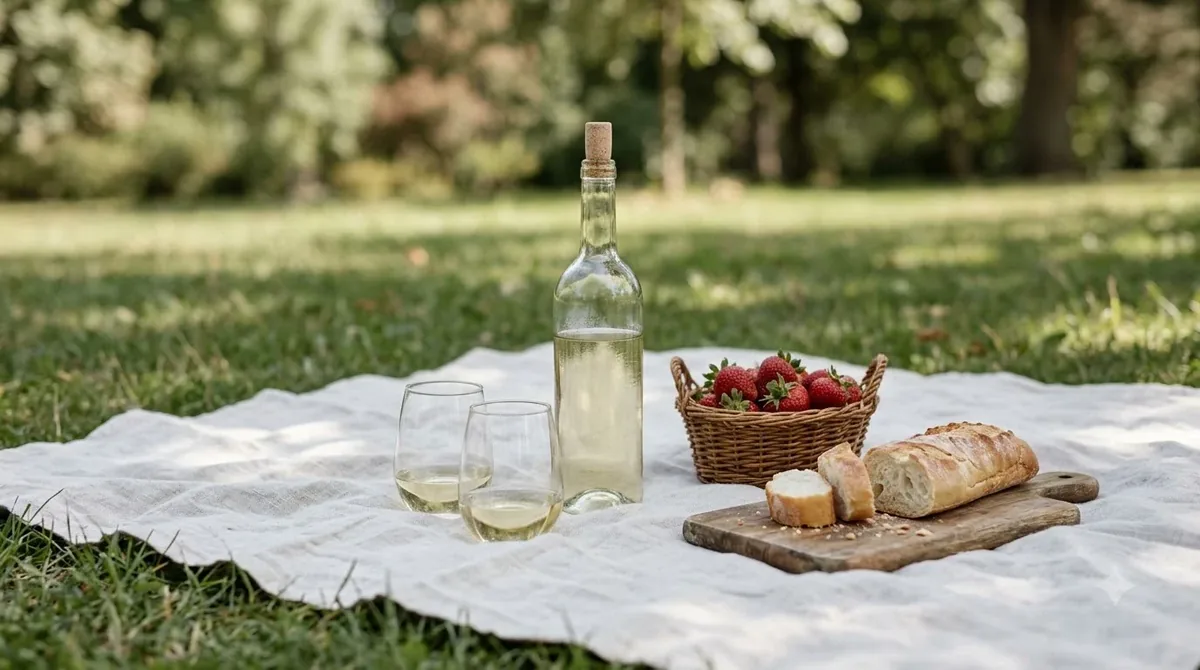
The wine’s acidity and clean finish make it a natural partner for seafood and fresh dishes. Deep-fried seafood, mussels in a garlic and white wine sauce, and lemon caper veal piccata all suit its bright style. Fresh salads with citrus dressings also work well, as do soft cheeses and light vegetable dishes.
| Dish | Why it works |
|---|---|
| Deep-fried seafood | Acidity cuts through the oil and crisp coating |
| Mussels in white wine and garlic | Matching savory sauce and lively fruit |
| Lemon caper veal piccata | Citrus and herbal notes echo the lemon |
| Fresh green or citrus salads | Crisp acidity keeps each bite refreshing |
Because the wine has a herbal, thyme-like note, it also works well with dishes that use fresh herbs. Roasted chicken with lemon and rosemary, or grilled vegetables with olive oil, can be good matches. If you are exploring other crisp whites, our guide to auslese wine shows how a sweeter white can differ, and the Wine by Type section covers more grape families.
How to Choose a Bottle
Start by looking for the producer’s name and the region on the label. Because the grape is rarely found outside its home area, a producer’s notes are the best guide to the style. Check whether the wine is labeled as a fresh, unoaked style if you want maximum brightness, or whether the producer describes a richer, more textured version.
Consider what you plan to serve it with. For a seafood dinner or a light lunch, a fresh bottle with clear citrus and apple notes is a good match. For a dinner built around veal or chicken with herbs, a slightly richer style may suit better. Either way, buy a bottle you can enjoy cold, because that is how it shows its best.
Pairing with a cheese plate is another easy option. A fresh goat cheese or a young, mild cheese picks up the citrus and apple notes, and the wine’s acidity keeps the richness of the cheese from feeling heavy. Serve a few crackers and some sliced fruit alongside, and the bottle becomes a relaxed starter for guests before a larger meal. A bowl of olives or a simple bruschetta with tomato also works well and keeps the pace of the evening easy.
Ribolla Gialla is also a useful choice for guests who enjoy aromatic whites but find some styles too sweet. Its dry character makes it a good middle ground between a crisp Pinot Grigio and a more textured white with more body. Because the wine rewards a cold glass and a light plate, it is also a good choice for a casual afternoon gathering, where people drink slowly and talk longer.
Frequently Asked Questions
What does Ribolla Gialla wine taste like?
It tastes dry and crisp, with notes of baked apple, tangerine, citrus, beeswax and thyme. It has medium-high acidity and a light, clean finish.
Is Ribolla Gialla sweet or dry?
Ribolla Gialla is generally a dry white wine. Its fruit comes through clearly, but it does not usually taste sweet, and it has no tannin.
How should I serve Ribolla Gialla?
Serve it cool, around 45 to 55 degrees Fahrenheit, in a standard white wine glass. It does not need decanting.
What food goes with Ribolla Gialla?
Deep-fried seafood, mussels in garlic and white wine sauce, lemon caper veal piccata and fresh salads are all good matches. Its acidity keeps rich dishes feeling fresh.
Ribolla Gialla is a rewarding white for drinkers who want something fresh and a little different. Chill a bottle, pair it with seafood or a bright salad, and enjoy the clean finish that makes it stand out.
More in Wine Types & Grapes
 Zinfandel Sugar Content: Dry Red vs. White Zinfandel GramsUpdated Nov 21, 2026
 Best Zinfandel Substitute Options for Sipping and CookingUpdated Nov 21, 2026
 Zweigelt Food Pairing: Best Dishes, Cheeses, and Serving TipsUpdated Nov 21, 2026
 Zinfandel Tannins Explained: How Structure Shapes Every BottleUpdated Nov 21, 2026
 Zinfandel Sweetness Level: Dry Red vs. Sweet White Zin ExplainedUpdated Nov 21, 2026
 Xinomavro Food Pairing: Best Dishes, Styles, and Serving TipsUpdated Nov 21, 2026