


We may earn a commission when you buy through links on this page, at no extra cost to you. Learn more.
Barefoot bubbly refers to the sparkling wines in the Barefoot lineup, a Bubbly category made by Barefoot Cellars in Modesto, California. The range includes Brut-style and Extra Dry sparkling wines along with Moscato Spumante and a Pink Cuvée, so shoppers can choose a dry, fruity, or pink style depending on the occasion.
Barefoot is one of the most recognized names in American wine, and its sparkling wines are a common choice for parties, brunch, and casual gatherings. This guide explains what the Barefoot bubbly range includes, where the wines come from, how they differ, and how to serve and pair them. The aim is to help you pick the right style without guessing from the label alone.
What Barefoot Bubbly Is and Who Makes It
Barefoot wines are produced by Barefoot Cellars, based in Modesto, California. The brand’s official site presents Bubbly as one of its main categories, alongside red, white, pink, Fruitscato, and sweet wines. That structure makes it easy to see that sparkling wine is a core part of the brand rather than a side product.
The brand has a longer history than its modern marketing suggests. E. & J. Gallo Winery bought Barefoot in 2005, and the company now uses the name GALLO after shortening its corporate name in 2024. For a shopper, the ownership detail mostly explains why the brand has wide distribution and a consistent, easy-drinking style across many products.
The Main Styles in the Bubbly Range
The sparkling lineup is more varied than the name suggests. Reference sources describe a set of bubbly products that includes a Brut Cuvée made with Chardonnay, an Extra Dry style, a Pinot Grigio-based sparkler, a Moscato Spumante, and a Pink Cuvée. Each one sits at a different point on the sweetness and fruit scale, which is the most useful way to shop the range.
Brut is the driest term in the sparkling wine world, and a Brut Cuvée usually tastes crisp, with less sugar and more focus on the wine’s acidity. Extra Dry is a step sweeter than Brut, which makes it approachable for people who want a softer finish. Moscato Spumante leans sweet and aromatic, with floral and fruit notes. Pink Cuvée is usually lighter and fruitier, with a pink color and a friendly, easy profile.
| Style | General sweetness | Typical character |
|---|---|---|
| Brut Cuvée (Chardonnay) | Dry | Crisp, clean, focused bubbles |
| Extra Dry | Off-dry | Soft fruit, easy finish |
| Pinot Grigio sparkling | Dry to off-dry | Light citrus and pear notes |
| Moscato Spumante | Sweet | Floral, aromatic, fruit-forward |
| Pink Cuvée | Off-dry | Red-berry fruit and a light, playful feel |
Tip: If you are not sure which sparkling style you like, start with an Extra Dry or Moscato Spumante, then move toward a Brut once you know how much sweetness you enjoy.
How to Serve Barefoot Bubbly
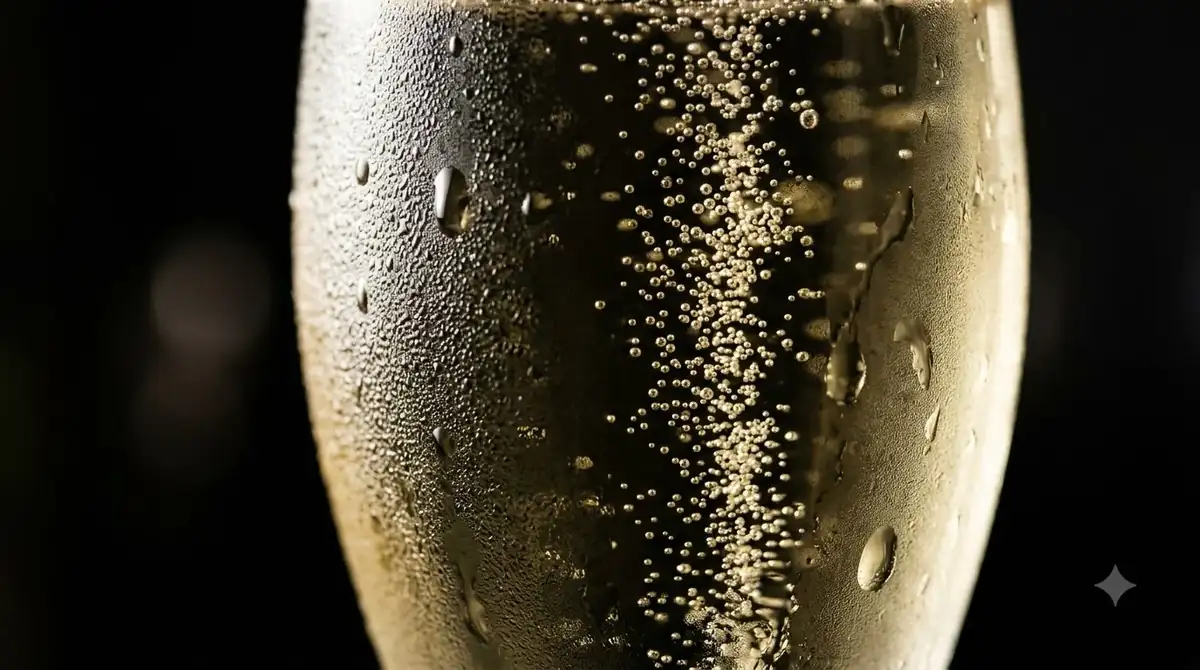
Sparkling wine should be served well chilled, but not so cold that the aromas disappear. A cool glass helps the bubbles last, and a flute or a tulip-shaped glass keeps the fizz focused and lets the aromas gather near the rim. Pour slowly to avoid a rush of foam, and keep the bottle cold between refills if the party runs long.
Because sparkling wine can lose its fizz once opened, it is best to finish the bottle within a day or so. A sparkling stopper helps keep the bubbles for a while, though it will not preserve the wine indefinitely. Serving in small pours also helps the bottle last through a gathering.
If you plan to serve a mix of styles, set the sweeter bottle out first and move to the drier one afterward. Tasting from sweet to dry lets the palate adjust, while starting with a dry wine can make a later sweet pour taste overly heavy. Labeling the bottles or setting a card near each one also helps guests choose without asking. Keep the sweeter and drier bottles in separate spots in the cooler so the two styles do not get mixed up during a busy evening.
Food Pairings for Barefoot Sparkling Wine
The bubbles in sparkling wine cut through rich and fried food, which makes the category easy to pair. Dry styles work well with salty snacks, soft cheeses, and light appetizers. Extra Dry and Pink Cuvée suit fruit salads, berry desserts, and brunch dishes with eggs or pastry.
Moscato Spumante is sweeter, so it pairs best with dessert or fruit-based sweets. Matching sweetness with sweetness is a helpful rule here: a sweet sparkler works with sweet food, while a drier bottle stands up to savory flavors. For a broader look at how producers approach style and food, the wine brands section offers useful comparisons.
Barefoot bubbly sits in the everyday, approachable part of the sparkling market. If you are comparing styles, the sweeter Moscato is covered in more detail in Barefoot Moscato, and the rosé-style option is explained in Barefoot Pink Moscato. Those guides help you move from the bubbly range to the specific bottle you want.

Barefoot Bubbly Compared With Other Sparkling Wines
Sparkling wine comes in many forms, and the production method changes the result. Traditional-method sparkling wines, such as Champagne, go through a second fermentation inside the bottle, which tends to produce finer bubbles and more savory, bready notes with age. Many Barefoot bubbly styles are made to a lighter, more direct profile, which keeps the wine fresh and fruit-forward from the first pour.
That difference matters when you compare prices and expectations. A shopper looking for a celebratory bottle with layered aromas may prefer a traditional-method wine. A shopper planning a relaxed gathering, a shower, or a backyard brunch may find the Barefoot range better suited to the occasion, because it is easy to share and easy to match with a mixed menu.
Is Barefoot Bubbly Right for You?
Barefoot bubbly is a practical choice for people who want a crowd-friendly sparkler without a steep learning curve. The range offers several sweetness levels, which makes it easier to find something that suits a mixed group. It is also widely available, so it is easy to find when you need a bottle for a last-minute gathering.
It may not suit someone looking for a complex, traditional-method Champagne or a bone-dry, mineral-driven sparkler. For those tastes, a shopper may want to look at a different producer. Barefoot is a good fit when the goal is an easy, pleasant bottle that works across many palates.
Frequently Asked Questions
What is Barefoot bubbly?
Barefoot bubbly is the sparkling wine part of the Barefoot lineup. It includes several styles, from Brut-style and Extra Dry wines to Moscato Spumante and a Pink Cuvée.
Is Barefoot bubbly sweet?
It depends on the style. Brut and some sparkling Pinot Grigio tend to be drier, Extra Dry is off-dry, and Moscato Spumante is the sweetest option in the range.
Who makes Barefoot bubbly?
Barefoot wines are produced by Barefoot Cellars in Modesto, California. The brand is owned by E. & J. Gallo Winery, which bought Barefoot in 2005.
How should I serve Barefoot sparkling wine?
Serve it well chilled in a flute or tulip glass, and pour slowly to control the foam. Finish the bottle within a day or so, since sparkling wine loses its fizz after opening.
Barefoot bubbly is an easy place to start if you want a sparkling wine that suits many tastes. Choose a style based on how sweet you like your wine, serve it cold, and pair it with food that matches its weight and sweetness.
More in Wine Brands
 Underwood Wine Price: Compare Bottles, Cans, and Pack SizesUpdated Nov 21, 2026
 Zenato Wine Price: Compare Styles and Choose the Right BottleUpdated Nov 21, 2026
 Zuccardi Wine Price: Compare Bottles and Find the Right RangeUpdated Nov 21, 2026
 Yellow Tail Moscato Review: Taste, Sweetness and Serving TipsUpdated Nov 21, 2026
 Wolf Blass Yellow Label Review: Choose Your Best StyleUpdated Nov 21, 2026
 Wolffer Estate Rose Review: Choose the Right Bottle for Your TableUpdated Nov 21, 2026