

We may earn a commission when you buy through links on this page, at no extra cost to you. Learn more.
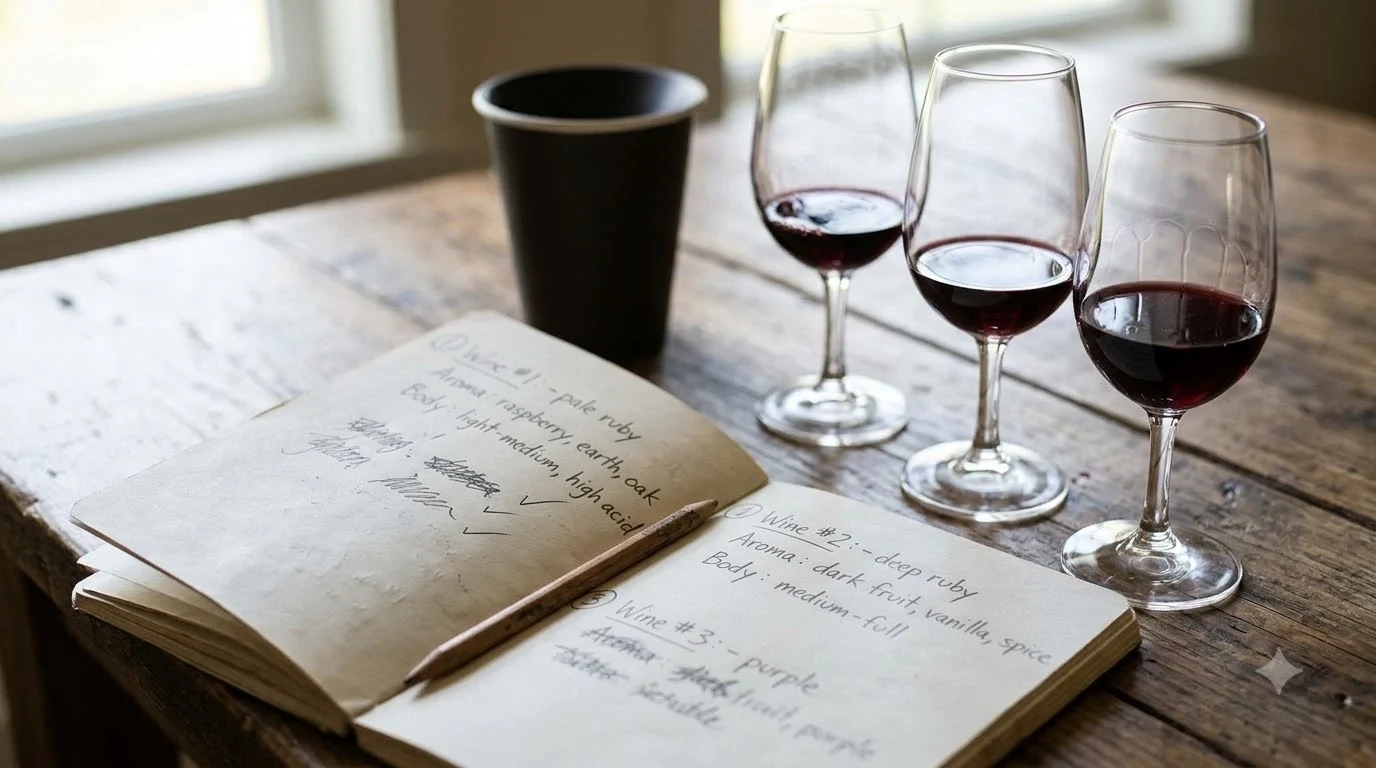
Sweet merlot is a red wine made from the merlot grape that keeps some of its natural grape sugar after fermentation, so it tastes softer and fruitier than a dry bottle. Most merlot is made dry, so a sweet merlot is a deliberate style rather than the default. Winemakers create it by leaving residual sugar in the wine, and the amount of sugar determines how sweet it tastes.
This guide explains what sweet merlot is, why most merlot tastes dry, and how winemakers change sweetness. It also covers how to read a label, which foods suit a sweeter red, and how to serve and store the wine once you bring it home.
What Is Sweet Merlot?
Sweet merlot is a merlot with noticeable residual sugar, the grape sugar left behind when yeast stops turning sugar into alcohol. The wine still shows merlot’s plum, cherry and soft tannin character, but the sweetness rounds out the edges and makes the finish feel fuller.
Sweet reds are less common than sweet whites, so the category can be confusing. Many shoppers assume every red is dry by default. That is mostly true for merlot, which is usually sold as a dry table wine. A sweet version is a specific style, and you will usually find it described with words like off-dry, semi-sweet or dessert-style on the bottle or the producer’s website.
If you are new to the style, think of sweet merlot as a red built for easy drinking. It suits people who want fruit forward flavors without the drying feel that some dry reds leave behind.
Why Most Merlot Tastes Dry
Most merlot is dry because yeast usually converts nearly all of the grape sugar into alcohol during fermentation. Merlot grapes ripen to produce rich fruit, and many producers prefer to let that fruit speak through structure rather than sweetness.
According to Wine Folly’s residual sugar guide, many grocery store wines labeled as dry still contain about 10 grams per liter of residual sugar. That means the line between dry and sweet is less sharp than many labels suggest, and a wine can taste dry even when a small amount of sugar remains.
Dry merlot is also a matter of style. A dry Finger Lakes merlot, for example, shows how a producer can focus on dark fruit, herbal notes and oak. The winery data for one 2017 merlot lists residual sugar at 0.2 percent, a level that makes the wine taste dry to most drinkers. Sweet merlot exists because some producers and blenders want the opposite effect.
How Winemakers Make Merlot Sweeter
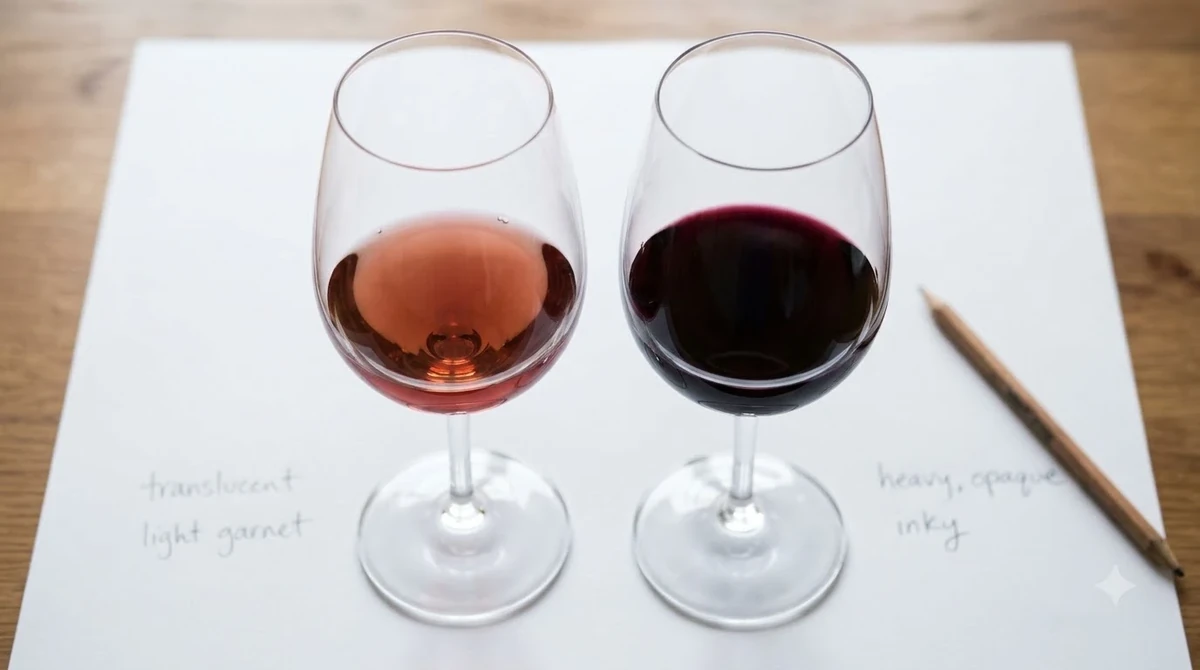
Winemakers make merlot sweeter by stopping fermentation before all the sugar is used up, or by adding sweetness after fermentation. The first method is the most common route to a naturally sweet red. Producers can chill the wine or filter out the yeast to halt the process early, which leaves sugar in the finished bottle.
Sugar can also be added to some wines in certain countries, but that practice is not the same as making a sweet style. Wine Folly notes that chaptalization is used in some European regions to raise alcohol levels when grapes are underripe, and it is not meant to make wine sweeter. Shoppers should look at the label and the producer’s description rather than assume how a wine was made.
Sweetness is easier to understand when you connect it to amounts. The same guide explains that 10 grams per liter equals about 1 percent sweetness, and noticeably sweet wines usually start around 35 grams per liter. The table below gives a practical way to read those levels.
| Residual sugar level | What you will likely taste | Typical label wording |
|---|---|---|
| About 10 grams per liter | Mostly dry, with a hint of fruit softness | Dry or off-dry |
| About 12 grams per liter | Roughly half a teaspoon of sugar per 5 ounce serving, noticeable to sensitive palates | Dry to off-dry |
| Around 35 grams per liter and up | Clearly sweet, with a fuller, syrupy feel | Semi-sweet or sweet |
| About 57 grams per liter | Roughly two teaspoons of sugar per serving, very sweet | Dessert style |
Because many labels do not list sugar content, the table is a guide rather than a promise. Check the producer’s technical sheet if you want exact numbers, and use the words on the front label as a starting point.
Popular Sweet Merlot Styles to Look For
Sweet merlot usually appears in a few recognizable styles. Some are lightly sweet reds meant for casual drinking, while others lean toward dessert-style wines that pair with sweets or cheese. The best style depends on how much sweetness you want and what you plan to serve with it.
Lightly sweet merlot tends to show soft red fruit, such as cherry and plum, with a rounder mouthfeel. These wines suit relaxed evenings and guests who find dry reds too sharp. Fuller sweet merlots can taste like jam or dried fruit, and they often feel heavier in the glass.
Because producers name their wines differently, browse by tasting notes and style words rather than by a single brand. Reviewers and retailers often describe sweet reds as fruit forward or smooth, which is a useful signal when you are comparing options.
For a general sense of how sweet reds compare with other styles, the sweet red blend category offers a similar taste profile, often with more fruit and less tannin than a single-varietal merlot.
Sweet Merlot Food Pairings
Sweet merlot works best with foods that match its fruit and body. The sugar softens strong flavors, so it can balance salty, spicy and smoky dishes. Dry reds often need fatty food to soften their tannins, while a sweeter red can be more flexible at the table.
Good matches include grilled sausages, barbecue ribs, roasted pork and baked ham with a fruit glaze. Sharp cheeses such as aged cheddar and blue cheese also suit a sweeter red, since the sugar offsets salt and tang. For dessert, try the wine with dark chocolate or fruit tarts with berries.
Avoid pairing a sweet red with very spicy dishes or delicate seafood, because the sweetness can overwhelm lighter flavors. Serve the wine alongside food rather than before it when the meal is rich, so each bite and sip balance one another.
How to Choose a Sweet Merlot When Buying
Start with the words on the label and the producer’s description. Terms like semi-sweet, off-dry, sweet and dessert style signal a sweeter wine, while dry or brut usually means little residual sugar. Read tasting notes that mention jam, candied fruit or a smooth finish.
Next, decide what the bottle is for. A lightly sweet merlot works well as a casual sipping wine or a bottle to share with guests who prefer softer reds. For gifts, choose a clearly labeled sweet style so the recipient knows what to expect, and avoid assuming that every merlot will taste sweet.
Finally, consider how you will use the wine. A bottle for weeknight dinners should be easy to drink and food friendly, while a bottle for dessert can be fuller and richer. The Wine Buying Guides section covers more ways to read labels and compare styles before you buy.
Tip: If the label gives no sweetness clue, look for a producer description that mentions residual sugar, or ask a retailer which merlot tastes sweetest. Sweet wines are often served chilled, so keep the bottle cool until you pour.
Serving and Storing Sweet Merlot
Serve sweet merlot lightly chilled rather than at room temperature. A short time in the refrigerator can bring out the fruit and keep the sweetness from tasting heavy. Check the producer’s guidance on the label or website if you want a specific serving range.
Use a medium-sized red wine glass so the aroma can gather. Pour a moderate amount, and let the wine warm slightly in the glass as you drink it. Sweet reds can taste flat if they are served too warm, so keep an eye on the temperature during longer meals.
Store unopened bottles in a cool, dark place away from heat and sunlight. Once opened, recork the bottle and refrigerate it, then finish it within a few days for the best fruit character. Drink responsibly, and pace yourself, since sweetness can make wine easy to sip more quickly than you expect.
Frequently Asked Questions
Is sweet merlot the same as dessert wine?
Not always. Sweet merlot can range from lightly sweet to very sweet, while dessert wines are usually much sweeter and richer. Check the label or producer description to see where a particular bottle falls on that range.
Why does some merlot taste sweet if it is labeled dry?
Many wines labeled dry still contain a small amount of residual sugar, and fruit flavors can make that sugar seem stronger. Ripe fruit and soft tannins can also create a sense of sweetness even when the sugar level is modest.
How can I tell how sweet a merlot is before buying?
Look for words like semi-sweet, off-dry or dessert style on the label or in the producer notes. If the bottle lists no sweetness clue, read tasting notes and ask a retailer for a sweeter option. Sugar content is not always printed on US wine labels.
Can I cook with sweet merlot?
You can use sweet merlot in sauces or braises, especially with fruit or pork, but the sugar will concentrate as the liquid reduces. Taste as you go and balance the dish with acid or salt. A drier red may suit savory cooking better.
Sweet merlot is a useful style for shoppers who want a softer red with fruit forward flavors. Learn how residual sugar works, read labels carefully, and match the wine to food and occasion. For more red options, explore the organic pinot noir guides to compare lighter, dry reds with a similar fruit character.
More in Wine Buying Guides
 Riesling Gift: Choose a Bottle They’ll LoveUpdated Nov 21, 2026
 Sweet Red Wine Gift: Choose a Bottle They’ll LoveUpdated Nov 21, 2026
 Malbec Gift: How to Choose a Memorable Bottle for Any OccasionUpdated Nov 21, 2026
 Sherry Gift Ideas That Match Every Wine LoverUpdated Nov 21, 2026
 Moscato Gift: How to Choose a Sweet Wine They’ll LoveUpdated Nov 21, 2026
 Merlot Gift: How to Choose a Bottle They’ll AppreciateUpdated Nov 21, 2026