

We may earn a commission when you buy through links on this page, at no extra cost to you. Learn more.
Castello Banfi wine comes from the Banfi estate in Montalcino, Tuscany, and is best known for its Brunello di Montalcino. The estate also produces a Rosso di Montalcino, several Tuscan blends and a range of wines from other regions. Most American shoppers start with the Brunello or the younger Rosso, depending on how much they want to spend and when they plan to drink the bottle.
This guide explains what the Castello Banfi estate is, which wines make up the lineup, how the Brunello and Rosso differ, and how to think about price tiers. It also covers food pairings and practical advice on buying and storing these wines in the United States.
What Is Castello Banfi and Its Estate?
Castello Banfi is the flagship estate of the Banfi group, located in the Montalcino hills of southern Tuscany. According to the Banfi product page on the company website, the estate covers a very large area of land in the Orcia and Ombrone river valleys. The producer presents Montalcino as the heart of its story, and the castle grounds are the center of its operations.
It helps to separate the estate from the company behind it. Banfi Vintners is a family-owned American company, and the Wikipedia entry on Banfi Vintners describes it as one of the largest wine importers in the United States. The company was founded in New York and later bought the Montalcino land that became the estate. That mix of Italian vineyards and American distribution explains why these bottles are common on US shelves.
Castello Banfi is therefore best understood as a large, established Tuscan estate with a strong American presence. Its Montalcino wines focus on Sangiovese, the grape that defines Brunello. If you want to understand the producer, start with the Montalcino wines before exploring the rest of the portfolio.
Key Wines in the Castello Banfi Lineup
The Castello Banfi lineup is broader than a single Brunello. Some bottles come from Montalcino, while others come from Tuscan coastal and Chianti areas. The table below groups the main styles you are likely to see on a shelf or a restaurant list, so you can match a bottle to your plans.
| Wine style | Where it comes from | What it is best for |
|---|---|---|
| Castello Banfi Brunello di Montalcino | Montalcino, Sangiovese-based | Special dinners and long aging |
| Castello Banfi Rosso di Montalcino | Montalcino, younger Sangiovese | Everyday red with Italian food |
| Poggio all’Oro Brunello Riserva | Montalcino, top vintages | Collectors and celebratory bottles |
| Centine Rosso | Tuscany, varietal red | Casual drinking and easy pairings |
| SummuS | Tuscany, Super Tuscan style | Bold reds for grilled meat |
The producer also lists sparkling and white wines from Piedmont, along with rosé and white wines from Tuscany. These are useful if you want Italian bottles beyond red. Check the label on each bottle for the specific appellation, since the same estate name can appear on several different styles.
Brunello di Montalcino and Rosso di Montalcino Explained
The Brunello and Rosso are both made from Sangiovese grown around Montalcino, but they sit at different points on the style ladder. Brunello is the more serious wine, made to age longer and show more structure. Rosso is the younger, more approachable sibling that many drinkers reach for first.
The Banfi website describes Sangiovese research as central to the estate. The company says it studied the grape in the vineyard and the cellar, and it describes zoning work that began in 1980 to match Sangiovese to different parts of the land. That focus on the grape is one reason the Brunello is considered a benchmark wine from the region.
For most home drinkers, the practical difference is timing. A Rosso is typically ready to open sooner, while a Brunello rewards patience and deserves a longer stretch in the cellar. Check the producer’s tasting notes or the back label for drinking guidance, since those details change by vintage and bottle.
Comparing Castello Banfi Wines by Price
Castello Banfi wines span a wide range of price points, from everyday Tuscan reds to top Brunello reserves. Prices change by retailer, state and vintage, so any number you see online may already be out of date. As of Nov 2026, the most reliable approach is to compare bottles by style and tier rather than by a fixed dollar figure.
| Tier | Typical examples | What you pay for |
|---|---|---|
| Entry | Varietal reds from Tuscany | Easy drinking and fruit-forward flavor |
| Middle | Rosso di Montalcino | Montalcino character without long aging |
| Premium | Brunello di Montalcino | Structure, aging potential and vineyard focus |
| Top | Brunello Riserva | Best vintages and collector interest |
When you compare bottles, look at what the price buys you. A lower-tier Tuscan red may serve well for a weeknight meal, while a Brunello suits a celebration or a bottle you plan to keep. If you are exploring other American-market brands for a simpler white, the Avaline white wine profile offers a different style to compare against.
Food Pairings for Castello Banfi Wines
Sangiovese is a food wine, and Castello Banfi reds pair well with the dishes Tuscany is known for. The acidity and firm tannins of a Brunello cut through rich meat, while a lighter Rosso works with tomato-based pasta and grilled vegetables. Matching weight matters more than matching color.
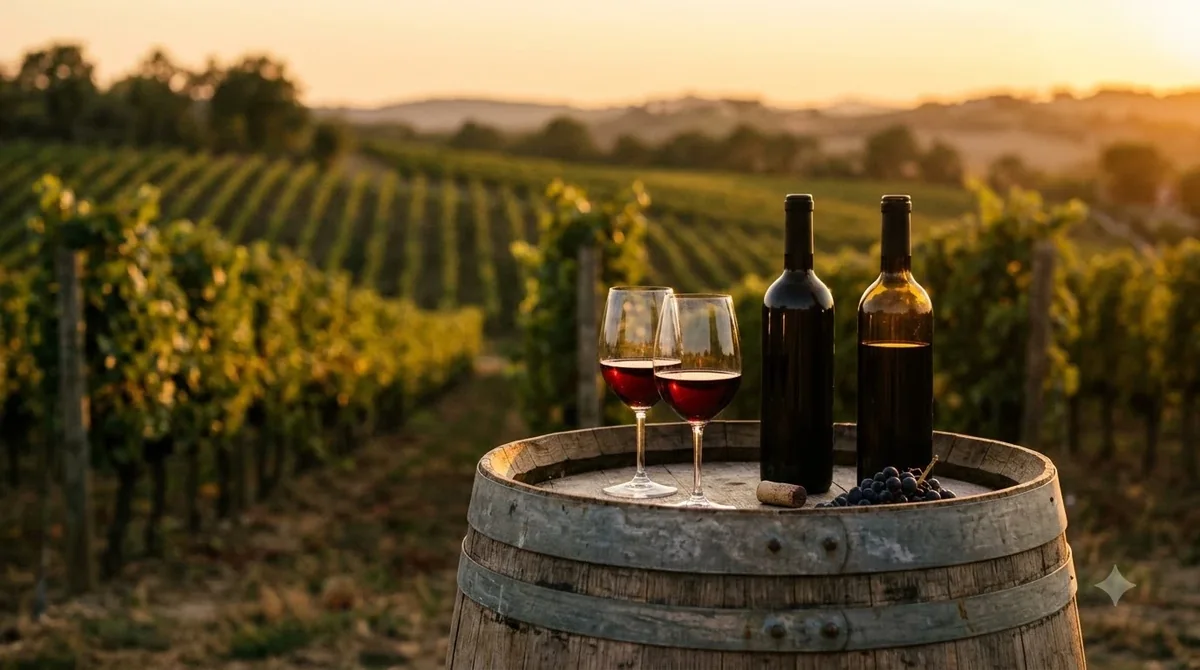
Good pairings include braised beef, roast lamb, aged hard cheeses and wild mushroom dishes. Tomato sauces, pizza and grilled sausage suit the younger Rosso. The Banfi rosé and white wines are better matched to seafood, fresh salads and antipasti with olive oil.
Serve reds slightly cooler than room temperature, and let a big Brunello open for a while before pouring. Responsible drinking is part of enjoying wine with food, so pace yourself and pour smaller glasses for a long dinner. For a wider look at matching bottles with meals, browse the Wine Brands section of this site.
Where to Buy and How to Store Castello Banfi
Most Castello Banfi wines are sold through licensed retailers, wine shops and restaurant lists across the United States. Availability varies by state because of local distribution rules. Check the retailer’s return policy and confirm the vintage before you buy, especially for older bottles.
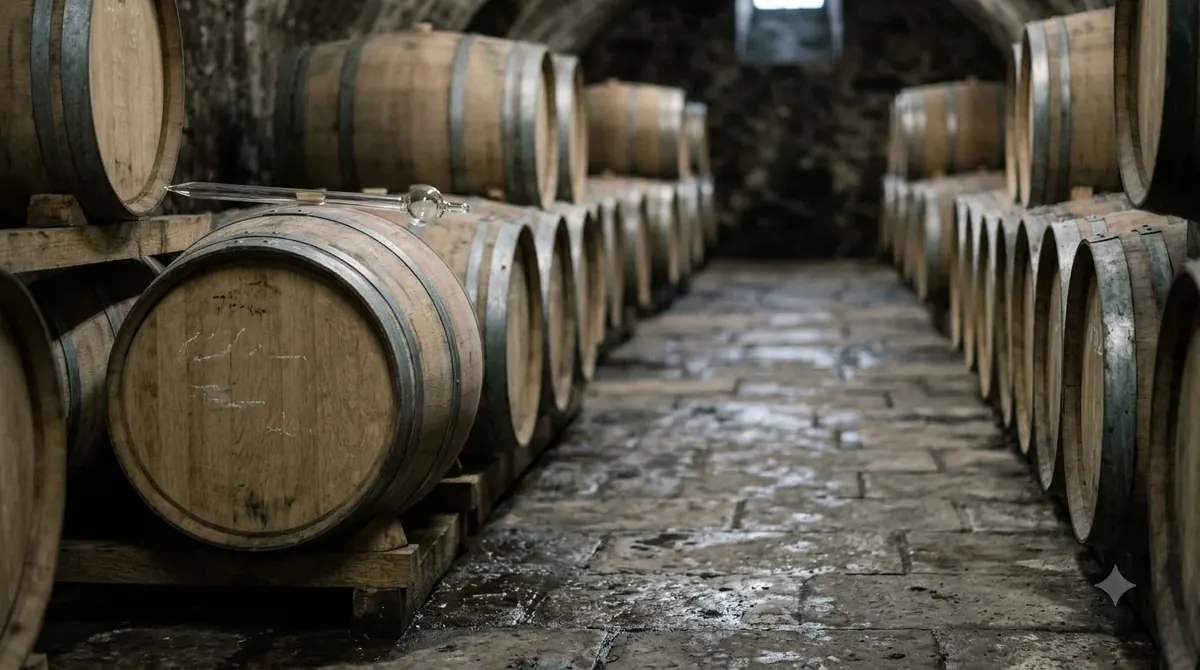
Storage matters more for a Brunello than for a simple Rosso. Keep bottles in a cool, dark place with steady temperature and humidity, away from heat sources and direct sunlight. A dedicated wine fridge or a quiet interior closet often works well. The owner’s manual of any wine fridge will list the correct temperature range.
If you plan to age a bottle, store it on its side so the cork stays moist, and keep a simple log of purchase dates. For younger wines, drink them within a reasonable window after purchase. When in doubt, ask the seller for guidance on the bottle’s expected drinking period.
Frequently Asked Questions
Is Castello Banfi wine a good choice for beginners?
Yes, if you start with the Rosso di Montalcino or a Tuscan varietal red. These wines are generally more approachable than a Brunello. Try a few styles and note which flavors you prefer before buying a premium bottle.
What is the difference between Brunello and Rosso di Montalcino?
Both are made from Sangiovese grown around Montalcino. Brunello is aged longer and is built for long-term cellaring, while Rosso is younger and easier to drink sooner. Check the label and producer notes for drinking guidance on each bottle.
Does Castello Banfi make white wine?
Yes. The producer’s product listings include white wines and rosé from Tuscany, along with sparkling wines from Piedmont. Look for the specific bottle name to confirm the style before you buy.
How should I store a Castello Banfi bottle at home?
Keep the bottle in a cool, dark place with steady conditions, away from heat and sunlight. Store bottles you plan to age on their side. For exact temperature guidance, check the manufacturer’s instructions for any wine fridge you use.
Castello Banfi offers a useful range, from approachable Tuscan reds to serious Montalcino Brunello. Start by deciding what you want from the bottle, then compare styles rather than chasing a single price. Enjoy the wine with food and drink responsibly.
More in Wine Brands
 Underwood Wine Price: Compare Bottles, Cans, and Pack SizesUpdated Nov 21, 2026
 Zenato Wine Price: Compare Styles and Choose the Right BottleUpdated Nov 21, 2026
 Zuccardi Wine Price: Compare Bottles and Find the Right RangeUpdated Nov 21, 2026
 Yellow Tail Moscato Review: Taste, Sweetness and Serving TipsUpdated Nov 21, 2026
 Wolf Blass Yellow Label Review: Choose Your Best StyleUpdated Nov 21, 2026
 Wolffer Estate Rose Review: Choose the Right Bottle for Your TableUpdated Nov 21, 2026