


We may earn a commission when you buy through links on this page, at no extra cost to you. Learn more.
Apothic white wine is a California white blend from E. & J. Gallo Winery, made from Chardonnay, Riesling, Pinot Grigio and Muscat Canelli. It comes in a 750ml bottle at 12.5% ABV and leans fruit-forward, with peach, pineapple and a slightly sweet, smooth finish. Most drinkers treat it as an easy everyday white for casual sipping, simple cocktails and warm-weather gatherings.
This guide explains what apothic white wine tastes like, how the blend is put together, and how to serve it well. It also compares it with other American blended whites so you can decide whether it fits your table. Most details come from retailer listings and one tasting write-up, so always check the label on the bottle you buy.
What Is Apothic White Wine?
Apothic White is a multi-varietal white wine sold as a standard 750ml bottle. It is built as an approachable, fruit-driven wine rather than a single-grape bottling. That design makes it a common choice for people who want a white that is easy to drink without much study.
Blended whites combine several grape varieties before bottling. Winemakers use blending to balance acidity, aroma and body, which helps the wine taste consistent from one release to the next. Apothic White follows that model, and retailers describe the finished wine as lush and approachable.
The alcohol level is listed at 12.5% ABV, which is moderate for a table white. Retailers position it as a casual sipper and an everyday value-tier bottle. If you are new to wine, think of it as a fruit-led white that gives you a gentle starting point, and then explore from there.
Who Makes Apothic White and Where It Comes From
E. & J. Gallo Winery produces Apothic White in California. The company is headquartered in Modesto, California, and was founded in 1933. Gallo is one of the largest wine companies in the United States, and its portfolio includes many brands across several price levels.
A tasting post on Reg’s Wine Blog Apothic tasting places the Apothic line inside that larger family of Gallo wines. The writer notes that the brand is widely available and that many drinkers run into it at parties and family gatherings. That broad availability is one reason the name is so familiar on store shelves.
The wine has also earned recognition. A retailer listing says the 2021 vintage won a Gold Medal at the OC Fair Commercial Wine Competition. Medals and scores can change from one vintage to the next, so treat them as a snapshot of past results rather than a guarantee for the bottle in your hand.
Apothic White Flavor Profile and Sweetness Level
Apothic White reads as fruit-forward and slightly sweet, with peach and pineapple at the center. Retailer notes say its acidity keeps that sweetness from feeling heavy. The overall impression is soft and round rather than sharp or mineral.
| Aspect | What retailers and reviewers describe |
|---|---|
| Aroma | Ripe pear, fresh peach, honeyed vanilla, a hint of pineapple and a floral lift |
| Entry | Soft and fruit-forward, with citrus and honeydew melon |
| Mid-palate | Juicy pineapple and apricot with subtle vanilla spice |
| Finish | Medium length, silky texture, with stone fruit and gentle honey |
| Overall sweetness | Slightly sweet, with enough acidity to keep the fruit focused |
Sweetness works as a balance rather than a single number. Retailer notes describe the wine as lush and slightly sweet, with acidity that stops the fruit from feeling cloying. That places it on the sweeter side of easy-drinking American whites. It is far less sugary than a dessert wine, but if you usually prefer very dry styles, expect a clear fruit impression.
The Liquor Barn product page lists the tasting notes and the 12.5% ABV. Reviewers at Reg’s Wine Blog describe a similar picture, with peach, apricot and floral flavors and a crisp, balanced finish. Retailers and reviewers agree on the fruit, which makes the flavor profile easy to predict.
How Apothic White Is Made
Apothic White is made by fermenting its components separately and then blending them before bottling. The producer’s notes describe cool fermentation and a mix of stainless steel and oak. Those choices aim to keep each grape’s character distinct before the blend is assembled.
A retailer listing from Keg N Bottle says the blend was fermented at cool temperatures to retain the natural character of each variety. Pinot Grigio, Viognier and Riesling were fermented in stainless steel to protect delicate fruit aromas. Selected Chardonnay lots were fermented and aged on oak to add vanilla notes, and a small portion went through malolactic fermentation, which the listing says adds to the mouthfeel.
The sources do not fully agree on the grape list. The Liquor Barn description names Muscat Canelli, the Keg N Bottle listing names Viognier, and the Reg’s Wine Blog post lists Chardonnay, Riesling and Pinot Grigio. Blends can change between releases, so check the back label of your bottle for the grapes and vintage you actually have.
Serving, Food Pairings and Wine Cocktails
Serve Apothic White well chilled, around 45 to 50°F, and pair it with light, fruit-friendly dishes. It also works as a base for simple wine cocktails. Chilling the bottle keeps the fruit bright and the sweetness balanced, while a warmer glass can taste heavier.
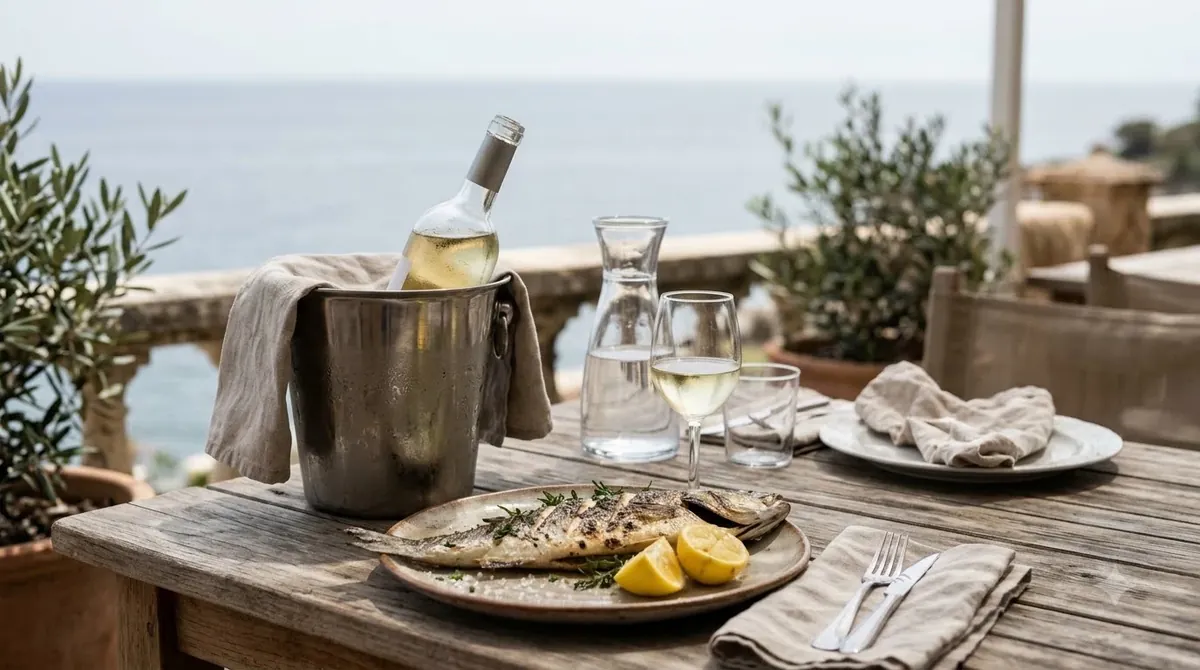
For food, look for grilled chicken, fish tacos, shrimp, mild creamy cheeses and fresh fruit salads. The retailer notes point to lighter weeknight dinners and brunch spreads with fruit-forward dishes. Avoid very sweet sauces and intensely spicy food, since they can make the wine taste flat. Thai-style lettuce wraps are often mentioned as a good match because the wine’s residual sweetness softens mild heat.
The same listing suggests three simple cocktails. A white wine spritzer with club soda and a lemon twist keeps the sweetness in check. A Sangria Blanca uses fresh-cut fruit and a splash of brandy, and a wine margarita pairs the wine with lime and light agave. Start with small amounts of added sweetener, because the wine already brings fruit sugar to the glass. Keep portions moderate and never drink and drive.
Apothic White vs Other Blended White Wines
Apothic White sits in the fruit-forward, approachable segment of American blended whites. Compared with many similar bottles, it tends to lean sweeter and more tropical. The best way to decide is to read the label and match the wine to the meal you have in mind.
| Feature | What to check on the label |
|---|---|
| Sweetness | Look for words like off-dry or slightly sweet, and compare them with your taste |
| Grape mix | Blends differ, so compare which varieties are listed for each bottle |
| Alcohol | Apothic White is listed at 12.5% ABV, so compare the percentage across bottles |
| Serving use | Sipping, brunch and cocktails suit fruit-forward whites best |
A retailer comparison with Ménage à Trois White describes the two as popular California blends at similar price tiers. It says Apothic White leans sweeter with more tropical and honey notes, while Ménage à Trois tends to be crisper and lighter-bodied. If you prefer a drier white, that difference matters more than the brand name.
For a different fruit-forward bottle to compare, see the 14 Hands Hot to Trot page. If you want to see how the same brand family handles red wine, the Apothic Dark wine guide is a helpful companion read.
Frequently Asked Questions
What does apothic white wine taste like?
Apothic white wine tastes of ripe peach, pineapple and honeydew melon, with vanilla and a gentle honey note. Retailers describe a silky, slightly sweet finish. Its acidity keeps the fruit from tasting heavy.
Is apothic white wine sweet?
It is slightly sweet, which places it on the fruit-forward side of American white blends. The sweetness is balanced by acidity, so it does not taste like a dessert wine. If you prefer very dry whites, expect a noticeable fruit impression.
What food goes well with apothic white wine?
Grilled chicken, fish tacos, shrimp and mild creamy cheeses are good matches. Fresh fruit salads and brunch dishes also work well. Avoid very sweet sauces and intensely spicy food, which can overpower the wine.
Where is apothic white wine made?
Apothic White is produced in California by E. & J. Gallo Winery, which is based in Modesto. Gallo was founded in 1933 and is one of the largest wine producers in the United States. Check the bottle label for the specific vintage you buy.
Apothic white wine suits anyone who wants a fruit-forward, easy white for casual meals and simple cocktails. Chill it well, check the label for the grapes and vintage, and compare it with other blends before you buy. For more background on producers and their brands, visit the Wine Brands section.
More in Wine Brands
 Underwood Wine Price: Compare Bottles, Cans, and Pack SizesUpdated Nov 21, 2026
 Zenato Wine Price: Compare Styles and Choose the Right BottleUpdated Nov 21, 2026
 Zuccardi Wine Price: Compare Bottles and Find the Right RangeUpdated Nov 21, 2026
 Yellow Tail Moscato Review: Taste, Sweetness and Serving TipsUpdated Nov 21, 2026
 Wolf Blass Yellow Label Review: Choose Your Best StyleUpdated Nov 21, 2026
 Wolffer Estate Rose Review: Choose the Right Bottle for Your TableUpdated Nov 21, 2026