

We may earn a commission when you buy through links on this page, at no extra cost to you. Learn more.
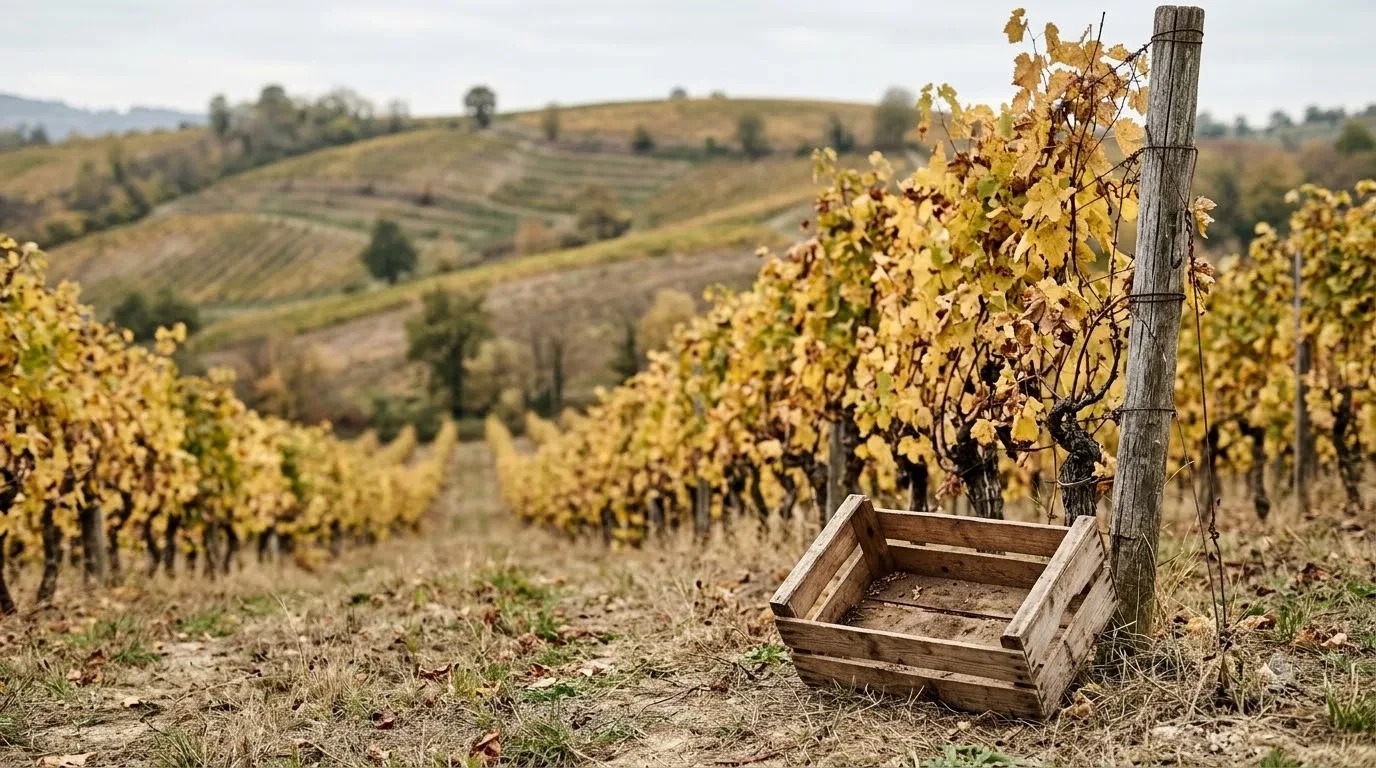
Maryland vineyards are a small but growing part of the state’s agriculture, spread across several regions where growers work with a humid, changeable climate. The most visitor-friendly area is Frederick, in the Capital Region, where the Frederick Wine Trail connects eight wineries in one route. Visit with a plan, check which tasting passes are available, and you can explore a good range of local wines in a single weekend.
If you are curious about wine made closer to home than California or France, Maryland’s vineyards are worth a look. This guide explains what to expect from the state’s wine scene, how the climate shapes the grapes, where the best-known tasting routes are, and how to plan a visit. It also covers what to look for on a label, so you can compare Maryland wines with bottles from other places.
What Maryland wine country looks like
Maryland wine is produced at many small farms and tasting rooms rather than at a few large estates. Most wineries are family-run, and many grow some of their own fruit while buying the rest from nearby growers. That scale gives visitors a personal experience, since owners and winemakers are often present in the tasting room.
The state’s landscape is varied, with rolling hills in the west and open farmland closer to the coast. Vineyards tend to sit on the higher, better-drained ground, where air moves more freely and the risk of frost and fungal disease is lower. The best sites are often chosen for drainage and airflow as much as for sun.
The Frederick Wine Trail
Frederick is the easiest place to start. According to the state’s tourism site, the Frederick Wine Trail connects eight Maryland wineries, which makes it a practical route for a day or a weekend. Frederick sits in the Capital Region, within reach of Washington, D.C., so it is a natural choice for visitors who want wine country without a long drive.
Plan your route around the wineries that interest you most. The distances between tasting rooms can be short, but a rushed schedule leaves little time to talk with the owners, which is often the best part of a visit. Four or five tastings in a day is a comfortable pace, and it leaves room for lunch and a walk in town.
Tasting passes and how to save time
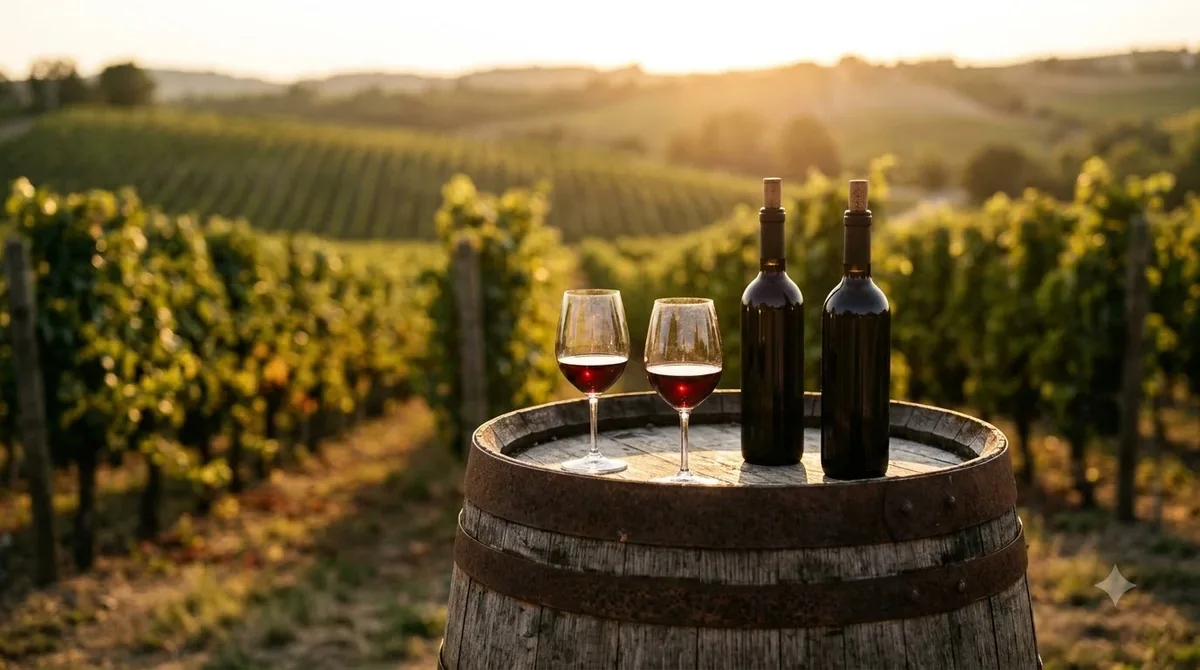
VisitMaryland promotes the Maryland Wine Tasting Pass, a digital pass that unlocks tastings and exclusive offers at participating tasting rooms across the state. The pass is delivered to your phone and is designed to avoid ticket lines and individual bookings. For visitors who plan to try several wineries, a pass like this can simplify a trip and make it easier to budget.
Tasting etiquette is simple. Wait for the host to pour before you taste, ask about how the wine was made rather than only about the label, and tell the staff if you plan to take a bottle home. Many rooms offer small pours, so you can compare several wines without overdoing it. Drink water between tastings and eat something during the day, since a slow lunch makes a long afternoon of tastings far more comfortable.
Check the terms before you buy, since eligible wineries, tasting options, and offers can change. Ask at each tasting room whether your pass is accepted and whether a reservation is needed, especially on weekends, when rooms tend to fill up.
| Planning step | Why it helps | Tip |
|---|---|---|
| Choose one region for the day | Keeps drives short | Pick Frederick for a compact route |
| Check tasting passes | Can simplify booking and budgeting | Confirm which wineries accept the pass |
| Book on weekends | Tasting rooms fill up quickly | Reserve the first tasting slot |
| Plan a designated driver | Keeps the day safe | Use a ride service between wineries |
A simple plan works best. Stay near the town center if you can, since many shops and restaurants are within walking distance. That way you can start with a tasting, enjoy a meal, and finish with a stroll back to your hotel rather than driving between every stop.
What Maryland grapes and styles to expect
Maryland vineyards grow a mix of European grape varieties and hybrids, and the exact list varies by winery and by vintage. The state’s climate is humid, and summers can bring heavy rain and disease pressure, so growers choose varieties and vineyard sites that handle those conditions. Many winemakers focus on crisp whites, fruity rosés, and medium-bodied reds, which tend to suit a warm climate and a relaxed tasting room.
When you taste, ask the winemaker which grapes went into each wine and whether any fruit came from outside the estate. Many Maryland producers are open about their sourcing, and those details tell you a lot about the style. A wine labeled with a specific grape and vintage is usually easier to compare with bottles from other regions.
Who should visit Maryland vineyards
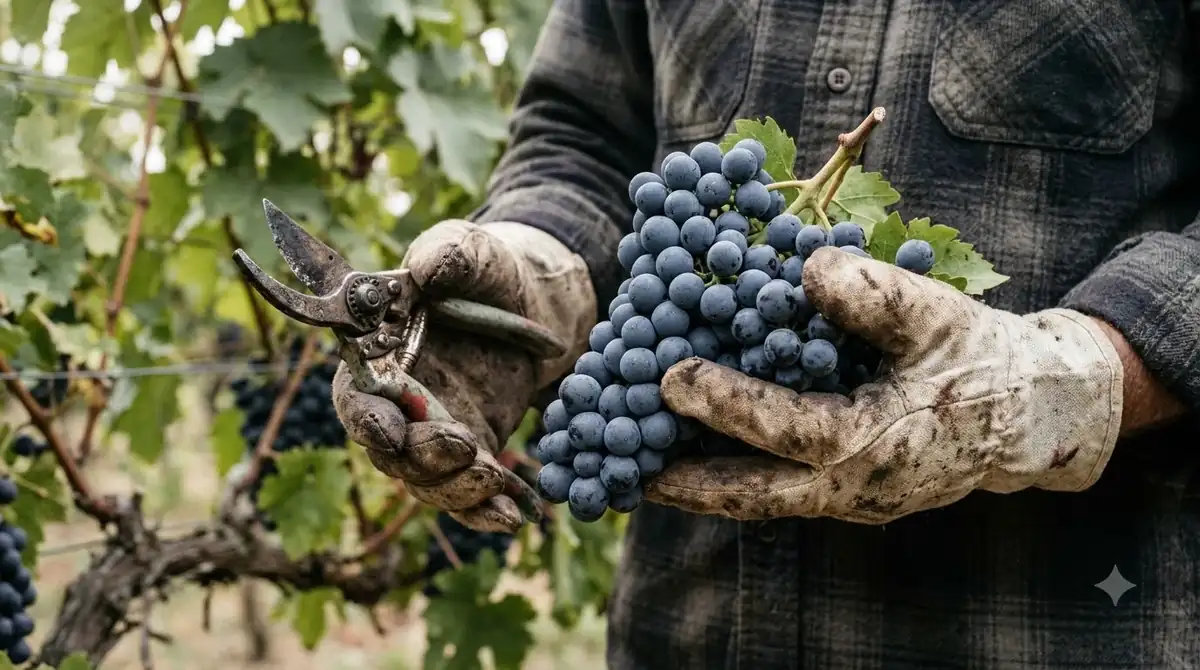
Maryland wine country suits visitors who want a relaxed, local experience. It is a good fit for weekend trips from nearby cities, for groups who want a day out, and for drinkers who enjoy meeting the people who make their wine. It is less suited to visitors who want to see a long list of famous names or a vast, world-class estate.
If you are interested in wine tourism in other parts of the United States, you can compare Maryland with destinations such as Fredericksburg vineyards, Cape May vineyards, or Traverse City vineyards. Each has its own climate, grapes, and tasting style, so the comparison helps you choose the right trip.
How to buy Maryland wine and bring it home
Many wineries sell their bottles at the tasting room, and some offer a wine club or shipping within the state. Buy the bottles you enjoyed most, and ask the staff for tasting notes or a recommendation for food pairings. Some producers also sell limited releases that are only available at the winery, which makes a good souvenir.
When shipping alcohol across state lines, rules vary a great deal. Check with each winery about its shipping options and with your local authorities before you order, since the law on direct-to-consumer shipping differs by state.
Frequently Asked Questions
How many wineries are on the Frederick Wine Trail?
According to VisitMaryland, the Frederick Wine Trail connects eight Maryland wineries. It is one of the easiest routes for a visitor to plan in a single day.
Is Frederick a good base for a Maryland wine trip?
Yes. Frederick is in the Capital Region, it has a walkable downtown with shops and restaurants, and it is the home base for the Frederick Wine Trail. Staying downtown makes it easy to combine tastings with meals.
What is the Maryland Wine Tasting Pass?
It is a digital pass, delivered to your phone, that unlocks tastings and exclusive offers at participating tasting rooms across the state. Check the current terms, since eligible wineries and offers can change.
What kind of wine do Maryland vineyards make?
Maryland vineyards make a mix of whites, rosés, and reds, using a range of European grapes and hybrids. The exact list varies by winery, so ask the tasting staff which varieties are in each bottle.
Maryland vineyards reward a relaxed, well-planned day. Start with the Frederick Wine Trail, book your tastings, and talk with the winemakers about their grapes and their sourcing. For more context on how wine regions compare across the country, see our wine regions guide, and check the official tasting information on VisitMaryland’s wine page before you go.
More in Wine Regions
 Willcox Wine Trail: Discover Arizona’s High-Elevation Wine CountryUpdated Nov 20, 2026
 Yakima Valley Wine Region: Find the Best Styles to TryUpdated Nov 20, 2026
 Vosne Romanee Wine Tasting: Identify Aromas and Choose Better PairingsUpdated Nov 20, 2026
 Yakima Valley Wine Festival: Find the Best Seasonal Wine EventsUpdated Nov 20, 2026
 Wales Vineyards: Discover Cool-Climate Wines and Where to VisitUpdated Nov 20, 2026
 Yountville Wine Festival: Discover Napa Wines and Local FoodUpdated Nov 20, 2026