

We may earn a commission when you buy through links on this page, at no extra cost to you. Learn more.
How much alcohol in wine depends on the style, but most table wine sits at about 12.5 to 14.5 percent alcohol by volume (ABV). Reference data for wine in general puts most still wines in that band, with a wider range from roughly 5.5 to 16 percent. Fortified wines such as port and sherry sit higher, around 15.5 to 20 percent, and sweet dessert wines can reach 14 to 25 percent.
Alcohol is the number most people look for on a wine label, and it is also the one that changes the feel of a glass more than most buyers expect. This guide explains the typical ABV for each wine style, what makes one bottle stronger than another, and how to read the figure on the label. It is written for anyone who wants a clear picture before they open a bottle.
What ABV means on a wine label
ABV stands for alcohol by volume. It is the percentage of the liquid that is pure ethanol. A bottle labeled 13 percent ABV is 13 percent alcohol by volume, so a 750 milliliter bottle at that strength contains a fixed amount of alcohol. The label figure is the most reliable guide you have, because it is set by the producer and reflects the finished wine rather than the grapes alone.
The number is measured on the whole bottle, not by the glass. That means a wine at 13 percent and one at 15 percent will produce a noticeably different amount of alcohol in each pour, even if the glasses look the same. Once you know the ABV, you can compare bottles directly.
Typical alcohol levels by wine style
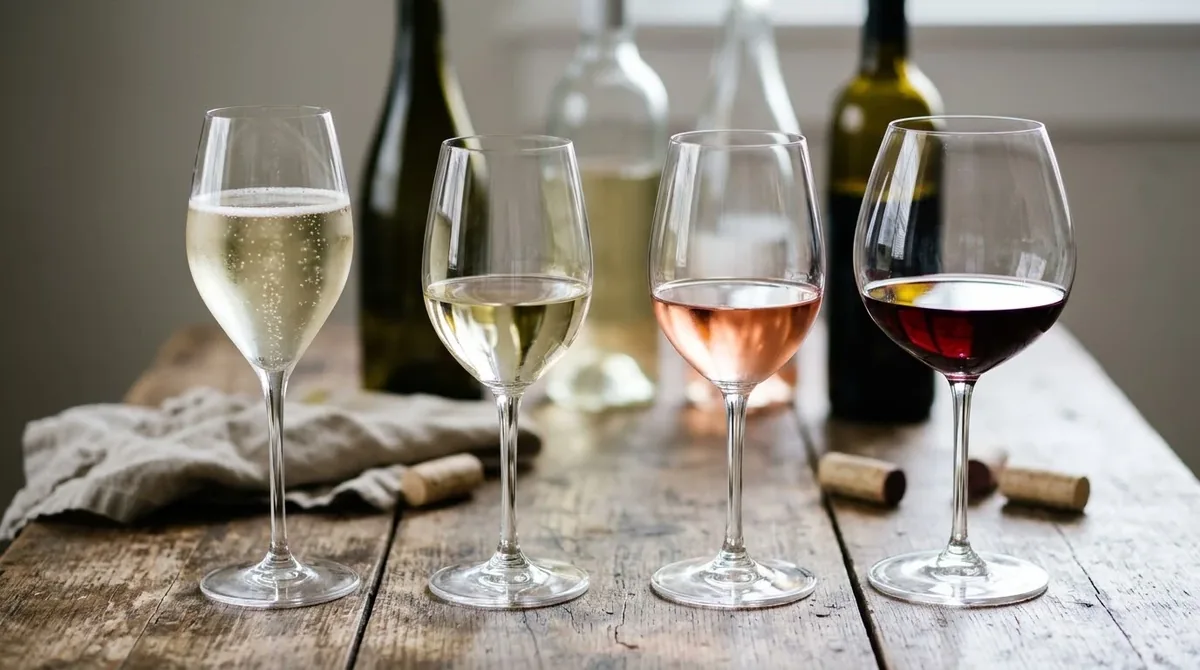
Still table wines, which are the reds and whites most people drink with dinner, are the largest group. Reference data places most of them between about 12.5 and 14.5 percent ABV, and the full range for table wine runs from about 5.5 to 16 percent. Fortified wines are a separate group, because the producer adds spirit during or after fermentation. Port and sherry generally fall between about 15.5 and 20 percent, and European Union rules for fortified wine allow a range of 15 to 22 percent.
Sweet dessert wines can also be strong. Reference data gives a range of 14 to 25 percent for dessert wine, which overlaps with fortified styles. The sweetness of a dessert wine does not tell you its strength, so check the label rather than guessing from the taste.
| Wine style | Typical ABV range | Notes |
|---|---|---|
| Table wine (still reds and whites) | About 12.5 to 14.5 percent for most bottles | Full range runs about 5.5 to 16 percent |
| Fortified wine (port, sherry) | About 15.5 to 20 percent | EU range for fortified wine is 15 to 22 percent |
| Dessert wine | About 14 to 25 percent | Sweetness does not predict strength |
The table gives a quick overview, but the ranges overlap, and individual bottles vary within them. Sparkling wines are not covered by the same reference data, so the label is the best guide for those. Treat the ranges as a starting point for comparing styles.
What makes one wine stronger than another
Alcohol in wine comes from sugar in the grapes. Yeast turns that sugar into alcohol during fermentation, so riper grapes with more sugar generally produce a stronger wine. Growing conditions, the vintage, and the winemaker’s decision about when to pick all shape the final number. A warm year or a late harvest can push the figure higher, while a cooler year or an early pick can keep it lower.
Winemaking also plays a role. A producer can stop fermentation early to leave some sugar in the wine, which lowers the ABV and keeps the wine sweeter. Fortified wines take the opposite route and add spirit, which raises the strength. Those choices explain why two wines made from the same grape can differ by several percentage points.
How alcohol changes the way a wine tastes
Alcohol adds body and warmth to a wine. A higher ABV can make a red feel fuller and a white feel richer, and it can also make the finish feel warmer or hotter, especially when the wine is served too warm. Lower-alcohol wines tend to feel lighter and more refreshing, which is why many people choose them for lunch or a warm afternoon.
The balance between alcohol, acidity, tannin, and sugar matters more than the number alone. A wine at a higher ABV can still taste balanced if its acidity is bright, while a lower-ABV wine can feel flat if the acidity is weak. When you compare bottles, look at the whole profile rather than the alcohol figure in isolation.
Reading the alcohol number on a bottle
In the United States, the alcohol percentage is printed on most wine labels, and the figure is usually shown as “alcohol by volume” or as a simple percentage on the back. If the label is hard to find, check the producer’s website, which often lists the ABV alongside tasting notes. A few bottles do not show the figure, so it is worth checking before you buy if the number matters to you.
Your own pour is the other half of the picture, so the amount of alcohol you drink depends on both the ABV and the size of the pour. The Wine Folly guide to Sangiovese gives an example of how a typical red can sit in the upper part of the table wine range, with an alcohol level of about 13.5 to 15 percent for the grape. Use the label on the bottle you are holding as the final reference.
Tip: If you are tracking how much you drink, measure the pour once with a standard glass at home, then compare the glass against the ABV on the bottle you own.
Comparing wine with other drinks
Wine is usually stronger than beer and weaker than spirits. Beer often sits well below wine in ABV, while spirits such as whiskey or vodka are typically much stronger. Because the strength of each drink differs, the easiest way to compare is to look at the ABV and the size of the serving. A glass of table wine, a can of beer, and a shot of spirits can contain different amounts of alcohol even when they look similar in size.
If you are planning for a group, use the ABV to estimate how much alcohol each guest will consume, and balance the menu with water and food. If you are working out how many pours a bottle yields, our guides on how many glasses in a bottle of wine and how many ounces in a bottle of wine cover the math, and our can wine go bad guide covers storage after opening.
Frequently Asked Questions
How much alcohol is in a typical bottle of wine?
Most still table wines fall between about 12.5 and 14.5 percent ABV, which is the usual range for red and white wine. The exact figure is printed on the label of the bottle you buy.
Which wine has the most alcohol?
Fortified wines such as port and sherry are among the strongest, generally around 15.5 to 20 percent ABV. Some sweet dessert wines can reach a similar range.
Does sweet wine have more alcohol?
Not necessarily. Sweetness and strength are separate. Some sweet wines are fortified and very strong, while others are lightly sweet and sit in the usual table wine range.
Where can I find the alcohol content of a wine?
Look for the alcohol by volume figure on the back label. If it is not there, check the producer’s website, which often lists the ABV with the tasting notes.
Alcohol content is a simple number with a big effect on how a wine feels and how much you drink. Knowing the typical range for each style helps you compare bottles with confidence. Check the label every time, and use the ABV together with the size of your pour to keep track of what is in your glass.
More in Wine Basics
 Which Rose Is Best for Your Taste, Budget, and Food PairingsUpdated Nov 21, 2026
 Is Cheap Wine Bad? How to Find Bottles Worth DrinkingUpdated Nov 21, 2026
 What To Write On A Wine Gift Tag: Thoughtful Messages For Every OccasionUpdated Nov 21, 2026
 Which Wine Is Best For Weight Loss? Compare Lower-Calorie ChoicesUpdated Nov 21, 2026
 What Is The Best Wine For Mimosas? Choose Bubbly That Balances Orange JuiceUpdated Nov 20, 2026
 Which Prosecco Is Best for Your Taste and OccasionUpdated Nov 20, 2026