

We may earn a commission when you buy through links on this page, at no extra cost to you. Learn more.
Chateau St Jean wine comes from a Sonoma County winery in Kenwood, California, founded in October 1973, that is known for single-source, site-specific wines and its flagship Cinq Cépages blend. The winery is a member of Foley Family Wines, and its estate sits in the Valley of the Moon, a hillside area of the Sonoma Valley. This guide covers the history, the estate, the winemaking team, the main wine style, and how to think about buying a bottle.
Chateau St Jean is one of the older names in Sonoma wine, and its history is easy to trace through the winery’s own published story and its wine releases over the decades.
The bottle is often on the shelf next to other Sonoma producers, and people who search for it usually want to know whether the brand is worth a try, what its story is, and what kind of bottle to expect. The sections below answer those questions using the winery’s own history and the details it publishes about its estate.
How Chateau St. Jean Started
The winery was founded in October 1973 by Ken Sheffield and brothers Bob and Ed Merzoian, who had been table grape growers and shippers in California’s San Joaquin Valley. The winery is named after Jean Sheffield Merzoian, who was the sister, sister-in-law, and wife to the owners, according to the winery’s own story page.
The founders came from the grape trade rather than winemaking, so the early years depended on outside expertise. Dick Arrowood was the first winemaker, and he produced the inaugural 1974 vintage at another winery. The first vintage made on the property came in 1975.
The Kenwood Estate and Valley of the Moon
The property has a longer history than the winery. The site traces back to the Goff family, who began building a summer home called the Chateau in 1920 in the Valley of the Moon. The founders bought 250 acres of the Goff estate, and the winery and grounds in Kenwood were completed in 1980. A visitor center and gardens followed in 2000, adding tasting and retail space.
The estate was designed to keep separate lots of grapes apart, so that vineyard designation stays pure in the finished wine. That approach is central to the brand’s single-source style, where a bottle is meant to show one place rather than a blend of many. The table below sums up the key milestones the winery shares.
| Year | Milestone |
|---|---|
| 1920 | Goff family begins building the Chateau summer home in the Valley of the Moon |
| 1973 | Chateau St. Jean founded in October by Ken Sheffield and the Merzoian brothers |
| 1975 | First vintage made on the property |
| 1980 | Winery and grounds in Kenwood completed |
| 2000 | Visitor center and gardens added |
| 2017 | Cinq Cépages marks its 25th anniversary |
Winemaking Team and Wine Style
Lisa Evich is the current winemaker, according to the winery. Her job is to keep the house style consistent while working with the estate’s Sonoma County fruit. A consistent winemaker matters for a brand like this, because the single-source approach depends on each lot being handled with care.
Cinq Cépages is the flagship wine. The winery’s story page says it reached its 25th anniversary in 2017, and that it was relaunched with stylistic changes beginning with the 2022 release, in 2024. The winery also highlights new releases that showcase Sonoma County appellations. Because the brand emphasizes place, the best way to understand a bottle is to read which vineyard or appellation it names.
Expect a wine that leans toward balance and structure rather than a single loud flavor. A well-made blend can show both fruit and structure, which is the balance the winery’s own descriptions point toward. Exact flavor notes change by vintage, so use the producer’s current tasting notes when you compare bottles.
How to Serve Chateau St. Jean Wines
Serve red bottles at a cool room temperature and give them a short time in the glass before judging them. A young red with firm structure benefits from a brief decant or a few minutes of air, which softens the grip and lets the fruit come forward.
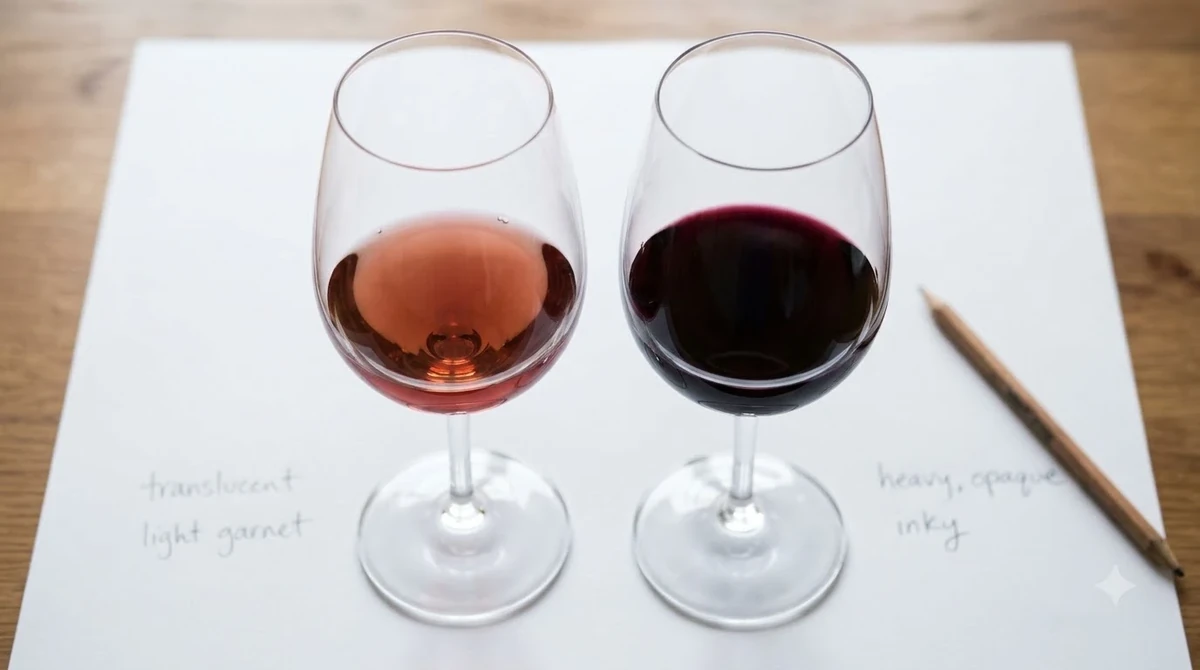
Keep the glass size in mind as well. A simple, clean glass without decoration lets you judge color and clarity, which is useful when you compare two vintages from the same estate. A medium or large glass gives the aroma room to develop, which matters for a structured red and for a white with some texture. Fill the glass only partway so the bouquet collects near the rim.
Pair the wine with food that matches its weight. Grilled meats, roasted vegetables, and hard cheeses work well with a structured red, and lighter whites from the estate suit seafood, salads, and simple chicken dishes. Match the bottle to the meal rather than the other way round.
Tip: Check the vintage and the appellation on the back label. Because the winery focuses on site-specific bottlings, the place named on the label usually tells you more about the style than the brand name alone.
Chateau St. Jean Compared With Other Brands
Chateau St. Jean sits in a crowded category, and it is worth comparing it with other producers before deciding. A Washington State producer such as Chateau Ste Michelle Riesling shows a different regional style, built around another state’s fruit and another set of growing conditions. Sonoma neighbors such as St Francis wine show how a nearby producer works with similar fruit.
The useful question is not which brand is best in general, but which style fits your meal and your taste. A single-source red from Sonoma will feel different from a Riesling, and both can be good choices depending on the occasion.
Who Chateau St. Jean Suits Best
Chateau St. Jean works well for someone who wants a Sonoma wine with a clear story and a recognizable estate. The founding history is easy to follow, and the winery’s focus on single-source bottlings gives buyers a reason to explore different appellations.
When you open a bottle, give it a fair chance. Taste it once on its own, then again beside a simple meal. A wine that seems quiet alone can show more fruit and structure once it has food to work with, which is one reason the brand’s site-focused bottles reward a second look.
If you prefer a very bold, dense red or a mass-market style with a consistent flavor from year to year, you may want to try a few bottles before deciding. Vintage variation is normal for a site-focused producer, and that is part of the appeal for many buyers.
Frequently Asked Questions
When was Chateau St. Jean founded?
The winery was founded in October 1973 by Ken Sheffield and brothers Bob and Ed Merzoian, according to the winery’s own story page.
Where is Chateau St. Jean located?
The winery is in Kenwood, California, in the Sonoma Valley, on the property that traces back to the Goff family’s Valley of the Moon estate.
What is Cinq Cépages?
Cinq Cépages is the winery’s flagship wine. The winery says it marked its 25th anniversary in 2017 and was relaunched with stylistic changes beginning with the 2022 release.
Who owns Chateau St. Jean?
The winery’s site identifies it as a member of Foley Family Wines.
Chateau St. Jean is a good example of a Sonoma producer with a long, documented history and a clear focus on single-source wines. To see how the brand compares with other wine producers, visit the Wine Brands guide, which lays out family histories, styles, and where each winery fits in the market.
More in Wine Brands
 Underwood Wine Price: Compare Bottles, Cans, and Pack SizesUpdated Nov 21, 2026
 Zenato Wine Price: Compare Styles and Choose the Right BottleUpdated Nov 21, 2026
 Zuccardi Wine Price: Compare Bottles and Find the Right RangeUpdated Nov 21, 2026
 Yellow Tail Moscato Review: Taste, Sweetness and Serving TipsUpdated Nov 21, 2026
 Wolf Blass Yellow Label Review: Choose Your Best StyleUpdated Nov 21, 2026
 Wolffer Estate Rose Review: Choose the Right Bottle for Your TableUpdated Nov 21, 2026