

We may earn a commission when you buy through links on this page, at no extra cost to you. Learn more.
Is pinot grigio sweet or dry? Most pinot grigio is dry and crisp, with lively acidity and very little leftover sugar, though some bottles from other regions keep a noticeable touch of sweetness. The Italian style is the one most people picture, and it is usually the lightest and driest version. Sweetness depends on how the winemaker stops fermentation and where the grapes were grown. Checking the producer’s technical sheet is the most reliable way to confirm the level in a specific bottle.
This guide explains why pinot grigio is usually dry, how styles change from one region to another, and what clues on a label can help you spot sweetness. It also covers food pairings and serving tips, so you can choose a bottle that matches your taste.
What Does Sweet or Dry Mean in Wine?
In wine, sweetness refers to residual sugar, the grape sugar that yeast did not convert into alcohol during fermentation. Winemakers usually measure it in grams per liter. A wine with very little of that sugar left tastes dry, while a wine with more tastes sweet or off-dry.
The confusing part is that taste and measurement do not always match. According to the Wine Folly dry-to-sweet chart, acidity and bitterness can hide sweetness, so a wine with some sugar can still taste dry. The same guide notes that aromas of ripe fruit can make a wine seem sweeter before you sip it.
For pinot grigio, this means the answer is rarely about the grape alone. Structure, acidity and the winemaker’s choices all shape whether the glass tastes crisp or round. Keep that in mind as you read the rest of this guide.
Why Pinot Grigio Is Usually Dry
Most pinot grigio sold in the United States is made in a dry style. The grape produces light, zesty wines with fresh acidity, and the typical Italian version is built around that crispness. Winemakers usually ferment the juice until most of the sugar becomes alcohol, which leaves a clean, dry finish.
Wine Folly points out that sweet pinot grigio from Italy is not a typical category. Many European wine rules require wines from certain regions to stay below a set sugar level, which keeps those wines dry by law. The same source explains that the EU allows dry wines with moderate acidity to hold up to a specific amount of sugar, which is a useful benchmark when you read about sweetness.
A second reason is that pinot grigio’s acidity masks sweetness well. A bottle with a small amount of sugar and a lively acid backbone tastes dry to most drinkers. That is why a pinot grigio can have a trace of sugar and still be described as crisp.
How Pinot Grigio Styles Differ by Region
The name is the same, but the character changes with where the grapes were grown and how the winemaker handled them. Italian bottles tend to be the lightest and most austere. Wines from cooler or more varied sites can show more fruit and a rounder texture, and some producers leave a small amount of sugar on purpose.
Wine Folly notes that Alsace makes high quality off-dry white wines from Pinot Gris, which is the same grape under its French name. The Alsace style is often richer and more aromatic than the Italian version. Pinot Gris from other places can fall anywhere along the scale, so the region on the label is a helpful first clue.
A Michigan example shows how winemakers can handle the grape differently. One producer describes its 2018 Pinot Grigio as stopped with a minimal amount of residual sugar, then aged in stainless steel. The same producer says the touch of sugar lets the wine be enjoyed on its own while the acid still cuts through rich food. That balance is typical of a wine that is dry on the palate but not bone dry.
| Style or region | Typical character | Sweetness clue |
|---|---|---|
| Italian pinot grigio | Light, zesty, citrus-focused | Usually dry and crisp |
| Alsace Pinot Gris | Fuller, more aromatic and textured | Often off-dry in traditional bottlings |
| Cool-climate New World Pinot Gris | Fruit-forward with a rounder feel | Can be dry or lightly sweet |
| Michigan-style pinot grigio | Bright acidity with floral, citrus notes | Some producers keep a small amount of sugar |
The table is a starting point, not a rule. Winemakers can make any style they choose, so the label and the producer’s notes matter more than the region alone.
Reading the Label for Sweetness Clues
In the United States, wine labels do not have to state sweetness, and there is no legal definition of dry. That means you need to look at other clues to judge how a bottle will taste. Start with the producer’s technical information, which often lists residual sugar.
- Look for a technical or tasting sheet on the winery’s website, since many producers publish residual sugar figures there.
- Check the producer’s tasting notes for words such as dry, crisp, off-dry or a touch of sweetness.
- Read the back label and the producer’s description for phrases about acidity and finish.
- Note the region and style, since Italian and Alsace bottles tend to differ.
- Ask a wine shop staff member which bottles on the shelf are dry and which are lightly sweet.
Be cautious with sweetness terms printed on labels, because they are not standardized across the country. Language such as smooth or soft often signals a rounder wine, but it does not give a measurement. When the sheet lists residual sugar, that is the most useful number you can find.
Wine calories are another thing to keep in mind. Alcohol contributes most of the calories in wine, so a wine with more alcohol usually has more calories, regardless of how sweet it tastes. Check the producer’s information if the numbers matter to you.
Pinot Grigio vs. Pinot Noir and Riesling Sweetness
Comparing pinot grigio with other popular grapes makes the pattern clearer. Pinot grigio is generally dry, pinot noir is almost always dry in the United States, and riesling covers the whole range from bone dry to lusciously sweet. Each grape has its own habits, so it helps to know what to expect before you open a bottle.
| Wine | Usual sweetness | What to check |
|---|---|---|
| Pinot grigio | Usually dry, with some off-dry examples | Producer sheet and regional style |
| Pinot noir (red) | Almost always dry in US table wine | Tasting notes for fruit weight |
| Riesling | Ranges from dry to sweet | Whether the label says dry, or the style is German or Alsace |
Pinot noir is the red grape most likely to surprise drinkers who expect a sweet fruit flavor. Its fruit can smell ripe and jammy without the wine containing much sugar. For more on that grape, read is pinot noir sweet or dry, which covers the same question from the red side.
Riesling is the grape most often sold in a sweet style, especially from some German and Alsace producers. Dry German Riesling also exists, and high acidity lets some dry Rieslings carry more residual sugar while still tasting dry. If you want to compare the two white wines, see is riesling sweet or dry for a breakdown of the range.
Food Pairings for Dry Pinot Grigio
Dry pinot grigio works well with food because its acidity cleans the palate between bites. A bright, crisp glass can cut through richness and make lighter dishes taste fresher. The producer of one Michigan pinot grigio describes its acid as enough structure to cut through the fat of most dishes, which captures the general idea.
- Seafood, including steamed shellfish, grilled white fish and shrimp dishes with lemon
- Fresh salads with goat cheese or citrus vinaigrette
- Light pasta with olive oil, herbs or delicate cream sauces
- Chicken or pork with fruit-based sauces
- Mild cheeses such as fresh mozzarella or young goat cheese
A pinot grigio with a little more body, such as an Alsace style, can handle richer dishes. Choose a dry Italian bottle for delicate seafood and fresh vegetables. For a sweeter-tasting match, pair a slightly off-dry bottle with spicy Asian food, where a touch of sugar can soften heat.
Serving Tips for Pinot Grigio
Serving temperature changes how dry a pinot grigio tastes. Chilled white wine shows crisp acidity and clean fruit, while a wine served too warm can taste flat and a little heavier. Put the bottle in the refrigerator well before you plan to open it.
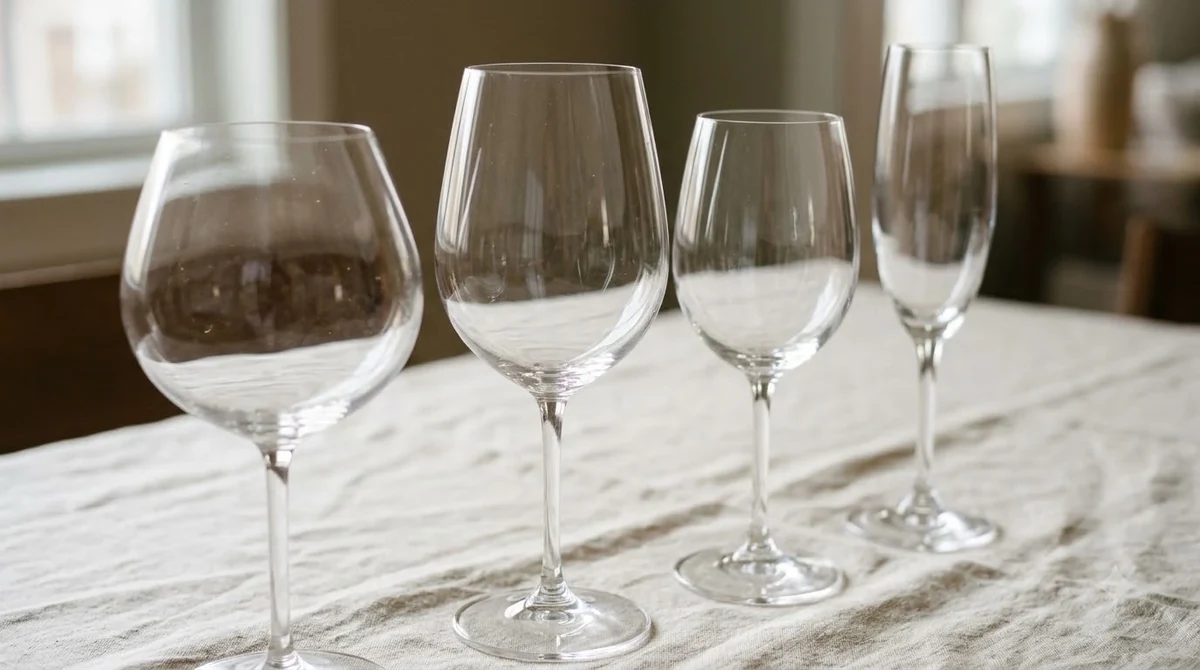
Use a standard white wine glass with a narrower bowl to keep aromas focused. Pour a moderate amount so the glass stays cool for longer. Pinot grigio is generally meant for drinking young, so a recent vintage usually shows the freshest character.
Drink responsibly and pace yourself with food. The U.S. Dietary Guidelines and most health agencies suggest limiting how much alcohol you drink in a day, so check the guidance that applies to you and keep track of your glasses.
Choosing a Pinot Grigio You Will Enjoy
If you want a dry, crisp glass, look for a bottle from Italy or a producer that describes its wine as dry and zesty. If you prefer a softer texture with more fruit, look at Pinot Gris from Alsace or a cool-climate producer who mentions a touch of residual sugar. Reading two or three tasting notes usually reveals which direction a bottle leans.
Start with a bottle you know is dry, then try a slightly richer one and compare. Your own preference is the best guide, and you can learn a lot from one side-by-side tasting at home. Keep notes on what you liked, so your next purchase is easier.
For a broader look at how sweetness works across white and red styles, browse the Wine by Type section. It is a good place to compare grapes and build a list of styles you enjoy.
Frequently Asked Questions
Is pinot grigio usually sweet or dry?
Pinot grigio is usually dry, especially the Italian style, which is light and crisp. Some bottles from other regions keep a small amount of residual sugar, so the label and producer notes are worth checking.
Why does some pinot grigio taste slightly sweet?
Some winemakers stop fermentation before all the grape sugar becomes alcohol, which leaves a small amount of sweetness. Ripe fruit aromas can also make a dry wine seem sweeter than it is.
How can I tell if a pinot grigio is dry from the label?
US labels are not required to state sweetness, so the label alone may not be enough. Look for a technical sheet that lists residual sugar, and read the tasting notes for words like dry or crisp.
Is pinot grigio the same grape as Pinot Gris?
Yes, pinot grigio and Pinot Gris are the same grape, with the names reflecting Italian and French usage. The style of wine depends more on the region and winemaker than on the name printed on the label.
Most pinot grigio is dry and crisp, but the exact sweetness depends on the style and the producer. Check the technical sheet when you want certainty, and compare a few bottles to learn your preference. You can also explore the Wine by Type section for more guidance on sweetness across grapes.
More in Wine Types & Grapes
 Zinfandel Sugar Content: Dry Red vs. White Zinfandel GramsUpdated Nov 21, 2026
 Best Zinfandel Substitute Options for Sipping and CookingUpdated Nov 21, 2026
 Zweigelt Food Pairing: Best Dishes, Cheeses, and Serving TipsUpdated Nov 21, 2026
 Zinfandel Tannins Explained: How Structure Shapes Every BottleUpdated Nov 21, 2026
 Zinfandel Sweetness Level: Dry Red vs. Sweet White Zin ExplainedUpdated Nov 21, 2026
 Xinomavro Food Pairing: Best Dishes, Styles, and Serving TipsUpdated Nov 21, 2026