

We may earn a commission when you buy through links on this page, at no extra cost to you. Learn more.
When asking is pinot noir sweet or dry, the clear answer is that standard Pinot Noir is a dry red wine. During fermentation, yeast converts almost all of the grape’s natural sugars into alcohol, leaving minimal residual sugar behind. Although ripe red berry aromas can trick the brain into expecting sugar, the actual finish is crisp, refreshing, and free of sugary weight.
Because Pinot Noir is famous for bright cherry, raspberry, and strawberry notes, many casual wine drinkers confuse its fruit-forward personality with literal sweetness. Understanding the difference between fruit flavor and residual sugar makes it much easier to pick a bottle you will enjoy, whether you are exploring Wine by Type or building confidence for your next dinner party.
What Pinot Noir Is
Pinot Noir is a thin-skinned, cool-climate red wine grape that produces light- to medium-bodied dry red wines with brisk acidity and low tannins. Known in Germany as Spätburgunder and in Italy as Pinot Nero, it is widely recognized by growers as one of the world’s most temperamental varieties to farm.
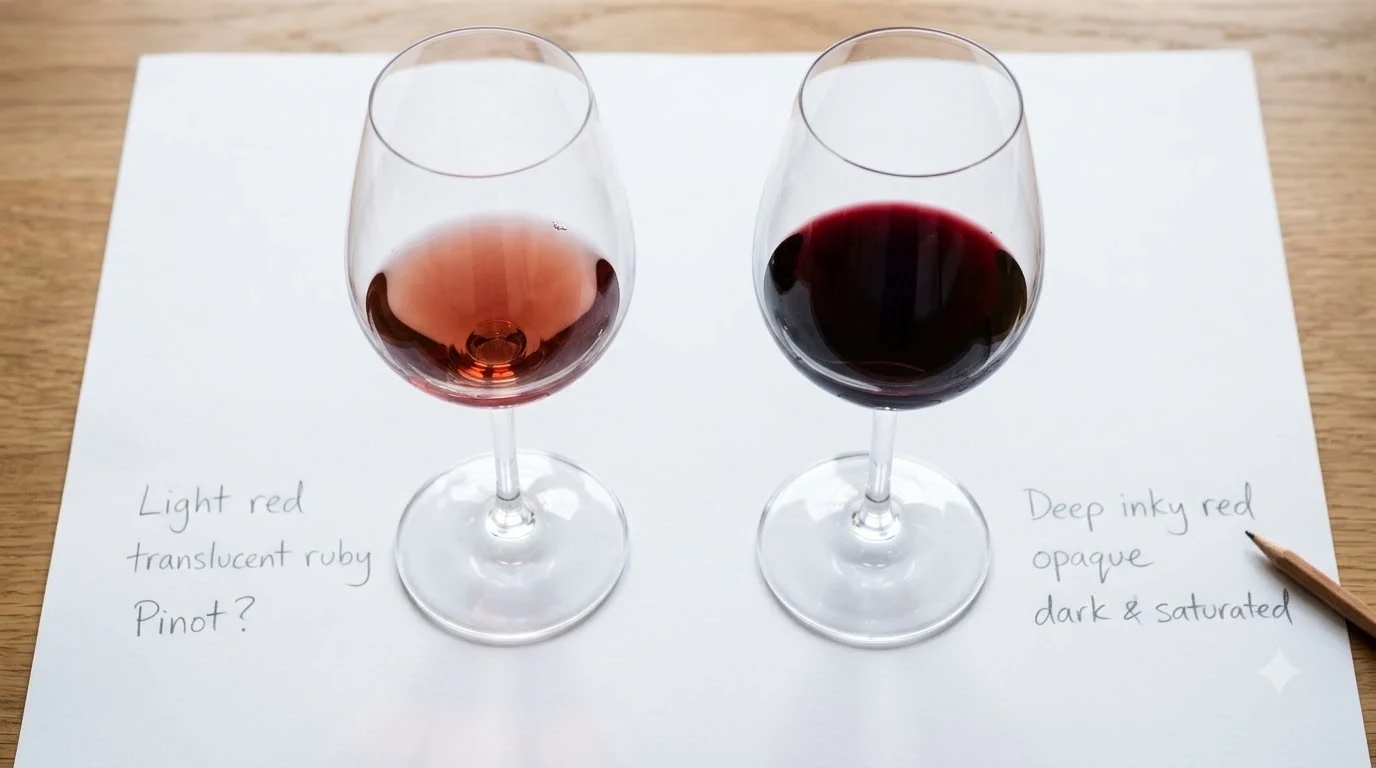
According to Wine Folly’s Pinot Noir guide, the grape is notoriously prone to genetic mutation, which has generated hundreds of distinct clones alongside color mutations like Pinot Gris and Pinot Blanc. Those thin skins are the reason a glass of Pinot Noir looks translucent ruby rather than opaque purple, and why the wine feels silky instead of mouth-dryingly astringent.
In technical winemaking terms, a wine qualifies as dry when yeast ferments nearly all grape sugar into alcohol, leaving only trace amounts of residual sugar in the finished bottle. Typical dry Pinot Noir sits between 12 percent and 14 percent alcohol by volume (ABV), balancing gentle alcohol warmth with lively natural acidity. While winemakers occasionally craft sweet late-harvest dessert styles or off-dry sparkling blends from the grape, virtually every still red bottle labeled Pinot Noir on retail shelves is fermented completely dry.
Flavor and Styles
Pinot Noir tastes dry on the palate, yet its expressive bouquet of red berries, florals, and warm baking spices often creates the illusion of sweetness. Learning to separate aromatic fruitiness from literal sugar helps explain why two dry bottles can taste dramatically different.
Primary fruit flavors usually center on tart cranberry, red cherry, wild strawberry, and raspberry in cooler growing regions, shifting toward black cherry and dark plum in sunnier vineyards. Beneath the fruit, Pinot Noir carries savory, earthy undertones that wine writers frequently compare to damp forest floor, wild mushrooms, dried herbs, and crushed rose petals. When aged in French oak barrels, the wine also picks up subtle notes of vanilla, clove, cocoa, or espresso, which add a sweet-smelling spice layer without adding actual sugar.
Climate and cellar choices divide Pinot Noir into two broad stylistic camps. Old World and cool-climate expressions lean leaner, brighter, and more savory, prioritizing mouthwatering acidity and earthy complexity over plush fruit. Warm-climate expressions feel rounder and riper on the mid-palate, showcasing jammy dark berries and plush oak spice that taste softer and slightly sweeter even when laboratory sugar levels remain bone dry.
| Pinot Noir Style | Core Fruit & Savory Notes | Body & Acidity | Sweetness Level |
|---|---|---|---|
| Cool-Climate / Old World (Burgundy, Willamette Valley, Germany) | Cranberry, tart red cherry, mushroom, forest floor, subtle herb | Light-bodied, high acidity, delicate tannins | Bone dry |
| Warm-Climate / New World (California Coast, Central Otago) | Black cherry, ripe plum, raspberry jam, vanilla, baking spice | Medium-bodied, medium-high acidity, silky tannins | Dry (fruit-forward perception) |
| Rosé of Pinot Noir | Fresh strawberry, watermelon rind, white peach, citrus zest | Light-bodied, crisp acidity, zero tannin | Dry to off-dry |
| Blanc de Noirs Sparkling | Green apple, brioche, white cherry, toasted almond | Light-bodied, racy acidity, creamy mousse | Brut (dry) |
Where It Grows
Pinot Noir thrives in cool, breezy wine regions where a long, gentle growing season lets the grapes develop complex aromatics without losing their signature acidity. Extreme heat scorches its thin skins and flattens its perfume, which is why top vineyards cluster along coastal fog lines, river valleys, and northern latitudes.
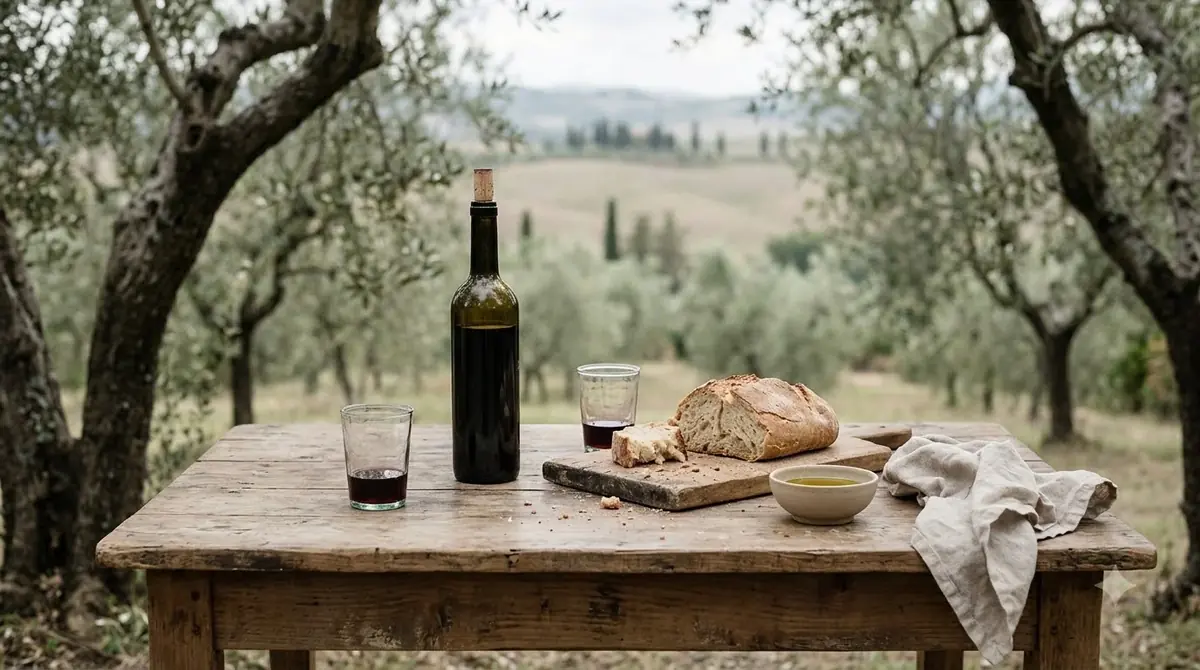
France’s Burgundy region remains the historic benchmark, where limestone and clay soils produce age-worthy, deeply earthy reds with bright red fruit and structural finesse. Across the border in Germany, regions like the Ahr and Baden bottle the grape as Spätburgunder, yielding fresh, savory wines with vibrant cherry character. In the Southern Hemisphere, New Zealand’s Martinborough and Marlborough regions rely on cool maritime winds to craft plush, aromatic bottles layered with dark cherry and savory spice.
In the United States, Oregon’s Willamette Valley benefits from cooling Pacific Ocean fog, resulting in nuanced wines marked by cranberry, Bing cherry, and truffle notes that closely echo Burgundy. Further south, California coastal appellations such as Sonoma Coast, Russian River Valley, and Santa Barbara County produce riper, fuller-bodied styles bursting with dark berry fruit and velvety texture. Comparing regional styles shows how dramatically climate shapes perception—much like deciding is chardonnay sweet or dry when weighing crisp Chablis against oaky Napa Valley bottles.
How to Serve Pinot Noir
Serve red Pinot Noir slightly below room temperature, ideally between 55°F and 60°F (12°C to 15°C), to keep its red fruit crisp and its alcohol balanced. Pouring it too warm lets the alcohol overshadow delicate floral and earthy aromas, while serving it straight from a kitchen refrigerator mutes its bouquet.
According to Wine Enthusiast’s guide to Pinot Noir, lighter, brighter bottles shine closer to 55°F, whereas fuller-bodied, oak-aged expressions open up nicely near 65°F. If your bottle has been sitting on a 70°F kitchen counter, placing it in the fridge for 15 to 20 minutes brings it right into the ideal cellar-cool range.
Glassware and aeration also play practical roles at the table. A large, bowl-shaped Burgundy glass concentrates Pinot Noir’s volatile aromatics toward your nose, enhancing every swirl. Young, tightly wound bottles benefit from 20 to 30 minutes of breathing time in the glass or a wide decanter, while delicate older vintages should be poured gently without vigorous decanting. Any leftover wine can be re-corked and stored in the refrigerator, where the cold slows oxidation and keeps flavors fresh for one to three days.
Tip: Chill a room-temperature bottle of Pinot Noir in the refrigerator for 15 to 20 minutes before pouring so the fruit tastes vibrant rather than heavy.
Food Pairing
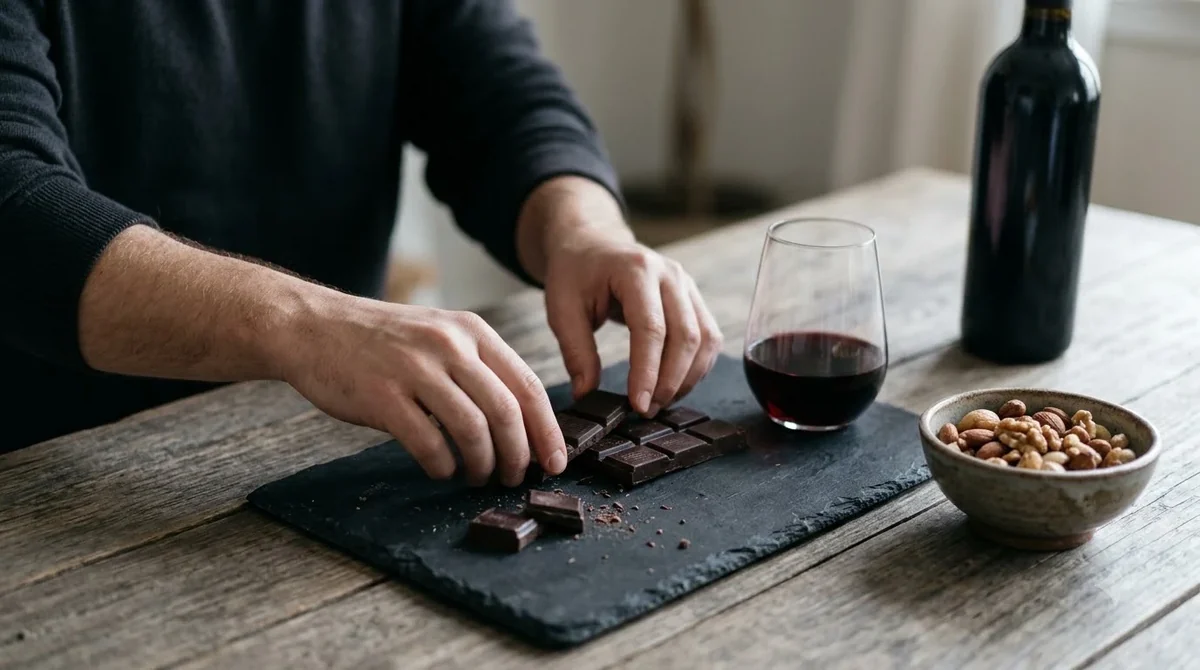
Because Pinot Noir combines dry, mouthwatering acidity with low tannins and medium body, it ranks among the most versatile food wines at the dinner table. It bridges the gap between seafood and red meat without overwhelming delicate ingredients or clashing with savory sauces.
Earthy dishes create a natural resonance with the grape’s savory side. Wild mushroom risotto, roasted poultry, duck breast, pork tenderloin, and herb-crusted salmon all echo Pinot Noir’s forest-floor and red-berry profile. Soft, creamy cheeses such as Brie, Camembert, and triple-cream varieties also pair effortlessly because the wine’s brisk acidity cuts through rich butterfat without metallic tannin bitterness.
Pay attention to sauces and seasonings when planning a menu. While dry red Pinot Noir handles herbs, roasted garlic, and berry reductions with ease, fiery chili heat can accentuate alcohol warmth on the finish. When serving spicy Asian or Latin dishes, many hosts prefer switching to a crisp white—a helpful contrast if you are also wondering is pinot grigio sweet or dry or is riesling sweet or dry for heat-friendly pairings.
How to Choose a Bottle
Choosing a dry Pinot Noir that matches your palate comes down to reading the region, alcohol level, and vintage clues printed right on the front label. Since nearly every still red bottle is dry, your real decision is whether you prefer a tart, earthy style or a plush, fruit-driven pour.
Start by checking the appellation and ABV. Bottles from Burgundy, Germany, Oregon’s Willamette Valley, or coastal New Zealand typically sit around 12.5 percent to 13.5 percent ABV and deliver bright red cherry, crisp acidity, and savory depth. Bottles from warmer California valleys often list 13.8 percent to 14.5 percent ABV, signaling riper black fruit, softer acidity, and noticeable French oak spice.
Finally, look at production details on the back label. Terms like “unfiltered,” “whole-cluster fermentation,” or “neutral oak” point toward aromatic, energetic wines with herbal lift and lively freshness. Descriptions mentioning “new French oak,” “velvety,” or “dark berry” indicate a richer, rounder texture that appeals to drinkers who normally favor Cabernet Sauvignon or Merlot but want a smoother, lower-tannin alternative.
Frequently Asked Questions
Is Pinot Noir sweeter than Cabernet Sauvignon?
No, both Pinot Noir and Cabernet Sauvignon are typically fermented completely dry with virtually no residual sugar. Pinot Noir can seem sweeter to beginners because it has softer tannins and bright red berry flavors, whereas Cabernet Sauvignon has heavier tannins that create a firmer, drier sensation on the gums.
Why does my Pinot Noir taste sweet if it is a dry wine?
Ripe fruit aromas like cherry, strawberry, and raspberry combined with vanilla notes from oak aging signal sweetness to your senses even when sugar is absent. Warm-climate vintages and higher alcohol levels can also create a plush, round mouthfeel that mimics sweetness on a dry finish.
Is Pinot Noir good for people who do not like dry red wine?
Yes, Pinot Noir is widely recommended as an entry-level dry red because its thin skins produce gentle tannins rather than harsh bitterness. Look for fruit-forward bottles from California or New Zealand, which offer juicy berry character and a silky texture without any sugary aftertaste.
Are there any sweet wines made from Pinot Noir grapes?
While standard still red Pinot Noir is dry, winemakers occasionally produce rare late-harvest dessert wines or off-dry sparkling rosés from the grape. These specialty bottles are clearly labeled with terms like Late Harvest, Demi-Sec, or Doux so you will not confuse them with regular table wine.
Pinot Noir earns its reputation as one of the world’s most rewarding red wines precisely because it balances expressive red fruit with a crisp, dry finish. Once you know how climate, oak aging, and serving temperature shape each pour, you can easily match the right bottle to any meal or mood.
More in Wine Types & Grapes
 Zinfandel Sugar Content: Dry Red vs. White Zinfandel GramsUpdated Nov 21, 2026
 Best Zinfandel Substitute Options for Sipping and CookingUpdated Nov 21, 2026
 Zweigelt Food Pairing: Best Dishes, Cheeses, and Serving TipsUpdated Nov 21, 2026
 Zinfandel Tannins Explained: How Structure Shapes Every BottleUpdated Nov 21, 2026
 Zinfandel Sweetness Level: Dry Red vs. Sweet White Zin ExplainedUpdated Nov 21, 2026
 Xinomavro Food Pairing: Best Dishes, Styles, and Serving TipsUpdated Nov 21, 2026