

We may earn a commission when you buy through links on this page, at no extra cost to you. Learn more.
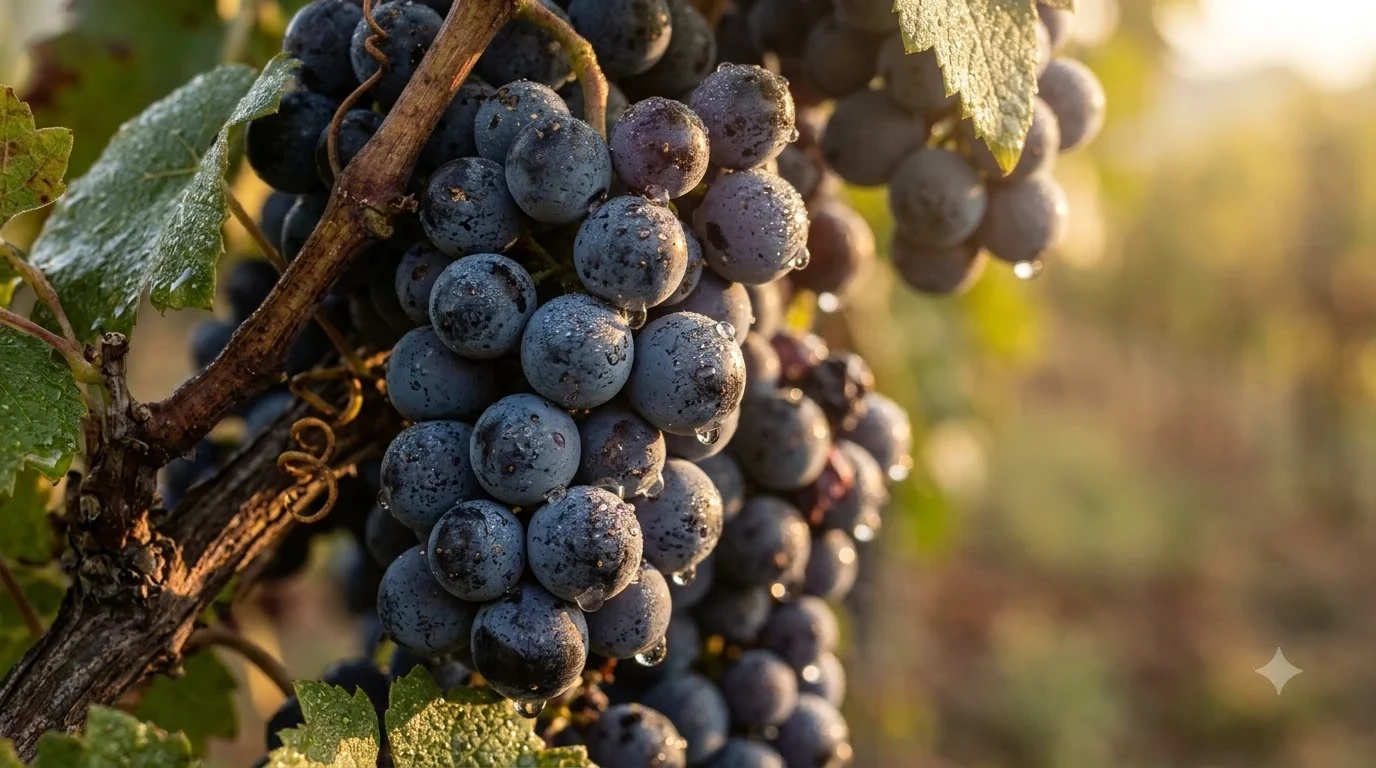
San Juan wine comes from Argentina’s second-largest wine-producing province, a sun-drenched desert region immediately north of Mendoza that accounts for nearly 30 percent of the country’s total output. Best known for bold, spicy Syrah, fruit-forward Bonarda, and structured high-altitude Malbec, the region spans irrigated Andean valleys where intense daytime heat meets cool mountain nights. While historically focused on high-volume domestic bottles, vermouth bases, and brandy, modern San Juan producers have shifted sharply toward terroir-driven estate reds and crisp aromatic whites.
Understanding how San Juan fits into the broader map of Wine Regions requires looking past its neighbor to the south. Whereas Mendoza built its global reputation on lush valley-floor Malbec, San Juan carved out an identity centered on Syrah and extreme desert viticulture, where annual rainfall hovers around just 80 to 150 millimeters and meltwater from the Andes sustains every vine.
Overview of the San Juan Wine Region
Located in western Argentina’s Cuyo area at the foothills of the Andes, San Juan province sits roughly 180 kilometers north of Mendoza and is dominated by mountains across more than 80 percent of its territory. Vineyards occupy a series of alluvial desert valleys fed by the San Juan and Jáchal rivers, creating stark contrasts between scorching afternoons and crisp nights.
For decades, San Juan functioned primarily as Argentina’s volume cellar, supplying everyday table wines, grape concentrate, raisins, and base wines for sherry-style bottlings, vermouth, and brandy to meet domestic demand. According to Decanter’s regional report on San Juan, the province historically produced nearly 30 percent of Argentina’s wine volume, relying heavily on high-yielding varieties like Pedro Giménez and Muscat of Alexandria.
Over the past few decades, sustained investment in vineyard conversion, canopy management, and temperature-controlled winery infrastructure transformed the province’s reputation. Producers cut yields on older plantings, replaced bulk grapes with thousands of hectares of fine European varieties, and began planting higher up the Andean foothills. Today, wine drinkers encounter two distinct sides of San Juan: approachable, value-driven bottles from warm lower valleys and concentrated, age-worthy reds from high-elevation sites.
Key Sub-Regions and Andean Valleys
Because mountains cover most of the province, viticulture concentrates within five primary valleys that differ dramatically in elevation, soil composition, and nighttime cooling. Moving from the broad desert floor toward the high pre-Andes shifts the resulting wines from plush and immediate to firm, mineral, and tightly structured.
| Sub-Region | Approximate Elevation | Soil Profile | Signature Wine Style |
|---|---|---|---|
| Tulum Valley | 550 to 750 meters (1,800 to 2,460 feet) | Alluvial sand, clay, and river gravel | Plush, fruit-forward Syrah, Bonarda, and red blends |
| Pedernal Valley | 1,200 to 1,500 meters (3,940 to 4,920 feet) | Limestone, flint, and weathered mineral stone | Structured, high-acid Malbec and savory Syrah |
| Calingasta Valley | 1,350 to 1,700 meters (4,430 to 5,580 feet) | Rocky alluvial deposits and mountain scree | Fresh, aromatic reds with herbal lift and crisp whites |
| Zonda Valley | 750 to 900 meters (2,460 to 2,950 feet) | Sandy loam and stony alluvial fans | Ripe reds and emerging aromatic white varieties |
| Ullum Valley | 750 to 850 meters (2,460 to 2,950 feet) | Gravelly desert soils near the Ullum reservoir | Vibrant, early-ripening Syrah and Malbec |
Tulum Valley remains the historical and commercial heart of San Juan, surrounding the provincial capital and accounting for roughly 80 percent of the province’s production. Protected from Pacific moisture by the Andes and framed by the Sierra Pie de Palo range, Tulum experiences summer highs that frequently reach 35 to 40 degrees Celsius alongside dry, warm Zonda winds. Vineyards here rely on historic irrigation networks—originally engineered by the indigenous Huarpe and Inca peoples and later expanded with modern drip systems—to produce generous, deeply colored reds with soft, accessible tannins.
Pedernal Valley, situated roughly 90 kilometers southwest of San Juan City, represents the qualitative vanguard of the province. Named after the Spanish word for flint, Pedernal sits between 1,200 and 1,500 meters above sea level and features calcareous limestone soils that are rare elsewhere in Argentina. Intense ultraviolet sunlight thickens grape skins for deep pigmentation, while dramatic diurnal temperature swings preserve brisk natural acidity and impart savory notes of wild mountain herbs and crushed stone.
Calingasta, Zonda, and Ullum Valleys round out the province’s Geographical Indications. Calingasta, tucked high in the western cordillera, produces small-lot mountain wines prized for bright acidity and herbal aromatics. Closer to the capital, Zonda and Ullum sit slightly higher than the main Tulum floor, bridging the gap between warm-valley generosity and high-altitude tension while supporting an expanding lineup of white varieties.
Key Grapes and Wine Styles
Syrah stands as San Juan’s signature red grape, thriving in the province’s arid heat where many other varieties lose aromatic definition. Alongside Syrah, producers cultivate substantial acreage of Malbec, Bonarda, Cabernet Sauvignon, and aromatic whites led by Torrontés Sanjuanino, Viognier, and Chardonnay.
Unlike the black-fruited, velvety profile that defines cahors wine in southwestern France or high-elevation bottles from Mendoza, San Juan Malbec shifts noticeably depending on valley altitude. On the warm Tulum floor, Malbec delivers ripe plum, baked dark berries, and sweet spice with approachable tannins. Higher up in the Pedernal Valley, reviewers at Wine Enthusiast’s San Juan tasting archive frequently highlight savory notes of fresh-cut thyme, flint, chewy tannins, and bright acidity.
Syrah acts as the undisputed calling card of the region, accounting for roughly one-fifth of red plantings and performing well across every valley. Warm-climate Tulum Syrah emphasizes blackberry jam, dark chocolate, and sweet baking spice, whereas cooler Pedernal Syrah leans toward black pepper, smoked meat, violets, and firm mineral grip. Winemakers frequently blend Syrah with Malbec or Bonarda to combine mid-palate juiciness with structural backbone.
Bonarda serves as San Juan’s versatile workhorse red, offering deep purple color, bright cherry and raspberry fruit, moderate acidity, and supple tannins that make it immediately drinkable. Meanwhile, Cabernet Sauvignon performs best in warm, well-drained gravelly sites—much like the alluvial benchlands known for calistoga wine—yielding full-bodied reds layered with cassis and dried desert herbs. On the white side, native Torrontés Sanjuanino, Viognier, and high-altitude Chardonnay bring stone fruit, white blossoms, and crisp minerality to balance the region’s red-dominated output.
Tip: Look for “Valle de Pedernal” on the back or front label when shopping for cellar-worthy bottles; the limestone soils and high elevation give those reds noticeably firmer tannins and fresher acidity than standard San Juan regional blends.
Notable Producers Shaping San Juan
A mix of century-old historic estates and modern, terroir-focused wineries drives San Juan’s ongoing quality evolution. Reviewing the names most frequently cited by international wine critics helps clarify how the region’s different valleys translate into the glass.
Bodegas Graffigna ranks among the oldest wineries in San Juan, founded in 1869 by Italian immigrant Don Juan Carlos Graffigna. Long recognized for pioneering quality Cabernet Sauvignon and Syrah in the region, the estate played a central role in introducing modern viticultural consulting, cold grape reception, and temperature-controlled fermentation to counter the province’s intense desert heat.
Finca Las Moras helped put modern San Juan on the international export map by championing site-specific Syrah and creative red blends across the Tulum and Pedernal valleys. Working with varieties ranging from Viognier and Sauvignon Blanc to Bonarda and Malbec, the winery demonstrated that San Juan’s sunny valleys could deliver expressive, clean varietal character rather than bulk volume.
Bodegas Callia operates an extensive multi-valley vineyard footprint spanning Tulum, Ullum, Pedernal, and Zonda. The winery is widely recognized for approachable, fruit-driven Syrah and Syrah-Malbec blends that highlight the generous, spice-laced personality of the Tulum Valley.
Pyros Wines focuses exclusively on the high-altitude Pedernal Valley, bottling single-vineyard Malbec and Syrah from limestone-rich parcels planted at around 1,400 meters. Their releases have earned repeated critical acclaim for showcasing Pedernal’s wild herbal aromatics, flinty minerality, and structured aging potential.
Visiting Tips for Wine Travelers
San Juan offers a quieter, less commercialized wine travel experience than Mendoza, rewarding visitors who plan winery appointments in advance and embrace desert road trips. Most travelers use San Juan City as a base, as the surrounding Tulum Valley bodegas lie within a short drive of the capital.
Scheduling visits one to two weeks ahead is strongly recommended, especially for boutique operations in the Pedernal or Calingasta valleys where distances are longer and English-speaking staff may be limited. March brings the lively Tulum Valley Wine Harvest Festival with winery tours and folk music, while autumn (March through May) and spring (September through November) provide the most comfortable daytime temperatures for exploring outdoor vineyards and historic olive groves.
Beyond traditional cellar tours, visitors can sample San Juan’s broader agricultural heritage at local markets and winery restaurants, pairing estate Syrah with wood-fired Argentine meats, regional cheeses, and artisanal olive oils. Travellers interested in fortified wines and spirits will also find local cellars maintaining historic traditions of mistela, vermouth, and grape brandy—a nod to the same distillation heritage that defines cognac wine production in France.
How to Buy and Serve San Juan Wine
Selecting and serving San Juan wine comes down to matching the bottle’s valley origin and grape variety to the occasion. Understanding label cues ensures you get the exact style you want, whether that means an easygoing weeknight red or a structured weekend dinner bottle.
Check the appellation line first: bottles labeled broadly as “San Juan” or “Valle de Tulum” generally deliver plush, ripe fruit, moderate tannins, and immediate drinkability upon release. Bottles carrying “Valle de Pedernal” or “Valle de Calingasta” indicate high-elevation fruit with higher natural acidity, deeper tannic grip, and the structure to evolve in bottle for eight to ten years.
Serve San Juan Syrah, Malbec, and Cabernet Sauvignon slightly below room temperature, ideally between 60 and 65 degrees Fahrenheit (15 to 18 degrees Celsius), so the ripe alcohol—often 14 to 15 percent ABV—stays balanced and vibrant rather than warm. Lighter, fruit-forward Bonarda shines around 58 to 60 degrees Fahrenheit, while aromatic Viognier and Chardonnay taste best chilled to 48 to 52 degrees Fahrenheit. Decanting high-altitude Pedernal reds for 30 to 45 minutes softens their youthful tannins and opens up savory notes of thyme, black pepper, and crushed stone.
Frequently Asked Questions
Is San Juan wine similar to Mendoza wine?
San Juan sits directly north of Mendoza and shares an arid, Andes-fed desert climate, but its wines have a distinct personality. While Mendoza is most famous for lush Malbec, San Juan is hotter and drier overall, making peppery, full-bodied Syrah and juicy Bonarda its signature reds alongside high-altitude Malbec from the Pedernal Valley.
What is the most famous grape in San Juan, Argentina?
Syrah is widely considered San Juan’s signature grape variety. It thrives in the region’s intense sunshine and low rainfall, producing deeply colored wines with rich blackberry fruit, black pepper, and smoky spice in warmer valleys, or firm mineral structure and herbal notes in higher-altitude sites.
What foods pair best with San Juan red wines?
Bold San Juan Syrah and Pedernal Malbec pair naturally with grilled flank steak, lamb chops, smoky barbecue, and herb-marinated meats dressed with chimichurri. Lighter, fruit-forward San Juan Bonarda works wonderfully with wood-fired pizza, roasted mushrooms, grilled sausages, and tomato-based pasta dishes.
Does San Juan produce white or fortified wines?
Yes, although red grapes dominate modern exports, San Juan produces crisp, aromatic white wines from Viognier, Chardonnay, and Torrontés Sanjuanino. The province also maintains a long-standing tradition of crafting sweet fortified wines, vermouth bases, and grape brandy from its sun-ripened harvests.
From approachable Tulum Valley Syrah to mineral-driven Pedernal Malbec, San Juan wine offers an illuminating look at how elevation and desert climate shape flavor in the glass. Exploring bottles across these distinct Andean valleys provides a rewarding way to expand beyond classic Argentine Malbec while discovering remarkable regional character.
More in Wine Regions
 Willcox Wine Trail: Discover Arizona’s High-Elevation Wine CountryUpdated Nov 20, 2026
 Yakima Valley Wine Region: Find the Best Styles to TryUpdated Nov 20, 2026
 Vosne Romanee Wine Tasting: Identify Aromas and Choose Better PairingsUpdated Nov 20, 2026
 Yakima Valley Wine Festival: Find the Best Seasonal Wine EventsUpdated Nov 20, 2026
 Wales Vineyards: Discover Cool-Climate Wines and Where to VisitUpdated Nov 20, 2026
 Yountville Wine Festival: Discover Napa Wines and Local FoodUpdated Nov 20, 2026