

We may earn a commission when you buy through links on this page, at no extra cost to you. Learn more.
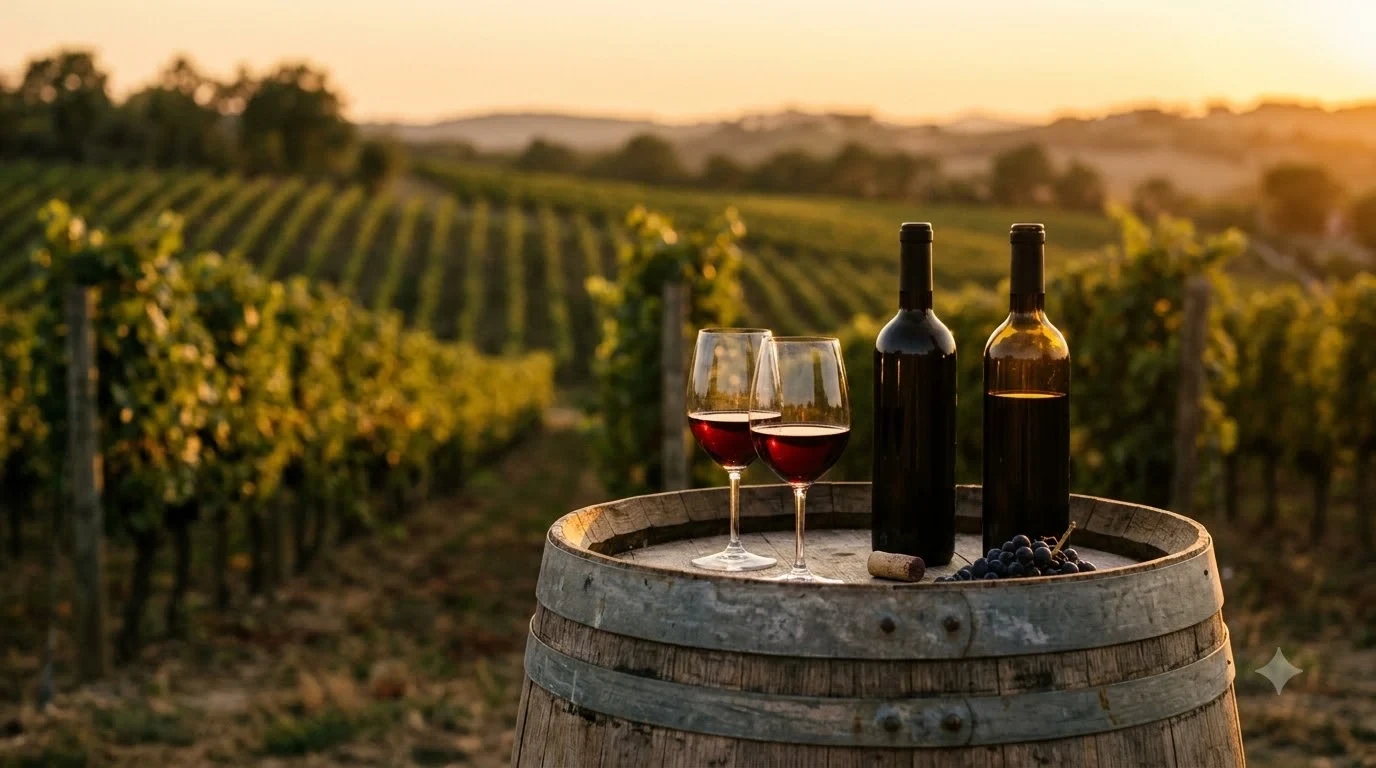
Yakima Valley wine comes from Washington’s oldest federally approved grape-growing region, a large irrigated valley in the south-central part of the state. The area is the largest sub-appellation of the Columbia Valley, and it is home to almost a third of the state’s planted acreage. Its dry climate, cool foothills and warm basin sites produce a wide mix of white and red wines.
This guide explains what makes Yakima Valley wine distinct, how its climate and soils shape the grapes, and which sub-appellations matter most. It also covers notable wineries, food pairings and practical tips for buying and storing bottles.
What Is Yakima Valley Wine?
Yakima Valley wine is wine made from grapes grown inside the Yakima Valley American Viticultural Area, usually shortened to AVA. The federal government approved the area in 1983, which makes it the first recognized wine-growing region in the Pacific Northwest. When a label says Yakima Valley, the rules require the grapes to come from that defined area.
The region is big. According to the Washington State Wine Commission, the AVA covers about 665,600 acres, and roughly 18,924 acres of that land are planted with vines. Wikipedia’s entry on the appellation notes that Nearly 40% of Washington’s annual wine production comes from Yakima Valley grapes, which shows how central the valley is to the state’s industry.
Many people first meet the region through its white wines. The valley is one of the few Washington appellations where white varieties are planted more widely than red, led by Chardonnay and Riesling. Reds still matter, though, and the warmer sites produce notable Merlot, Cabernet Sauvignon and Syrah. For a fuller picture of the state’s producers, the Washington State Wine Commission’s page on the Yakima Valley AVA profile gives a concise overview of the appellation.
Climate and Geography of Yakima Valley
The Yakima Valley climate is arid and continental, and that shapes almost every decision a grower makes. Annual precipitation averages only about 8 inches, so vineyards depend on irrigation. Water comes from the Yakima River, which runs through the appellation, and from local aquifers. Without irrigation, the vinifera vines grown here would struggle to ripen a crop.
Elevation and location create real differences within the valley. Cooler areas sit toward the foothills of the Cascade Mountains, while the center of the Columbia Basin gets much hotter. Growers often describe these as two different climate personalities inside one appellation. That variation helps explain why the region supports both cool-climate whites and warm-climate reds.
Soils add another layer. Deep silt-loam sits over basalt bedrock and gravel, and this structure drains well. The Washington State Wine Commission links these soils to the Missoula Floods, a series of cataclysms that reshaped the terrain more than 15,000 years ago. Well-drained ground is useful for irrigated viticulture because excess water moves away from the roots.
The growing season is long enough for ripening. Wikipedia’s appellation profile lists a growing season of 184 to 196 days and a range of 2,207 to 3,048 growing degree-day units. Those figures are useful context, but the practical takeaway for a buyer is simple: the valley is warm enough for serious reds and cool enough in places to keep whites bright.
Signature Grape Varieties Grown in Yakima Valley
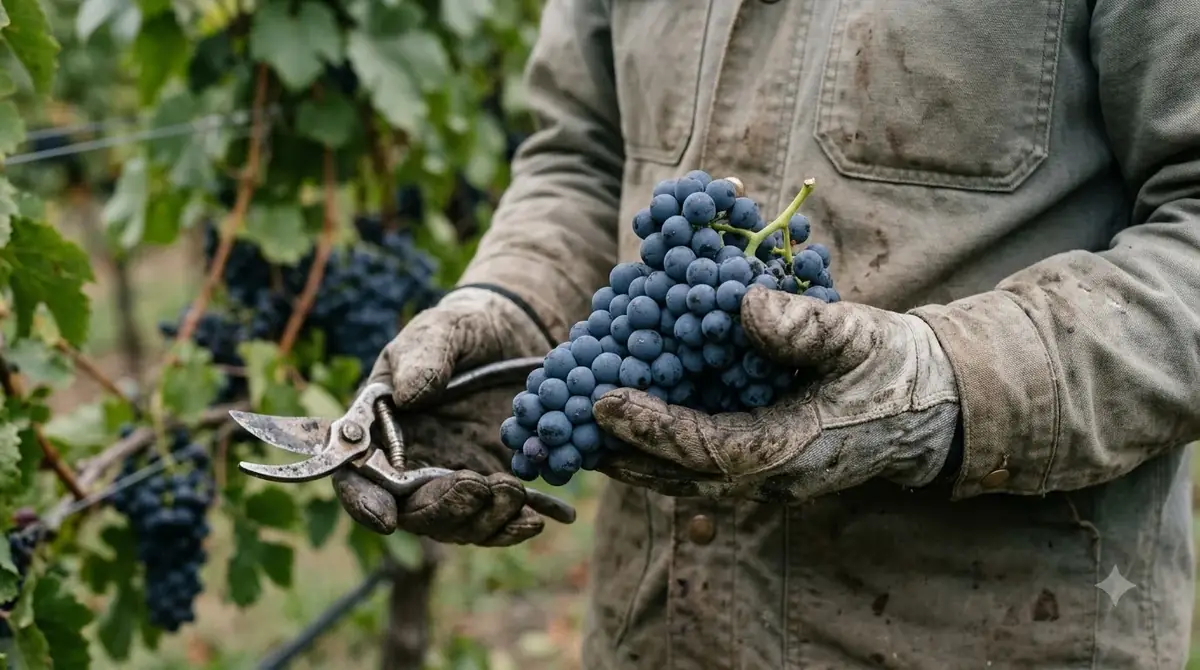
The grape list in Yakima Valley is long, but a handful of varieties define the region. Chardonnay, Riesling, Merlot, Cabernet Sauvignon, Pinot gris and Syrah are the most widely planted, according to Wikipedia’s summary of the appellation. Smaller plantings include Malbec, Sangiovese, Chenin blanc and several other varieties that reflect the valley’s experimental history.
Riesling and Chardonnay grow best on the cooler slopes. Those sites tend to keep acidity lively, which suits crisp whites and sparkling bases. Cabernet Sauvignon and Merlot do well on warmer exposures, where the fruit ripens more fully. Syrah also appears on the warmer sites and often shows dark fruit and savory notes.
The table below summarizes the varieties and the kinds of sites where they are most often described. It is a practical starting point, not a rulebook, because individual vineyards and winemaking choices change the final wine.
| Variety | Wine style | Typical site in the valley |
|---|---|---|
| Chardonnay | Dry white, from crisp to richer | Cooler slopes near the foothills |
| Riesling | Dry to off-dry white, aromatic | Cooler slopes with good airflow |
| Pinot gris | Light, fruity white | Mixed sites across the valley |
| Merlot | Medium-bodied red | Warmer, south-facing sites |
| Cabernet Sauvignon | Structured, full-bodied red | Warm sites such as Red Mountain |
| Syrah | Dark, spicy red | Warm sites with plenty of sun |
Tip: When a bottle lists a single variety, check the label for the appellation statement. A Yakima Valley designation tells you where the grapes were grown, while a vineyard name often points to a specific site.
Yakima Valley AVAs and Sub-Appellations
Yakima Valley is not one uniform zone. It contains several smaller sub-appellations, and each has its own character. The Washington State Wine Commission lists Candy Mountain, Goose Gap, Rattlesnake Hills, Red Mountain and Snipes Mountain as the valley’s named sub-regions. Knowing these names helps you read a label and predict what the wine may taste like.
Red Mountain is the best-known example. The Washington State Wine Commission describes it as one of the state’s smallest appellations and one of its warmest, with broad slopes that face the summer sun. Red grapes dominate there, and the commission says Cabernet Sauvignon makes up 60% of plantings. Red Mountain wines are often described as full-bodied and dense, with firm tannins that can age well.
Rattlesnake Hills and Snipes Mountain show the same warm-slope logic in different ways. Wikipedia notes that much of the valley’s Vinifera acreage sits on south-facing slopes of the Rattlesnake Hills, Red Mountain and Snipes Mountain. Candy Mountain and Goose Gap were added more recently, and the federal process for these areas is documented in the Federal Register. If you want the official boundaries, the Yakima Valley AVA entry on Wikipedia lists the sub-regions and the appellation history in one place.
Notable Yakima Valley Wineries and Tasting Rooms
The valley has a deep winemaking history, and many of its wineries trace back to pioneering families. Wikipedia credits French winemaker Charles Schanno with planting the first Yakima Valley vines in 1869. Later, William B. Bridgeman helped establish the modern industry in the early 1900s, and his vineyard cuttings spread through the valley. Those roots still shape the local culture.
After the end of Prohibition, the valley’s wineries multiplied. Wikipedia’s history section mentions Upland Winery and the state’s first dry Riesling as early milestones. In the 1980s, new wineries such as Hogue Cellars and Covey Run opened, followed by Chinook Wines. Today the appellation is described as having around 60 wineries, so visitors have a wide range of styles to sample.
For visitors, the practical approach is to plan around a few sub-regions instead of trying to cover the whole valley in one day. Tasting rooms near the cities of Yakima and Prosser are a good starting point, since many producers are concentrated there. Call ahead or check each winery’s website for hours and reservations, because schedules can change by season. Wine tourism works best when you pace your tastings and arrange a designated driver or a rideshare for the return trip.
Yakima Valley Wine Compared to Other US Regions
Yakima Valley wine is easiest to understand when you compare it with other well-known American regions. The valley is part of Washington, which means it shares a larger wine identity with the Columbia Valley. Its climate is much drier than many coastal California areas, and irrigation is a basic requirement rather than a choice.
Compared with cool coastal regions, the valley’s warm inland sites produce riper reds and fuller fruit flavors in the warmest spots. The cooler foothills create a different profile, with white wines that keep brighter acidity. That combination of cool and warm exposures inside one appellation is less common than many buyers expect, and it gives the valley its range.
Other Washington regions also offer useful comparisons. Walla Walla Valley, for example, is a shared appellation with Oregon and has a strong concentration of wineries, while Horse Heaven Hills has a large share of the state’s planted acreage. If you want a Pacific Coast comparison, the russian river valley wineries guide shows how a cooler, maritime setting produces a very different set of styles.
Food Pairings for Yakima Valley Wines
Matching food to Yakima Valley wine works best when you start with the grape and the style. Crisp whites from the cooler slopes pair well with lighter dishes, while the fuller reds from warm sites suit richer, savory cooking. The aim is balance: acidity can refresh a rich plate, and tannin needs protein or fat to soften.
Riesling and off-dry styles suit spicy Asian dishes, roast pork and fresh fruit salsas. Chardonnay with some oak pairs well with roast chicken, creamy pasta and mild cheeses. Pinot gris is a flexible choice for seafood, salads and light appetizers.
Red wines call for heartier food. Merlot works with grilled burgers, mushroom dishes and roasted vegetables. Cabernet Sauvignon and Syrah from the warmer sites handle grilled steak, lamb and aged hard cheeses. For a serving reminder, drink responsibly and pace your glasses with food, since the rich reds can be deceptively easy to sip.
How to Buy and Store Yakima Valley Wine
Buying Yakima Valley wine is straightforward once you know what to look for. Check the label for the Yakima Valley appellation, and look for a sub-appellation name if you want a specific style. Many wineries sell direct, and some wine shops carry a broader selection from the region.
Storage matters more for some styles than others. Whites and sparkling wines usually taste best when young and kept cool, while structured reds from Red Mountain or other warm sites can improve with time in a stable cellar. The manufacturer’s or winery’s storage notes on the label or website are the best guide for a specific bottle.
Keep bottles away from heat, direct sun and strong vibration. A steady, cool spot works well for most wines. If you are unsure how long to hold a bottle, ask the tasting room staff or check the producer’s website for recommended drinking windows.
Frequently Asked Questions
Is Yakima Valley known for red or white wine?
Yakima Valley produces both, and it is one of the few Washington appellations where white varieties are planted more widely than red. Chardonnay and Riesling lead the white side, while Merlot, Cabernet Sauvignon and Syrah are the most important reds.
Why does Yakima Valley need irrigation for grapes?
The valley has an arid, continental climate with average annual precipitation of about 8 inches. Vines grown here rely on water from the Yakima River and local aquifers. Irrigation is therefore a basic part of farming in the appellation.
What is the difference between Yakima Valley and Red Mountain?
Yakima Valley is the large parent appellation, while Red Mountain is one of its named sub-regions. Red Mountain is smaller and warmer, and red grapes dominate its vineyards. Labels from Red Mountain often carry the sub-appellation name.
How can I find Yakima Valley wineries to visit?
Start with the winery websites and the Washington State Wine Commission resources. Plan visits around a few sub-regions, and check hours and reservation rules before you go. Arrange a safe ride home, since tasting rooms can be busy.
Yakima Valley wine rewards curiosity, because the same valley can produce crisp whites and structured reds. To learn more about how regions shape styles, explore the Wine Regions section, and read the yakima valley vineyards guide for a closer look at the land.
More in Wine Regions
 Willcox Wine Trail: Discover Arizona’s High-Elevation Wine CountryUpdated Nov 20, 2026
 Yakima Valley Wine Region: Find the Best Styles to TryUpdated Nov 20, 2026
 Vosne Romanee Wine Tasting: Identify Aromas and Choose Better PairingsUpdated Nov 20, 2026
 Yakima Valley Wine Festival: Find the Best Seasonal Wine EventsUpdated Nov 20, 2026
 Wales Vineyards: Discover Cool-Climate Wines and Where to VisitUpdated Nov 20, 2026
 Yountville Wine Festival: Discover Napa Wines and Local FoodUpdated Nov 20, 2026