

We may earn a commission when you buy through links on this page, at no extra cost to you. Learn more.
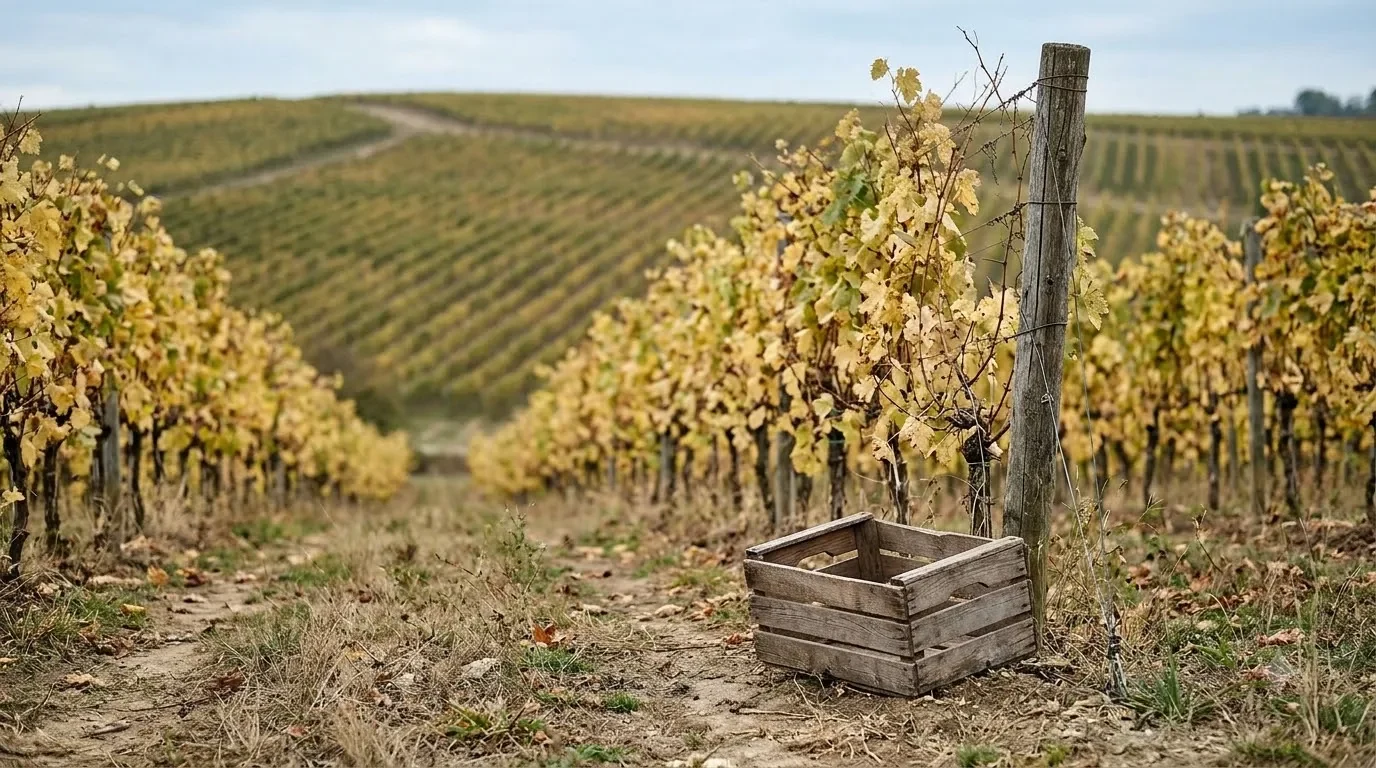
Yakima Valley vineyards are the grape-growing sites in south-central Washington’s Yakima Valley, the state’s first federally recognized American Viticultural Area, designated in 1983. According to the Washington State Wine Commission, the region is home to almost a third of the state’s planted acreage. Its white grapes outnumber its reds, led by Chardonnay and Riesling, and cooler foothill sites and hot Columbia Basin sites produce very different wines within one valley.
This guide explains what makes Yakima Valley vineyards distinct, which grape varieties suit different parts of the valley, and how to plan a practical tasting trip. Use it as a starting point before you choose which wineries to visit or which bottles to buy.
What Is the Yakima Valley AVA?
The Yakima Valley AVA is a federally defined grape-growing area in south-central Washington. It sits inside the much larger Columbia Valley AVA and is one of several sub-appellations in the state.
The valley was designated in 1983 and was the first federally recognized wine-growing region in the Pacific Northwest. The Washington State Wine Commission’s Yakima Valley profile lists the total area at 665,600 acres. The valley takes its name from the Yakama Native American tribe, which is worth remembering when you read about the region’s history.
Size is one of the valley’s defining traits. It is the largest sub-appellation of Columbia Valley in both total area and planted acreage. The Yakima River runs through the appellation and supplies irrigation water, along with local aquifers. Because the valley contains several smaller AVAs, you will often see labels and tasting room signs that name a specific sub-appellation rather than the valley as a whole. For a broader view of how Washington organizes its vineyards, the wine regions overview on this site is a helpful companion read.
Climate and Soils That Shape Yakima Valley Wine
The valley’s climate and soils vary more than most visitors expect. The region is dry, and the commission lists average annual precipitation at about 8 inches, so irrigation is central to growing grapes here.
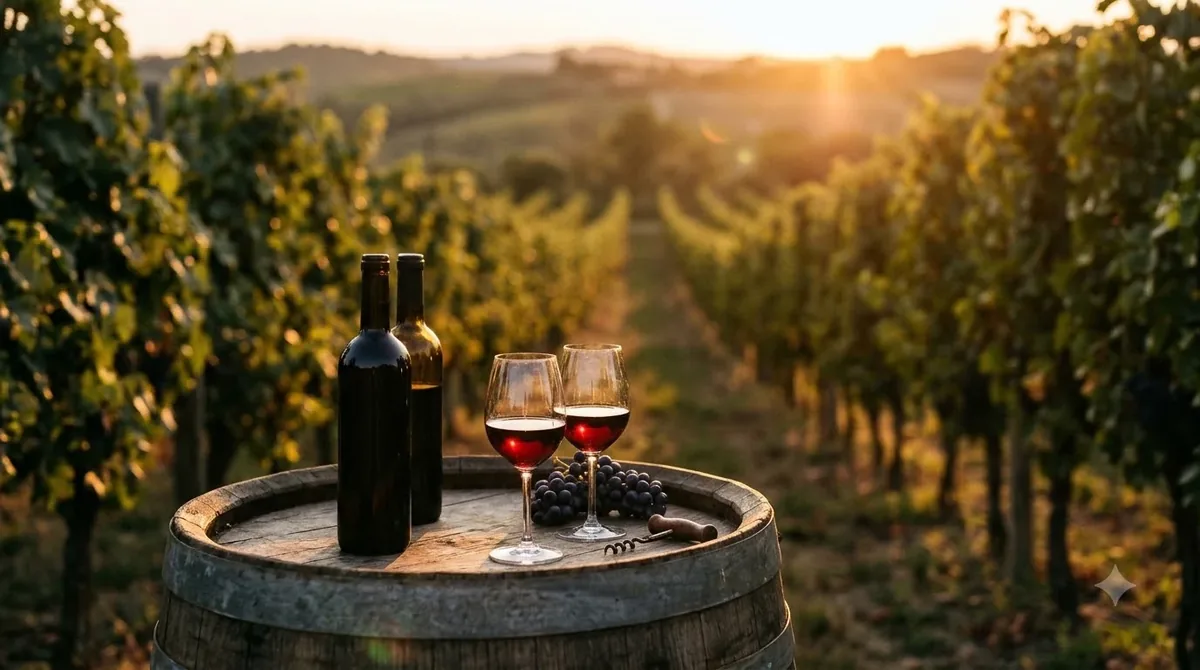
The soils are deep silt-loam layered over gravel or directly over basalt bedrock. The commission links this structure to the Missoula Floods, a series of cataclysms that occurred more than 15,000 years ago. The result is well-drained ground that suits irrigated viticulture, and it helps explain why vines here stay healthy even in a dry climate.
Temperature changes across the valley. Cooler areas sit toward the foothills of the Cascade Mountains, while the center of the Columbia Basin gets much hotter. According to the commission, cooler stretches of the valley grow almost half of the state’s Chardonnay and Riesling, while warmer sites produce significant shares of Washington’s Merlot, Cabernet Sauvignon and Syrah.
| Site type | General character | Grapes that often suit it |
|---|---|---|
| Cooler foothill areas | Cooler nights and longer ripening, which keeps acidity lively | Chardonnay, Riesling |
| South-facing slopes | More direct sun and warmth through the growing season | Merlot, Cabernet Sauvignon, Syrah |
| Hot center of the Columbia Basin | Warmest conditions, with irrigation doing most of the water work | Warm-climate reds and select whites |
Wikipedia’s entry on the AVA lists a growing season of 184 to 196 days and a range of growing degree-day heat units. Those figures help explain why the valley supports both cool-climate whites and fuller reds. Your own visit will show the differences more clearly than any table can, since the wind, dust and open skies change quickly from one road to the next.
Signature Grape Varieties Grown in Yakima Valley
Chardonnay and Riesling lead the valley’s plantings, followed by Merlot, Cabernet Sauvignon and Syrah. Those four are the varieties most often named in the commission’s profile, so they make a sensible starting point for a new visitor.
White grapes dominate the valley’s planting more than in many other Washington regions. Riesling has a long history here, and the Yakima Valley is credited with some of the state’s early varietal labeling, including dry Riesling. Pinot gris is also widely planted, and it gives a lighter, crisp option for everyday drinking.
Red wines follow the warmer sites. Merlot and Cabernet Sauvignon are the most established, and Syrah has become a strong choice on the valley’s warmer slopes. The commission notes that some of Washington’s oldest Cabernet Sauvignon vines grow here, including at Harrison Hill Vineyard, which dates to 1963. Wikipedia’s grape list for the valley runs to nearly thirty varieties, including Sangiovese, Malbec, Zinfandel and several Rhône and Italian types, so you will find more variety than the headline names suggest.
- Whites to look for: Chardonnay, Riesling, Pinot gris, Sauvignon blanc
- Reds to look for: Merlot, Cabernet Sauvignon, Syrah
- Less common plantings: Sangiovese, Malbec, Zinfandel and Viognier
Notable Yakima Valley Vineyards to Visit
Rather than a ranked list, the valley’s vineyards are best understood by their location. Clusters of vineyards sit around named sub-appellations and around the towns that serve as bases for visitors.
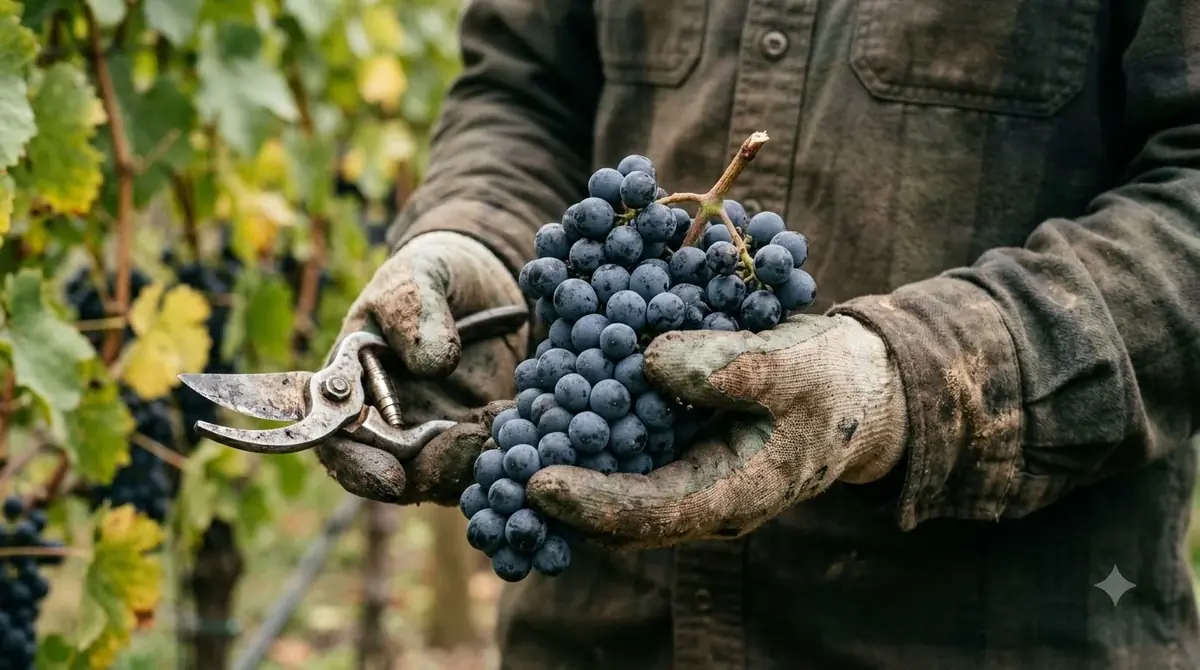
Wikipedia notes that most of the valley’s vinifera grapes are planted on south-facing slopes of the Rattlesnake Hills, Red Mountain and Snipes Mountain, and on the steeper north banks of the Yakima River. If you want to see vineyards on hillsides with strong sun exposure, start your search in those areas. Vineyards on Red Mountain are particularly associated with bold red wines, and Rattlesnake Hills has become a common name on bottles from the valley.
History adds depth to a visit. Wikipedia credits French-born winemaker Charles Schanno with planting the first Yakima Valley vines in 1869. William B. Bridgeman, a Sunnyside farmer and grapegrower, pioneered the modern wine industry here in the early 1900s. Associated Vineyards released its first wines to the public in 1968, and wineries such as Hogue Cellars and Covey Run opened in 1982, according to the same source.
The valley has dozens of vineyards and roughly 60 wineries, according to Wikipedia’s figures, so no single trip can cover everything. Choose two or three sub-appellations, then visit a mix of large tasting rooms and smaller estates. Check each winery’s website for tasting room hours and whether it asks for reservations, since hours change by season. For background on the valley’s wine identity, see the Yakima Valley wine guide, which covers the styles you will taste on these visits.
Yakima Valley Wine Tasting Tips and Itineraries
A good Yakima Valley trip depends on distance, driving and timing. Most visitors do best with a short list of wineries grouped by area. Plan driving legs first, then fill in tastings.
- Choose a home base in Yakima or Prosser, the two main commercial centers where many wineries sit in their surroundings.
- Group wineries by sub-appellation, such as Red Mountain or Rattlesnake Hills, so you spend less time on the road.
- Add a scenic drive between stops. The Zillah Fruit Loop, described by Wikipedia as a driving tour, passes orchards and vineyards around the town of Zillah.
- Book ahead for weekend visits, and ask whether a flight or small pour is available before you commit to a full tasting.
- Plan a designated driver, a ride service or an overnight stay before you start, and avoid driving between wineries after tasting.
Tip: Pace your tastings with water and food. Spitting is common at serious tasting rooms, and it helps you judge several wines in one afternoon without overdoing it.
Timing also changes the experience. Spring and early summer show green vines and open tasting patios, while late summer and early fall bring harvest activity. Ask about harvest-season events before you plan, because some wineries focus on production during that period and may have limited tasting hours.
Yakima Valley Wines to Buy and Pair with Food
Yakima Valley wines suit everyday meals because the region produces both bright whites and structured reds. Matching the wine to the site often makes the choice easier. Cooler-site Chardonnay and Riesling tend to suit lighter dishes, while warm-site reds fit richer food.
Riesling pairs well with spicy dishes, pork and Thai or Mexican food, since its acidity and fruit balance heat. Chardonnay from cooler sites works with roasted chicken, creamy pasta and seafood. Pinot gris is a simple match for salads, grilled vegetables and soft cheeses.
Merlot, Cabernet Sauvignon and Syrah from the warmer slopes suit grilled steak, barbecue and hearty stews. Check the label for the appellation name and the variety, since the sub-appellation on the bottle tells you where the grapes were grown. Store reds in a cool, dark place and drink whites within a few years unless the winery says otherwise.
How Yakima Valley Compares to Other Washington Wine Regions
Yakima Valley is part of a larger system of Washington AVAs, and it is easiest to understand in that context. It is a sub-appellation inside Columbia Valley, which the commission says contains about 99 percent of the grapes grown in the state.
The commission’s AVA overview explains that Yakima Valley was the state’s first federally recognized AVA, established in 1983. The Columbia Valley AVA followed in 1984, and Washington now has 22 AVAs in total. Some are cross-border, including Walla Walla Valley, which is shared with Oregon.
| Region | Relationship to Yakima Valley | Typical feel for visitors |
|---|---|---|
| Columbia Valley AVA | Larger parent appellation that contains Yakima Valley | Very broad, with many climates and soils |
| Red Mountain AVA | Sub-appellation within the Yakima Valley area | Small, warm, and known for bold reds |
| Walla Walla Valley AVA | Separate AVA, shared with Oregon | Different wine towns and a distinct regional identity |
For most visitors, Yakima Valley offers a practical mix of tasting rooms, scenery and everyday prices. Compare regions by the wines you enjoy and the driving you are willing to do. Visit the Yakima Valley for a varied set of grapes, and choose another region if you want a single small appellation.
Frequently Asked Questions
What are Yakima Valley vineyards known for?
Yakima Valley vineyards are known for a large planting of white grapes, especially Chardonnay and Riesling. The region also grows Merlot, Cabernet Sauvignon and Syrah on its warmer sites. Its size and varied terrain make it one of Washington’s most diverse growing areas.
Is Yakima Valley part of Columbia Valley?
Yes. The Yakima Valley AVA is a sub-appellation inside the larger Columbia Valley AVA. It was designated in 1983, earlier than Columbia Valley, which the commission says was established in 1984.
How many days should I plan for a Yakima Valley tasting trip?
Two to three days gives you enough time to visit several sub-appellations without rushing. A single day works if you focus on one area. Plan driving time between wineries and check each tasting room’s hours before you go.
Do I need to book ahead for Yakima Valley wineries?
Booking ahead is often wise, especially on weekends and during harvest season. Some tasting rooms accept walk-ins, while others require reservations. Check each winery’s website for current hours and policies, since they change by season.
Yakima Valley vineyards reward visitors who plan around sub-appellations, grape varieties and driving distances. Start with the AVA basics, then pick a few wineries that match the wines you like. Enjoy your tastings responsibly and arrange a safe ride home before you leave.
More in Wine Regions
 Willcox Wine Trail: Discover Arizona’s High-Elevation Wine CountryUpdated Nov 20, 2026
 Yakima Valley Wine Region: Find the Best Styles to TryUpdated Nov 20, 2026
 Vosne Romanee Wine Tasting: Identify Aromas and Choose Better PairingsUpdated Nov 20, 2026
 Yakima Valley Wine Festival: Find the Best Seasonal Wine EventsUpdated Nov 20, 2026
 Wales Vineyards: Discover Cool-Climate Wines and Where to VisitUpdated Nov 20, 2026
 Yountville Wine Festival: Discover Napa Wines and Local FoodUpdated Nov 20, 2026