

We may earn a commission when you buy through links on this page, at no extra cost to you. Learn more.
Barossa Valley wine is best known for bold, full-bodied red wines—led by rich, dark-fruited Shiraz—alongside old-vine Grenache, Mataro, and crisp Riesling from its higher-elevation neighbor, Eden Valley. Located in South Australia roughly an hour northeast of Adelaide, the region escaped the phylloxera vine louse and preserves some of the oldest continuously producing grapevines in the world, dating back to the 1840s. While classic bottles deliver concentrated blackberry, dark chocolate, and baking spice, a modern wave of winemakers also crafts brighter, earlier-picked styles.
Understanding how geography, vine age, and sub-regional elevation shape the bottle makes shopping for Australian reds far easier. Whether you are eyeing a powerhouse Shiraz for a weekend barbecue or a food-friendly Rhône-style blend, knowing what sits behind the label helps you pick the right style for your table.
Overview
The Barossa zone sits in South Australia and pairs a warm, dry Mediterranean valley floor with cooler eastern hills, creating two distinct growing environments under one regional umbrella. Its global reputation rests on concentrated red wines grown on ungrafted, own-rooted vines planted more than a century ago.
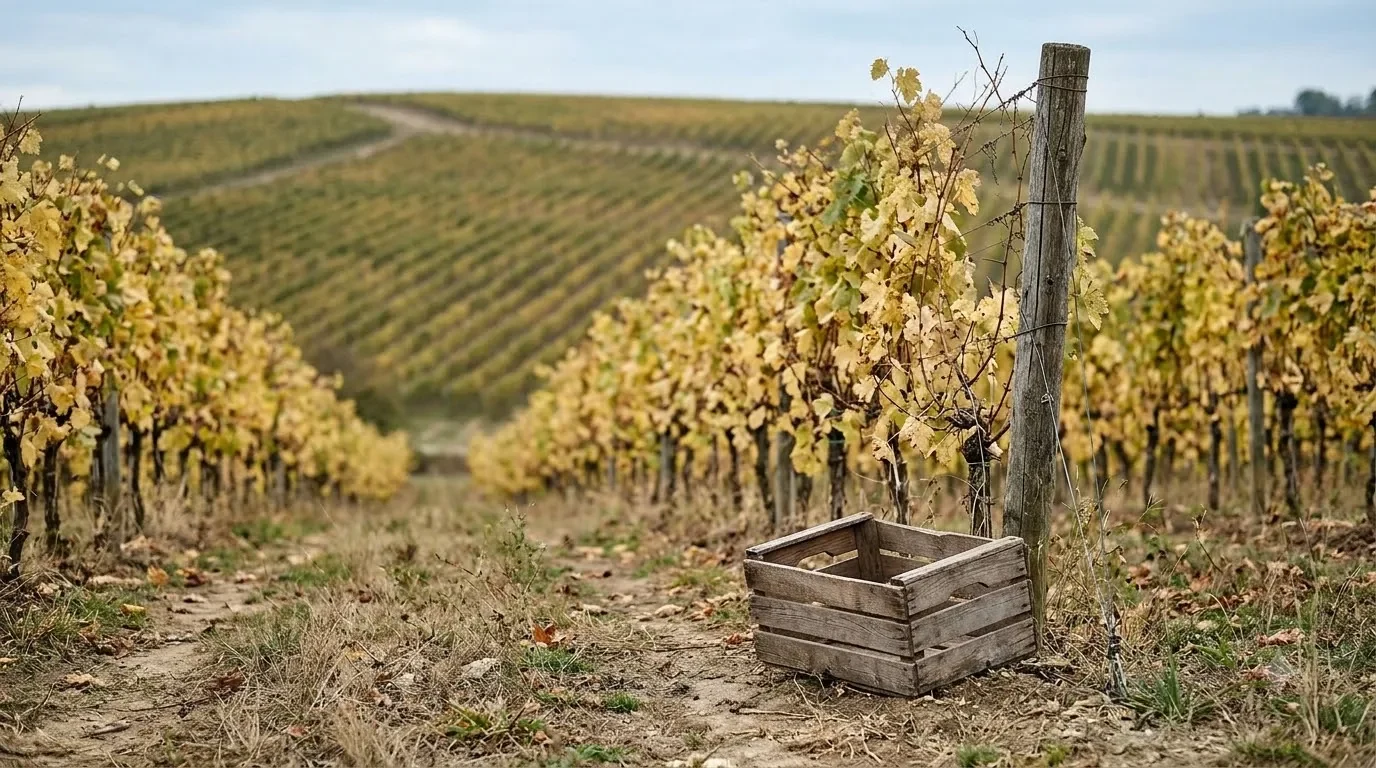
Strict South Australian quarantine laws prevented the root-destroying phylloxera louse from reaching these vineyards in the nineteenth century. Because growers never had to rip out and replant their vineyards on resistant American rootstock, blocks planted by early Silesian and British settlers in the 1840s and 1850s still produce small, intensely flavored crops today.
To protect and classify this heritage, the region established the Barossa Old Vine Charter in 2009. As detailed in Berry Bros. & Rudd’s guide to Barossa Valley wine, the charter divides historic plantings into four official tiers based on age: Old Vine (35 years or older), Survivor Vine (70 years or older), Centenarian Vine (100 years or older), and Ancestor Vine (125 years or older). Older vines naturally yield fewer bunches per plant, concentrating sugar, color, and savory complexity in every berry.
While that heritage built the region’s fame on plush, high-impact reds, modern viticulture has broadened the picture. Alongside classic full-throttle bottlings, many contemporary producers harvest slightly earlier, use larger neutral oak barrels instead of heavy new wood, and ferment with whole grape clusters to highlight freshness and aromatics.
Sub-regions
The broader Barossa Geographical Indication divides into two primary sub-regions—the warm Barossa Valley floor and the elevated, cooler Eden Valley—each producing markedly different wine profiles. Reading the exact sub-regional name on a bottle tells you immediately whether to expect plush warmth or high-altitude tension.
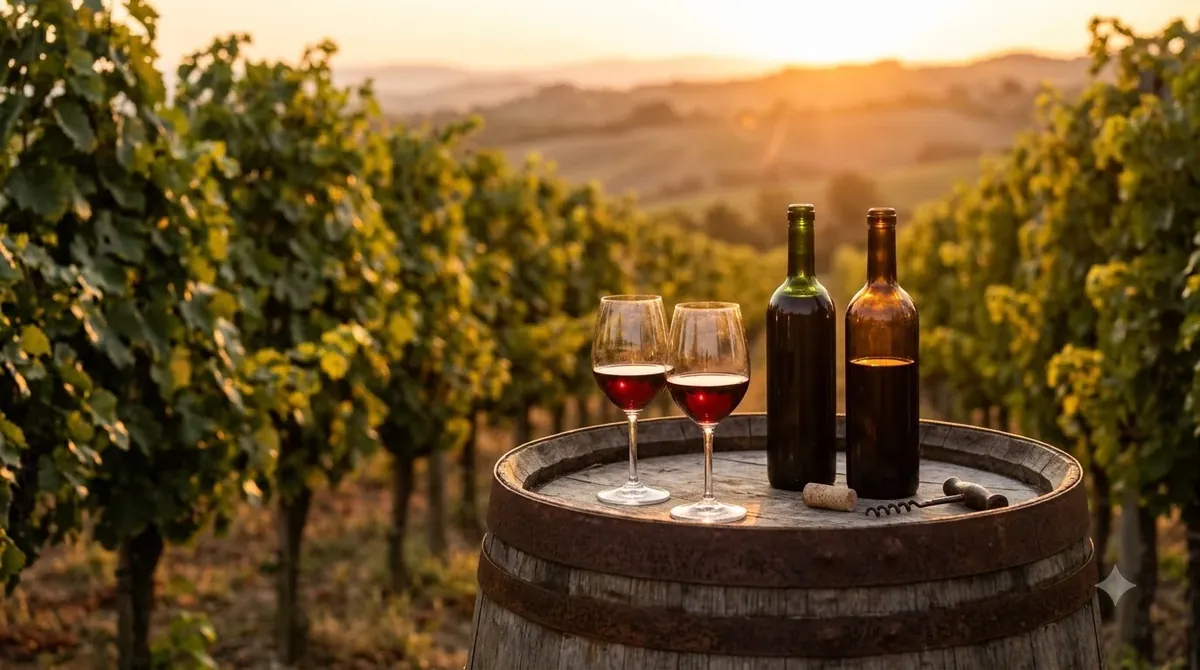
On the lower Barossa Valley floor, summer temperatures regularly climb past 35 degrees Celsius (95 degrees Fahrenheit) with very low growing-season rainfall. Even within the valley floor, microclimates shift from north to south: northern towns like Tanunda and Rowland Flat experience the highest heat and produce the deepest, most full-bodied Shiraz, while southern pockets around Lyndoch sit slightly cooler and retain firmer natural acidity. Central towns such as Nuriootpa and Angaston act as the commercial hub, balancing warm-climate ripeness with structured tannins.
Directly to the east, Eden Valley rises into the Mount Lofty Ranges at elevations between 400 and 600 meters, including the official High Eden subregion around 500 meters. Cool afternoon breezes and chilly nights slow grape ripening here, giving white varieties zesty acidity and turning Shiraz toward cracked black pepper, violet, and savory herb notes rather than jammy fruit.
Labeling laws make these distinctions transparent for buyers. If a bottle states “Barossa Valley” or “Eden Valley,” at least 85 percent of the grapes must come from that specific valley. When a label simply reads “Barossa,” the winemaker has blended fruit from both the warm valley floor and the cool eastern hills to combine mid-palate richness with aromatic lift.
| Sub-region | Elevation & Climate | Signature Grapes | Typical Wine Style |
|---|---|---|---|
| Barossa Valley (North & Central) | 250–320m; warm, dry valley floor | Shiraz, Grenache, Mataro | Full-bodied, plush dark fruit, chocolate, sweet spice |
| Barossa Valley (South / Lyndoch) | 230–280m; slightly cooler valley floor | Shiraz, Cabernet Sauvignon, Fiano | Structured reds with firmer acidity and bright lift |
| Eden Valley & High Eden | 400–600m; cool, breezy hills | Riesling, Shiraz, Chardonnay | Bone-dry, lime-driven whites; peppery, age-worthy reds |
Key grapes and styles
Shiraz accounts for roughly half of all vineyard plantings in the region, yet Grenache, Mataro, Cabernet Sauvignon, and Eden Valley Riesling play vital roles in the regional lineup. Exploring beyond single-varietal Shiraz reveals a diverse range of textures, from silky red blends to razor-sharp dry whites.
Shiraz (the Australian name for Syrah) is the undisputed flagship, capable of producing both opulent, velvety reds and structured cellar candidates. According to Wine Folly’s overview of Barossa Valley, Australian winemakers adopted the name Shiraz to reflect their riper, richer expression of the grape, typically showing blackberry, plum, dark chocolate, licorice, and subtle eucalyptus notes. In cooler southern pockets and Eden Valley, the same grape leans more savory, trading cocoa richness for black pepper, cured meat, and floral aromatics.
Grenache and Mataro (known elsewhere as Mourvèdre) thrive in the dry heat and often grow as gnarled, unirrigated bush vines. Winemakers frequently combine them with Shiraz in classic GSM blends inspired by France’s Southern Rhône Valley, where Grenache brings juicy red raspberry and perfume, Shiraz adds mid-palate weight, and Mataro contributes earthy, gamey structure. Single-varietal old-vine Grenache has also surged in popularity, offering medium-bodied elegance with silky tannins that contrast nicely with lighter cool-climate styles like yarra valley wine.
Cabernet Sauvignon grows well on brown loam soils, often delivering ripe cassis, mint, and firm structure, and is traditionally blended with Shiraz in a classic Australian partnership. For white wine drinkers, Eden Valley Riesling stands as one of Australia’s benchmarks—bone-dry, bursting with lime zest and white blossoms in its youth, and capable of aging for two decades into notes of toast and honey. Historic fortified Tawny wines, aged for decades in barrel using a solera-like system, round out the region’s traditional styles.
Tip: Serve full-bodied Barossa Shiraz slightly cooler than room temperature—around 60 to 65°F (15 to 18°C)—and decant young bottles for 30 to 60 minutes to soften tannins and tame alcohol warmth.
Notable producers
The Barossa producer landscape spans multi-generational family estates that pioneered Australian fine wine alongside boutique newcomers championing single-vineyard and low-intervention bottlings. Recognizing a handful of benchmark names helps anchor your search across different styles and cellar tiers.
Several historic houses define the classic Barossa benchmark. Henschke, farming in Eden Valley since 1868, crafts the single-vineyard Hill of Grace Shiraz from pre-phylloxera vines alongside acclaimed Rieslings. Yalumba, continuously family-owned since 1849, operates its own on-site cooperage and produces flagship reds such as The Caley and The Octavius Old Vine Shiraz. Penfolds sources substantial Barossa Valley fruit for its multi-regional flagship Grange as well as regional Shiraz and Cabernet bottlings, while Seppeltsfield and Peter Lehmann remain cornerstones of both historic Tawny and single-vineyard Shiraz.
Alongside these heritage names, dynamic estates founded in recent decades have pushed single-site expression forward. Torbreck, established in 1994, focuses on old-vine Rhône varieties with benchmark bottlings like RunRig and The Laird, while Hewitson (founded in 1998) produces its Old Garden Mourvèdre from Ancestor vines planted in 1853. Producers such as Two Hands, Elderton, and newer biodynamic-focused outfits like Alkina illustrate how varied modern Barossa winemaking has become across different vineyard blocks and soils.
Visiting tips
Planning a trip through the Barossa requires balancing tasting appointments across the valley floor and Eden Valley hills, as well as respecting strict vineyard biosecurity rules. Unlike densely clustered districts such as russian river valley wineries, Barossa cellar doors spread across historic villages and winding country roads.
Most visitors base themselves in Tanunda, Nuriootpa, or Angaston, which sit roughly 60 minutes northeast of Adelaide by car. Because many boutique estates and heritage tasting rooms limit daily capacity for seated tastings, booking appointments in advance—especially for single-vineyard flights or weekend visits—ensures you do not miss smaller cellar doors. Grouping stops by sub-region, such as pairing Tanunda with Rowland Flat on one day and heading up into Eden Valley the next, keeps driving times short.
Biosecurity is taken seriously throughout South Australia to preserve its phylloxera-free status. Reviewers and travel guides consistently remind visitors never to walk directly into vineyard rows without permission, and always to clean soil off footwear before moving between properties, as contaminated dirt can carry pests. If you want to compare Australia’s warm-climate icons with cooler Victoria estates on the same trip, many travelers pair South Australia with yarra valley wineries near Melbourne.
How to buy
Choosing the right bottle comes down to matching the sub-region, grape variety, and vintage profile to your palate and occasion. Because Barossa wines vary noticeably between warm valley-floor powerhouses and cooler hillside releases, checking a few key details on the front and back labels prevents surprises.
Start by checking the regional designation and grape blend. A “Barossa Valley” Shiraz will almost always deliver generous dark fruit, plush texture, and higher alcohol, making it ideal for rich braised meats or chargrilled steaks. If you prefer brighter acidity, floral lift, and lower weight on the palate, look for “Eden Valley” on the label, seek out a GSM blend, or choose a single-varietal old-vine Grenache.
Paying attention to vintage conditions and producer style also pays off, as explained in broader overviews of global Wine Regions. Wine critics note that cooler growing seasons like 2023 yielded more streamlined, peppery reds and standout Eden Valley Rieslings, whereas warmer, balanced years like 2024 produced generous, plush Grenache and Shiraz. Look for back-label mentions of “Old Vine” or “Ancestor Vine” if you want extra concentration, and check alcohol levels—bottles around 13.5 to 14 percent generally feel fresher, while those at 14.5 to 15.5 percent lean richer and bolder.
Frequently Asked Questions
Is Barossa Valley wine dry or sweet?
Nearly all table wines from the Barossa Valley—including Shiraz, GSM blends, Cabernet Sauvignon, and Eden Valley Riesling—are fermented completely dry. However, because warm sunshine ripens the grapes thoroughly, Barossa reds often have lush, ripe blackberry and plum flavors that can give an impression of fruit sweetness without actual residual sugar. The main sweet exceptions are the region’s traditional fortified Tawny wines.
What is the difference between Barossa Valley and Eden Valley?
Barossa Valley is the warmer, lower-elevation valley floor famous for full-bodied, dark-fruited Shiraz, Grenache, and Mataro. Eden Valley sits directly to the east at higher altitudes between 400 and 600 meters, where cooler temperatures produce crisp, bone-dry Riesling and more peppery, medium-to-full-bodied Shiraz. Wines labeled simply as “Barossa” blend fruit from both sub-regions.
What food pairs best with Barossa Valley Shiraz?
Full-bodied Barossa Shiraz needs hearty, flavorful dishes that can match its rich fruit, firm tannins, and spice. Classic pairings include chargrilled ribeye steak, slow-braised beef short ribs, smoked brisket, lamb chops with rosemary, and rich mushroom ragù. Delicate dishes like poached white fish or light salads will easily be overwhelmed by the wine’s intensity.
How long can Barossa Valley wine age in the cellar?
Entry-level Barossa Shiraz and Grenache are crafted for immediate enjoyment and drink well within two to five years of release. Top single-vineyard old-vine Shiraz and structured Cabernet Sauvignon from reputable producers can easily develop in the cellar for 15 to 25 years or more, while bone-dry Eden Valley Riesling regularly ages gracefully for 15 to 20 years.
From century-old Shiraz vines on the warm valley floor to crisp, high-altitude Rieslings in the eastern hills, the Barossa offers far more range than its blockbuster reputation alone suggests. Use the sub-regional labels and grape varieties above as your roadmap next time you browse the Australian aisle, and you will find a bottle tailored to your exact taste.
More in Wine Regions
 Willcox Wine Trail: Discover Arizona’s High-Elevation Wine CountryUpdated Nov 20, 2026
 Yakima Valley Wine Region: Find the Best Styles to TryUpdated Nov 20, 2026
 Vosne Romanee Wine Tasting: Identify Aromas and Choose Better PairingsUpdated Nov 20, 2026
 Yakima Valley Wine Festival: Find the Best Seasonal Wine EventsUpdated Nov 20, 2026
 Wales Vineyards: Discover Cool-Climate Wines and Where to VisitUpdated Nov 20, 2026
 Yountville Wine Festival: Discover Napa Wines and Local FoodUpdated Nov 20, 2026