

We may earn a commission when you buy through links on this page, at no extra cost to you. Learn more.
When deciding what to mix with champagne, the best options fall into four proven categories: fresh fruit juices, fruit and herbal liqueurs, base spirits like gin or cognac, and aromatic bitters with sugar. Dry Brut sparkling wines hold their crisp structure against sweet or citrus-heavy mixers without turning syrupy. Classic builds generally pair 3 to 4 ounces of chilled bubbly with 0.5 to 2 ounces of mixer, depending on the strength and sweetness of the supporting ingredients.
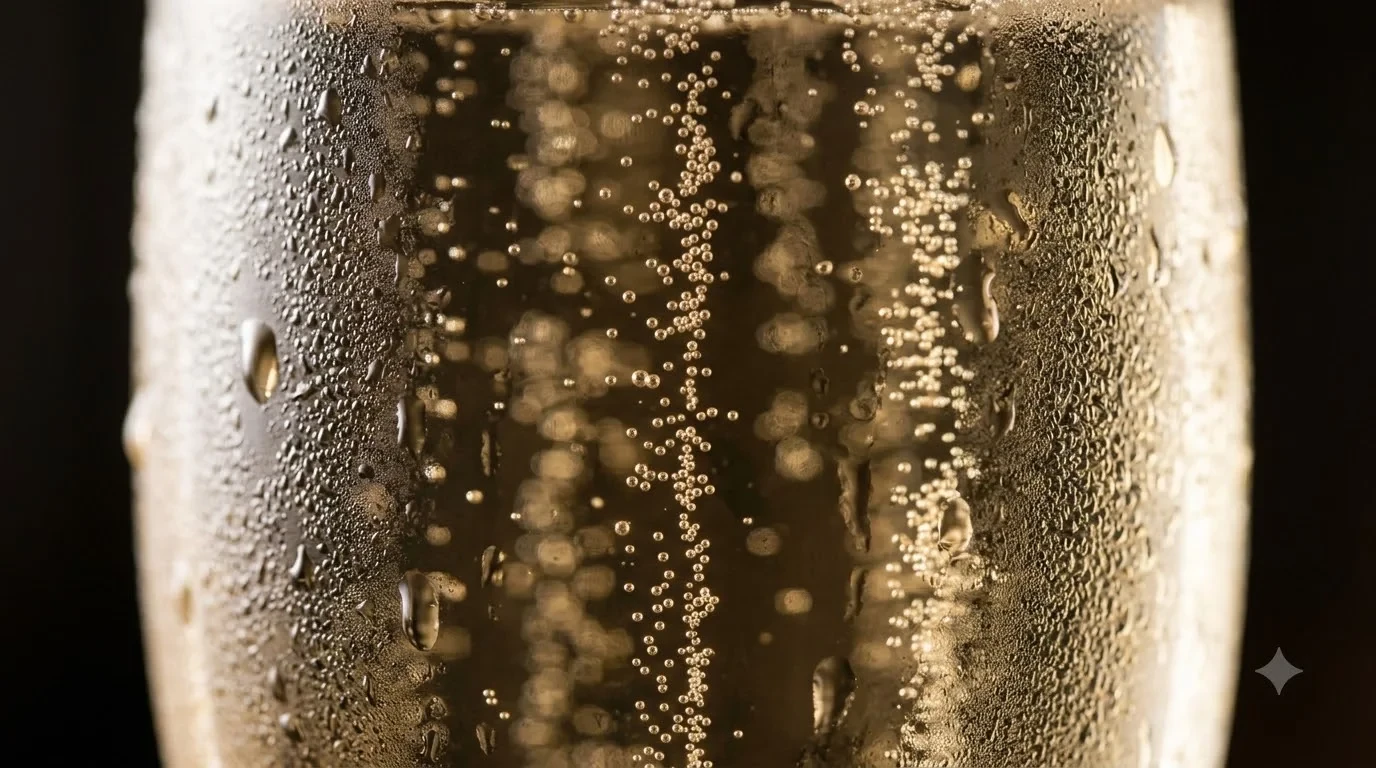
Champagne brings lively carbonation and bright, high acidity that act as a natural palate cleanser in mixed drinks. Because true Champagne and traditional-method sparkling wines carry notes of green apple, citrus, and toasted brioche, they adapt easily to both light brunch pours and spirit-forward evening cocktails. Understanding how different mixers interact with bubbles helps you build balanced drinks at home without flattening the fizz or masking the wine.
Fresh Fruit Juices and Purees
Fresh fruit juices and purees soften Champagne’s sharp acidity while adding vibrant color and approachable sweetness. Keeping the juice chilled and pulp-free prevents foam-overs and preserves a clean mouthfeel.
Freshly squeezed orange juice remains the most recognizable partner for sparkling wine, forming the foundation of the classic Mimosa. Reviewers at Wine Enthusiast recommend keeping orange juice to roughly two ounces when pouring higher-grade bottles so the wine’s natural orchard fruit and mineral character remain noticeable. Blood orange juice offers a deeper ruby hue and subtle berry undertones, while freshly squeezed grapefruit juice introduces a brisk, pithy bitterness that pairs naturally with dry Brut styles.
Beyond citrus, tart juices and stone-fruit purees bring depth without overwhelming the palate. Unsweetened cranberry or pomegranate juice adds jewel-toned color and crisp astringency, making a splash of either ideal for winter gatherings. White peach puree creates the velvety texture of a traditional Bellini, though straining the puree through a fine-mesh sieve is essential because tiny fruit fibers act as nucleation sites that rapidly strip carbonation from the wine.
Fruit, Herbal, and Bitter Liqueurs
Liqueurs offer concentrated flavor and built-in sweetness in small pours, allowing the sparkling wine to remain the dominant ingredient in the glass. Starting with a quarter-ounce to half-ounce pour prevents the liqueur from overpowering delicate bubbles.
Blackcurrant liqueur, known as crème de cassis, transforms dry bubbly into a Kir Royale, producing a deep purple drink with dark berry richness. Raspberry liqueur, such as Chambord, works in a similar ratio for a slightly brighter, jammy profile. For spring and summer entertaining, elderflower liqueur contributes fragrant notes of lychee, pear, and white blossoms that complement Champagne’s floral aromatics without making the drink heavy.
Orange and bitter herbal liqueurs steer sparkling wine toward aperitif territory. A half-ounce of triple sec, Cointreau, or cognac-based Grand Marnier reinforces the wine’s native citrus peel notes. Meanwhile, Italian bitter liqueurs like Campari or Aperol introduce bittersweet orange, gentian, and rhubarb flavors that cut straight through residual sweetness, creating a refreshing pre-dinner drink that stimulates the appetite.
Base Spirits for Structured Cocktails
Pairing Champagne with distilled spirits adds body, botanical complexity, and higher proof, turning a light celebratory pour into a structured cocktail. Chilling the base spirit beforehand keeps the finished drink crisp and prevents rapid bubble loss.
London Dry gin is the classic partner for sparkling wine, most famously in the French 75, which VinePair notes originated at Harry’s New York Bar in Paris in 1915. Shaking one ounce of gin with half an ounce of fresh lemon juice and simple syrup before topping with chilled Champagne yields a bright, botanical drink with a crisp citrus snap. The juniper and coriander notes in gin mirror the herbal, zesty edge of Chardonnay-driven Blanc de Blancs.
Aged spirits such as cognac, bourbon, and aged rum bring warmth, vanilla, and oak spice that echo the autolytic, toasted-bread character of lees-aged sparkling wines. Cognac pairs naturally with Champagne because both originate in France and share grape-derived aromatics; adding three-quarters of an ounce of VS or VSOP cognac to a traditional Champagne Cocktail deepens its nutty finish. Aged rum combined with fresh lime and honey syrup creates an Airmail, offering a lively balance of caramel warmth and bright acidity.
Bitters, Sugars, and Unexpected Mixers
Minimalist mixers like aromatic bitters, sugar cubes, and even dark stout beer alter Champagne’s texture and flavor profile without adding heavy liquid volume. These combinations highlight how versatile sparkling wine can be across different occasions.
The original Champagne Cocktail, recorded in bar guides as early as 1862, relies solely on a sugar cube soaked in two to three dashes of Angostura bitters and topped with chilled bubbly. As the wine hits the rough surface of the sugar cube, it releases a continuous stream of fine bubbles while the bitters infuse the glass with clove, cinnamon, and gentian spice. Swapping standard Angostura for orange, grapefruit, or lavender bitters shifts the aromatic profile while keeping the drink crisp and dry.
Other classic builds lean into contrast rather than delicate aromatics. In a Black Velvet, equal parts chilled Champagne and dry Irish stout like Guinness are layered gently in a flute, allowing the crisp acidity and effervescence of the wine to cut through the roasted, creamy body of the beer. On the herbal end of the spectrum, a splash of absinthe swirled into a chilled flute before topping with dry sparkling wine creates Death in the Afternoon, turning the liquid opalescent with bold anise notes.
Standard Mixing Ratios and Ratios Table
Getting the proportions right ensures your mixer enhances the sparkling wine rather than drowning out its effervescence. Use the reference table below to balance sweet, sour, and high-proof additions across common glass sizes.
| Mixer Category | Classic Cocktail Example | Recommended Ratio (Mixer to Champagne) | Best Sparkling Style | Glassware |
|---|---|---|---|---|
| Fresh Citrus Juice | Mimosa / Buck’s Fizz | 1.5 to 2 oz juice : 3 to 4 oz wine | Brut or Extra Dry | Champagne Flute |
| Berry Liqueur | Kir Royale | 0.25 to 0.5 oz liqueur : 4 oz wine | Brut or Extra Brut | Champagne Flute |
| Gin, Lemon, and Syrup | French 75 | 1 oz gin, 0.5 oz lemon, 0.5 oz syrup : 2 to 3 oz wine | Brut | Flute or Coupe |
| Bitters and Sugar | Classic Champagne Cocktail | 1 sugar cube, 2 to 3 dashes bitters : 4 oz wine | Brut | Flute or Coupe |
| Bitter Aperitif and Soda | Sparkling Spritz | 1.5 oz aperitif, 1 oz soda : 3 oz wine | Brut or Prosecco | Stemmed Wine Glass |
| Dry Stout Beer | Black Velvet | 3 oz stout : 3 oz wine | Brut | Flute or Tulip Glass |
Notice that drier wines perform best across almost every category. If you want to understand how much sugar in champagne affects your final drink, look at the dosage level on the bottle label: Brut contains fewer than 12 grams of residual sugar per liter, leaving ample room for fruit juices or liqueurs without tipping the balance into cloying sweetness. Sweeter styles like Demi-Sec carry 32 to 50 grams of sugar per liter and generally overwhelm mixed drinks unless paired exclusively with tart, unsweetened citrus.
Serving temperature and pouring order also play major roles in preserving carbonation. Always chill both your sparkling wine and your mixers to roughly 40 to 45 degrees Fahrenheit before building the drink, as warm liquids cause carbon dioxide to escape immediately upon contact. Pour heavy syrups, juices, or spirits into the glass first, then slowly top with cold Champagne down the side of a tilted glass.
How to Choose the Right Bottle for Mixing
Selecting an appropriate bottle for cocktails saves money while delivering better structural balance in the glass. Subtle, expensive vintage cuvées lose their intricate nuances when combined with citrus or spirits, making crisp non-vintage bottles the smarter choice.
Non-vintage Brut Champagne or traditional-method alternatives such as French Crémant, Spanish Cava, or American sparkling wine offer the firm acidity and lively mousse needed for mixing. Look for bottles labeled Brut, Extra Brut, or Brut Nature when working with sweet liqueurs, honey syrups, or fruit purees. If you are watching overall intake while hosting brunch, checking how many carbs in a glass of wine can help you pick a zero-dosage bottle that keeps both sugar and carbohydrate counts low before adding fresh citrus.
Avoid using rare vintage Champagnes or prestige cuvées for mixed drinks, as prolonged aging on the lees creates delicate brioche, hazelnut, and dried-fruit notes that vanish behind bold mixers. Conversely, skip overly sweet Asti or Demi-Sec bottles unless a recipe explicitly calls for extra sweetness alongside sharp lemon or lime juice. For broader guidance on pairing and serving styles across different wine categories, explore our Wine Q&A resource.
Tip: Never shake Champagne or sparkling wine inside a cocktail shaker—always shake your base spirits, citrus, and syrups with ice first, strain into a chilled glass, and top with bubbly last.
Frequently Asked Questions
What is the best mixer for Champagne if you do not like sweet drinks?
Dry gin with fresh lemon juice, aromatic bitters on a lightly sweetened sugar cube, or a splash of bitter aperitif like Campari are the best choices for drinkers who prefer crisp, low-sugar cocktails. Pairing these mixers with a Brut or Extra Brut sparkling wine keeps the finish bright, herbaceous, and refreshing without lingering sweetness.
Can you mix Champagne with soda or club soda?
Yes, adding a splash of chilled club soda or sparkling mineral water works well in tall spritzes alongside elderflower liqueur, Aperol, or vermouth. Club soda lowers the overall alcohol content and adds extra effervescence without altering the flavor profile, though plain Champagne rarely needs extra bubbles on its own.
Should you pour Champagne or the mixer into the glass first?
Always pour denser mixers—such as fruit purees, liqueurs, juices, or chilled spirits—into the glass first, then gently top with cold Champagne. Because sparkling wine is lighter and carbonated, pouring it second allows the rising bubbles to naturally integrate the ingredients without requiring vigorous stirring that flattens the drink.
Is it okay to mix Champagne with red or white still wine?
While sparkling wine is occasionally floated over sangria or punch bowls, blending still wine directly into a flute of Champagne dilutes its signature carbonation and crisp acidity. If you are curious about combining still styles on their own, our guide on can you mix red and white wine explains how flavor profiles and tannins interact in the glass.
From a simple two-ingredient Mimosa to a spirit-forward French 75, knowing what to mix with champagne lets you tailor a single bottle to any time of day. Stick to well-chilled Brut sparkling wines, measure sweet liqueurs and juices with a light hand, and let the natural bubbles carry the aromatics to the top of the glass.
More in Wine Basics
 Which Rose Is Best for Your Taste, Budget, and Food PairingsUpdated Nov 21, 2026
 Is Cheap Wine Bad? How to Find Bottles Worth DrinkingUpdated Nov 21, 2026
 What To Write On A Wine Gift Tag: Thoughtful Messages For Every OccasionUpdated Nov 21, 2026
 Which Wine Is Best For Weight Loss? Compare Lower-Calorie ChoicesUpdated Nov 21, 2026
 What Is The Best Wine For Mimosas? Choose Bubbly That Balances Orange JuiceUpdated Nov 20, 2026
 Which Prosecco Is Best for Your Taste and OccasionUpdated Nov 20, 2026