

We may earn a commission when you buy through links on this page, at no extra cost to you. Learn more.
If you are wondering how much sugar in champagne ends up in your glass, a standard 5-ounce pour of Brut Champagne contains roughly 0 to 1.8 grams of residual sugar. Across the official seven-tier sweetness scale, Champagne ranges from bone-dry Brut Nature (0 to 3 grams per liter) to dessert-sweet Doux (more than 50 grams per liter). Because the most popular bottles on store shelves are labeled Brut, most sparkling wine drinkers consume less than half a teaspoon of sugar per serving.
Understanding sweetness on a sparkling wine label takes a little decoding because traditional French terms do not always match everyday English expectations. A bottle marked “Extra Dry” actually holds more sugar than a bottle marked “Brut,” and winemakers adjust that sweetness deliberately right before corking. Knowing how residual sugar is measured and added helps you pick a bottle that fits your palate and your table.
The Official Champagne Sweetness Scale
Champagne producers classify sweetness using seven regulated tiers measured in grams of residual sugar per liter (g/L). Each tier corresponds to a distinct flavor profile and sugar load per 5-ounce (150 ml) pour.
At the driest end sits Brut Nature, also called Brut Zero, which contains 0 to 3 grams of residual sugar per liter and receives no added sugar at bottling. Extra Brut follows closely at 0 to 6 grams per liter, offering a razor-sharp, mineral-driven profile. Standard Brut—the flagship style for nearly every major Champagne house—allows anywhere from 0 to 12 grams per liter, which translates to roughly 0 to 1.8 grams of sugar in a standard 5-ounce glass.
Moving up the scale, Extra Dry contains 12 to 17 grams per liter, while Sec (sometimes labeled Dry) steps up to 17 to 32 grams per liter. Demi-Sec sits firmly in dessert territory at 32 to 50 grams per liter, delivering 4.8 to 7.5 grams of sugar per glass. Finally, Doux tops the chart at more than 50 grams per liter, packing over 7.5 grams of sugar into every 5-ounce pour—though bottles in this category are quite rare on modern retail shelves.
| Champagne Style | Residual Sugar (g/L) | Sugar per 5 oz Glass | Carbs per 5 oz Glass | Taste Profile |
|---|---|---|---|---|
| Brut Nature (Brut Zero) | 0 – 3 g/L | 0 – 0.45 g | Up to 0.15 g | Bone dry, tart, mineral |
| Extra Brut | 0 – 6 g/L | 0 – 0.9 g | Up to 0.9 g | Very dry, crisp |
| Brut | 0 – 12 g/L | 0 – 1.8 g | Up to 1.8 g | Dry, balanced, classic |
| Extra Dry | 12 – 17 g/L | 1.8 – 2.6 g | 1.8 – 2.6 g | Off-dry, soft fruit |
| Sec (Dry) | 17 – 32 g/L | 2.6 – 4.8 g | 2.6 – 4.8 g | Noticeably sweet |
| Demi-Sec | 32 – 50 g/L | 4.8 – 7.5 g | 4.8 – 7.5 g | Sweet, rich, pastry-friendly |
| Doux | 50+ g/L | 7.5+ g | 7.5+ g | Very sweet, dessert style |
Where Does the Sugar in Champagne Come From?
Sugar enters Champagne at two distinct stages: naturally from ripe grapes and deliberately through a final winemaker addition called dosage. The balance between fermentation and this final topping-off step determines the exact sweetness of the finished bottle.
During primary and secondary fermentation, yeast consumes natural grape sugars (fructose and glucose) and converts them into alcohol and carbon dioxide. Because Champagne sits in a cool northern French climate, base wines start out with brisk, mouthwatering acidity and very little leftover grape sugar once the yeast finishes its work. If left untouched after the yeast sediment is removed, the resulting wine can taste fiercely tart.
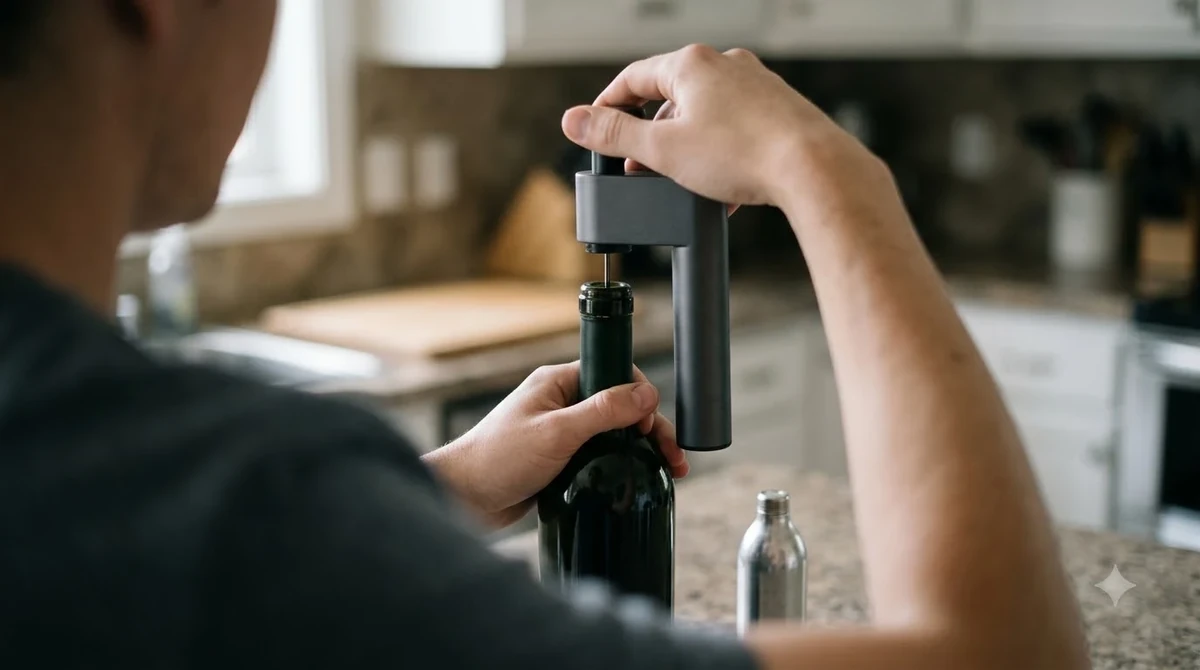
To smooth out those sharp edges, cellar masters add a small splash of wine mixed with cane or beet sugar—known as the liqueur d’expédition or dosage—immediately before inserting the final cork. According to Wine Folly’s guide to Champagne sweetness, this addition acts much like a pinch of sugar in black coffee, rounding out harsh acidity without necessarily making the drink taste sweet. Winemakers adjust the exact gram-per-liter target each year to keep their non-vintage house style consistent across harvests.
Tip: Check the back label or producer tech sheet for the exact dosage in grams per liter—because the Brut category spans 0 to 12 g/L, one producer’s Brut may sit at 4 g/L while another sits at 11 g/L.
Why “Extra Dry” Is Sweeter Than “Brut”
One of the biggest traps for sparkling wine shoppers is assuming that “Extra Dry” has less sugar than “Brut.” In reality, Extra Dry Champagne contains 12 to 17 grams of sugar per liter, making it noticeably softer and sweeter than Brut.
This linguistic quirk dates back to the nineteenth century, when tastes in sparkling wine skewed dramatically sweeter than they do today. Victorian-era drinkers favored bottles with 100 grams of sugar per liter or more, so when producers introduced a style with around 15 grams per liter, it seemed remarkably dry by comparison—earning the name “Extra Dry.” Later, when winemakers pushed sugar levels even lower to satisfy changing British palates, they needed a word for something drier than Extra Dry and settled on “Brut,” a French term meaning raw or unrefined.
As Wine Enthusiast notes in its breakdown of sparkling wine terms, the broad 0 to 12 g/L window for Brut technically encompasses both Brut Nature and Extra Brut, which gives winemakers plenty of latitude. If you want guaranteed dryness with minimal roundness, skipping standard Brut in favor of Extra Brut or Brut Nature removes the guesswork. Conversely, if you find standard Brut too sharp on its own, stepping up to Extra Dry delivers subtle fruitiness without crossing into dessert territory.
How Champagne Compares to Other Wines and Drinks
Despite its celebratory reputation and rich mouthfeel, dry Champagne holds far less sugar than most mixed cocktails, sodas, and even many still wines. A standard 5-ounce glass of Brut Champagne contains roughly 2 grams of sugar and 91 to 98 calories at 12 percent ABV.
Compare that modest figure to everyday bar orders and coffeehouse staples. According to Wine Folly’s beverage comparison data, a 5-ounce pour of Brut sparkling wine has about 2 grams of sugar, whereas a typical Gin and Tonic carries around 14 grams, a rocks Margarita made with simple syrup reaches 20 grams, and a Jack and Coke climbs to 33 grams. Even a Demi-Sec Champagne—at roughly 8 grams of sugar per glass—contains half the sugar of a bottled green tea or a grande 2 percent milk latte.
Within the wine world itself, Brut Champagne aligns closely with dry table wines. If you are tracking residual sugar across different styles, you can compare these numbers with how much sugar in white wine shows up in bottles like Sauvignon Blanc or Pinot Grigio, which usually sit under 4 grams per liter. Shoppers looking to keep residual sugar near zero across all wine categories will also find helpful benchmarks in our overview of what wine has the least sugar.
Choosing the Right Sweetness Level for Food and Cocktails
Matching Champagne sweetness to the occasion comes down to balancing acidity, salt, and sugar on your plate or in your shaker. Picking the right dosage prevents a dish from making your wine taste sour or flat.
Brut and Extra Brut shine alongside salty, crispy, or briny foods because high acidity and fine bubbles cut right through richness. Oysters, sushi, fried chicken, aged hard cheeses, and potato chips all pair effortlessly with bottles under 12 grams of sugar per liter. Extra Dry and Sec work best when dishes carry a touch of sweetness or heat, such as Thai curries, glazed ham, or brunch pastries.
When mixing sparkling wine into drinks, starting with a dry base gives you full control over the final balance. If you are planning brunch cocktails and wondering what to mix with champagne, reach for a crisp Brut rather than a Demi-Sec so fruit juices, liqueurs, or purees do not turn the glass syrupy. Save Demi-Sec and Doux for fruit tarts, shortbread, or pouring solo after dinner.
Frequently Asked Questions
How many teaspoons of sugar are in a glass of Brut Champagne?
A standard 5-ounce pour of Brut Champagne contains less than half a teaspoon of sugar. Since one level teaspoon of granulated sugar weighs roughly 4 grams, a glass of Brut with 0 to 1.8 grams of residual sugar stays well below that mark, while Extra Brut drops below a quarter teaspoon.
Does Brut Nature Champagne have zero sugar?
Brut Nature receives no added sugar dosage before corking, though trace amounts of natural grape sugar may remain after fermentation. Under European wine regulations, Brut Nature must contain fewer than 3 grams of residual sugar per liter, which equals 0 to 0.45 grams per 5-ounce serving.
Is Prosecco higher in sugar than Champagne?
On average, yes, because most commercial Prosecco is bottled in the Extra Dry style (12 to 17 grams per liter) rather than Brut (0 to 12 grams per liter). Brut Prosecco does exist and shares the same legal sugar ceiling as Brut Champagne, so checking the sweetness term on the label tells you what to expect.
Does higher sugar mean higher alcohol in Champagne?
No, Champagne bottles across the sweetness scale typically sit right around 12 percent ABV. Because sweetness comes from the final dosage added after fermentation finishes—rather than stopping yeast early—a Demi-Sec bottle carries roughly the same alcohol level as a Brut bottle, just with a few extra sugar calories.
Reading the sweetness tier on a Champagne label turns a confusing French vocabulary lesson into a reliable buying tool. Whether you want a bone-dry Brut Nature for raw oysters or a lush Demi-Sec for dessert, checking that single phrase tells you almost everything you need to know about sugar in the glass. For more help decoding wine labels and serving tips, explore our Wine Q&A hub.
More in Wine Basics
 Which Rose Is Best for Your Taste, Budget, and Food PairingsUpdated Nov 21, 2026
 Is Cheap Wine Bad? How to Find Bottles Worth DrinkingUpdated Nov 21, 2026
 What To Write On A Wine Gift Tag: Thoughtful Messages For Every OccasionUpdated Nov 21, 2026
 Which Wine Is Best For Weight Loss? Compare Lower-Calorie ChoicesUpdated Nov 21, 2026
 What Is The Best Wine For Mimosas? Choose Bubbly That Balances Orange JuiceUpdated Nov 20, 2026
 Which Prosecco Is Best for Your Taste and OccasionUpdated Nov 20, 2026