

We may earn a commission when you buy through links on this page, at no extra cost to you. Learn more.
Learning how to make wine taste better starts with serving it at the right temperature—between 60°F and 68°F for bold reds and 44°F to 55°F for full-bodied whites and rosés—and giving tightly wound bottles 20 to 60 minutes of air before pouring. Simple adjustments to temperature, oxygen exposure, glassware shape, and food pairing transform how aromas volatilize and how tannins feel on your palate. Even everyday bottles taste noticeably smoother, brighter, and more expressive once you control these basic serving variables.
Most bottles taste harsh, flat, or overly alcoholic not because the liquid inside is flawed, but because it is served too warm, straight out of a freezing refrigerator, or poured into the wrong glass. By making a few effortless adjustments at home, you can bring out the fruit, acidity, and balance the winemaker intended.
Dial In the Exact Serving Temperature
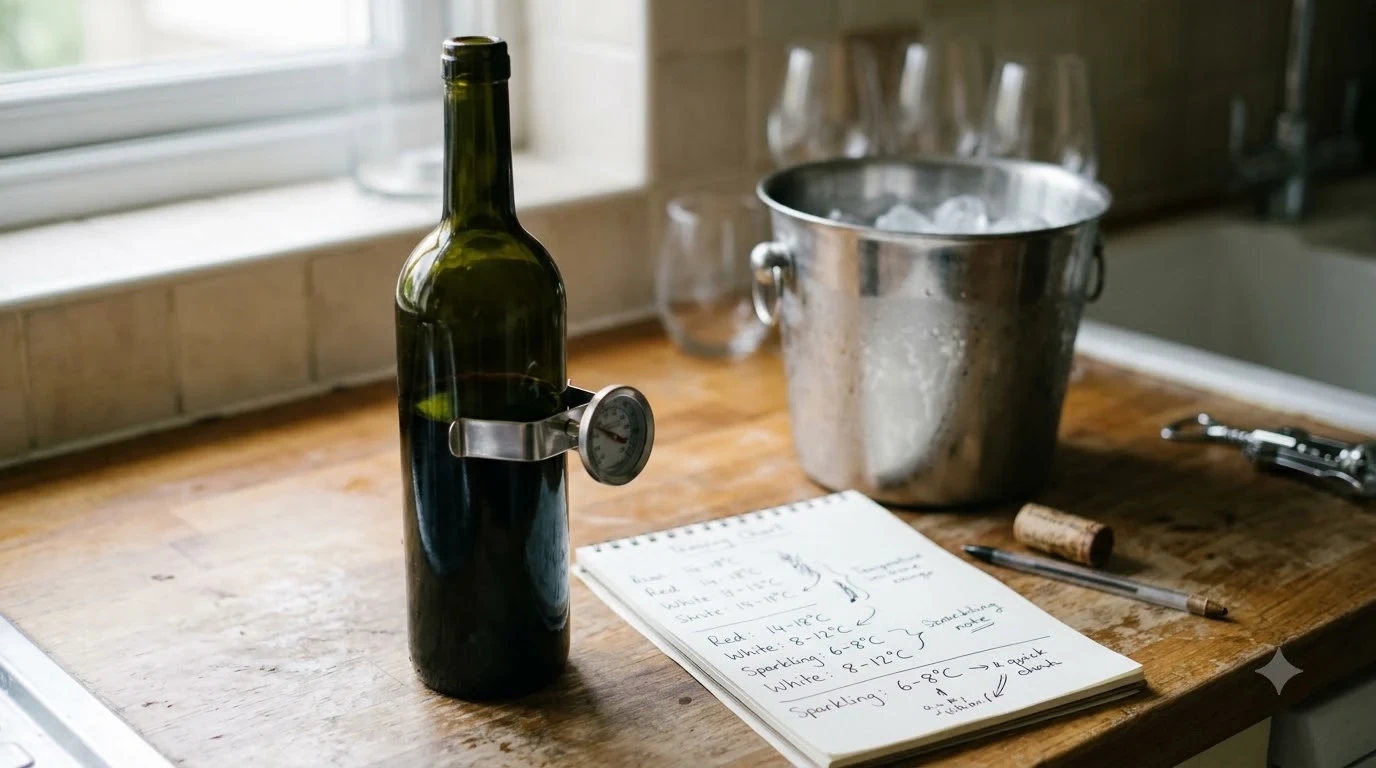
Serving temperature is the single fastest way to improve any bottle because cold mutes aromatic compounds while excess heat exaggerates alcohol burn. According to Wine Folly’s serving temperature guidelines, reds belong slightly cooler than standard American room temperature, while whites show far more character slightly warmer than a standard kitchen refrigerator.
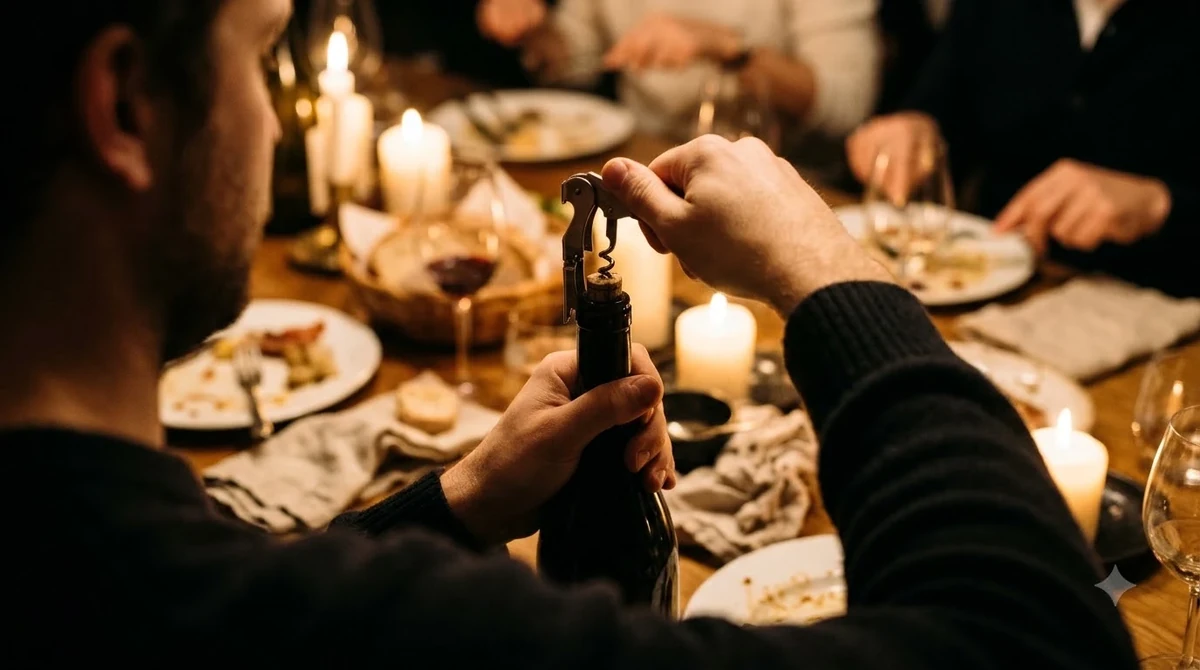
Most homes are heated or cooled to around 70°F to 72°F, which causes bold red wines like Cabernet Sauvignon or Syrah to smell sharp and fiery with ethanol. Placing a room-temperature red bottle in the refrigerator for 15 to 20 minutes before opening brings it down into the sweet spot of 60°F to 68°F, where dark fruit aromas emerge and tannins feel plush rather than astringent.
White and sparkling wines suffer from the opposite mistake when pulled straight from a 38°F kitchen fridge and poured immediately. Extreme cold locks down subtle orchard fruit, floral notes, and minerality, leaving you with little more than sharp acidity. Letting a bottle of Chardonnay or Pinot Grigio rest on the counter for 15 to 20 minutes allows it to warm into the 44°F to 55°F range so its full flavor profile opens up.
| Wine Style | Ideal Temperature (°F) | Ideal Temperature (°C) | At-Home Prep Tip |
|---|---|---|---|
| Sparkling and Light Whites | 38°F–45°F | 3°C–7°C | Chill in fridge 2+ hours; serve straight from cold storage |
| Rosé and Full-Bodied Whites | 44°F–55°F | 7°C–12°C | Pull from fridge 15–20 minutes before pouring |
| Light and Medium-Bodied Reds | 55°F–60°F | 12°C–15°C | Chill in fridge for 30–45 minutes before serving |
| Bold, Full-Bodied Reds | 60°F–68°F | 15°C–20°C | Chill in fridge for 15–20 minutes before serving |
Give the Wine Controlled Oxygen Exposure
Exposing wine to oxygen softens aggressive tannins, blows off tight sulfur or reductive aromas, and lets trapped fruit and spice notes volatilize. As reviewers at Wine Enthusiast explain in their guide to decanting wine, oxygen interacts with phenolic compounds bound inside the bottle to reshape flavor, aroma, and mouthfeel.
You do not need an expensive crystal decanter to aerate a young, grippy red wine effectively. Pouring the bottle into a clean glass pitcher, a large Mason jar, or a wide-bottomed carafe 30 to 60 minutes before dinner gives the liquid a broad surface area to interact with air. If you only want a single glass, pouring from slightly higher above the glass and swirling gently in circles on the table accomplishes a similar softening effect in just a few minutes.
Keep in mind that oxygen is not universally helpful across every style and age of bottle. Delicate, aged reds—especially those with more than a decade in the cellar—can lose their fragile tertiary aromas if exposed to air for too long, so they only need careful pouring to separate sediment right before serving. Similarly, crisp, aromatic whites like Sauvignon Blanc rely on delicate sulfuric compounds for their citrus and tropical notes, which dissipate quickly if over-aerated.
Tip: If an inexpensive bottle smells harsh or overly funky right after opening, chill it down slightly colder than usual—cool temperatures suppress off-aromas and tighten up a flabby palate.
Choose Glassware That Directs Aromas
Roughly eighty percent of what your brain perceives as flavor comes from your sense of smell, which makes glass shape a practical tool rather than a snobby formality. A proper stemmed wine glass features a bowl wider than its rim, trapping volatile aroma compounds inside the glass and funneling them straight toward your nose with every sip.
Full-bodied red wines benefit from large, wide-bowled glasses that maximize air contact and allow concentrated dark fruit and oak aromas to disperse comfortably instead of overwhelming your senses with alcohol vapor. White, rosé, and sparkling wines shine in narrower bowls with smaller openings, which preserve crisp acidity, hold carbonation longer, and direct subtle floral and citrus scents cleanly to your palate.
Fill level matters just as much as the glass itself. Stopping your pour at the widest point of the bowl—typically around a five-ounce serving—leaves generous headspace inside the glass for swirling without spilling. Holding the glass by the stem or base also keeps body heat from your hand from warming the wine past its ideal range.
Pair Wine With Complementary Food Textures
Food chemistry directly alters how your taste buds and salivary glands respond to acidity, tannin, sweetness, and alcohol in the glass. A wine that tastes fiercely tart or unpleasantly drying on its own often turns balanced and fruity the moment it meets salt, fat, or protein on a dinner plate.
High-tannin reds like Cabernet Sauvignon, Nebbiolo, or Malbec bind to proteins in your saliva, creating that puckering, dry-mouth sensation. Pairing those bottles with rich, protein-heavy dishes such as grilled steak, roasted mushrooms, aged cheddar, or braised short ribs gives the tannins dietary proteins and fats to bind with instead, making the wine taste velvety and sweet-fruited.
Crisp, high-acid whites like Sauvignon Blanc, Pinot Grigio, or dry Riesling work best alongside salty, fried, or citrus-dressed foods. Salt and acid reinforce each other on the palate, cutting through richness while making the wine taste rounder and less sharp. Avoiding overly sugary desserts with dry table wines prevents the opposite clash, where sweetness on the plate makes dry wine taste bitter and thin.
Use Simple Kitchen Fixes for Underwhelming Bottles
When a budget bottle or a day-old leftover pours flat, sharp, or one-dimensional, a few straightforward kitchen adjustments can rescue the glass without wasting the bottle. Because wine flavor relies on a three-way balance between acidity, sweetness, and aroma, nudging one element back into alignment often restores drinkability immediately.
If a white or rosé tastes dull, heavy, or flabby, a tiny squeeze of fresh lemon juice adds crisp citric acid and bright citrus aromatics that wake up the palate. Conversely, if a dry wine feels overwhelmingly sour or razor-sharp, stirring in a tiny pinch of sugar or a drop of simple syrup rounds off the edges without turning the drink into dessert.
For bottles that simply lack character on their own, turning them into classic wine-based drinks is a reliable fallback. Topping a lackluster white or rosé with chilled club soda over ice creates an effortless spritzer, while mixing a rough red with equal parts cola over ice makes a traditional Spanish kalimotxo—or simmering it gently with orange peel, cinnamon sticks, and cloves turns it into fragrant mulled wine.
Store Open Bottles Properly Between Pours
Even a standout bottle loses its charm overnight if left uncorked on a warm kitchen counter, where continuous oxidation turns fresh fruit flavors into flat, vinegary notes. Slowing down chemical reactions after opening ensures your second or third glass tastes nearly as lively as the first.
As soon as you finish pouring for the evening, push the cork back into the neck—or seal the bottle tightly with a rubber wine stopper—and place it upright in the refrigerator, even if it is a bold red. Cold temperatures dramatically slow oxidation, keeping most reds fresh for three to five days and crisp whites enjoyable for up to a week.
If you regularly drink one glass at a time over several nights, transferring leftover wine into a smaller screw-cap half-bottle reduces the amount of trapped oxygen sitting above the liquid. If you are still learning how different bottles evolve in the cellar versus on the counter, check out our guides on whether wine gets better with age, what vintage means in wine, how many carbs are in a glass of wine, and our broader wine basics Q&A.
Frequently Asked Questions
Does putting a spoon in a champagne bottle keep it bubbly?
No, hanging a metal spoon in the neck of an open sparkling wine bottle does nothing to preserve carbonation. Cold temperatures and a tight, pressure-rated sparkling wine stopper are the only reliable ways to keep bubbles intact overnight.
Can you put ice cubes in wine to chill it quickly?
Regular ice cubes melt rapidly and dilute the wine’s flavor, acidity, and texture. If you need to chill a bottle fast, submerge it in a bucket filled with equal parts ice, cold water, and a handful of table salt for 10 to 15 minutes, or drop frozen grapes directly into your glass.
How long does it take for red wine to breathe after opening?
Simply pulling the cork and leaving wine in the narrow-necked bottle exposes very little surface area to oxygen, so it barely changes at all. Pouring the wine into a wide decanter or pitcher allows most young red wines to open up within 30 to 60 minutes.
Why does wine taste different the second day after opening?
Overnight exposure to oxygen softens harsh tannins and releases trapped aromas, which can actually make tight, young red wines taste smoother on day two. However, prolonged oxygen exposure eventually breaks down fresh fruit compounds, leaving delicate whites and older reds tasting flat or nutty.
Great wine enjoyment rarely requires expensive bottles or complicated rituals. By chilling reds slightly, letting whites warm up for a few minutes, giving bold bottles a little air, and pairing every pour with complementary food, you can make nearly any glass taste noticeably richer and more balanced.
More in Wine Basics
 Which Rose Is Best for Your Taste, Budget, and Food PairingsUpdated Nov 21, 2026
 Is Cheap Wine Bad? How to Find Bottles Worth DrinkingUpdated Nov 21, 2026
 What To Write On A Wine Gift Tag: Thoughtful Messages For Every OccasionUpdated Nov 21, 2026
 Which Wine Is Best For Weight Loss? Compare Lower-Calorie ChoicesUpdated Nov 21, 2026
 What Is The Best Wine For Mimosas? Choose Bubbly That Balances Orange JuiceUpdated Nov 20, 2026
 Which Prosecco Is Best for Your Taste and OccasionUpdated Nov 20, 2026