

We may earn a commission when you buy through links on this page, at no extra cost to you. Learn more.
No, most wine does not get better with age, and knowing whether does wine get better with age comes down to the fact that roughly 97% of bottles are made to be opened within one to three years of release. Only a small fraction of wines possess the structural balance of high acidity, firm tannins, residual sugar, or elevated alcohol needed to evolve positively over a decade or more. When stored properly in cool, dark conditions, those select bottles soften in texture and develop layered savory, earthy, and dried-fruit notes rather than simply fading.
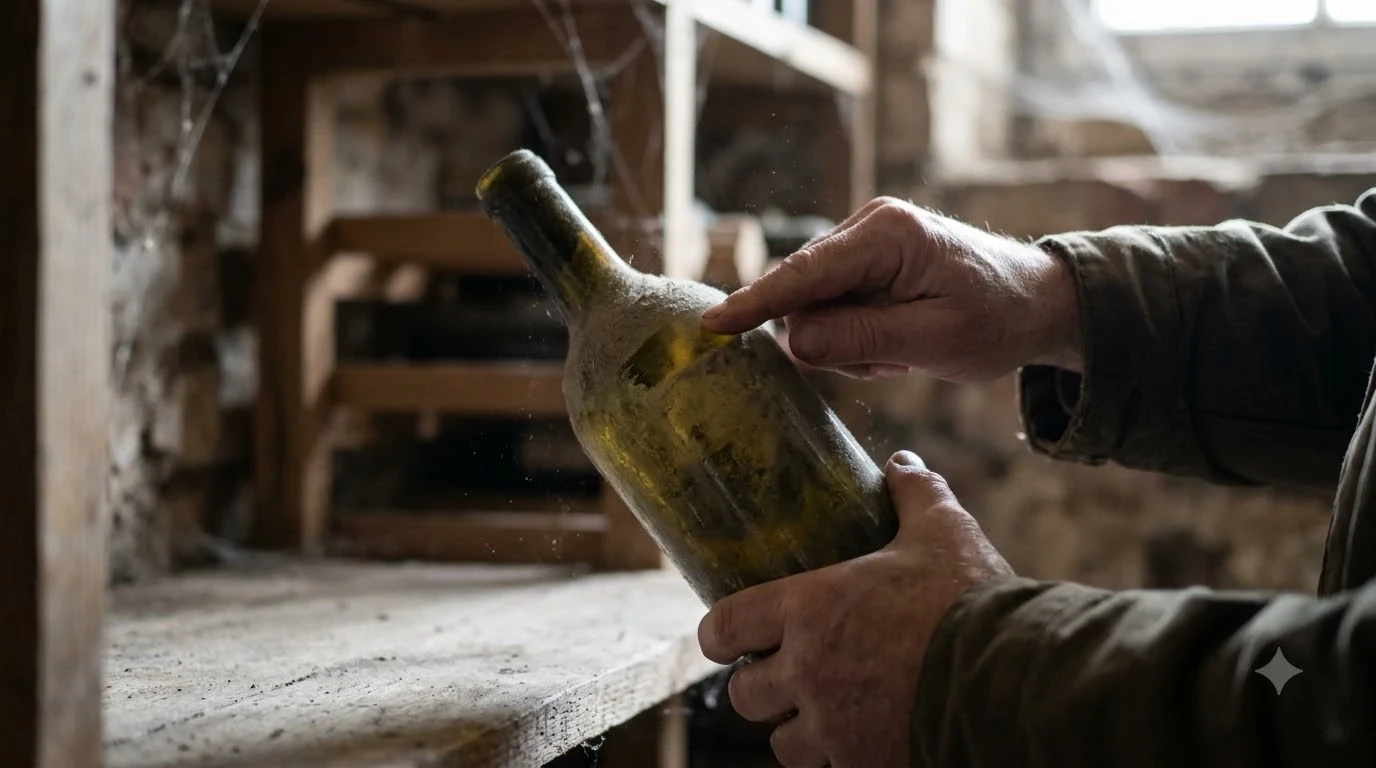
The romantic image of dusty cellar bottles improving endlessly with every passing decade is one of the most persistent myths in the wine world. While a structured Bordeaux, Barolo, or vintage Port can reward patience with extraordinary complexity, holding onto an everyday Pinot Grigio or supermarket red blend for ten years will leave you with flat, oxidized liquid. Understanding why certain bottles mature gracefully while others decline comes down to chemistry, grape structure, and how you store them.
Why Most Wine Is Meant to Be Drunk Young
The vast majority of commercial wines are crafted for immediate enjoyment, meaning their bright fruit flavors and crisp textures peak right at release. Winemakers achieve this approachable profile by fermenting at cooler temperatures, limiting harsh oak extraction, and bottling early so the wine reaches store shelves ready to pour.
According to wine educators at Wine Folly, only around 3% of wines produced globally are truly built for long-term cellaring. Everyday bottles lack the concentrated phenolic compounds and structural backbone required to survive years of slow chemical reactions inside the glass. Instead of gaining nuance, an unfortified light white or simple red will lose its vibrant primary aromas of fresh berries, citrus, or orchard fruit within a couple of years, leaving behind dull, watery flavors.
Winemaking economics also play a role in why modern bottles rarely require aging. Holding inventory in a winery cellar ties up capital and storage space, so most producers tailor their fermentation and filtration methods to ensure the wine tastes smooth and balanced on day one. If you pick up a bottle at your local shop for tonight’s dinner, waiting for a special occasion five years down the road usually works against the winemaker’s intended style.
The Four Structural Traits That Make Wine Age-Worthy
For a wine to improve over ten, twenty, or fifty years, it needs natural preservatives that slow down oxidation and guide chemical evolution. Without at least two of these four foundational elements working in harmony, time will break the wine down rather than build complexity.
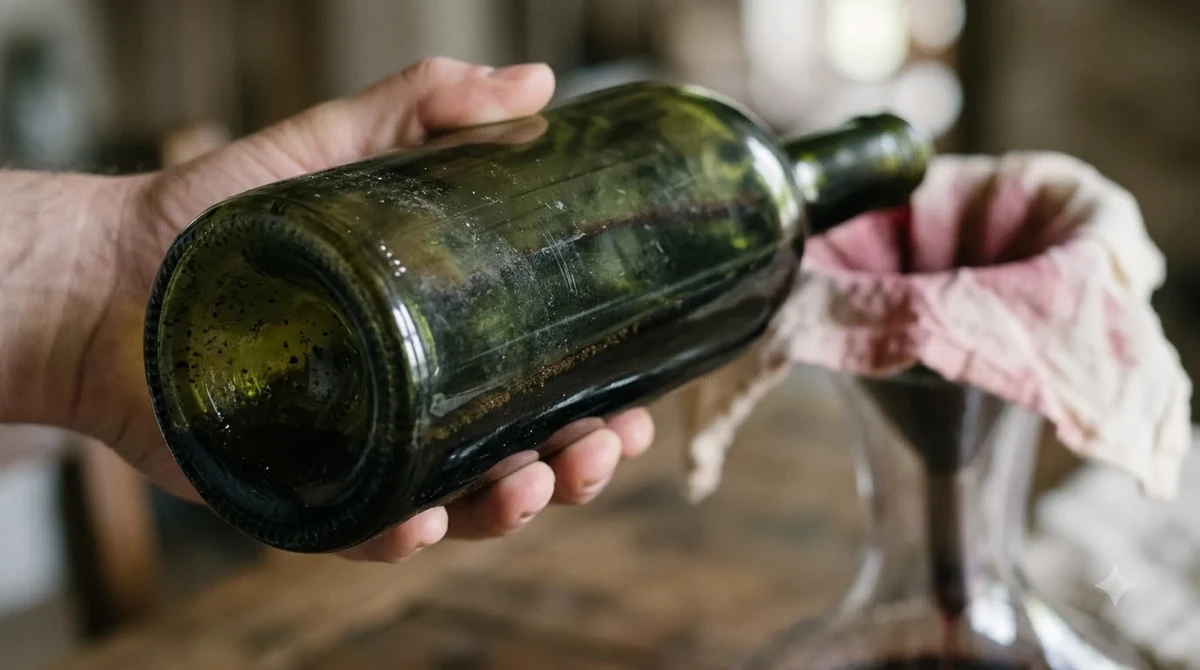
Tannins are bitter, astringent compounds extracted from grape skins, seeds, stems, and oak barrels. Primarily found in red wines, tannins act as natural antioxidants that protect the liquid from premature spoilage. In a young Cabernet Sauvignon or Nebbiolo, high tannin levels can make the wine feel grippy, drying, or austere on the palate. Over years in the bottle, these microscopic molecules bind together into longer chains, reducing their surface area so the wine feels noticeably rounder and silkier.
Acidity provides the crisp, mouthwatering sensation that keeps both red and white wines feeling lively as they mature. Because wine slowly loses perceived acidity over time, an age-worthy bottle must start with naturally high acid levels—often above 0.6% to 0.7% total acidity—to avoid tasting flabby decades later. High acidity is the primary reason dry white grapes like Riesling, Chenin Blanc, and white Burgundy can age for a decade or longer despite having almost no tannins.
Residual sugar and alcohol round out the structural quartet by acting as powerful microbial and chemical stabilizers. Just as sugar preserves fruit in jam, high residual sugar levels allow dessert wines like Sauternes and Tokaji Aszú to remain vibrant for thirty years or more. Similarly, fortified wines such as Vintage Port and Madeira use added grape spirit to reach 17% to 20% ABV, creating an environment where oxidation occurs at a glacial, controlled pace that can sustain a bottle for over a century.
What Actually Happens Inside the Bottle Over Time
Aging wine is not a static preservation process; it is a continuous series of slow chemical reactions among acids, alcohols, sugars, and phenolic compounds. Even under a tight seal, microscopic amounts of oxygen interact with the wine, gradually transforming its color, aroma, and mouthfeel.
As Wine Enthusiast explains, one of the earliest shifts occurs in the wine’s visual appearance. Red wines lose their deep purple and ruby hues as anthocyanin pigments bind with tannins and precipitate out of suspension, shifting the color toward garnet, brick, and eventually tawny brown at the rim. White wines move in the opposite direction, darkening from pale straw or lemon into rich gold, deep amber, and caramel tones as slow oxidation progresses.
Flavor and aroma follow a parallel transformation from primary to tertiary characteristics. Primary flavors—fresh blackberry, green apple, white peach, and floral notes—gradually recede. In their place emerge secondary notes from winemaking and tertiary aromas created solely by bottle age. Mature reds develop savory layers of dried tobacco leaf, leather, cedar, forest floor, and dried figs, while aged whites take on notes of toasted hazelnuts, beeswax, dried apricot, and petrol.
Texturally, the polymerized tannin chains in red wine eventually grow heavy enough to fall to the bottom of the bottle as harmless sediment. Once those grippy particles drop out of the liquid, the mouthfeel becomes smooth and velvety, while white wines often gain a richer, almost oil-like viscosity on the mid-palate.
Aging Timelines by Wine Style and Grape
Different grape varieties and winemaking styles mature on dramatically different schedules, ranging from a few months for crisp rosés to several decades for fortified classics. Knowing the typical lifespan of major wine categories helps you open bottles at their peak rather than years too late.
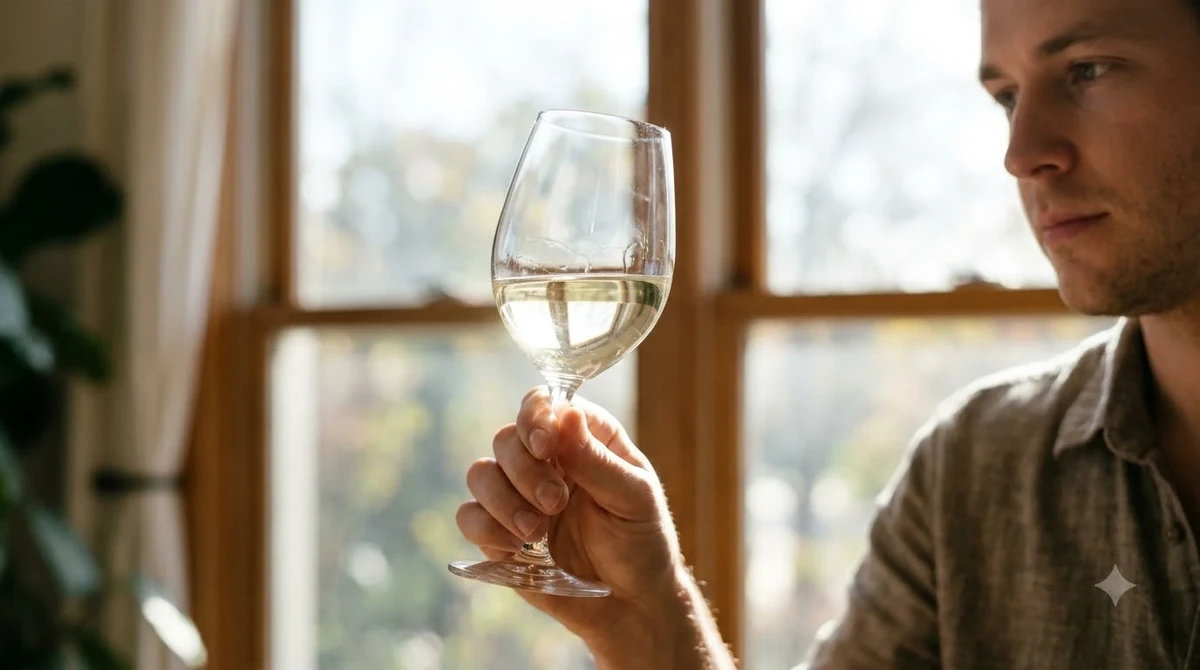
Light, high-acid whites and rosés rely almost entirely on fresh fruit and floral aromatics, meaning their prime window closes quickly. Conversely, thick-skinned red grapes and botrytized dessert wines often taste tight or overly sweet in their youth, requiring five to fifteen years before their flavors fully integrate. If you are curious about how shelf life differs once a bottle is opened or used in the kitchen, our guide on whether cooking wine goes bad breaks down oxidation timelines for opened bottles.
| Wine Style or Grape | Typical Aging Window | Key Aging Driver | Flavor Evolution |
|---|---|---|---|
| Rosé and Pinot Grigio | 1 to 3 years | Fresh acidity | Crisp citrus and berry notes fade into neutral, flat tones |
| Sauvignon Blanc and Unoaked Whites | 1 to 4 years | High acidity | Zesty grass and tropical fruit soften into muted herbal notes |
| Oaked Chardonnay and White Rioja | 5 to 15 years | Acidity and oak phenolics | Orchard fruit evolves into toasted nuts, honey, and beeswax |
| German Riesling (Dry to Off-Dry) | 10 to 25+ years | Ripping acidity and sugar | Lime and green apple shift toward dried apricot and slate |
| Pinot Noir and Sangiovese | 5 to 15 years | High acidity and moderate tannin | Bright red cherry transforms into dried rose, earth, and mushroom |
| Cabernet Sauvignon and Nebbiolo | 10 to 25+ years | Firm tannins and acidity | Blackcurrant and tar soften into leather, cedar, and tobacco |
| Sauternes and Tokaji Aszú | 20 to 50 years | High sugar and acidity | Fresh stone fruit deepens into marmalade, caramel, and spice |
| Vintage Port and Madeira | 50 to 100+ years | High ABV (17%–20%) and sugar | Rich dark berries turn into walnut, dried fig, and espresso |
Keep in mind that vintage variation and producer quality heavily influence these ranges. A cooler growing season often produces grapes with higher natural acidity and firmer structure, extending a bottle’s cellar life, whereas a hot vintage yields riper, softer wines that mature several years faster.
How Storage Conditions Control the Aging Process
Even the most age-worthy Grand Cru Bordeaux will spoil within a few years if kept in a warm kitchen cabinet or sunny dining room rack. Environmental stability dictates whether a wine develops gracefully or cooks into stewed, vinegary disappointment.
The gold standard for long-term wine storage is a constant temperature around 55°F (13°C), with acceptable ranges sitting between 50°F and 59°F. Heat acts as an accelerator for chemical reactions; storing wine at typical room temperatures above 70°F causes it to age roughly four times faster than in a cool cellar, stripping away delicate aromatics and creating baked fruit flavors. Equally important is avoiding daily temperature swings, which cause the liquid inside the bottle to expand and contract, pushing air past the cork.
Humidity, darkness, and bottle orientation provide the remaining safeguards for multi-year aging. Relative humidity between 60% and 75% keeps natural corks supple so they maintain an airtight seal against the glass neck; if the air is too dry, the cork shrinks and lets excess oxygen seep in. Storing bottles horizontally ensures the wine remains in constant contact with the underside of the cork, while keeping bottles away from ultraviolet light prevents “light strike,” a chemical reaction that produces unpleasant sulfur compounds.
Tip: If you do not own a dedicated wine fridge, store age-worthy bottles on their sides on the bottom shelf of an interior ground-floor closet or basement corner away from heating vents, laundry machines, and direct sunlight.
How to Tell If an Aged Bottle Is at Its Peak or Past Its Prime
Opening an older bottle always carries a bit of suspense, because wine ages along a bell curve rather than a straight line. Catching a bottle at its plateau reveals harmonious flavors, while waiting too long leaves you with a wine whose fruit has completely vanished.
Visual and cork clues offer your first hints before you even take a sip. Check the “ullage,” or the air gap between the bottom of the cork and the surface of the wine; in bottles over fifteen years old, a fill level dropping below the shoulder of the bottle signals significant evaporation and potential oxidation. When pulling the cork, spongy or saturated corks that crumble easily are common in older vintages and do not automatically mean the wine is ruined, provided the wine itself smells clean.
Your nose and palate remain the ultimate judges once the wine is poured into a glass. An older bottle at its peak will display complex, integrated aromas—dried fruit, leather, sweet spice, or savory earth—backed by enough lingering acidity or tannin to keep the finish lively. Conversely, a wine that is past its prime smells sharply of vinegar, wet cardboard, sherry-like bruised apples, or nail polish remover, and tastes thin, sour, or hollow on the mid-palate. If you want to explore more everyday wine questions—from serving temperatures to how alcohol affects your body, such as whether wine dehydrates you or helps you sleep—browse our full collection of wine basics Q&As.
Frequently Asked Questions
Does inexpensive wine get better with age?
Inexpensive wines rarely improve with age because they are crafted for immediate drinkability rather than long-term cellaring. Winemakers produce budget-friendly bottles with softer tannins, lower phenolic concentration, and earlier bottling schedules so they taste smooth right off the shelf. Holding a standard everyday bottle for five or ten years typically causes its fresh fruit flavors to fade into dull, oxidized notes.
Can white wine age as well as red wine?
Certain white wines can age for ten to twenty-five years or longer, even though they lack the tannins found in red wine. High-acid white varieties such as German Riesling, French Chenin Blanc, Sémillon, white Rioja, and top-tier Burgundy rely on crisp acidity, oak aging, or residual sugar to preserve their structure. Over time, these whites darken to a rich gold color and develop complex notes of honey, toasted nuts, and dried stone fruit.
Should you decant an old wine before drinking it?
Yes, decanting older red wines is recommended primarily to separate the clear liquid from any harmless sediment that has settled at the bottom of the bottle. Stand the bottle upright for 24 hours before opening, then pour slowly into a decanter while watching the neck against a light source so sediment stays behind. Because fragile aged wines can lose their delicate aromas quickly, serve them within 30 to 60 minutes of decanting rather than aerating them for hours.
Do screw-cap wines age well in the bottle?
Wines sealed under modern screw caps can age just as gracefully as those under natural cork, and with far less risk of cork taint or premature oxidation. Manufacturers design screw-cap liners with calibrated oxygen transmission rates that allow the slow, controlled maturation needed for complex flavor development. Many top Australian and New Zealand producers bottle their flagship age-worthy Rieslings, Chardonnays, and Shiraz under screw cap.
While only a small percentage of bottles truly improve over decades, understanding what makes a wine age-worthy takes the guesswork out of buying and storing your collection. Enjoy light, fruit-forward whites and reds within their first few years, and save your cool, dark cellar space for structured, high-acid, or tannic bottles built to reward your patience.
More in Wine Basics
 Which Rose Is Best for Your Taste, Budget, and Food PairingsUpdated Nov 21, 2026
 Is Cheap Wine Bad? How to Find Bottles Worth DrinkingUpdated Nov 21, 2026
 What To Write On A Wine Gift Tag: Thoughtful Messages For Every OccasionUpdated Nov 21, 2026
 Which Wine Is Best For Weight Loss? Compare Lower-Calorie ChoicesUpdated Nov 21, 2026
 What Is The Best Wine For Mimosas? Choose Bubbly That Balances Orange JuiceUpdated Nov 20, 2026
 Which Prosecco Is Best for Your Taste and OccasionUpdated Nov 20, 2026