

We may earn a commission when you buy through links on this page, at no extra cost to you. Learn more.
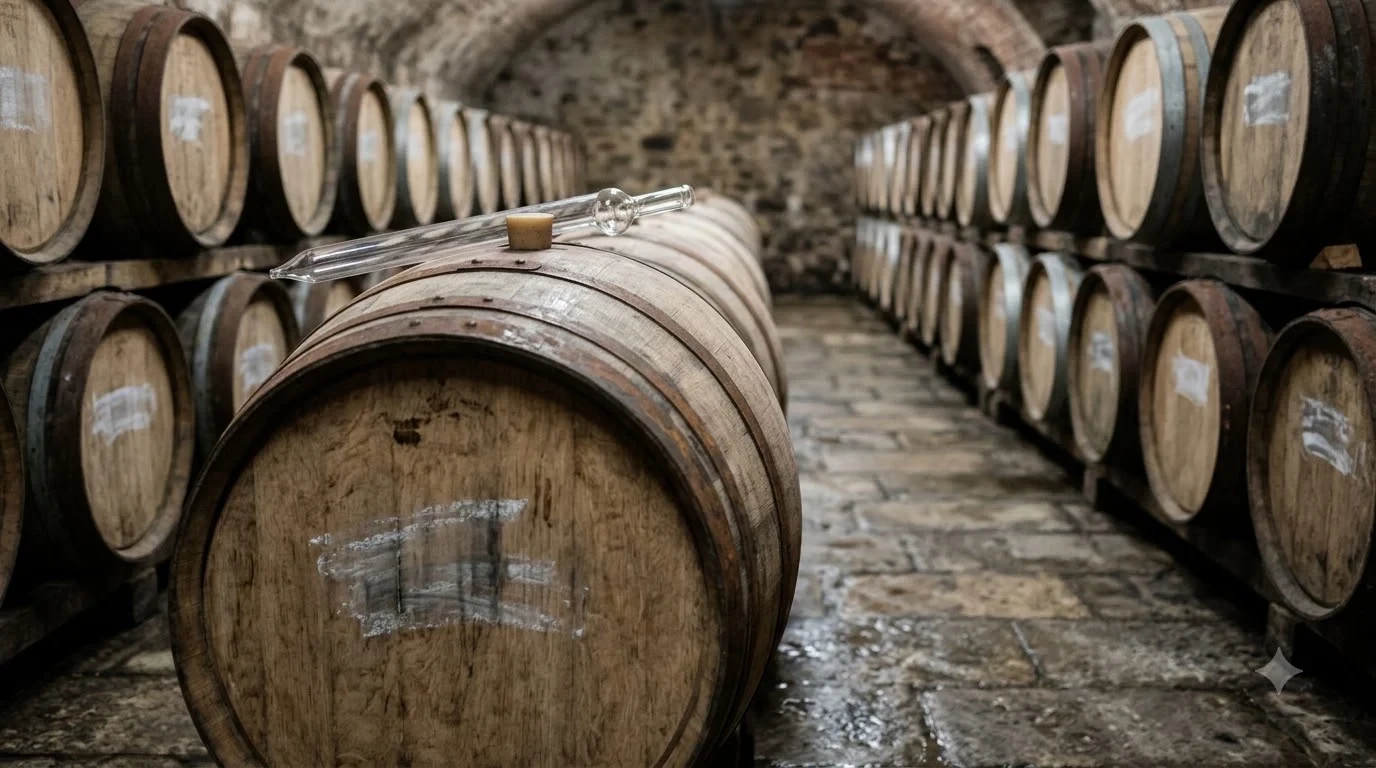
Short answer: does cooking wine go bad? Yes, an opened bottle usually loses quality within days. Unopened bottles keep much longer, but oxygen, heat and light gradually change the wine. Salt is added to many cooking wines, and that changes how you should judge them.
This guide explains how long cooking wine lasts before and after you open it, how to tell when it has turned, and how storage affects its quality. If you are wondering whether the cooking wine in your pantry has turned, start with the signs section below.
How Long Does Cooking Wine Last Unopened?
An unopened bottle lasts far longer than one that has been poured. Shelf life depends on the type of wine and how well it was stored. Cooking wine is not always labeled the same way as drinking wine, so the bottle itself is the best place to start.
General guidance from Healthline notes that unopened white wine often keeps about one to two years, while fine wine stored properly can last 10 to 20 years. Healthline also suggests that unopened wine can often be enjoyed for one to five years after its printed date. Read the label before you assume the bottle is still fine. The Healthline guide on wine shelf life gives a useful overview of these ranges.
Storage makes a large difference. Keep the bottle in a cool, dark place away from the stove, dishwasher and sunny windows. Healthline recommends storing bottles on their sides so the cork stays moist. Heat and light speed up change, even when the bottle is still sealed.
How Long Does Cooking Wine Last After Opening?
Once the seal is broken, the clock starts quickly. Oxygen, heat and light begin to change the flavor, and the wine loses freshness over days rather than months. Opened cooking wine should be treated with the same caution as an opened bottle of drinking wine.
The Fox News article by Marissa A. Ross, which draws on a Bon Appetit piece, says a red or white wine can last about two to five days when it is recorked and refrigerated. Sparkling wine typically has one to three days before it goes flat. Healthline lists light whites and rosés at four to five days when kept tightly sealed in the refrigerator. Fox News coverage of wine storage explains why recorking matters.
These estimates were written for drinking wine. Cooking wine often contains salt and may be made differently, so its timeline can vary. Use these ranges as a rough guide, then check the label and your senses before using it.
| Wine status | Typical guidance | Source note |
|---|---|---|
| Unopened white wine | About 1 to 2 years | Healthline general range |
| Unopened fine wine | About 10 to 20 years when stored properly | Healthline general range |
| Opened light white or rosé | About 4 to 5 days, refrigerated and sealed | Healthline estimate |
| Opened red or white | About 2 to 5 days, recorked and refrigerated | Fox News summary |
| Opened sparkling wine | About 1 to 3 days, though it goes flat | Fox News summary |
Signs Cooking Wine Has Gone Bad
Spoiled wine usually shows itself through color, smell and taste. Check all three before you pour it into a dish. Healthline notes that visual changes are one of the first signs to look for.
Color is the easiest check. Dark red wines that turn brownish and light whites that turn golden or cloudy are often past their best. Unplanned fermentation can also create small bubbles that should not be there. Smell is the second check. Healthline describes a sharp, vinegar-like smell in wine left open too long, and a nutty or applesauce-like odor in stale wine.
Taste is the last check, and it is optional. Healthline says a small taste of bad wine will not cause harm, but it also advises discarding wine that is clearly off. If the cooking wine tastes sour, flat or burnt, do not use it. When in doubt, throw it out, since a dish is not worth the risk.
Does Salt in Cooking Wine Make It Last Longer?
Salt is added to many cooking wines so that people are less likely to drink them straight. It can also affect how the wine is used and stored. Salt does not make spoilage impossible, so the wine still needs the same care.
Some people assume salted cooking wine keeps indefinitely. That is not a safe assumption. Oxygen can still change the flavor, and the bottle still needs a tight seal and a cool, dark spot. Check the label for any storage or date guidance from the manufacturer, since formulas vary.
Salt is best viewed as a product design choice rather than a guarantee. Treat a salted cooking wine like any other opened bottle. Note the date you opened it, keep it sealed, and discard it if it looks, smells or tastes wrong. For more basics on wine quality, see the guide on whether wine gets better with age.
Can You Cook With Expired Cooking Wine?
You can often still cook with wine that has passed its printed date, but only if it still looks and smells normal. A date is a guide to quality, not a strict safety cutoff in every case. Your senses are the better test for an opened bottle.
Heat from cooking may soften some off flavors, but it does not fix spoiled wine. A dish made with sour or vinegar-smelling wine will taste wrong. Healthline also warns that bacteria and yeast can cause wine to turn, and that symptoms of food poisoning should be taken seriously. If the wine is clearly bad, discard it rather than cooking with it.
For dishes where the wine is a main flavor, such as a braise or a pan sauce, use a fresh bottle. Save older bottles for small uses where the flavor matters less. Check the Wine Q&A section for more basics on wine quality and storage.
How to Store Cooking Wine to Extend Its Shelf Life
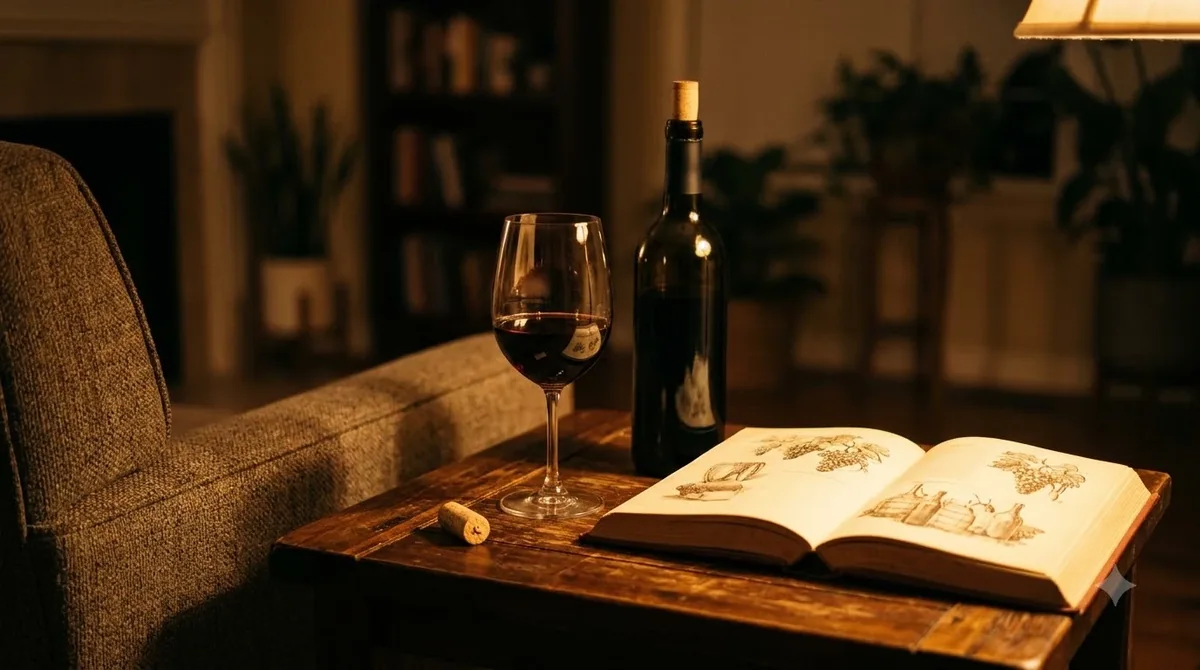
Good storage slows the changes that make wine go bad. Oxygen, heat and light are the main enemies. Healthline notes that storing wine at lower temperatures helps slow the chemical reactions that alter quality.
- Keep unopened bottles in a cool, dark cupboard, away from the oven and direct sunlight.
- Lay unopened bottles on their sides so the cork stays moist.
- After opening, recork the bottle or use a stopper right away.
- Refrigerate the opened bottle, even if it is cooking wine.
- Write the open date on the bottle or a note near the fridge.
- Check the wine before each use and discard it if it has changed.
Fox News recommends recorking and refrigerating for the same reason: less exposure to oxygen, heat and light. A stopper is helpful, but a fridge is the most reliable step for most households. Small bottles of cooking wine may be easier to finish than large ones.
Cooking Wine vs. Drinking Wine: Which Keeps Longer?
Cooking wine and drinking wine follow the same basic chemistry, so the same storage rules apply. The main difference is that cooking wine often includes salt and is sold for a different purpose. That can change how people handle it at home.
Drinking wine is usually judged by taste, so people notice spoilage quickly. Cooking wine is sometimes left in the pantry and forgotten, which makes date checks more important. You may find that a bottle of cooking wine sits longer than you planned. Set a reminder when you open it.
Neither type lasts forever once opened. For either one, the safest habit is to refrigerate, seal and check before use. Treat every opened bottle with the same attention, whatever the label says.
Frequently Asked Questions About Cooking Wine
Does cooking wine go bad if it is unopened?
Unopened cooking wine can last a long time when stored in a cool, dark place. Healthline gives general ranges for unopened wine, but the label and storage conditions matter most. If the bottle is past its date or has been stored in heat, check it carefully before using it.
How can I tell if opened cooking wine is bad?
Look for brown or cloudy color, a vinegar-like smell, or a sour or flat taste. Healthline notes that these changes often point to oxygen exposure or spoilage. If the wine looks or smells wrong, discard it rather than cooking with it.
Should I refrigerate opened cooking wine?
Yes, refrigeration is one of the best ways to slow spoilage after opening. Recork or seal the bottle first. Cold storage slows the chemical reactions that change the wine, although it does not stop them completely.
Is it safe to cook with wine that has passed its date?
Wine that smells and looks normal may still be fine for cooking, since the date is a quality guide. Wine that is clearly spoiled should not be used, even in a sauce. When you are unsure, use a fresh bottle for dishes where the wine flavor matters.
Cooking wine usually keeps best when stored cool, sealed and refrigerated after opening. Check the color, smell and taste before each use, and do not rely on the date alone. A fresh bottle is always the better choice for a dish where the wine is the star. You can also explore whether wine dehydrates you for more everyday wine questions.
More in Wine Basics
 Which Rose Is Best for Your Taste, Budget, and Food PairingsUpdated Nov 21, 2026
 Is Cheap Wine Bad? How to Find Bottles Worth DrinkingUpdated Nov 21, 2026
 What To Write On A Wine Gift Tag: Thoughtful Messages For Every OccasionUpdated Nov 21, 2026
 Which Wine Is Best For Weight Loss? Compare Lower-Calorie ChoicesUpdated Nov 21, 2026
 What Is The Best Wine For Mimosas? Choose Bubbly That Balances Orange JuiceUpdated Nov 20, 2026
 Which Prosecco Is Best for Your Taste and OccasionUpdated Nov 20, 2026