

We may earn a commission when you buy through links on this page, at no extra cost to you. Learn more.
Organic sauvignon blanc is a crisp, dry white wine made from certified organically grown sauvignon blanc grapes farmed without synthetic pesticides, herbicides, or chemical fertilizers. In the United States, bottles labeled strictly as “organic wine” contain no added sulfites, whereas bottles labeled “made with organic grapes” or carrying European Union organic certification permit strictly capped amounts of added sulfur dioxide for freshness. Across both styles, the wine delivers signature racy acidity alongside bright citrus, green herb, and stone fruit notes.
Because sauvignon blanc naturally expresses the soil and climate where it grows, organic vineyard management has a direct impact on what ends up in your glass. Farming without synthetic inputs encourages deeper root systems, healthier microbial soil life, and expressive fruit character, though understanding the difference between American and European organic labeling rules is essential before you buy a bottle.
What Organic Sauvignon Blanc Is
Organic sauvignon blanc starts in vineyards that have been farmed without synthetic chemicals for at least three years prior to certification. In the cellar, winemakers must also follow strict organic processing standards that ban genetically modified yeasts and restrict non-organic additives.
In the vineyard, organic growers replace synthetic sprays with cover crops, compost, beneficial insects, and natural mineral treatments like sulfur and copper to manage vine health. According to Decanter, biodynamic Pouilly-Fumé winemaker Jonathan Pabiot notes that sauvignon blanc is particularly sensitive to powdery and downy mildew, meaning organic growers must monitor their vines closely during humid growing seasons rather than relying on systemic fungicides.
Once the grapes reach the winery, legal definitions diverge depending on where the wine is certified. Under USDA National Organic Program rules, a bottle carrying the green USDA Organic seal cannot contain any added sulfites, though trace amounts occur naturally during fermentation. By contrast, American wines labeled “made with organic grapes” may contain up to 100 parts per million (ppm) of added sulfur dioxide, while European Union organic rules cap total sulfites in dry white wines at 150 milligrams per liter.
Tip: Because USDA-certified organic white wines have no added sulfites to slow oxidation, treat them as fresh, drink-now bottles and keep them chilled rather than cellaring them for years.
Flavor and Styles
Organic sauvignon blanc is defined by its brisk, mouthwatering acidity and unmistakable aromatic profile, which ranges from zesty lime and cut grass to ripe passionfruit and white peach. Farming practices do not alter the grape’s genetic aroma compounds, so organic bottles still showcase the lively green and citrus notes that make this varietal famous.
According to Wine Folly, those signature herbaceous notes—often reminiscent of green bell pepper, gooseberry, jalapeño, and fresh-cut grass—come from natural aromatic compounds called pyrazines. Cooler growing climates preserve higher levels of pyrazines and malic acid, producing lean, snappy wines with laser-sharp citrus and mineral edges. Warmer regions ripen those green compounds into tropical fruit flavors like guava, honeydew, and passionfruit.
Winemaking choices create further stylistic variation across organic bottles. Most producers ferment and age organic sauvignon blanc in stainless steel tanks to lock in crisp, primary fruit aromas and vibrant acidity. A smaller group of winemakers—particularly in Bordeaux and parts of California—ferments or ages the wine in neutral or new oak barrels with lees contact, yielding a rounder, fuller-bodied texture with hints of beeswax, honeysuckle, and toasted almond.
Where It Grows
Organic sauvignon blanc thrives in coastal and cool-to-moderate wine regions around the world where natural breezes help keep vineyards dry and reduce fungal pressure. France, New Zealand, Spain, Chile, and California lead global production, each giving the grape a distinct regional accent.
In France’s Loire Valley, appellations like Sancerre, Pouilly-Fumé, and Touraine produce benchmark organic sauvignon blanc defined by chalky minerality, gunflint, and tart citrus. In Bordeaux, organic estates frequently blend sauvignon blanc with sémillon to create structured white wines capable of barrel aging. Meanwhile, Spain’s high-altitude vineyards in Rueda and Castilla-La Mancha benefit from dry, sunny conditions that make organic farming especially practical.
Outside Europe, New Zealand’s Marlborough region is world-famous for intensely aromatic organic sauvignon blanc bursting with passionfruit, lime zest, and tomato leaf. In the United States, California’s North Coast—including Mendocino, Lake County, and Sonoma—supports a growing number of certified organic vineyards cooled by Pacific fog. Shoppers exploring broader sustainable bottles can also browse our Wine Buying Guides for deeper regional breakdowns.
| Region | Dominant Climate | Signature Flavor Profile | Typical Aging Vessel |
|---|---|---|---|
| Loire Valley, France | Cool continental | Lemon zest, green apple, wet chalk, gunflint | Stainless steel or neutral oak |
| Bordeaux, France | Moderate maritime | White peach, grapefruit, beeswax, herbal notes | Oak barrels (often blended with sémillon) |
| Marlborough, New Zealand | Cool maritime | Passionfruit, gooseberry, lime, cut grass | Stainless steel |
| California North Coast, USA | Warm to moderate coastal | Meyer lemon, melon, white peach, subtle herbs | Stainless steel or neutral oak |
How to Serve Organic Sauvignon Blanc
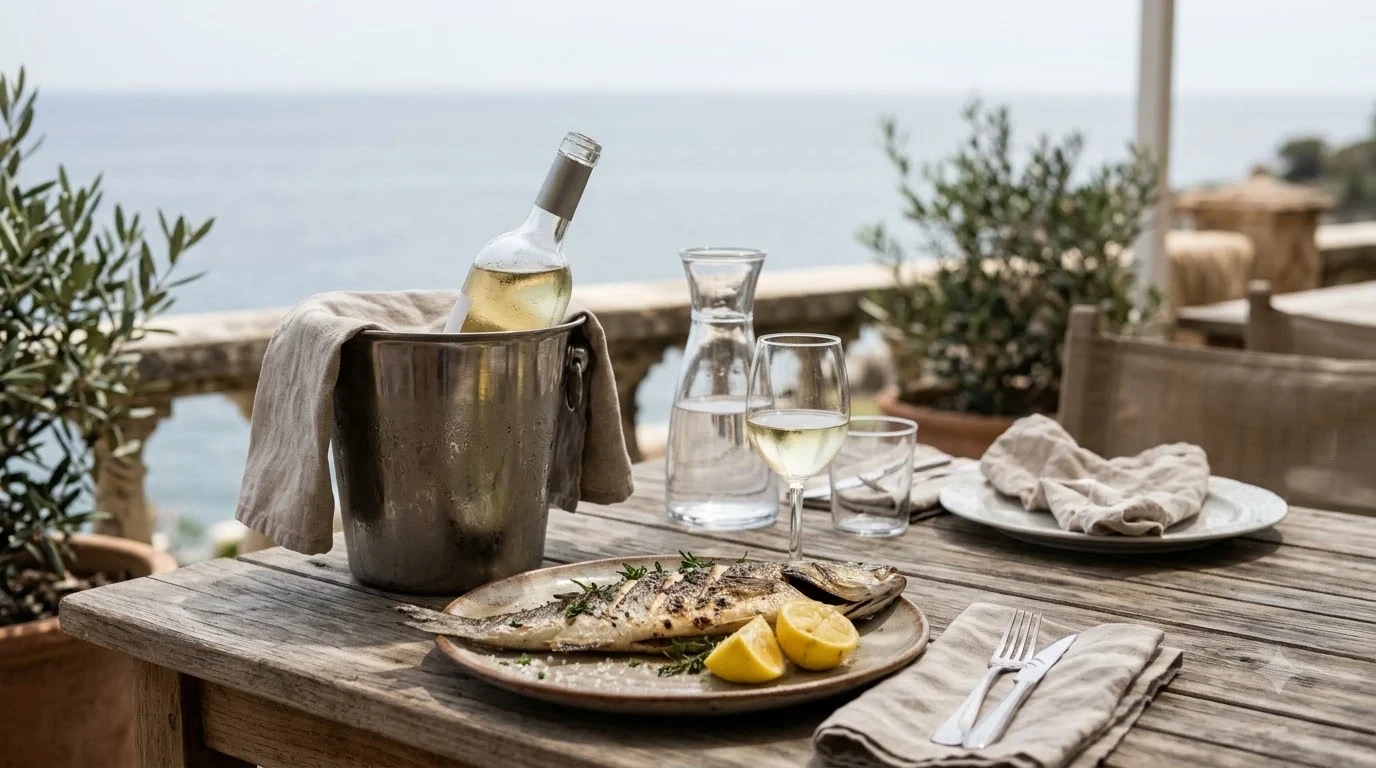
Serve organic sauvignon blanc chilled between 45°F and 50°F (7°C to 10°C) for crisp, stainless-steel styles, or slightly warmer at 50°F to 55°F (10°C to 13°C) for richer, oak-aged bottles. Serving the wine at the right temperature keeps its high acidity refreshing without numbing its delicate aromatic compounds.
A standard kitchen refrigerator typically runs around 35°F to 38°F, which is cold enough to mute the wine’s citrus and herbal aromatics. Pulling a bottle from the fridge 10 to 15 minutes before pouring—or placing a room-temperature bottle in an ice-water bath for 30 to 40 minutes—brings it right into the sweet spot. Pour it into a standard white wine glass with a medium-sized bowl that tapers slightly at the rim to focus aromas toward your nose.
Once opened, reseal the bottle tightly with its cork or screw cap and store it upright in the refrigerator. Bottles made with low sulfite additions under EU or “made with organic grapes” rules will stay bright for two to three days, while zero-added-sulfite USDA organic bottles are best finished within one to two days before oxygen softens their crisp edges.
Food Pairing
Organic sauvignon blanc is one of the most food-friendly white wines at the dinner table because its brisk acidity cuts through rich sauces, salty cheeses, and bright herbal dishes. The classic rule of thumb is to echo the wine’s green, citrusy character with fresh herbs and vibrant ingredients on the plate.
In the Loire Valley, crisp Sancerre alongside fresh chèvre (goat cheese) is a legendary regional pairing because the wine’s high acidity matches the tangy, creamy texture of the cheese. Beyond goat cheese, organic sauvignon blanc shines with freshly shucked oysters, grilled sea bass, ceviche, and herb-roasted chicken finished with lemon and thyme.
Vegetarian dishes featuring spring and summer produce are equally natural partners. Asparagus tart, zucchini fritters, pesto pasta, cucumber-dill salads, and dishes seasoned with cilantro, basil, mint, or tarragon harmonize with the grape’s natural pyrazines rather than clashing with them. If you are planning a multi-course dinner, start with a chilled glass of organic champagne, pour organic sauvignon blanc with seafood or greens, and transition to organic pinot noir for roasted poultry or mushrooms.
How to Choose a Bottle
Choosing the right organic sauvignon blanc comes down to reading the certification wording on the label and matching the growing region to the flavor intensity you prefer. Checking both details ensures you know how the grapes were farmed and how fresh the wine will taste.
First, inspect the front and back labels for official certification language. In the United States, look either for the green USDA Organic seal (zero added sulfites) or the phrase “Made with Organically Grown Grapes” accompanied by the name of an accredited certifying agency. For imported bottles, look for the green European Union organic leaf logo (a leaf outlined in white stars on a green background) alongside a certifier code, or recognized biodynamic seals such as Demeter.
Second, check the vintage year and origin. Because crisp organic sauvignon blanc relies on fresh aromatics and lively acidity, aim for the most recent one to two vintages on the shelf unless you are buying an oak-aged Bordeaux blend built for bottle development. If you enjoy fuller-bodied organic reds alongside your whites, you can apply the same label-reading habits when shopping for organic cabernet sauvignon.
Frequently Asked Questions
Is organic sauvignon blanc completely sulfite-free?
No wine is 100% sulfite-free because yeast naturally produces small amounts of sulfites during fermentation. Under USDA rules, wine labeled strictly as “organic” contains no added sulfites, whereas bottles labeled “made with organic grapes” or certified organic in the EU allow strictly capped low additions to preserve freshness.
Does organic sauvignon blanc taste different from conventional sauvignon blanc?
The core varietal flavors of citrus, green herbs, and tropical fruit remain the same, as those come from the grape itself and its growing climate. However, many wine lovers find that organic farming encourages deeper vine roots and healthier soils, often resulting in cleaner mineral expression and vibrant natural acidity.
How long can you store an unopened bottle of organic sauvignon blanc?
Most crisp, stainless-steel organic sauvignon blanc is meant to be enjoyed within one to two years of the vintage date while its citrus and herbal aromatics are brightest. USDA-certified bottles with zero added sulfites are especially sensitive to time and heat, so store them in a cool, dark place and drink them young.
Is all organic sauvignon blanc vegan?
Not automatically. While organic rules prohibit synthetic vineyard chemicals and GMO yeasts, some organic certifications still permit traditional animal-derived fining agents such as egg whites, casein, or isinglass to clarify the wine, so look for a separate vegan certification if that is important to you.
Whether you gravitate toward a flinty, mineral-driven Sancerre or a zesty, passionfruit-scented bottle from Marlborough or California, organic sauvignon blanc offers pure varietal character backed by cleaner vineyard farming. Paying attention to the regional origin, recent vintage date, and organic certification wording on the label will reliably lead you to a vibrant, refreshing bottle.
More in Wine Buying Guides
 Riesling Gift: Choose a Bottle They’ll LoveUpdated Nov 21, 2026
 Sweet Red Wine Gift: Choose a Bottle They’ll LoveUpdated Nov 21, 2026
 Malbec Gift: How to Choose a Memorable Bottle for Any OccasionUpdated Nov 21, 2026
 Sherry Gift Ideas That Match Every Wine LoverUpdated Nov 21, 2026
 Moscato Gift: How to Choose a Sweet Wine They’ll LoveUpdated Nov 21, 2026
 Merlot Gift: How to Choose a Bottle They’ll AppreciateUpdated Nov 21, 2026