


We may earn a commission when you buy through links on this page, at no extra cost to you. Learn more.
Sweet dessert wine is a wine with a high level of residual sugar, made by stopping fermentation early, harvesting very ripe or affected grapes, or adding spirit. Common examples include Sauternes, Port, late-harvest Riesling and icewine. These wines are usually served in small pours with dessert, cheese or on their own, and their sweetness comes from sugar the yeast did not convert to alcohol.
This guide explains what makes a wine taste sweet, the main ways producers create dessert styles, and how to choose, serve and pair them. It also covers the labels and terms that help you tell a true dessert wine from a lightly sweet table wine.
What makes a wine taste sweet
Every wine starts with grape sugar. During fermentation, yeast turns most of that sugar into alcohol. Any sugar left in the finished wine is called residual sugar, and it is the main reason a wine tastes sweet. A dry wine has very little residual sugar, while a dessert wine keeps much more of it.
Sweetness is not the same as richness. A sweet wine can also have high acidity, which keeps it fresh and stops it from feeling heavy. Many of the best dessert wines balance sugar with acid, so the finish is lively rather than cloying. When you taste one, notice whether the acidity sits beside the sweetness or whether the sugar dominates.
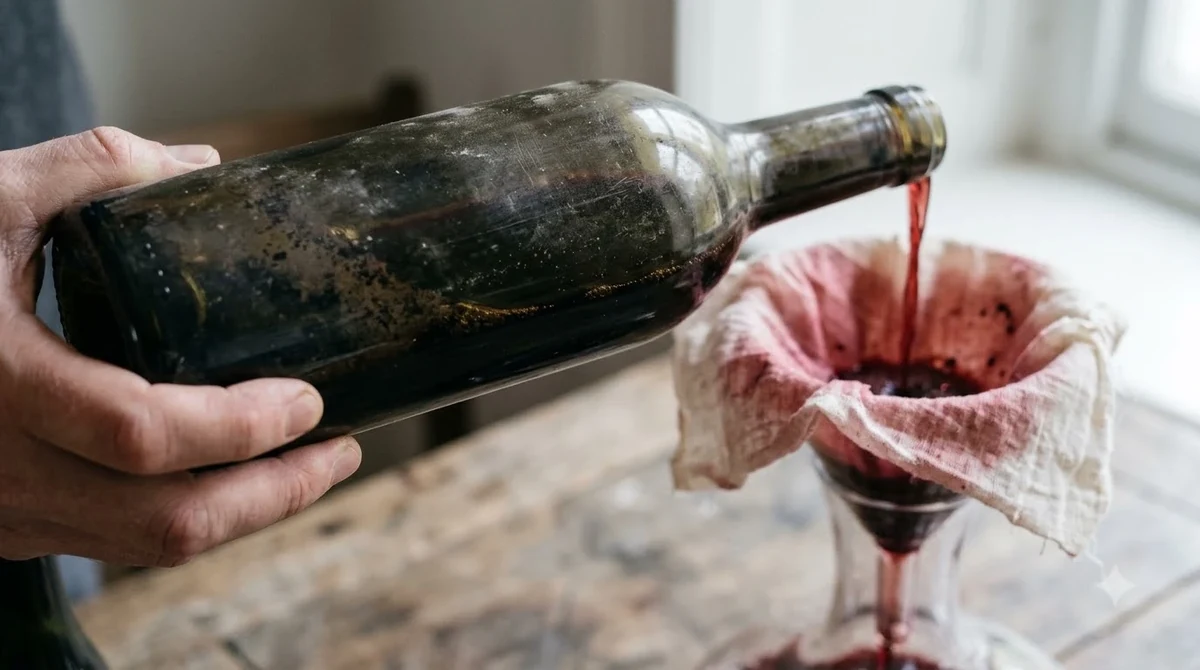
Alcohol can also change how sweetness feels. Fortified wines have spirit added to them, which raises the alcohol and can make the sweetness seem warmer. Lighter sweet wines have lower alcohol and feel fresher. Both styles can be described as sweet, but they behave differently at the table.
The main ways dessert wines are made
Dessert wines come from a few clear production methods, and each one leaves its own mark on flavor. Knowing the method helps you predict how a bottle will taste before you open it.
| Method | How the sweetness forms | Common examples |
|---|---|---|
| Late harvest | Grapes stay on the vine longer, so sugar concentrates | Late-harvest Riesling, late-harvest Gewürztraminer |
| Noble rot (botrytis) | A fungus shrivels the grapes and concentrates sugar and aroma | Sauternes, some Tokaji |
| Icewine | Grapes freeze on the vine and are pressed while frozen | Canadian icewine, German Eiswein |
| Fortified | Spirit is added to stop fermentation while sugar remains | Port, sweet sherry styles |
| Stopped fermentation | The winemaker halts the yeast early, leaving sugar in the wine | Many sweet Moscato styles |
Tip: The method usually tells you more about the taste than the grape does. A late-harvest Riesling and a noble-rot Sauternes can both be sweet, but one tastes bright and floral while the other is honeyed and nutty.
Sauternes and the role of noble rot
Sauternes is one of the best-known dessert wines, and it shows how noble rot works. According to the producer’s site for the Sauternes and Barsac appellations, the wines come from a microclimate where the Garonne and Ciron rivers meet. Autumn mists followed by sunny days encourage the fungus Botrytis cinerea to settle on very ripe grapes.
The harvest is slow because the rot does not develop evenly across a vineyard. The producer’s page describes sorting the grapes three to five times, with pickers keeping only the most affected berries at each pass. That labor is a big reason the wines are expensive, and it is also why they taste so concentrated.
The producer’s wine pages for Sauternes and Barsac list Sémillon as the main variety, with Sauvignon Blanc second and a small share of Muscadelle. Young Sauternes tends to show brighter fruit, while older bottles develop candied and dried-fruit notes. The producer does not publish a sweetness scale, so judge the style by the producer and the vintage.
Port and other fortified dessert wines
Port is a fortified wine from the Douro region in Portugal. The regional body describes the Douro as the oldest demarcated and regulated wine region in the world, and that long history of regulation is one reason Port styles are clearly defined. Many Port wines are sweet, with rich dried-fruit and chocolate notes.
Fortification works by adding spirit during fermentation, which stops the yeast and leaves sugar in the wine. The result is a sweet wine with higher alcohol than most table wines. Because it is strong, Port is usually poured in small glasses and served after the meal rather than with the main course.
Other fortified dessert wines include sweet sherry styles such as Pedro Ximénez. These can be almost syrupy and pair well with vanilla desserts or aged cheese. If you want to compare a sweet fortified wine with a drier style, our guide to dry sherry explains how the two families differ.
Sweet sparkling and lightly sweet table wines
Not every dessert wine is rich and heavy. Sparkling wines can carry sweetness too, and the terms on the label show how much. Labels such as Doux and Demi-Sec mark the sweetest sparkling styles, and they often suit fruit desserts or a light dessert course. For a sparkling option that is sweet but still fresh, see our guide to sweet champagne.
Many lightly sweet still wines also appear on dinner tables. A late-harvest white can be a good bridge between a meal and dessert, while a sweet red can be an easy choice for guests who prefer fruit-forward flavors. For guidance on those styles, see our sweet white wine and sweet red wine pages.
The difference between a lightly sweet table wine and a true dessert wine is mostly intensity. A lightly sweet wine can be sipped with dinner, while a true dessert wine is usually best with a small pour and a rich dish or on its own.

How to serve dessert wine
Serve dessert wines in small glasses. Their concentrated flavors and higher sugar make a large pour feel heavy, while a small glass lets you taste the wine properly. A pour of about the size of a sherry glass is usually enough, and a half-bottle is a practical size for a small dinner.
Temperature matters. Most sweet white dessert wines are best slightly chilled rather than ice cold, because very cold temperatures mute aromas and make sweetness feel flat. Port is usually served at cellar temperature or lightly chilled, depending on the style. The producer’s notes for each bottle are the most reliable guide.
Once opened, sweet wines last longer than dry whites in many cases, because the sugar and alcohol help preserve them. Keep the bottle sealed and in a cool place. Fortified styles like Port can keep for weeks once opened, while lighter sweet wines are best finished within a few days.
Food pairing for dessert wines
The rule of thumb is that a dessert wine should be sweeter than the dish it accompanies. A wine that tastes drier than the dessert will seem sour and thin. Pair fruit tarts and apple desserts with a late-harvest wine, and match rich chocolate with a fortified style such as Port.
Savory pairings work well too. Blue cheese and aged hard cheese suit a sweet fortified wine, and a sweet white can balance salty dishes. The producer’s own pairing suggestions for Sauternes include apple pie and clams, which shows how a sweet wine can work both with dessert and with a contrasting savory dish.
For a lighter finish after a meal, sparkling dessert wines pair with fruit salads and shortcake, while fortified wines work best with nuts and dark chocolate. If you are building a dinner menu, decide whether the wine is a course of its own or the finish to the evening, then choose the style to match.
How to choose a sweet dessert wine
Start with the occasion. For a dinner party with a fruit dessert, a late-harvest white or a sweet sparkling wine is easy to share. For a cheese course or a chocolate dessert, a fortified wine gives more depth. For a special gift or a celebration, a noble-rot wine from a known producer is a safe bet.
Next, check the alcohol and style. Lighter sweet wines are good for lunch or sipping, while fortified and noble-rot wines are better for slow evenings. The label should tell you the producer, vintage and region, and those details help you predict whether the bottle will be bright or rich.
Finally, taste a small glass before serving to guests. Dessert wine is very much a matter of taste, and a bottle that seems perfect on paper can feel too sweet in the glass. Keep a few options open, so guests can choose a lighter or richer style.
Frequently Asked Questions
What makes a wine sweet?
A wine tastes sweet when it keeps residual sugar after fermentation. Producers can leave sugar in the wine by harvesting late, using noble rot, freezing the grapes, adding spirit or stopping fermentation early.
What is the best dessert wine for beginners?
A lightly sweet sparkling wine or a late-harvest white is usually easiest to enjoy. Both have bright acidity that keeps the sweetness balanced, so the wine does not feel heavy.
Is Port a dessert wine?
Many Port wines are sweet and are often served after dinner. Port is fortified, so it has more alcohol than most table wines, and it is usually poured in small glasses.
How much dessert wine should I pour?
Pour small amounts, about the size of a sherry glass for a rich dessert wine. The concentrated sweetness is easier to enjoy in a smaller pour, and a half-bottle works well for a small group.
Sweet dessert wine rewards curiosity. Start with a style that matches the dessert you plan to serve, taste it in a small glass, and adjust from there. Once you understand how sweetness is made, the labels become much easier to read and the choice feels far less risky.
More in Wine Buying Guides
 Riesling Gift: Choose a Bottle They’ll LoveUpdated Nov 21, 2026
 Sweet Red Wine Gift: Choose a Bottle They’ll LoveUpdated Nov 21, 2026
 Malbec Gift: How to Choose a Memorable Bottle for Any OccasionUpdated Nov 21, 2026
 Sherry Gift Ideas That Match Every Wine LoverUpdated Nov 21, 2026
 Moscato Gift: How to Choose a Sweet Wine They’ll LoveUpdated Nov 21, 2026
 Merlot Gift: How to Choose a Bottle They’ll AppreciateUpdated Nov 21, 2026