

We may earn a commission when you buy through links on this page, at no extra cost to you. Learn more.
Chateau Ste Michelle wine is the main label of a Washington state winery in Woodinville, founded in 1954 and often described as the oldest winery in the state. Its range covers Riesling, Chardonnay, Merlot and Cabernet Sauvignon, and most of the fruit comes from Washington vineyards. For most shoppers it is an easy, widely available way to learn what Pacific Northwest wine tastes like.
Chateau Ste Michelle is one of the names American shoppers see most often in a grocery store wine aisle. The brand sits between mass-market bottles and small craft producers, which makes it a useful starting point if you want to understand Washington wine without a steep learning curve. This guide explains where the winery came from, what its main wines taste like, how to serve them, and which foods they suit.
Where the winery came from
The estate began in 1954 as the American Wine Company, formed by merging the National Wine Company, which dated to 1934, with the Pomerelle Wine Company. The Wikipedia entry on the winery calls it “the oldest winery in Washington state.” The company acquired a former lumber baron’s estate in Woodinville, a town about 20 miles east of Seattle, in 1976. That property, known as Hollywood Farm, was later added to the National Register of Historic Places, and the tasting room there is still one of the brand’s best-known stops.
Ownership has changed several times. Altria, the former Philip Morris parent company, owned the winery until 2021, when the Ste. Michelle Wine Estates business was sold to a private investment group. Through each change the company kept its focus on Washington fruit, and it moved its white wine production to eastern Washington with the 2022 harvest, closer to the vineyards that supply most of its grapes.
The core lineup and what each wine tastes like
Riesling is the style most people associate with the brand. Washington’s warm days and cool nights help the grapes keep bright acidity, so the wines usually show lime, green apple and white peach with a fresh finish. The range also includes drier and slightly sweeter bottlings, so the label or the producer’s tasting notes are worth checking before you buy if sweetness matters to you.
The Chardonnay is typically rounder, with baked apple, vanilla and toasted nut flavors from oak aging. On the red side, Merlot and Cabernet Sauvignon show plum, cherry and blackberry, with softer tannins than many wines from warmer regions. That makes them approachable for weeknight dinners, although a little more time in the glass or a short decant helps the fruit and oak settle into balance.
The winery also makes wines with partners outside Washington. Eroica Riesling, made with the German producer Ernst Loosen’s Mosel estate, is the best-known example. Tasting it next to a Washington Riesling is a practical way to see how climate and winemaking choices change the same grape. For a closer look at the house style, read our guide to chateau ste michelle riesling.
| Style | Common flavors | Good with |
|---|---|---|
| Riesling | Lime, green apple, white peach | Spicy Thai and Indian dishes, pork tacos |
| Chardonnay | Baked apple, vanilla, toasted nuts | Roast chicken, creamy pasta |
| Merlot | Plum, cherry, soft cocoa | Burgers, mushroom dishes |
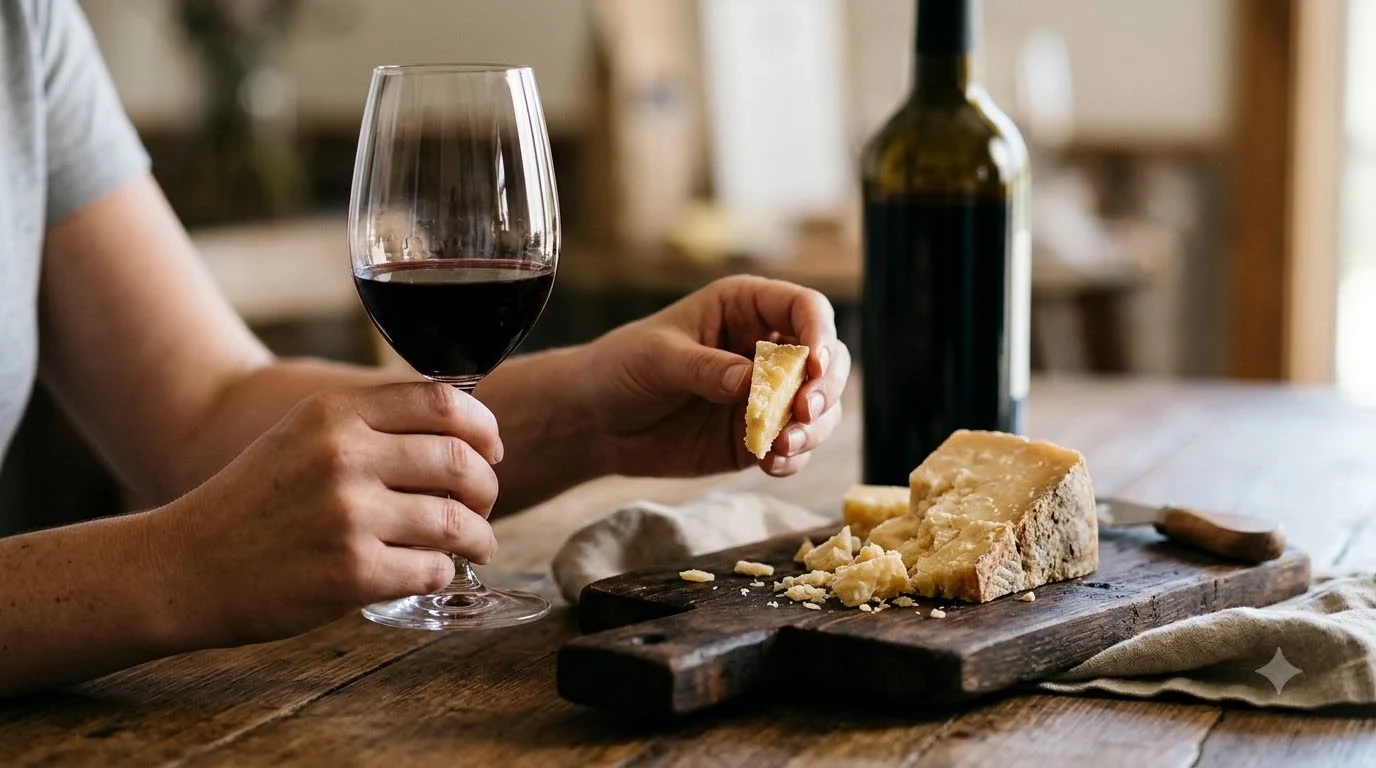
| Cabernet Sauvignon | Blackberry, cedar, dark chocolate | Grilled steak, aged cheddar |
How to serve Chateau Ste Michelle wine
Serving temperature matters more than most people expect. White wines, including Riesling and Chardonnay, show best when chilled but not icy, roughly 45 to 50 degrees Fahrenheit. Reds are usually better a little cooler than a warm room. Opening a red 30 minutes before pouring is often enough to let the aromas open up, and a wide-bowled glass lets the fruit come forward.
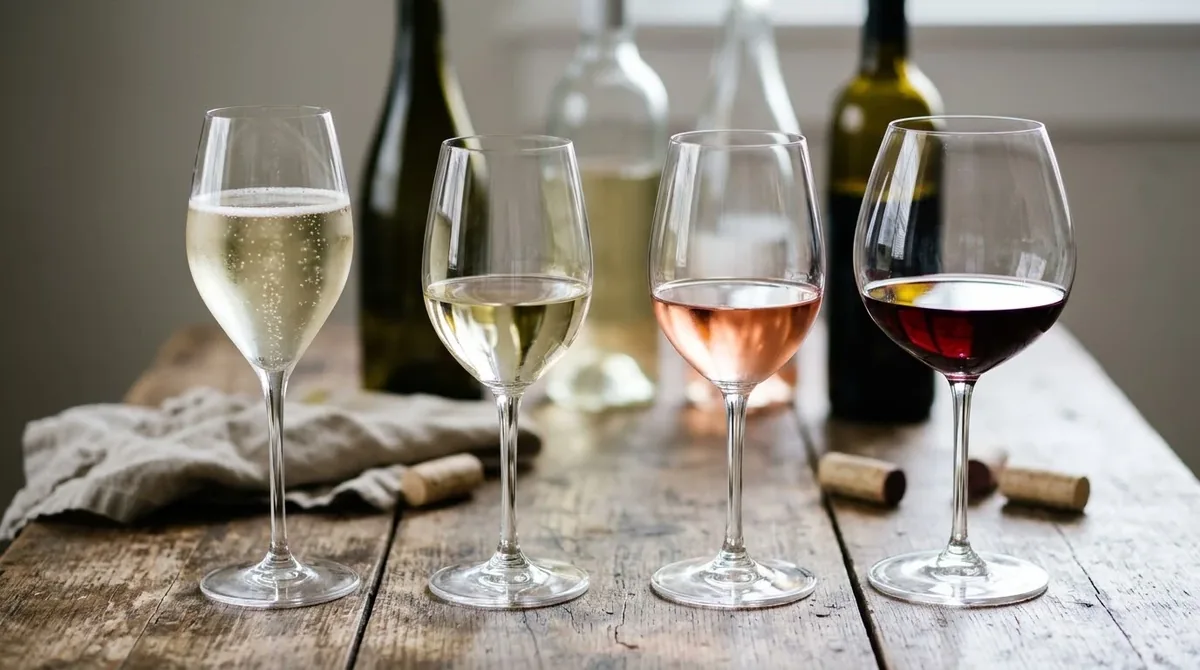
A standard white wine glass is enough for everyday drinking. If you are pouring several styles at one table, use a small amount of each so guests can compare them side by side, starting with the lightest wine and finishing with the richest red.
Leftover wine keeps best when it is sealed and stored cold. An opened white can go back in the refrigerator with a stopper, and reds should be kept in a cool, dark place rather than on a sunny counter.
Tip: Keep an opened Riesling in the refrigerator with a stopper in place. Its fresh fruit usually holds up for a few days longer than oaked Chardonnay, which tends to fade sooner.
Food pairings that work with this brand
The range makes pairing straightforward. Riesling handles salty, spicy or slightly sweet foods, so it works with takeout curry, shrimp, or a plate of grilled vegetables with lemon. Chardonnay suits roasted chicken, mild fish and creamy sauces that need a wine with some body. Merlot is an easy partner for everyday meat dishes and mushroom sides, while Cabernet Sauvignon pairs well with grilled beef and firm aged cheese.
When you are unsure, match the weight of the wine to the weight of the food. Light dishes call for lighter wines, and richer, fattier dishes can handle more tannin and oak. The wine brands section of this site groups similar producers so you can compare styles as you learn.
Choosing a bottle for a specific occasion
For a casual dinner with friends, a Chardonnay and a Merlot cover most tastes and keep the table simple. For a spicy meal or a party with mixed guests, Riesling is the safer choice because its acidity and fruit work with many different dishes. For a holiday roast or a steak night, the Cabernet Sauvignon gives the richest structure on the list.
If you are buying for a gift, look for the brand’s most recognizable label rather than a limited bottling. Retail shelves change often, so a quick check of the current vintage on the producer’s website or in the store helps avoid surprises.
Chateau Ste Michelle compared with other Chateau labels
The word “Chateau” appears on wines from many countries and states, and the names are easy to mix up. Chateau Ste Michelle is a Washington producer. It has no connection to the French estates that use the “château” name, such as the sweet-wine house Château d’Yquem in Bordeaux, which is a far older and more expensive label. If you see a similar name at a different price point, read the region on the back label before you buy.
Shoppers who want to compare another American Chateau brand can read about Chateau Grand Traverse wine, which comes from Michigan and has its own character and sweetness profile.
Frequently Asked Questions
Is Chateau Ste Michelle wine made in Washington state?
Yes. The winery is based in Woodinville, Washington, and most of its fruit comes from vineyards across the state. The brand’s identity is built around Washington wine.
What is the best Chateau Ste Michelle wine for beginners?
Many beginners start with the Riesling because its fruit and acidity are easy to follow. A Chardonnay or Merlot is a good next step if you want to compare richer styles.
Is Chateau Ste Michelle wine sweet?
It depends on the bottle. The Riesling range includes drier and slightly sweeter styles, while the Chardonnay, Merlot and Cabernet Sauvignon are usually dry. Check the label or the producer’s tasting notes for the sweetness level.
How long does an opened bottle last?
An opened white usually keeps for three to five days in the refrigerator. Reds generally last a few days after opening, and they taste best in the first day or two.
Chateau Ste Michelle wine is a practical choice for anyone who wants to understand Washington wine. Start with a Riesling, compare it with a Chardonnay, and move to a red if you like richer flavors. From there, the wine brands guide can help you explore similar producers.
More in Wine Brands
 Underwood Wine Price: Compare Bottles, Cans, and Pack SizesUpdated Nov 21, 2026
 Zenato Wine Price: Compare Styles and Choose the Right BottleUpdated Nov 21, 2026
 Zuccardi Wine Price: Compare Bottles and Find the Right RangeUpdated Nov 21, 2026
 Yellow Tail Moscato Review: Taste, Sweetness and Serving TipsUpdated Nov 21, 2026
 Wolf Blass Yellow Label Review: Choose Your Best StyleUpdated Nov 21, 2026
 Wolffer Estate Rose Review: Choose the Right Bottle for Your TableUpdated Nov 21, 2026