

We may earn a commission when you buy through links on this page, at no extra cost to you. Learn more.
Estancia Cabernet is a 100% Cabernet Sauvignon from Paso Robles, California, bottled at 13.5% ABV in a standard 750ml size. The wine comes from Estancia, a winery founded in 1986 with its home base in Monterey County. It is built for everyday drinking, with ripe dark fruit, soft tannins and a style that works with many red meat dishes.
This guide explains what the label means, where the grapes are grown, how the wine tastes and which foods suit it. It also compares Estancia with other affordable California Cabernets so you can decide whether it fits your shelf. The details come from the producer description and a retailer listing, so check your bottle for current information.
What Is Estancia Cabernet?
Estancia Cabernet is a varietal Cabernet Sauvignon, which means the bottle is made from that single grape. It sits in the approachable, everyday tier of California red wine. Shoppers usually reach for it when they want a dependable red without a special occasion budget in mind.
The key label details are the grape, the region and the alcohol level. The retailer product listing describes the wine as 100% Cabernet Sauvignon from Paso Robles on California’s Central Coast. It is bottled at 13.5% ABV in a standard 750ml format, which is the size most American shoppers recognize on store shelves.
Wine-Searcher’s aggregated critics scale gave the 2021 vintage 91 points as of Nov 2026, according to the listing. Scores change with each vintage, so look at the year printed on your bottle before you compare it with a review. The vintage is often the detail that changes the style most from year to year.
Estancia Winery Background
Estancia was founded in 1986 and is rooted in Monterey County. Its Cabernet, however, is sourced from a different appellation. Winery location and fruit source are not always the same, and that is common across California.
The producer describes its approach as boutique-scale. Its listed techniques include whole-cluster fermentation in open-top fermenters, gentle punch downs and basket pressing instead of high-pressure mechanical presses. A gravity-flow system moves wine through the cellar to limit harsh extraction. The producer also says individual tanks are matched to vineyard blocks, which helps preserve site character before blending.
If you want to see how a larger Estancia lineup fits together, read the Estancia wine guide for the brand as a whole. That page helps you place this Cabernet next to the winery’s other bottles and understand its role in the range.
Where Is Estancia Cabernet Grown?
The grapes come from Paso Robles, a region on California’s Central Coast. The producer description calls the area prized for rich, full-bodied reds. The listing’s FAQ adds that warm days and cool, marine-influenced nights help concentrate the fruit. You do not need to memorize sub-regions to enjoy the wine, but knowing the origin helps you predict the style.
Cabernet Sauvignon is planted across many parts of California, and producers in other regions list it among their varietals. For example, Le Casque Winery in Placer County, within the Sierra Foothills AVA, lists Cabernet Sauvignon among the grapes it works with. That shows how widely the grape is grown across the state.
Climate changes how the same grape tastes. A Cabernet from a warmer area often shows riper fruit and a fuller feel than one from a cooler coastal zone. Use the origin line on the label as your first clue, then compare the flavor notes you find on the back label or in a shop description.
Flavor Profile and Winemaking Style
Estancia Cabernet leads with dark cherry and blackcurrant, with chocolate and soft oak behind them. The producer describes its tannins as soft and velvety rather than drying. Most drinkers will notice the fruit first and the structure second.
| Aspect | What to expect |
|---|---|
| Aroma | Dark cherry, ripe currant, bittersweet chocolate and toasted vanilla oak |
| Spice | Black pepper and a light touch of cinnamon |
| Palate | Jammy cherry, dense blackcurrant, mocha and a trace of eucalyptus |
| Herbal note | Dried oregano and bay leaf that appear as the wine opens |
| Tannins | Soft and velvety, with grip but little harshness |
| Finish | Long and supple, with dark fruit and chocolate that fade cleanly |
The winemaking explains much of that softness. Whole-cluster fermentation, gentle punch downs and basket pressing all aim to extract tannin gently. The gravity-flow system is meant to keep wine handling smooth. Together these choices favor polished fruit over rough, dry edges.
Because the wine is approachable, it can taste fruit-forward to people who usually prefer leaner reds. Oak plays a supporting role rather than dominating the glass. If you like a firm, grippy Cabernet with a long oak-driven finish, you may find this bottle lighter in structure than you expect.
Food Pairings for Estancia Cabernet
Estancia Cabernet works best with rich, savory food that can match its dark fruit and soft tannins. Grilled meats are the most natural match. The producer suggests grilled ribeye, where the wine’s fruit density and tannins mirror the char and fat.
Braised short ribs are another strong option, since slow-cooked richness brings out the mocha and currant notes in the wine. Lamb chops and mushroom risotto also appear in the listing’s suggestions, and the earthy tones of mushrooms complement the wine’s savory side. Aged cheddar or Gouda can echo the toasty depth of the oak.
Dark chocolate desserts are a playful choice. The shared chocolate and cherry notes create a bridge between the wine and the dessert. Keep the sweetness of the dish moderate, though, so the wine still tastes balanced. For casual meals, the wine also suits a backyard barbecue or a weeknight dinner without much fuss.
How It Compares With Other Affordable Cabernets
Estancia sits alongside many widely sold California Cabernets. The most useful comparisons focus on style and handling rather than a simple ranking. Pick the bottle whose profile matches the food and mood you have in mind.
The listing compares Estancia with J. Lohr Seven Oaks Cabernet Sauvignon, another Paso Robles bottling in a similar price range. According to that comparison, Estancia tends toward softer tannins and darker chocolate notes, while the J. Lohr wine shows more overt oak and a firmer tannic backbone. Those notes come from the producer side, so taste both if you can.
If you are comparing brands on the same shelf, the Gnarly Head Cabernet guide and the 14 Hands Hot to Trot wine page can help you weigh style and serving notes side by side. Use the table below to check what each label tells you.
| Label detail | What it tells you |
|---|---|
| Grape variety | Shows whether the bottle is a single varietal or a blend |
| Appellation | Hints at climate, ripeness and typical fruit style |
| ABV | Indicates alcohol level, which affects body and warmth |
| Vintage | Explains year-to-year differences and any critic scores |
| Bottle size | Helps you plan for a dinner or a few glasses at home |
Tip: Compare two bottles with the same grape and region first. Then the differences you taste will reflect the producer’s style rather than the origin.
Serving and Storage Tips
Serve Estancia Cabernet at the temperature the producer recommends, which is 60 to 65 degrees Fahrenheit. That range is slightly cooler than many people expect for red wine. It keeps the fruit lively and the tannins smooth.
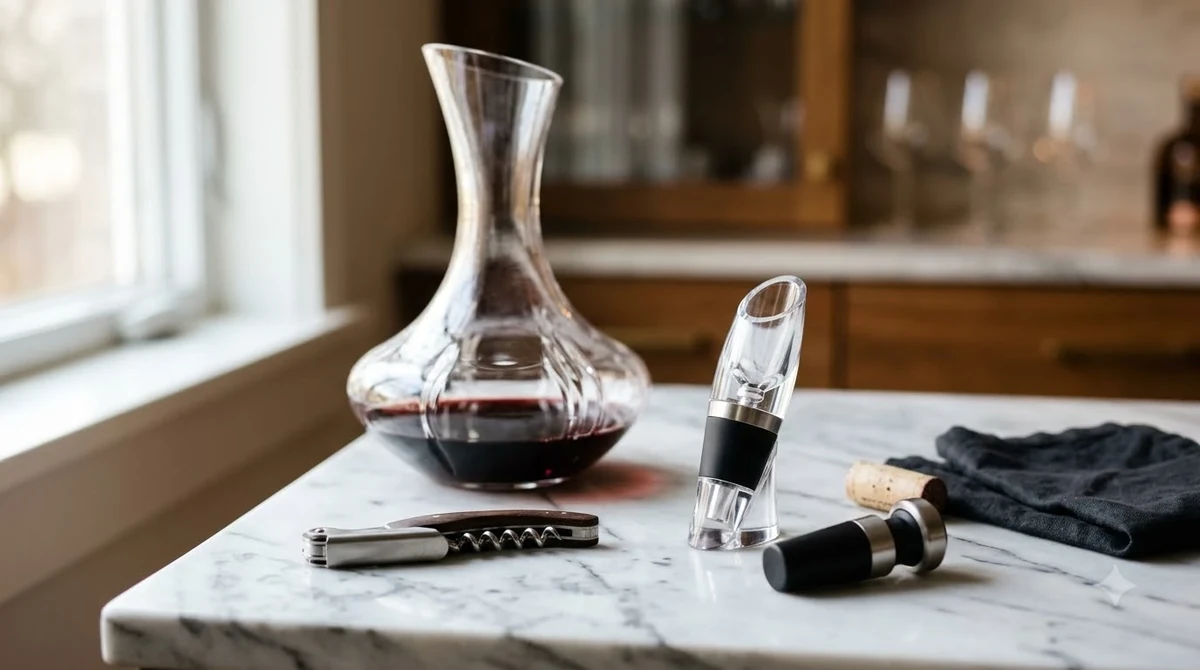
Give the wine 15 to 20 minutes in the glass before you judge it. The producer says the aromatics develop fully as the wine opens. If you open a bottle young, decanting can help it show more of its character. You do not need special equipment for this, since pouring into a pitcher works too.
Store unopened bottles in a cool, dark place away from heat sources, and keep them lying down if they have a cork. Avoid hot cars and kitchens near the stove. Once opened, re-cork the bottle and keep it cool, then enjoy it within a few days for the best fruit. Drink responsibly, and pace your glasses with food and water. For more context on the brand category, visit the Wine Brands section.
Frequently Asked Questions
What does Estancia Cabernet taste like?
It leads with ripe dark cherry, blackcurrant and chocolate. Soft, velvety tannins and a long, supple finish keep it smooth. Subtle spice and toasted oak add background without overwhelming the fruit.
Where is Estancia Cabernet made?
The Cabernet Sauvignon is sourced from the Paso Robles appellation on California’s Central Coast. The winery itself is founded in 1986 with its home base in Monterey County. Check the origin line on the bottle for the exact appellation.
What foods go well with Estancia Cabernet?
Grilled ribeye, braised short ribs and lamb chops match its dark-fruit richness. Aged cheddar or Gouda and mushroom risotto also work well. Dark chocolate desserts can echo the cherry and mocha notes in the wine.
How should I serve Estancia Cabernet?
The producer recommends serving it at 60 to 65 degrees Fahrenheit. Let it sit for 15 to 20 minutes in the glass to open up. Decanting can help if the bottle is young.
Estancia Cabernet is a practical choice for everyday California red, with clear fruit and soft tannins. Read the label for grape, origin and vintage, then match the wine to simple grilled or braised dishes. Compare it with similar bottles on your shelf to find the style you enjoy most.
More in Wine Brands
 Underwood Wine Price: Compare Bottles, Cans, and Pack SizesUpdated Nov 21, 2026
 Zenato Wine Price: Compare Styles and Choose the Right BottleUpdated Nov 21, 2026
 Zuccardi Wine Price: Compare Bottles and Find the Right RangeUpdated Nov 21, 2026
 Yellow Tail Moscato Review: Taste, Sweetness and Serving TipsUpdated Nov 21, 2026
 Wolf Blass Yellow Label Review: Choose Your Best StyleUpdated Nov 21, 2026
 Wolffer Estate Rose Review: Choose the Right Bottle for Your TableUpdated Nov 21, 2026