

We may earn a commission when you buy through links on this page, at no extra cost to you. Learn more.
Dusted Valley wine refers to the portfolio of Washington State red, white, and sparkling wines crafted by Dusted Valley Vintners in the Walla Walla Valley. Founded in 2003 by Wisconsin brothers-in-law Chad Johnson and Corey Braunel alongside their spouses, the family-owned winery produces both small-lot estate bottlings and a widely distributed companion label called Boomtown. Their wines are known for bold Columbia Valley and Walla Walla Valley fruit balanced by bright natural acidity and screw-cap closures across much of the lineup.
While Washington State is home to hundreds of wineries, Dusted Valley stands out for pairing serious vineyard farming with an approachable, unpretentious personality. Whether you come across a bottle of their Stained Tooth Syrah on a steakhouse wine list or spot a Boomtown Merlot at a neighborhood grocery store, understanding how the two tiers differ will help you pick the right bottle for dinner.
Who Makes Dusted Valley Wine
Dusted Valley Vintners was founded in 2003 when brothers-in-law Chad Johnson and Corey Braunel relocated their families from Wisconsin to Walla Walla, Washington, becoming the 52nd winery to join the Walla Walla Valley Wine Alliance. Together with their wives, Janet Johnson and Cindy Braunel, they built the operation around sustainable farming and family storytelling.
Before moving west, the founders built careers outside the wine trade—Johnson worked in quality control and research and development in the food sector before moving into pharmaceutical sales, while Cindy Braunel brought a medical administration background to managing operations and the winery’s Stained Tooth Society wine club. That practical, detail-driven approach carried directly into their cellar work and vineyard management in southeastern Washington.
Over more than two decades, the winery expanded beyond its home base on Old Milton Highway in Walla Walla to open tasting rooms in Woodinville and downtown Edmonds, bringing Walla Walla wines closer to Seattle-area drinkers. Unlike many ultra-traditional producers, Dusted Valley also became an early Washington advocate for quality screw-cap closures, encouraging drinkers to “crack that cap” rather than worry about cork taint.
If you enjoy exploring independent American producers with distinct regional identities, you can compare how Dusted Valley operates alongside other wine brands that balance estate craftsmanship with accessible everyday bottles.
The Lineup: Dusted Valley vs. Boomtown
Dusted Valley divides its production into two distinct tiers: the flagship Dusted Valley label focused on small-lot, vineyard-driven bottlings, and Boomtown by Dusted Valley, a larger-production line created for restaurants and retail shelves nationwide.
| Tier | Primary Appellations | Key Bottlings | Typical ABV Range | Production Style |
|---|---|---|---|---|
| Dusted Valley (Flagship) | Walla Walla Valley, Columbia Valley, Wahluke Slope | V.R. Special Cabernet Sauvignon, Tall Tales Syrah, Stained Tooth Syrah, Squirrel Tooth Alice, Wallywood, BFM | 14.5% – 14.7% | Small-lot, single-vineyard and estate-focused, aged in French and Wisconsin oak |
| Boomtown by Dusted Valley | Columbia Valley, Washington State | Cabernet Sauvignon, Merlot, Syrah, Red Blend, Chardonnay, Pinot Gris, Sauvignon Blanc | 13.9% – 14.1% | Fruit-forward, approachable everyday wines produced at roughly 20,000 cases annually |
The flagship Dusted Valley portfolio highlights specific vineyard sites across Washington and the Oregon side of the Walla Walla Valley, including Stoney Vine Vineyard, Southwind Estate Vineyard, Stone Tree Vineyard on the Wahluke Slope, and Dionysus Vineyard. Many flagship labels honor family members and frontier lore—V.R. Special Cabernet Sauvignon is named after Chad Johnson’s grandfather Vernon Rhodes, Tall Tales Syrah pays tribute to Corey Braunel’s grandfather Fred, and Squirrel Tooth Alice is a Rhône-style blend named after a colorful Old West figure.
Boomtown by Dusted Valley serves as the winery’s accessible ambassador, drawing fruit from respected Columbia Valley sites—including 10 to 15 percent estate fruit in bottlings like the Boomtown Merlot—to deliver dependable varietal character at around 20,000 cases per year. Wine reviewers at Washington Wine Report have highlighted Boomtown bottlings such as the Pinot Gris alongside flagship releases like Stained Tooth Syrah for delivering strong regional value.
Taste Profile and Winemaking Style
Dusted Valley wines showcase the hallmark traits of Washington’s arid Columbia Basin: concentrated dark and red fruit flavors supported by crisp natural acidity and structured, savory tannins.
Because eastern Washington sits in the rain shadow of the Cascade Mountains, vineyards enjoy long, sunny summer days paired with sharp nighttime temperature drops. According to the winery’s technical notes on vineyards like Stone Tree on the Wahluke Slope, rapid evening cooling helps grapes retain natural acidity even as they reach full ripeness. In the glass, flagship reds like Stained Tooth Syrah and Tall Tales Syrah frequently layer blackberry, blueberry, and dark plum over savory notes of smoked meat, cracked black pepper, dried herbs, and orange peel.
Winemaking choices reinforce that balance between richness and structure. Flagship reds typically undergo extended maceration—ranging from two to four weeks depending on the vintage—followed by aging on fine lees. Rather than drowning fruit in heavy new oak, the cellar team relies heavily on neutral French oak puncheons for Rhône varieties like Squirrel Tooth Alice and a measured proportion of new French or tight-grained Wisconsin oak barrels for Cabernet Sauvignon and Syrah.
If you already enjoy approachable Washington blends like 14 Hands Hot to Trot wine, stepping up to Boomtown or Dusted Valley offers a noticeable jump in savory complexity, firmer tannin grip, and site-specific character.
How to Serve and Pair Dusted Valley Wine
Serving Dusted Valley red wines slightly below room temperature and giving fuller-bodied bottlings time to breathe unlocks their aromatic detail and softens youthful tannins.
Aim to serve Dusted Valley Cabernet Sauvignon, Syrah, and Rhône blends between 60 and 65 degrees Fahrenheit—roughly 15 to 20 minutes in the refrigerator before pouring if your kitchen is warm. Boomtown white wines, including Chardonnay, Pinot Gris, and Sauvignon Blanc, show best well chilled between 45 and 50 degrees Fahrenheit so their citrus and stone-fruit acidity stays crisp. For flagship releases like V.R. Special Cabernet Sauvignon or Stained Tooth Syrah, reviewers frequently advise decanting young bottles for 30 to 60 minutes so tight tannins relax and secondary notes of tobacco leaf, cocoa, and garrigue emerge.
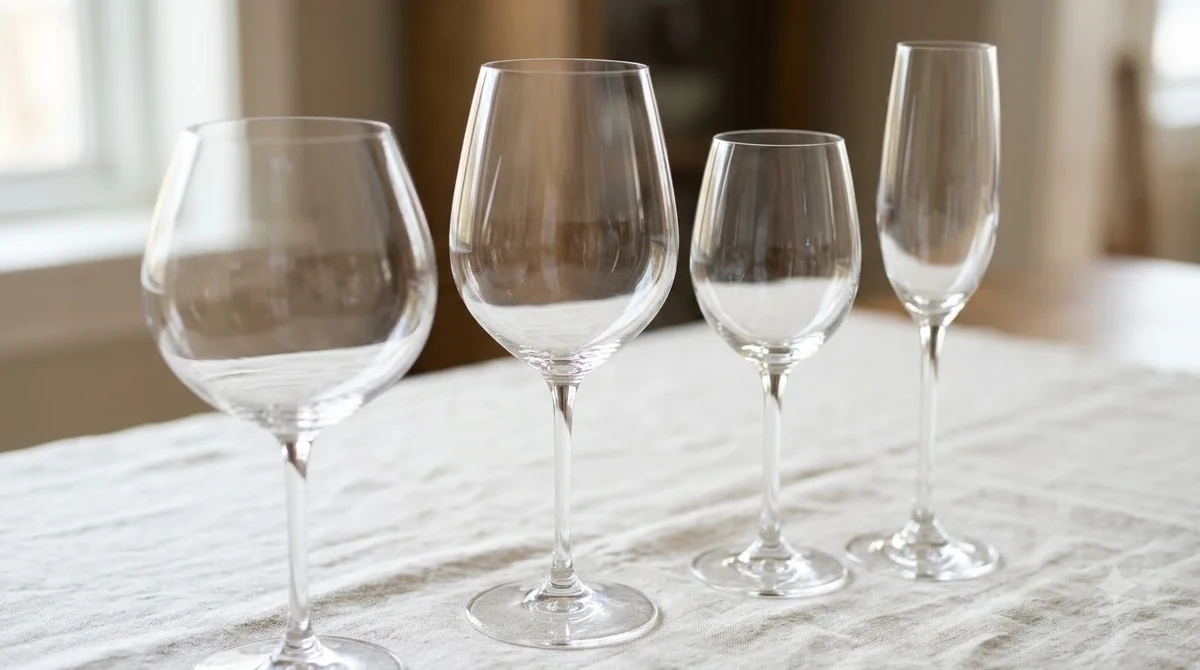
Tip: Even though many Dusted Valley and Boomtown bottles are sealed with screw caps, young flagship reds still benefit from pouring into a decanter or wide-bowled Bordeaux glass an hour before dinner.
At the dinner table, Dusted Valley’s recipe pairings lean into hearty, savory comfort food and grilled meats. The winery suggests pairing Stained Tooth Syrah with grilled salmon over red wine lentils, Tall Tales Syrah with seared lamb lollipops, and V.R. Special Cabernet Sauvignon with braised lamb shanks and white beans—or even baked macaroni and cheese. Rhône-inspired blends like Squirrel Tooth Alice and Wallywood match effortlessly with grilled sausage sandwiches, roasted pork tenderloin, and wild mushroom dishes.
Who Dusted Valley Wine Suits Best
Dusted Valley wine appeals most to drinkers who appreciate bold Pacific Northwest fruit without the heavy, jammy sweetness found in some warmer-climate bottlings.
Flagship Dusted Valley bottles are an ideal match for wine enthusiasts who love Rhône and Bordeaux varietals—especially Syrah, Mourvèdre, Grenache, and Cabernet Sauvignon—crafted with savory complexity and cellar aging potential. Collectors who follow Dusted Valley Vintners appreciate the transparency of their technical sheets, single-vineyard sourcing, and consistent critical acclaim across vintages.
Meanwhile, the Boomtown lineup suits casual weeknight cooks, restaurant diners, and hosts looking for reliable, crowd-pleasing Washington wines that pair easily with burgers, barbecue, and roast chicken. Conversely, if you prefer ultra-light, delicate low-alcohol reds, sweet wines, or alcohol-free options such as Ariel wine or crisp low-intervention whites like Avaline white wine, Dusted Valley’s 14.5% ABV flagship reds will feel substantially richer and more structured on the palate.
Frequently Asked Questions
Where is Dusted Valley wine made?
Dusted Valley wine is produced in Walla Walla, Washington, using grapes grown across the Walla Walla Valley and broader Columbia Valley appellations. The winery farms estate vineyards on both the Washington and Oregon sides of the Walla Walla Valley while also sourcing fruit from acclaimed sites such as Stone Tree and Dionysus.
What is the difference between Dusted Valley and Boomtown wine?
Dusted Valley is the flagship tier featuring small-lot, vineyard-designated wines aged in French and Wisconsin oak, often bottled in quantities of a few hundred cases. Boomtown by Dusted Valley is the winery’s wider-distribution companion label, producing around 20,000 cases annually of approachable Columbia Valley varietals for restaurants and retail stores.
What grape varieties is Dusted Valley best known for?
The winery is best known for red Rhône and Bordeaux varieties, particularly Syrah, Cabernet Sauvignon, Merlot, Mourvèdre, and Grenache. Signature bottlings include Stained Tooth Syrah, Tall Tales Syrah, V.R. Special Cabernet Sauvignon, and the Grenache- and Mourvèdre-driven blend Squirrel Tooth Alice.
Does Dusted Valley use corks or screw caps?
Dusted Valley uses high-quality screw-cap closures across much of its portfolio, including both Boomtown releases and flagship wines. The founders adopted screw caps early in the winery’s history to prevent cork taint and preserve fresh fruit aromatics.
Whether you start with an everyday bottle of Boomtown Syrah or seek out a cellar-worthy single-vineyard release from Walla Walla, Dusted Valley offers a distinct taste of Washington winemaking. Pay attention to the vineyard designation and appellation on the label to match the wine’s weight and tannin structure to your meal.
More in Wine Brands
 Underwood Wine Price: Compare Bottles, Cans, and Pack SizesUpdated Nov 21, 2026
 Zenato Wine Price: Compare Styles and Choose the Right BottleUpdated Nov 21, 2026
 Zuccardi Wine Price: Compare Bottles and Find the Right RangeUpdated Nov 21, 2026
 Yellow Tail Moscato Review: Taste, Sweetness and Serving TipsUpdated Nov 21, 2026
 Wolf Blass Yellow Label Review: Choose Your Best StyleUpdated Nov 21, 2026
 Wolffer Estate Rose Review: Choose the Right Bottle for Your TableUpdated Nov 21, 2026