

We may earn a commission when you buy through links on this page, at no extra cost to you. Learn more.
When comparing albarino vs chenin blanc, the main difference comes down to coastal salinity versus stylistic range: Albariño delivers crisp, dry, briny citrus and stone fruit, while Chenin Blanc spans everything from bone-dry mineral whites to sparkling and honeyed sweet wines. Both varieties share mouthwatering high acidity and zero tannin, making them vibrant alternatives to Pinot Grigio and Chardonnay. Albariño hails primarily from northwestern Spain and northern Portugal, whereas Chenin Blanc anchors France’s Loire Valley and South Africa.
Choosing between these two white grapes depends on whether you want laser-focused coastal refreshment or a wine that can shift from lean and chalky to plush and oak-aged. Understanding how each grape grows, tastes, and behaves at the table makes picking the right bottle effortless.
What Is the Difference Between Albariño and Chenin Blanc?
Albariño is an aromatic, thick-skinned white grape native to the Atlantic coast of the Iberian Peninsula, celebrated for its zesty acidity and subtle sea-spray salinity. Chenin Blanc is a famously adaptable white variety from France’s Loire Valley that produces dry, off-dry, sparkling, and dessert wines with signature orchard-fruit and honeyed notes.
According to Wine Folly’s Albariño guide, the grape is known as Alvarinho in Portugal and thrives in cool, breezy maritime climates where thick skins help resist mildew and rot. Its high natural acidity keeps the palate brisk, while a slightly weighty mid-palate gives it more texture than basic Pinot Grigio. Most bottles are fermented in stainless steel to preserve pure citrus and stone-fruit aromatics, though a growing number of winemakers experiment with lees aging for added roundness.
Chenin Blanc, historically called Pineau de la Loire in France and Steen in South Africa, earns its reputation as a winemaking chameleon. Because individual grape clusters ripen unevenly on the vine, growers can harvest early for razor-sharp dry whites and sparkling wines, or pick later to capture richer sugars and noble rot. If you enjoy exploring how Chenin Blanc stacks up against other classic whites, our comparisons of chenin blanc vs pinot grigio and chablis vs chenin blanc highlight just how wide its stylistic footprint reaches.
| Feature | Albariño | Chenin Blanc |
|---|---|---|
| Primary Origins | Rías Baixas (Spain), Vinho Verde (Portugal) | Loire Valley (France), South Africa |
| Core Flavor Profile | Lemon zest, grapefruit, nectarine, honeydew, saline | Quince, yellow apple, pear, chamomile, honey |
| Sweetness Range | Almost always dry | Bone-dry to off-dry, sparkling, and lusciously sweet |
| Body & Texture | Light-to-medium body with a brisk, slightly pithy finish | Medium-light to full-bodied; crisp or creamy if oaked |
| Typical ABV | 11.5% to 13% | 12% to 14.5% |
| Ideal Serving Temp | 45°F to 50°F (7°C to 10°C) | 45°F to 50°F (dry); 40°F to 45°F (sparkling) |
| Aging Window | 1 to 5 years (best young and fresh) | 2 to 10+ years (sweet and top dry styles age decades) |
Flavor and Styles: How Do They Taste?
Albariño leans heavily into bright citrus, stone fruit, and an unmistakable salty, mineral edge that feels tailor-made for warm weather. Chenin Blanc centers on quince, yellow apple, and floral chamomile tones, shifting dramatically depending on whether it sees oak barrels, residual sugar, or sparkling bubbles.
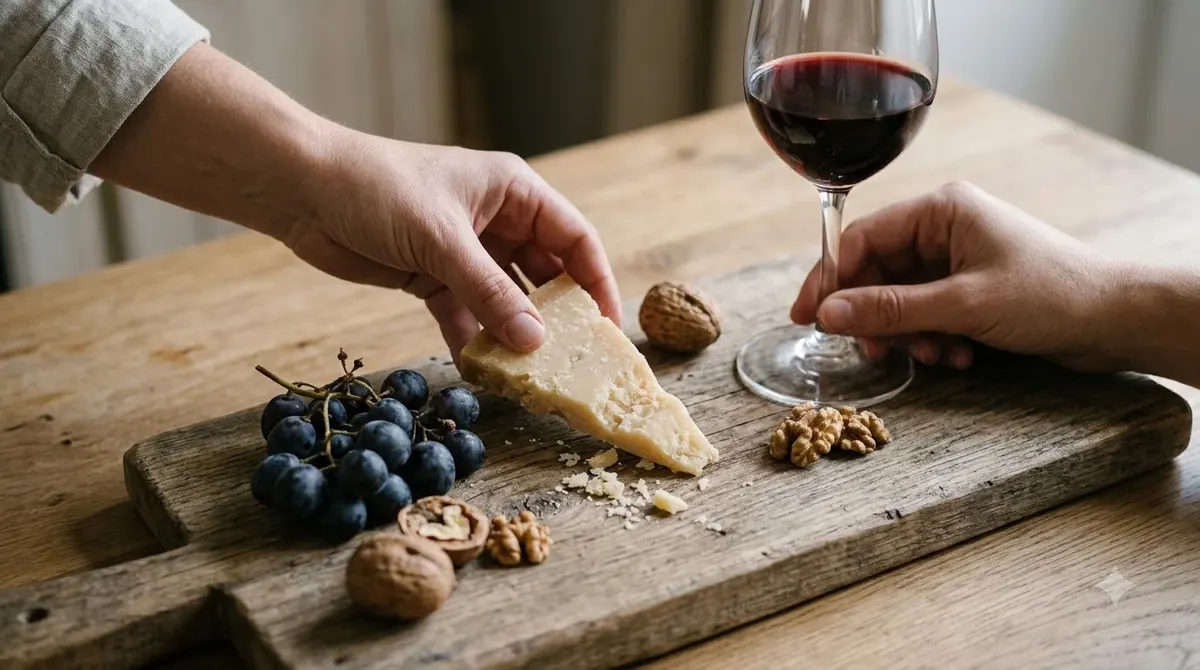
On the nose, a classic Albariño bursts with lemon zest, pink grapefruit, white peach, and honeydew melon, backed by white blossoms. On the palate, mouthwatering acidity carries those ripe stone fruits across a surprisingly textured mid-palate before finishing with crisp salinity and a faint, pleasant bitterness reminiscent of grapefruit pith or green almond. While most bottles remain unoaked and bone-dry, lees-aged expressions add subtle creaminess without dulling that Atlantic snap.
Chenin Blanc offers far more stylistic variation from bottle to bottle. As detailed in Wine Folly’s comprehensive Chenin Blanc overview, unoaked dry examples deliver tart green and yellow apple, pear skin, and wet chalk minerality. When fermented or aged in oak—a common practice in South Africa and parts of the Loire—Chenin develops rich notes of baked apple, lemon curd, brioche, and lanolin that rival white Burgundy. Off-dry and sweet versions amplify honey, ginger, marmalade, and dried apricot flavors, balanced by the grape’s naturally high tartaric and malic acids.
Where Does Each Grape Grow Best?
Albariño dominates northwestern Spain’s rainy, granite-soiled Rías Baixas region and northern Portugal’s Vinho Verde, with smaller plantings in California and Uruguay. Chenin Blanc has its ancestral home in France’s Loire Valley, though South Africa now holds more than half of the world’s total vineyard acreage.
In Spain’s Galicia region, Rías Baixas spans roughly 13,326 acres divided into five sub-zones, including the coastal birthplace of Val do Salnés and the warmer inland pockets of Condado do Tea. Growers traditionally train vines overhead on granite-post pergolas called parras so ocean breezes circulate underneath and dry the fruit after frequent Atlantic showers. Just across the Minho River in Portugal’s Vinho Verde DOC, nearly 7,067 acres of Alvarinho—especially in the sub-region of Monção e Melgaço—produce slightly riper, more aromatic bottlings.
Chenin Blanc covers nearly 80,000 acres globally, with South Africa accounting for roughly 43,755 acres across regions like Stellenbosch and Swartland, where warm sunshine yields generous, textured dry whites. France follows with about 23,307 acres concentrated along the Loire River in appellations such as Vouvray, Savennières, Montlouis-sur-Loire, and Saumur. If you want to see how Loire Chenin compares with its Sauvignon Blanc neighbor upriver, check out our guide to chenin blanc vs sancerre.
How to Serve Albariño and Chenin Blanc
Both wines taste best chilled in a standard white wine glass, though richer oak-aged or mature Chenin Blancs benefit from slightly warmer serving temperatures than crisp, youthful Albariño. Serving either bottle too cold mutes its aromatic complexity, while serving it too warm flattens the lively acidity.
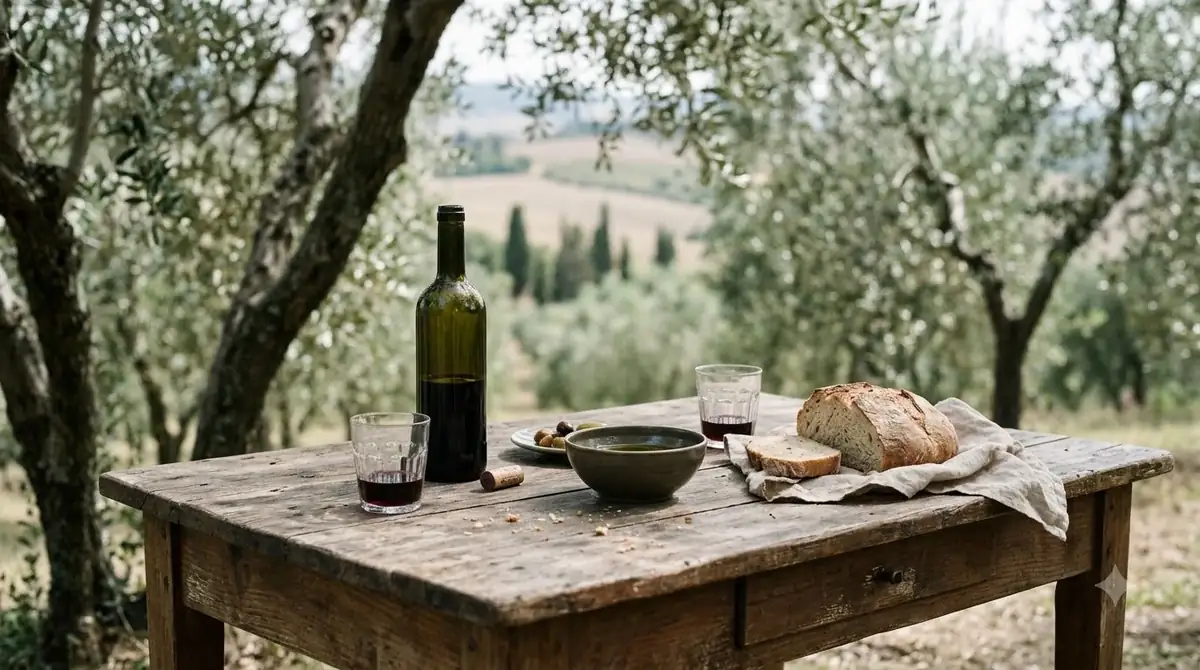
Pour Albariño between 45°F and 50°F (7°C to 10°C), which takes about two hours in a standard kitchen refrigerator. At this temperature, its zesty citrus and briny minerality stay razor-sharp, while white peach and floral notes remain expressive. Most Albariño is crafted for immediate enjoyment within one to three years of the vintage, though top lees-aged bottles can evolve gracefully for up to five years.
For dry, unoaked Chenin Blanc, aim for that same 45°F to 50°F (7°C to 10°C) window. Sparkling Crémant de Loire or South African Cap Classique Chenin Blanc shines colder at 40°F to 45°F (4°C to 7°C) to keep the bubbles crisp, whereas full-bodied, barrel-fermented Chenin Blanc opens up best around 50°F to 54°F (10°C to 12°C), similar to oaked Chardonnay. Unlike Albariño, high-acid Loire Chenin Blancs—especially off-dry and sweet Vouvray or Quarts de Chaume—can age for decades in a cool cellar.
Tip: Pull your bottle of Albariño or dry Chenin Blanc out of the refrigerator 10 to 15 minutes before pouring so the aromatics open up in the glass without losing their refreshing chill.
Food Pairing: Matching Each Wine to Your Menu
Albariño is the ultimate seafood partner thanks to its coastal salinity and bright citrus profile, whereas Chenin Blanc’s spectrum of dryness and body makes it one of the most versatile food wines at the dinner table. Matching the weight and sweetness of your dish to the right bottle guarantees balance.
Reach for Albariño whenever shellfish, white fish, or fresh green herbs take center stage. Its briny finish and crisp acidity cut cleanly through garlicky shrimp, steamed mussels, raw oysters, ceviche, grilled octopus, and fish tacos topped with cilantro and lime. It also pairs effortlessly with Spanish tapas like blistered padrón peppers, Manchego cheese, and vegetable dishes dressed with salsa verde or lemon vinaigrette.
Chenin Blanc adapts to heartier, richer, and spicier fare depending on the style in your glass. Dry Loire or South African Chenin Blanc pairs naturally with roast chicken, pork chops with apples, creamy pasta sauces, and tangy goat cheese, where the wine’s high acid slices right through fat. If you are serving spicy Thai curry, Vietnamese dishes, or glazed holiday turkey with cranberry sauce, an off-dry Vouvray balances both heat and sweet-savory flavors.
How to Choose Between Albariño and Chenin Blanc
Pick Albariño when you want guaranteed crispness, coastal minerality, and an easy-drinking dry white for seafood or warm afternoons. Choose Chenin Blanc when you want deeper orchard-fruit richness, oak texture, or a touch of residual sweetness to complement complex dishes.
Reading the label helps you predict what is inside the bottle before you pull the cork. For Albariño, look for Spanish bottles labeled Rías Baixas DO—specifically sub-zones like Val do Salnés for peak Atlantic salinity or Condado do Tea for riper stone fruit—or Portuguese bottlings labeled Vinho Verde DOC (often marked Monção e Melgaço) for vibrant citrus and floral lift.
When shopping for Chenin Blanc, pay close attention to origin and sweetness cues. A French bottle labeled Savennières will almost always be bone-dry and mineral-driven, while Vouvray can range from dry (Sec) to off-dry (Demi-Sec) or sweet (Moelleux), so check the back label or ABV—lower alcohol around 11.5% to 12.5% often signals residual sugar, while 13% to 14.5% indicates a dry style. South African bottles from Swartland or Stellenbosch reliably deliver dry, concentrated fruit with generous texture. For more head-to-head grape comparisons, browse our complete Wine vs Wine library.
Frequently Asked Questions
Is Albariño sweeter than Chenin Blanc?
No, Albariño is almost always fermented completely dry, though its ripe peach and nectarine aromas can give a faint impression of fruitiness. Chenin Blanc is made across the entire sweetness spectrum, ranging from bone-dry Savennières to off-dry Demi-Sec Vouvray and lusciously sweet dessert wines. If you prefer guaranteed dryness without checking back labels, Albariño is the safer bet.
Which wine has higher acidity: Albariño or Chenin Blanc?
Both Albariño and Chenin Blanc are naturally high-acid white wines that deliver a crisp, mouthwatering sensation on the palate. Chenin Blanc is especially famous for retaining sharp tartaric and malic acidity even in warmer regions like South Africa, which allows it to age for decades. Albariño’s acidity feels equally brisk and zesty, accented by a distinct coastal salinity.
Can you substitute Albariño for Chenin Blanc in cooking or pairing?
You can easily substitute Albariño for a dry, unoaked Chenin Blanc in both cooking and food pairings, especially alongside seafood, salads, and herb-driven chicken dishes. However, Albariño will not replace an oak-aged or off-dry Chenin Blanc when pairing with rich cream sauces, pork roasts, or spicy Asian cuisine, where Chenin’s fuller body or subtle sweetness is needed.
Which is better for beginners: Albariño or Chenin Blanc?
Albariño is often easier for beginners to navigate because its style is consistent from bottle to bottle—crisp, dry, citrus-forward, and refreshing. Chenin Blanc rewards exploration once you know what you like, since two bottles side by side on a shelf can taste wildly different depending on sweetness, oak aging, and whether the wine comes from France or South Africa.
Both grapes bring serious character to the table without relying on heavy oak or predictable flavor profiles. Reach for Albariño when crisp Atlantic freshness and shellfish are on the menu, and turn to Chenin Blanc whenever a meal calls for orchard-fruit depth, textural richness, or a hint of natural sweetness.
More in Wine vs Wine
 Amarone vs Shiraz: Key Differences in Taste, Alcohol, and PairingUpdated Nov 21, 2026
 Amarone vs Primitivo: Key Differences in Taste, Origin, and PairingUpdated Nov 21, 2026
 Amarone vs Cabernet Sauvignon: Key Differences in Taste, Body, and PairingUpdated Nov 21, 2026
 Albariño vs Viognier: How to Choose Between Crisp Citrus and Lush Stone FruitUpdated Nov 21, 2026
 Chenin Blanc vs Pinot Gris: Acidity, Body, and Pairing DifferencesUpdated Nov 20, 2026
 Chianti vs Lambrusco: How Tuscany and Emilia-Romagna Reds CompareUpdated Nov 20, 2026