

We may earn a commission when you buy through links on this page, at no extra cost to you. Learn more.
Dry red Zinfandel sugar content typically ranges from 1 to 4 grams of residual sugar per liter, which works out to roughly 0.15 to 0.6 grams of sugar in a standard 5-ounce glass. Off-dry commercial red blends led by Zinfandel can carry around 10 to 15 grams per liter, while pink White Zinfandel generally sits in the off-dry to sweet range of 15 to 30 grams per liter. Late-harvest Zinfandel and Primitivo di Manduria Dolce Naturale hold far more unfermented sugar, reaching 45 to over 120 grams per liter.
Because Zinfandel tastes bursting with blackberry jam, candied cherry, and baking spice, many drinkers assume the bottle is loaded with sugar. In reality, yeast converts almost all of those ripe grape sugars into alcohol during fermentation, leaving red Zinfandel technically dry on the palate even when its fruit character feels lush and sweet.
What Zinfandel Sugar Content Actually Looks Like Across Styles
Zinfandel is not a single flavor profile, and its residual sugar varies dramatically depending on whether the winemaker ferments the juice to dryness or stops the yeast early. Understanding the gap between grape sugar at harvest and leftover sugar in the bottle explains why two bottles labeled Zinfandel can taste miles apart.
In the vineyard, Zinfandel is famous for uneven ripening, meaning a single cluster can hold green berries, ripe berries, and shriveled, raisined berries at the same time. According to Wine Folly’s Zinfandel guide, those raisined berries pack concentrated natural fructose and glucose into the harvest tank. When yeast eats virtually all of that sugar, the wine finishes dry with elevated alcohol rather than lingering sweetness.
Winemakers measure unfermented sugar left behind after fermentation as residual sugar, abbreviated as RS and listed in grams per liter (g/L) or as a percentage. Ten grams per liter equals 1 percent residual sugar, and a standard 750-milliliter bottle holds three-quarters of a liter. A classic dry California red Zinfandel—such as Gnarly Head Old Vine Zinfandel, documented at 3.4 g/L RS—contains roughly 2.5 grams of sugar in the entire bottle and about half a gram per 5-ounce pour.
At the other end of the spectrum, stopping fermentation by chilling the tank leaves natural grape sugars intact and lowers alcohol. That technique created pink white zinfandel sugar content levels that appealed to millions of casual drinkers starting in the 1970s. Meanwhile, late-harvest red Zinfandel and Italy’s Primitivo di Manduria Dolce Naturale allow grapes to raisinate on the vine so heavily that yeast naturally stalls out before finishing the job, producing rich dessert wines.
| Zinfandel Style | Typical Residual Sugar (g/L) | Sugar per 5 oz Glass | Typical ABV | Sweetness Perception |
|---|---|---|---|---|
| Dry Red Zinfandel (Classic / Old Vine) | 1 to 4 g/L | 0.15 to 0.6 g | 14% to 16%+ | Dry, fruit-forward |
| Commercial Zinfandel-Led Red Blend | 10 to 16 g/L | 1.5 to 2.4 g | 13.5% to 14.5% | Off-dry, soft and plush |
| White Zinfandel (Blush Rosé) | 15 to 30 g/L | 2.2 to 4.4 g | 9% to 10% | Off-dry to noticeably sweet |
| Late-Harvest Red Zinfandel | 45 to 120+ g/L | 6.7 to 17.7+ g | 15% to 17% | Richly sweet, dessert style |
Why Dry Red Zinfandel Tastes Sweet Without Sugar
A dry red Zinfandel with less than 4 grams per liter of residual sugar can still trick your brain into registering sweetness on the first sip. Three separate sensory factors—alcohol viscosity, ripe fruit aromas, and oak aging—create an impression of sweetness even when lab tests show virtually zero sugar.
First, alcohol itself carries a faintly sweet, warming sensation on the tongue. Because Zinfandel ripens to high sugar levels under the California sun, finished dry bottles routinely reach 14 to 17 percent alcohol by volume (ABV), as reviewers at Wine Enthusiast note in their Zinfandel master class. That higher ethanol content gives the wine a glossy, glycerin-like weight across the mid-palate that mimics light syrup.
Second, aroma shapes how the brain interprets taste before the wine even hits your taste buds. Zinfandel brims with volatile aroma compounds that smell like blackberry preserves, strawberry jam, peach yogurt, and cinnamon. Because humans associate jam and baking spices with sugar-sweetened foods, your palate expects sweetness and perceives the fruit as sweeter than a savory grape like Cabernet Sauvignon or merlot sugar content benchmarks at the exact same RS level.
Third, barrel aging adds sweet-smelling wood compounds without adding actual carbohydrates. Winemakers frequently age Zinfandel in American or French oak barrels, which impart vanillin, toasted coconut, caramel, and sweet tobacco notes. Vanilla in particular amplifies perceived sweetness on the human palate, allowing a bone-dry old-vine Zinfandel to feel lush and rounded.
Flavor Profiles and Sugar Differences Across Regional Styles
Where Zinfandel grows determines how fast its sugars accumulate, how much natural acidity survives harvest, and whether the finished wine feels crisp or jammy. Cooler coastal vineyards preserve bright tartness that masks residual sugar, while hot inland valleys push ripeness and body to the limit.
In California’s Lodi appellation, warm Mediterranean days tempered by Delta breezes produce plush, approachable Zinfandels bursting with roasted plum, blackberry, and sweet spice. Value-priced bottlings from warm inland regions are also the most likely to retain a few grams of residual sugar—sometimes 8 to 15 g/L in mass-market red blends—to smooth out rough tannins and broaden crowd appeal.
By contrast, cooler sites in Sonoma County, Mendocino, and the Santa Cruz Mountains experience chilly nights and coastal fog that slow sugar accumulation and lock in brisk natural acidity. Those bottles typically ferment completely dry, showing brambly raspberry, black pepper, and firm tannic grip rather than candied fruit. In the Sierra Foothills, granitic soils and high-elevation temperature swings yield aromatic, vibrant Zinfandels with lively cranberry and cherry notes.
Across the Atlantic in southern Italy’s Puglia region, the exact same genetic grape is bottled as Primitivo, tracing its roots back to Croatia’s Tribidrag. In Manduria, hot, arid vineyards produce full-bodied, dry reds with dark fruit and Mediterranean herb notes alongside a dedicated sweet designation, Primitivo di Manduria Dolce Naturale, made from late-harvested grapes that reach dessert-level sweetness similar to port sugar content profiles.
How to Serve Zinfandel for the Best Balance
Serving temperature directly changes how sweet, alcoholic, or balanced a glass of Zinfandel tastes. Pouring a high-alcohol red Zinfandel too warm exaggerates the heat of the ethanol and makes the fruit taste cloying, while chilling it slightly sharpens its natural acidity.
Dry red Zinfandel performs best at cellar temperature, between 60°F and 68°F (15°C to 20°C). If your bottle has been sitting in a 72°F kitchen, placing it in the refrigerator for 15 to 20 minutes before opening brings it right into the ideal window. At that cooler temperature, the blackberry and pepper aromas stay crisp rather than soup-like.
White Zinfandel and off-dry Zinfandel rosés need a much colder chill to keep their 15 to 30 grams per liter of residual sugar from feeling heavy. Serve blush styles straight from the refrigerator at 42°F to 48°F so the brisk acidity cuts cleanly through the strawberry and watermelon sweetness. For bold, dense old-vine red Zinfandels, decanting for 30 minutes before serving lets tight tannins soften and blows off any initial alcohol heat.
Tip: Check the back label for ABV when shopping without a tech sheet—dry red Zinfandels usually sit at 14.5% ABV or higher, while bottles between 9% and 11% ABV almost always contain noticeable residual sugar.
Food Pairings That Match Zinfandel’s Sweetness and Spice
Because Zinfandel combines bold fruit, black pepper spice, and occasionally a touch of residual sugar, it pairs effortlessly with smoky, caramelized, and richly seasoned dishes. Matching the sugar and spice level in the glass to the glaze or sauce on your plate prevents either from tasting harsh.
Dry red Zinfandel is a classic partner for American barbecue, pulled pork, and dry-rubbed ribs. The wine’s ripe berry character echoes tangy tomato-based sauces without turning bitter, while its firm acidity slices through rich fat and char. It also shines alongside roast turkey with cranberry relish, grilled lamb, and aged cheeses like sharp cheddar or smoked gouda.
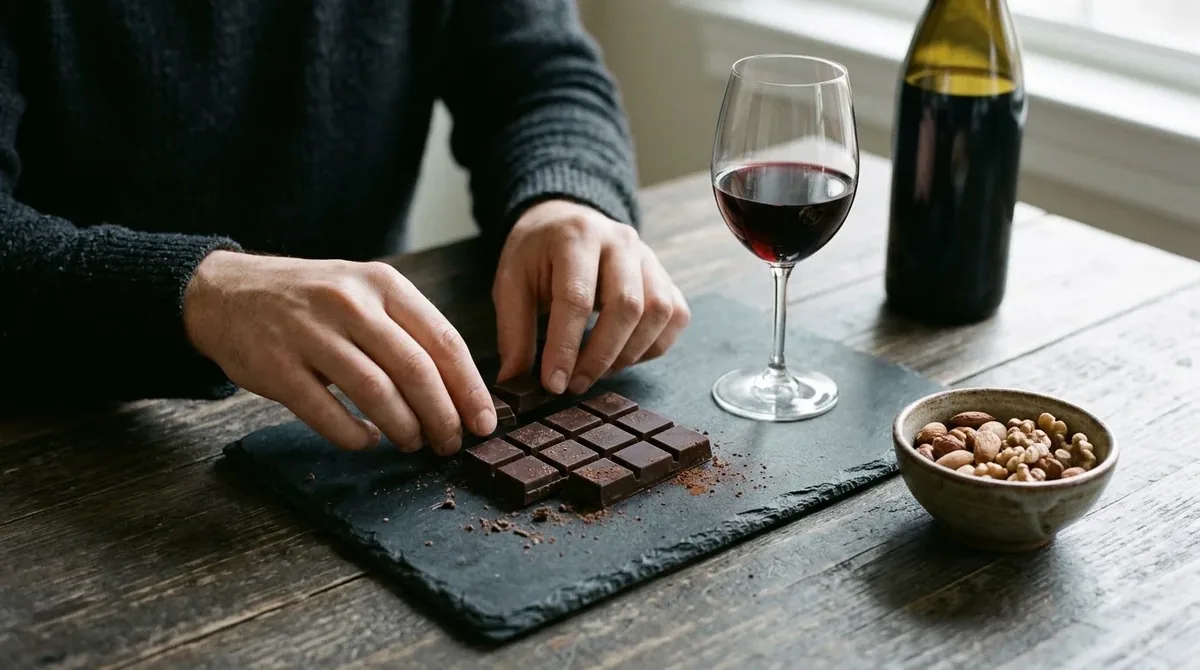
When a Zinfandel-led red blend carries 10 to 15 grams per liter of residual sugar, lean into savory-sweet or spicy dishes. Sticky teriyaki chicken, Korean barbecue short ribs, and chipotle-glazed pork tenderloin all benefit from a trace of sugar in the glass to tame chili heat. For chilled White Zinfandel, pair the wine with spicy Thai curries, pad Thai, or salty picnic fare, and save late-harvest Zinfandel for dark chocolate desserts with at least 70 percent cacao.
How to Check the Exact Sugar Content on Any Bottle
Unlike packaged foods, wine bottles in the United States are not legally required to print nutrition facts or residual sugar numbers on the label. Even so, you can reliably estimate or verify how much sugar is inside before you pull the cork by checking three quick clues.
- Look up the producer’s tech sheet online: Search the winery name, bottling name, and vintage followed by the words “tech sheet” or “technical notes.” Most reputable California and Italian wineries publish PDF spec sheets listing exact residual sugar in grams per liter or percentage alongside pH and total acidity.
- Use alcohol percentage as a fermentation clue: Yeast converts grape sugar directly into ethanol. When a Zinfandel finishes around 14.5% to 16% ABV, the yeast consumed virtually all available sugar, leaving a dry wine. When a bottle sits around 9% to 10.5% ABV, fermentation was halted early, leaving significant unfermented sugar behind.
- Watch for front-label style cues: Single-vineyard, old-vine, and named appellation bottlings from Dry Creek Valley, Paso Robles, Lodi, or Sierra Foothills are overwhelmingly fermented dry. Generic “California Red Blend” bottles using words like “velvet,” “jammy,” or “smooth” without a vineyard designation are far more likely to carry 8 to 16 g/L of residual sugar.
Exploring different styles across Wine by Type makes it easier to spot where Zinfandel sits on the broader sweetness spectrum compared to lighter reds and fortified wines.
Frequently Asked Questions
Is red Zinfandel a dry or sweet wine?
Classic red Zinfandel is a dry wine, typically containing 1 to 4 grams of residual sugar per liter, or less than 0.6 grams per 5-ounce glass. It often tastes sweet because of its high alcohol, American oak vanilla notes, and ripe blackberry-jam fruit aromas rather than actual sugar.
How many carbs and calories are in a glass of Zinfandel?
A standard 5-ounce pour of dry red Zinfandel at 14.5% ABV contains roughly 120 to 130 calories and about 3 to 4 grams of total carbohydrates, less than 1 gram of which comes from residual sugar. Most of the calories in dry Zinfandel come from alcohol rather than sugar, so higher-ABV bottles at 16% can reach closer to 140 to 150 calories per glass.
Does White Zinfandel have more sugar than red Zinfandel?
Yes, White Zinfandel contains significantly more sugar than dry red Zinfandel. Winemakers halt fermentation early to keep alcohol around 9% to 10% ABV, leaving roughly 15 to 30 grams of residual sugar per liter, or about 2.2 to 4.4 grams of sugar per 5-ounce glass.
Why do some Zinfandel red blends taste noticeably sweeter?
Many mass-market California red blends led by Zinfandel intentionally retain 10 to 16 grams per liter of residual sugar to soften tannins and create a plush, crowd-pleasing mouthfeel. Because US wine labels do not require sweetness disclosures, checking the winery’s online tech sheet is the most accurate way to confirm exact residual sugar.
Whether you prefer a bone-dry, peppery old-vine bottling from Sonoma or a lightly chilled, off-dry blush on a warm afternoon, Zinfandel spans the entire sweetness spectrum. Checking the ABV on the back label and looking up winery tech sheets gives you complete clarity before you pour your next glass.
More in Wine Types & Grapes
 Best Zinfandel Substitute Options for Sipping and CookingUpdated Nov 21, 2026
 Zweigelt Food Pairing: Best Dishes, Cheeses, and Serving TipsUpdated Nov 21, 2026
 Zinfandel Tannins Explained: How Structure Shapes Every BottleUpdated Nov 21, 2026
 Zinfandel Sweetness Level: Dry Red vs. Sweet White Zin ExplainedUpdated Nov 21, 2026
 Xinomavro Food Pairing: Best Dishes, Styles, and Serving TipsUpdated Nov 21, 2026
 Zinfandel Cocktail Recipes and Mixing Guide for Every SeasonUpdated Nov 21, 2026