

We may earn a commission when you buy through links on this page, at no extra cost to you. Learn more.
Zierfandler wine is a rare, aromatic Austrian white wine made from an indigenous grape grown almost exclusively in the Thermenregion just south of Vienna. Also known locally as Spätrot, it produces full-bodied, textured wines that balance ripe citrus, stone fruit, and nutty notes against lively natural acidity. Winemakers bottle it both as a single-varietal wine and in traditional blends with Rotgipfler.
For American wine drinkers looking beyond mainstream European whites, Zierfandler offers an intriguing mix of weight, floral perfume, and aging potential. With fewer than 62 hectares planted across all of Austria, finding a bottle stateside takes a little effort, yet the reward is a distinctive white that bridges the gap between crisp, high-acid styles and rich, food-friendly textures. Understanding where it comes from and how it behaves in the glass makes tracking down a bottle far easier.
What Is Zierfandler Wine?
Zierfandler is an autochthonous Austrian white grape variety that originated in the Thermenregion, where warm Pannonian winds meet the eastern foothills of the Vienna Woods. According to Austrian Wine, ampelographers trace its lineage to a natural crossing between Roter Veltliner and a Traminer-type variety.
Despite being classified as a white wine grape, Zierfandler earns its local nickname, Spätrot—meaning “late red”—from a striking visual quirk in the vineyard. As the dense, cylindrical clusters hang late into autumn, the sun-facing sides of the round berries blush a distinct reddish-pink hue at full ripeness. That late harvest window allows the fruit to accumulate substantial extract and sugar without losing the bright acidic backbone that keeps the finished wine focused.
Wine historians also connect the grape’s Central European synonyms to one of California’s most famous red varieties. In Hungary, where tiny plantings survive, the grape goes by Cirfandli or Czirifandli. During the nineteenth century, vines shipped from Habsburg imperial nurseries to Long Island and later California included a label reading “Black Zinfardel of Hungary,” leading researchers to believe that the name Zinfandel evolved from a clerical mix-up involving Zierfandler—even though the two grapes share no genetic relationship.
Flavor Profile and Winemaking Styles
In the glass, Zierfandler wine delivers an expressive combination of citrus oil, orchard fruit, and savory nuttiness backed by refreshing acidity. Reviewers at Wine Enthusiast highlight its waxy, nutty overtones alongside candied lemon peel, Mirabelle plum, peach, and subtle hints of wet hay. As bottles spend time in the cellar, those primary fruit notes gradually deepen into toasted almond, pistachio, blossom honey, and dried apricot.
Winemakers in Lower Austria vinify the grape across several distinct expressions depending on harvest timing and cellar choices. Younger, stainless-steel-fermented bottlings emphasize tart citrus, green apple, and delicate white blossoms with a brisk, dry finish. Older-vine and single-vineyard releases often undergo maturation in large neutral oak casks or spend extended time on their lees, yielding a creamy, almost oily mid-palate that carries plenty of spice and mineral grip.
Because Zierfandler berries are thin-skinned and tightly packed, the variety is naturally susceptible to botrytis, or noble rot, during misty autumn mornings. In favorable vintages, estates harvest shriveled, botrytis-affected clusters to craft concentrated dessert wines labeled Auslese, Beerenauslese, or Trockenbeerenauslese. These sweet bottlings balance intense honeyed richness against vibrant acidity, giving top examples the structure to evolve in a cool cellar for decades.
| Style | Key Aromas & Flavors | Texture & Sweetness | Aging Window |
|---|---|---|---|
| Classic Dry Varietal | Candied lemon peel, green apple, white blossom, almond | Medium-bodied, dry, crisp citrus-driven acidity | 2 to 5 years |
| Single-Vineyard Reserve | Lemon oil, Mirabelle plum, beeswax, toasted pistachio, spice | Full-bodied, creamy mid-palate, structured mineral finish | 5 to 15+ years |
| Spätrot-Rotgipfler Blend | Stone fruit, pineapple, herbs, honeyed citrus | Rich, broad, balanced by brisk herbal tension | 3 to 10 years |
| Prädikatswein (Dessert) | Blossom honey, dried apricot, marmalade, wet stone | Luscious and sweet with high balancing acidity | 10 to 30+ years |
Where It Grows
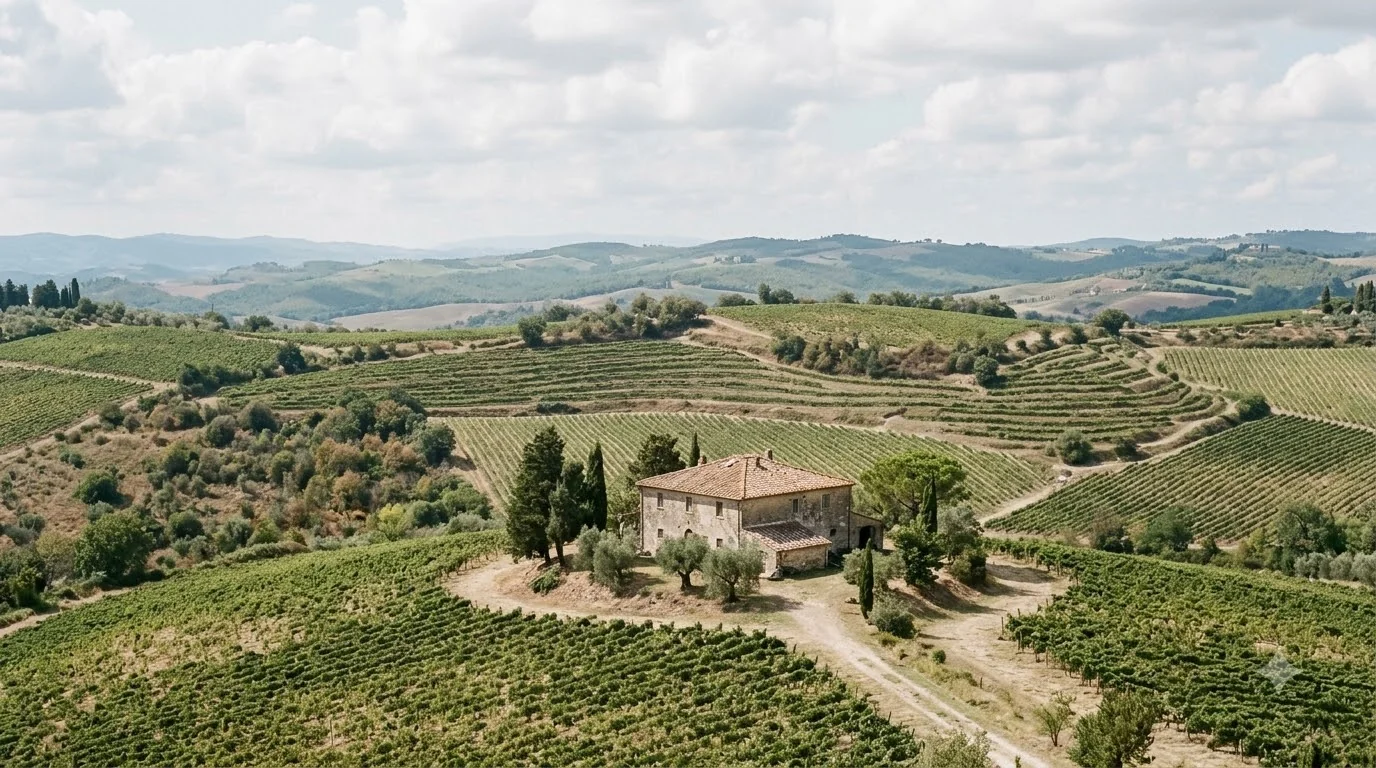
Zierfandler is one of the rarest commercial wine grapes in Europe, with roughly 61.6 hectares (about 152 acres) planted across all of Austria, accounting for just 0.1 percent of the nation’s total vineyard area. Nearly 99 percent of those vines grow in Niederösterreich (Lower Austria), concentrated almost entirely within the Thermenregion south of Vienna. Outside Austria, only minuscule pockets remain in Hungary’s Pécs district and neighboring Slovenia.
The Thermenregion provides a uniquely tailored microclimate for this demanding, late-ripening variety. Named for the warm sulfurous thermal springs that bubble up along a geological fault line near Baden and Bad Vöslau, the area enjoys hot summers and long, dry autumns shaped by warm winds sweeping in from the Pannonian Plain. At the same time, cool night air descending from the adjacent Vienna Woods preserves natural acidity during the final weeks before mid-October harvest.
Soil composition also plays a decisive role in vineyard placement. Zierfandler prefers south- and southeast-facing slopes with shallow, lime-rich calcareous soils and gravel that drain quickly and force roots to dig deep. While the vine tolerates summer drought remarkably well, it is sensitive to harsh winter frosts, which is why growers reserve their warmest, most protected hillside sites—known locally as Rieden—for their best Zierfandler parcels.
The Traditional Spätrot-Rotgipfler Blend
Historically, drinkers rarely encountered Zierfandler on its own because local growers traditionally paired it with another native Thermenregion white grape, Rotgipfler. Known as Spätrot-Rotgipfler—or simply Gumpoldskirchner, after the historic wine town at the heart of the appellation—this classic partnership combines two genetically related varieties that share Roter Veltliner and Traminer parentage.
In the blend, each grape supplies what the other lacks. Rotgipfler brings generous extract, tropical fruit aromatics, and herbal spice, while Zierfandler contributes sharper citrus acidity, floral lift, and structural backbone. Producers either co-plant both varieties in older field-blend vineyards or ferment them separately before assembling the final cuvée in the cellar.
While single-varietal bottlings have grown steadily more popular over the past few decades, traditional cuvées remain a benchmark for anyone exploring Wine by Type across Central Europe. Tasting a pure Zierfandler alongside a Spätrot-Rotgipfler blend clearly illustrates how Zierfandler’s linear acidity reins in Rotgipfler’s broader, spicier frame.
How to Serve Zierfandler Wine
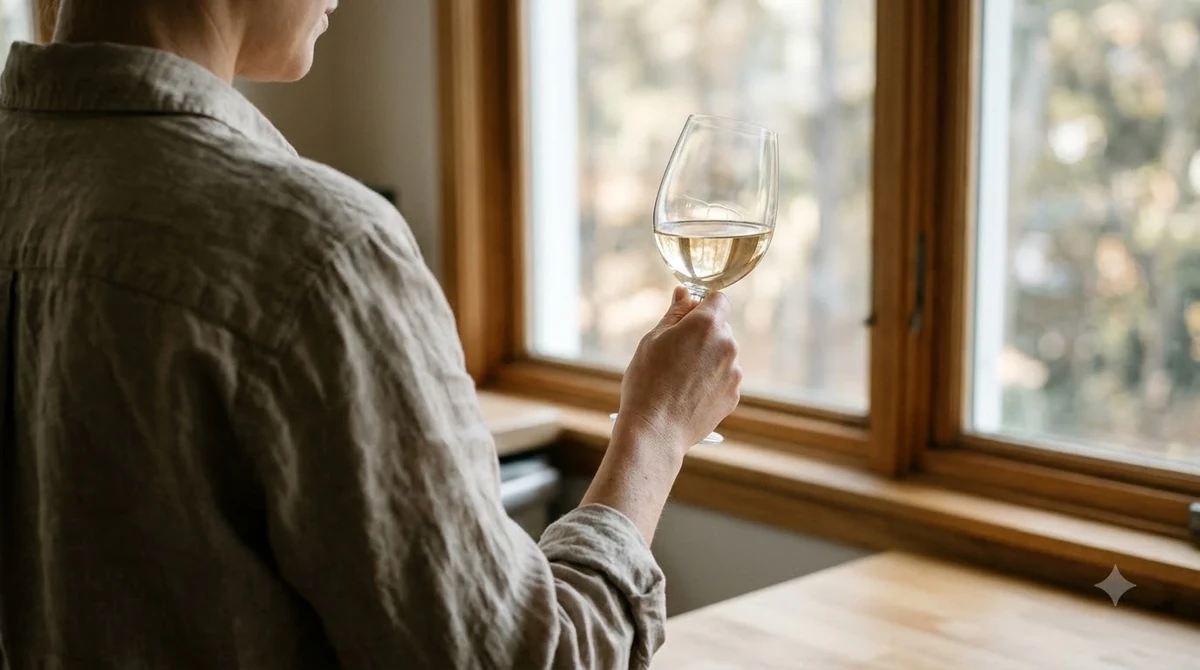
Serving temperature makes a noticeable difference with Zierfandler because chilling the wine too aggressively mutes its waxy, floral, and nutty aromatics. Lighter, unoaked dry bottlings show best around 46°F to 50°F (8°C to 10°C)—roughly 20 minutes out of a standard kitchen refrigerator. Fuller-bodied single-vineyard releases and older vintages open up more completely at a slightly warmer cellar temperature of 54°F to 57°F (12°C to 14°C).
Glassware choice also shapes how the wine presents on the palate. A standard medium-sized universal white wine glass works well for crisp, young examples, concentrating citrus and orchard fruit aromas toward the rim. For mature single-vineyard wines aged in large oak casks, a wider Burgundy-style bowl gives the complex notes of beeswax, roasted nuts, and dried stone fruit room to breathe.
Young, structured single-vineyard Zierfandler often benefits from 20 to 30 minutes in a decanter before pouring. Brief aeration softens any tight reduction from lees aging and allows the creamy texture to expand without sacrificing the wine’s zesty finish.
Tip: Pull single-vineyard Zierfandler from the fridge 20 to 30 minutes before dinner—serving it slightly warmer than standard Pinot Grigio lets its signature toasted almond and citrus-oil notes shine.
Food Pairing Ideas
Zierfandler’s combination of broad mid-palate weight and lively acidity makes it a versatile partner at the dinner table, capable of handling richer dishes than light, crisp whites like airen grape bottlings. Its natural citrus-oil brightness cuts cleanly through creamy sauces, butter, and pan-roasted meats without feeling heavy.
- Traditional Austrian & Central European Fare: Roast pork with caraway, Wiener Schnitzel, pan-seared veal, and creamy mushroom ragout with dumplings mirror the wine’s savory spice and brisk finish.
- Poultry & Roasted White Meats: Herb-roasted chicken, Thanksgiving turkey, and crispy-skinned duck pair naturally with the grape’s stone fruit and nutty undertones.
- Rich Seafood & Shellfish: Seared sea scallops, butter-poached lobster, grilled tuna steaks, and trout amandine echo Zierfandler’s toasted almond character.
- Spiced & Aromatic Dishes: Mild Thai coconut curries, Hainanese chicken rice, and ginger-scallion crab work well alongside off-dry or fruit-forward examples, much like high-acid Atlantic whites such as arinto wine.
- Aged Cheeses: Firm Alpine cheeses like Gruyère, Comté, and aged Austrian Bergkäse highlight the wine’s subtle honeyed and nutty depth.
If you open a sweet Beerenauslese or Trockenbeerenauslese bottle, save it for salted blue cheeses, foie gras, or fruit-driven Austrian pastries such as apricot dumplings rather than overly sugary chocolate desserts.
How to Choose a Bottle
Because total production is small, shopping for Zierfandler wine in the United States works best at independent wine shops with strong Austrian or Central European selections. Since the 2023 vintage, the region has operated under the Thermenregion DAC appellation system, which organizes wines into three clear quality tiers on the label: regional wines (Gebietswein), village wines (Ortswein) from towns like Gumpoldskirchen or Traiskirchen, and single-vineyard wines (Riedenwein).
Checking the label details helps match the bottle to your palate and menu. Look for words like trocken (dry) if you want crisp citrus and mineral tension, or check the alcohol level—dry bottlings typically sit between 12.5 percent and 13.5 percent ABV, whereas lower alcohol numbers paired with terms like Spätlese or Auslese signal noticeable residual sweetness. Notable Thermenregion estates exported to the US include Johanneshof Reinisch, Weingut Gebeshuber, Weingut Stadlmann, Alphart am Mühlbach, and Leo Aumann.
When inspecting older vintages on a shop shelf, verify that the bottle has been stored cool and away from direct light. Well-kept single-vineyard Zierfandler from strong vintages ages gracefully for a decade or more, rewarding patience with deeper golden color and savory complexity.
Frequently Asked Questions
Is Zierfandler related to Zinfandel?
No, Zierfandler and Zinfandel are completely unrelated grape varieties. Zierfandler is a white-skinned grape native to Austria, whereas Zinfandel is a black-skinned grape of Croatian origin (Tribidrag). Historians believe Zinfandel’s name likely originated from a nineteenth-century nursery labeling mix-up involving Czirifandli, the Hungarian name for Zierfandler.
Is Zierfandler wine sweet or dry?
Most modern Zierfandler wine exported to the United States is vinified completely dry, featuring crisp citrus acidity and a textured, full-bodied finish. However, because the late-ripening berries are susceptible to noble rot, Austrian producers also craft small quantities of rich, sweet dessert wines labeled Auslese, Beerenauslese, or Trockenbeerenauslese.
What does Zierfandler taste like compared to other white wines?
Zierfandler sits somewhere between dry Alsace Pinot Gris and aged Chenin Blanc in weight and complexity. It offers bright lemon peel, green apple, and stone fruit aromas layered over distinctive waxy, floral, and toasted almond notes, supported by refreshing natural acidity.
Why is Zierfandler also called Spätrot?
Spätrot translates from German as “late red” and refers to how the grapes behave on the vine in autumn. As the late-ripening clusters hang in the October sun, the exposed skins turn a distinct reddish-pink color even though the grape produces white wine.
Whether poured as a crisp village white alongside weeknight roast chicken or cellared as a single-vineyard bottle for a special meal, Zierfandler rewards curious drinkers with a flavor profile found nowhere else in the wine world. Just as obscure Italian reds like the brachetto grape highlight regional diversity, keeping an eye out for this Austrian rarity adds genuine character to any home wine rack.
More in Wine Types & Grapes
 Zweigelt Food Pairing: Best Dishes, Cheeses, and Serving TipsUpdated Nov 21, 2026
 Zinfandel Tannins Explained: How Structure Shapes Every BottleUpdated Nov 21, 2026
 Zinfandel Sweetness Level: Dry Red vs. Sweet White Zin ExplainedUpdated Nov 21, 2026
 Xinomavro Food Pairing: Best Dishes, Styles, and Serving TipsUpdated Nov 21, 2026
 Zinfandel Cocktail Recipes and Mixing Guide for Every SeasonUpdated Nov 21, 2026
 Zinfandel Acidity: How Freshness Balances Bold Fruit and High AlcoholUpdated Nov 21, 2026