

We may earn a commission when you buy through links on this page, at no extra cost to you. Learn more.
The rotgipfler grape is a rare, indigenous Austrian white wine variety grown almost exclusively in the Thermenregion south of Vienna, celebrated for producing full-bodied, aromatic, and age-worthy wines. Named after the reddish-bronze tips of its spring vine shoots, this natural crossing of Traminer and Roter Veltliner yields rich white wines balancing stone fruit, pear, and warm spice with lively natural acidity. While traditionally blended with Zierfandler to create the historic Gumpoldskirchen specialty Spätrot-Rotgipfler, modern winemakers increasingly bottle it as a powerful single-varietal wine.
For American wine drinkers looking beyond mainstream Grüner Veltliner and Riesling, Austrian vineyards hold plenty of intriguing surprises. Among the country’s native varieties, few carry as strong a sense of place as this small-production white grape, which covers barely 111 hectares across the entire country and rarely leaves its home hillsides.
What Is the Rotgipfler Grape?
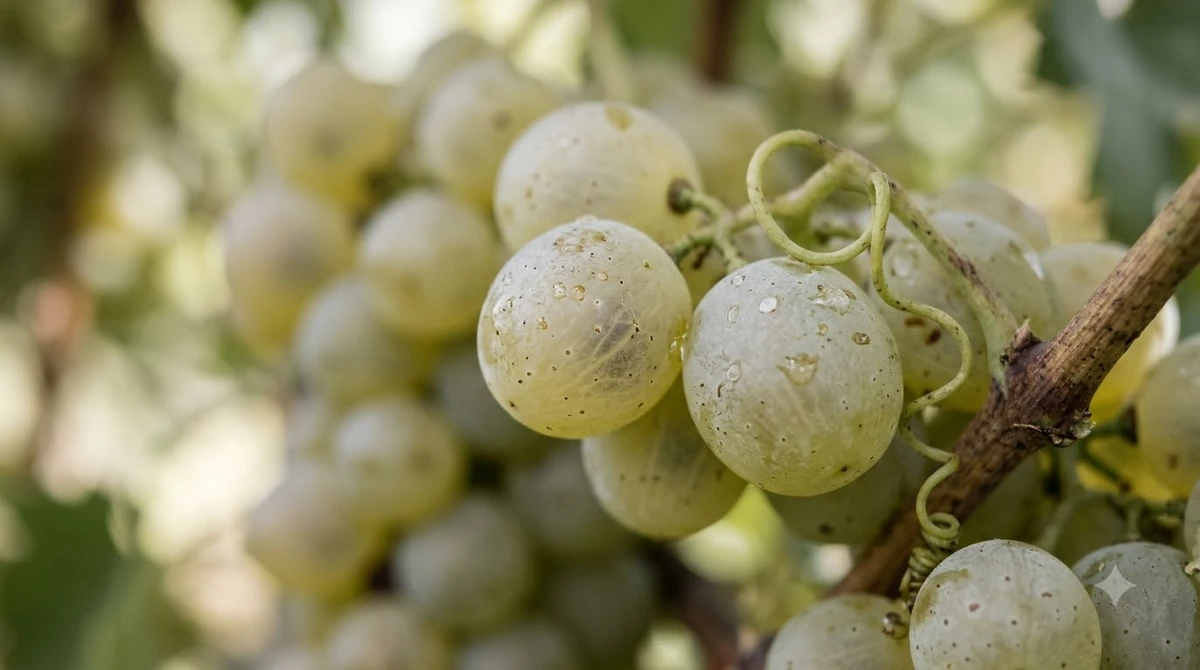
The rotgipfler grape is a pale-skinned white wine variety native to Austria, resulting from a spontaneous natural crossing between Traminer and Roter Veltliner. Despite its color in the glass, the name translates roughly to “red tip” or “red top,” referring to the distinct reddish-bronze hue visible on the vine’s young spring shoot tips and leaf veins.
Ampelographers and wine historians trace the variety’s roots to Lower Austria’s Thermenregion, though early nineteenth-century records from 1837 also mention plantings in Styria. According to Austrian Wine’s official grape registry, total plantings stand at roughly 110.95 hectares, representing just 0.3 percent of Austria’s entire vineyard area. That scarcity places it among the rarest commercially bottled Wine by Type categories available to curious collectors.
In the vineyard, the vine produces medium-sized, deeply lobed leaves and dense, cone-shaped clusters packed with greenish-yellow, very juicy berries. Growers regard it as a demanding cultivar: it buds relatively early—making it vulnerable to late spring frosts—and ripens late in the season. Because its berries sit tightly packed together, the clusters are also susceptible to botrytis in damp autumn weather, requiring careful canopy management and warm, sun-exposed slopes to reach optimal maturity.
Flavor Profile and Winemaking Styles
In the glass, dry Rotgipfler delivers a golden hue, generous extract, and a textured, full-bodied palate layered with orchard fruit, ripe citrus, almond, and warm spice. Depending on vineyard site and cellar choices, producers craft the grape in styles ranging from crisp, stainless-steel-fermented whites to oak-aged reserves and luscious botrytis dessert wines.
Unlike light, zippy white varieties such as the airen grape, Rotgipfler naturally accumulates high sugar levels on warm south-facing slopes, translating into substantial body and dry alcohol levels typically between 13% and 14.5% ABV. Fresh, unoaked examples fermented in stainless steel highlight crisp green apple, Bartlett pear, white peach, and a subtle peppery snap reminiscent of Grüner Veltliner. When winemakers ferment or mature top single-vineyard lots in large neutral casks or small oak barrels, the wine takes on a creamier mouthfeel accented by vanilla, toasted nut, and tropical fruit nuances.
Rotgipfler is equally famous for its historical partnership with Zierfandler, a local white grape also known as Spätrot. Blended together, the two varieties form Spätrot-Rotgipfler, a classic regional specialty historically sold under the village name Gumpoldskirchner. In this traditional pairing, Rotgipfler supplies power, alcohol, and generous extract, while Zierfandler contributes linear finesse and vibrant acidity. As reviewers at Wine Enthusiast note, whether bottled solo or in this classic blend, the wines shine at the dinner table where their texture stands up to rich dishes.
Because the grape’s tight clusters readily welcome noble rot under misty autumn conditions, skilled estates also produce off-dry Spätlese and concentrated sweet wines at the Beerenauslese and Trockenbeerenauslese (TBA) levels. These dessert expressions drop in alcohol—often sitting around 8.5% to 10% ABV—while concentrating apricot, honey, and candied citrus flavors against a backbone of refreshing acidity.
| Style | Typical Fermentation / Aging | Key Flavor Notes | Typical ABV | Aging Potential |
|---|---|---|---|---|
| Classic Dry (Klassik) | Stainless steel tank | Green apple, pear, white peach, citrus, light spice | 12.5% – 13.5% | 2 – 5 years |
| Single-Vineyard / Reserve | Large wooden casks or oak barrels | Ripe stone fruit, tropical notes, almond, vanilla, cream | 13.5% – 14.5% | 5 – 12+ years |
| Spätrot-Rotgipfler Blend | Stainless steel or neutral cask | Orchard fruit, floral lift, crisp citrus, textured finish | 13.0% – 14.0% | 3 – 8 years |
| Sweet (Auslese / TBA) | Botrytis-affected harvest, cool ferment | Dried apricot, blossom honey, candied orange peel | 8.5% – 10.0% | 10 – 25+ years |
Where Does Rotgipfler Grow?
More than 99 percent of the world’s Rotgipfler grows in Lower Austria’s Thermenregion, a historic wine district stretching southward from the outskirts of Vienna along the edge of the Vienna Woods. Outside this compact enclave, only tiny experimental parcels exist in neighboring Burgenland and Vienna.
Named for the natural sulfur and thermal springs bubbling up near the spa town of Baden, the Thermenregion enjoys a distinct Pannonian microclimate. Warm, dry air currents sweep in from the Hungarian plains to the east, giving late-ripening varieties the sunshine hours needed to achieve full physiological ripeness. At the same time, cool evening breezes descending from the forested slopes of the Anninger hill temper daytime heat, preserving natural acidity and aromatic precision.
The grape’s undisputed heartland centers on the wine villages of Gumpoldskirchen, Traiskirchen, Pfaffstätten, and Baden. Here, vineyards sit on south- and southeast-facing slopes composed of shell limestone, brown earth, and calcareous gravel deposits left behind by ancient seas. These well-drained, mineral-rich soils restrict excessive vigor while encouraging deep root systems, giving top single-vineyard bottlings—often designated as Erste Lage (1ÖTW) by the Österreichische Traditionsweingüter—their characteristic extract and longevity.
How to Serve Rotgipfler
Serve dry Rotgipfler chilled to 50–54°F (10–12°C) in a medium-sized white wine glass or a broader Burgundy-style bowl for barrel-aged reserves. Serving the wine slightly warmer than standard fridge temperature prevents cold from muting its intricate spice, stone fruit, and nutty aromatics.
If you pull a bottle straight from a standard kitchen refrigerator, let it sit on the counter for 15 to 20 minutes before pouring. Younger, stainless-steel-fermented bottlings show their crisp orchard fruit best near the cooler end of that range, while rich single-vineyard reserves and older vintages open up considerably as they warm toward 54°F (12°C). Sweet Auslese and Trockenbeerenauslese expressions benefit from a slightly firmer chill around 46–50°F (8–10°C) to keep their residual sugar balanced and lively.
Decanting is rarely necessary for fresh, entry-level bottlings, though giving an oak-aged reserve or a bottle with five or more years of age 30 minutes in a carafe can help blow off initial reduction and unfurl deeper layers of roasted almond and yellow plum. Store unopened bottles horizontally in a cool, dark spot at a steady 55°F (13°C), as mature single-vineyard examples develop savory, honeyed complexity over a decade in the cellar.
Tip: Avoid serving full-bodied Rotgipfler ice-cold; excessive chill flattens its signature texture and masks the subtle Traminer-derived spice notes.
Food Pairing Ideas
Thanks to its rare combination of plush mid-palate weight and bright acidity, Rotgipfler bridges the gap between crisp white wines and richer, red-wine-friendly dishes. Match lighter, stainless-steel bottlings with delicate vegetables and seafood, and save oak-aged reserves for roasted meats and creamy sauces.
In its Austrian homeland, classic unoaked Rotgipfler is a seasonal favorite alongside white and green asparagus, pan-fried lake trout, and Wiener schnitzel. The wine’s citrus-and-pear freshness cuts cleanly through fried breading and butter sauces, while its gentle spice makes it equally adaptable to lightly spiced Asian dishes featuring ginger, lemongrass, or coconut milk. Just as an aromatic red like the brachetto grape shines alongside fruit-driven desserts, sweet botrytized Rotgipfler pairs effortlessly with apricot tarts, blue-veined cheeses, and foie gras.
Full-bodied, cask-aged single-vineyard bottlings demand heartier fare on the plate. Pour them with roast chicken, pork tenderloin with apples, veal ragout, or pasta tossed in mushroom cream sauce. For cheese boards, skip ultra-sharp blue cheeses with dry styles and reach instead for washed-rind alpine cheeses, aged Comté, or creamy goat cheese.
How to Choose a Bottle
Finding Rotgipfler in the United States requires browsing independent wine shops or specialty online retailers that focus on Austrian imports. Checking a few key label cues will help you pinpoint whether a bottle leans crisp and refreshing or rich and cellar-worthy.
First, look for the regional designation Thermenregion DAC on the front label, which guarantees the wine comes from its authentic homeland and meets strict regional quality standards. Bottles labeled Klassik or carrying village names like Gumpoldskirchen without a specific vineyard name typically represent fresh, unoaked, fruit-forward styles meant for early enjoyment. Conversely, labels featuring the word Ried followed by a specific site name—such as Ried Rodauner, Ried Rosenberg, Ried Wiege, or Ried Tagelsteiner—signal single-vineyard wines with greater concentration, often aged in wooden casks.
You may also encounter the designation 1ÖTW (Erste Lage), which identifies premier vineyard sites recognized by Austria’s leading winegrowers’ association. Finally, check the front or back label to see whether the bottle is a 100 percent varietal Rotgipfler or a Spätrot-Rotgipfler blend, as the latter will generally feel slightly lighter and racier on the finish than a pure Rotgipfler, though still far fuller than a light, easy-drinking red like the dornfelder grape.
Frequently Asked Questions
Is Rotgipfler a red or white wine grape?
Rotgipfler is a white wine grape with greenish-yellow skins at harvest. Its name translates to “red tip” because the young vine shoots and leaf veins display a distinctive reddish-bronze color in spring.
What does Rotgipfler taste like compared to Grüner Veltliner?
While Grüner Veltliner is typically lighter, zestier, and marked by green apple and white pepper notes, Rotgipfler is noticeably fuller, more golden in color, and richer in extract. Expect generous flavors of ripe pear, white peach, almond, and warm baking spice supported by balanced acidity.
What is Spätrot-Rotgipfler?
Spätrot-Rotgipfler is a traditional Austrian white blend combining Rotgipfler with Zierfandler, a local grape known locally as Spätrot. Rotgipfler provides body, alcohol, and plush texture, while Zierfandler adds vibrant acidity and floral finesse.
Can you age Rotgipfler wine?
Yes, single-vineyard and oak-aged Rotgipfler wines age remarkably well for five to twelve years or longer due to their high extract and natural acidity. Sweet Trockenbeerenauslese bottlings can evolve gracefully in a cool cellar for over two decades.
Though grown on just over a hundred hectares south of Vienna, the rotgipfler grape rewards anyone willing to track down a bottle with depth, texture, and unmistakable regional character. Whether poured crisp alongside spring vegetables or uncorked from a single-vineyard reserve for a Sunday roast, it offers one of Austria’s most compelling white wine experiences.
More in Wine Types & Grapes
 Zinfandel Sugar Content: Dry Red vs. White Zinfandel GramsUpdated Nov 21, 2026
 Best Zinfandel Substitute Options for Sipping and CookingUpdated Nov 21, 2026
 Zweigelt Food Pairing: Best Dishes, Cheeses, and Serving TipsUpdated Nov 21, 2026
 Zinfandel Tannins Explained: How Structure Shapes Every BottleUpdated Nov 21, 2026
 Zinfandel Sweetness Level: Dry Red vs. Sweet White Zin ExplainedUpdated Nov 21, 2026
 Xinomavro Food Pairing: Best Dishes, Styles, and Serving TipsUpdated Nov 21, 2026