

We may earn a commission when you buy through links on this page, at no extra cost to you. Learn more.
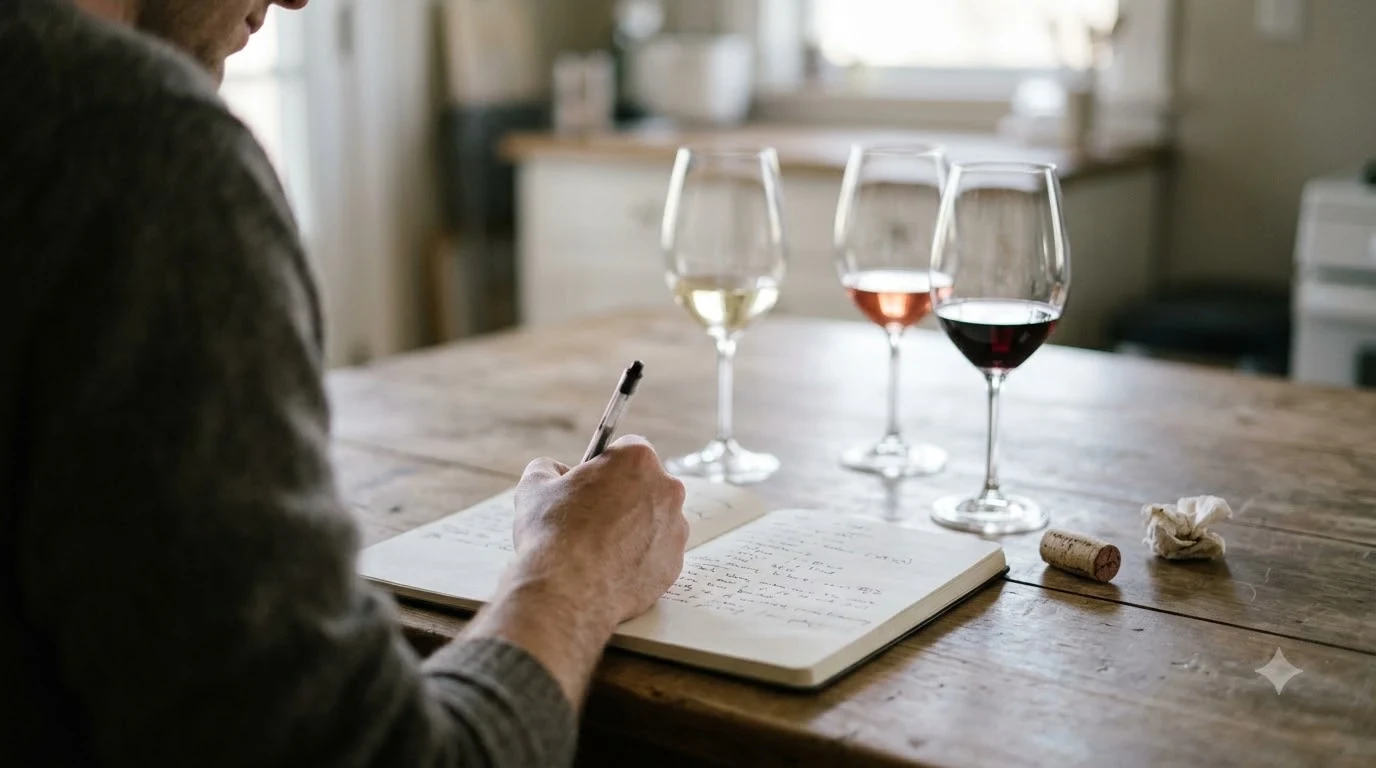
White zinfandel tasting notes center on bright, juicy flavors of fresh strawberry, raspberry, watermelon, and sweet cherry balanced by gentle citrus zest and a crisp, refreshing finish. Unlike the bold, spicy red wines made from the same grape, this pale pink blush wine is light-bodied, virtually free of tannins, and typically off-dry to sweet with a low alcohol by volume (ABV) between 8 and 10 percent. Modern craft producers also bottle drier expressions that trade overt sugar for tart pink grapefruit, white peach, and subtle herbal aromatics.
Despite its name, white zinfandel is not a white wine at all, nor does it come from a separate white grape variety. It is a rosé-style wine crafted from dark-skinned red zinfandel grapes using brief skin contact and cool fermentation to preserve lively fruit aromas and natural grape sweetness. Whether you are pouring a classic off-dry supermarket bottle or a bone-dry single-vineyard bottling from California, understanding the core flavor profile helps you serve it at its best and pair it confidently at the table.
What It Is
White zinfandel is a pale pink rosé made from red zinfandel grapes whose juice is separated from the dark skins after only a few hours of contact, preventing heavy tannins and deep crimson pigment from entering the wine. The style originated by accident in the 1970s at Sutter Home in California when a batch of pink juice bled off from a red wine tank—a technique known as saignée—experienced a stuck fermentation, leaving behind unfermented grape sugar that winemakers and drinkers quickly embraced.
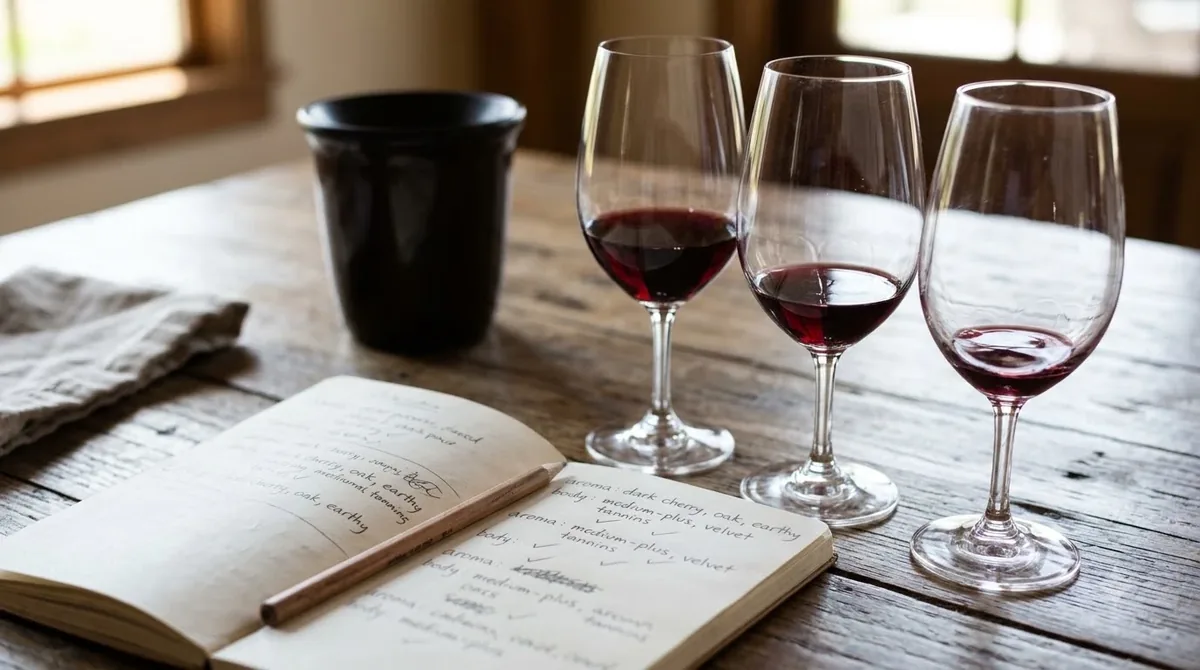
According to Wine Enthusiast, the saignée method draws clear-to-blush free-run juice away from crushed red berries early in the winemaking process so the remaining red tank becomes more concentrated while the bled juice is fermented like a crisp white wine. Because the skins of zinfandel berries carry deep anthocyanin pigments, even a brief maceration lasting a few minutes to a couple of hours tints the juice anything from a faint salmon blush to vibrant azalea pink.
In traditional sweet-leaning bottlings, winemakers intentionally chill the tank to halt fermentation before yeast converts all natural grape sugar into alcohol. That early stop creates two signature structural traits: noticeable residual sweetness and a gentle alcohol level hovering around 8.5 to 10 percent ABV, standing in sharp contrast to full-bodied red zinfandel tasting notes that regularly reach 14 to 17 percent ABV.
Flavor and Styles
Classic white zinfandel delivers an immediate wave of red orchard and summer berry aromas—led by crushed strawberries, raspberries, and ripe watermelon—followed by a soft, juicy mid-palate and a clean, low-tannin finish. Subtle secondary notes of lemon zest, pink grapefruit, white blossom, and honeydew melon keep the residual sugar from feeling heavy or syrupy on the tongue.
Over the past decade, a parallel wave of dry white zinfandel has emerged from heritage California producers such as Turley Wine Cellars, Broc Cellars, and Halleck Vineyard. As VinePair reports, these craft producers harvest zinfandel early—before berries raisinate or accumulate high sugar—and ferment the pink juice completely dry to highlight brisk acidity, white peach, tart cranberry, and savory dried herbs.
Comparing both styles side by side shows how winemaking choices shape every glass, much like the stylistic range explored across our Wine by Type reference guide.
| Style Attribute | Classic Off-Dry White Zinfandel | Modern Dry White Zinfandel |
|---|---|---|
| Color | Pale blush to bright bubblegum pink | Translucent salmon, coral, or azalea pink |
| Primary Fruit Notes | Sweet strawberry, watermelon, candied cherry, peach | Tart raspberry, pink grapefruit, white peach, cranberry |
| Secondary Aromas | Honeysuckle, sweet citrus, light melon | Fresh mint, crushed herbs, wet stone, rose petal |
| Sweetness Level | Off-dry to sweet (noticeable residual sugar) | Bone-dry to dry (fermented fully) |
| Typical ABV | 8% to 10% | 12% to 13.7% |
| Body and Tannin | Light-bodied, soft acidity, zero tannin grip | Light-to-medium body, brisk acidity, whisper of texture |
Where It Grows
California produces virtually all commercial white zinfandel, with warm inland valleys supplying the bulk of classic off-dry bottles and cooler coastal or elevated sites yielding drier, higher-acid expressions. Zinfandel thrives in Mediterranean climates with abundant sunshine, where thin-skinned berries ripen generously and develop concentrated red-berry aromatics.
Lodi, located between the San Francisco Bay and the Sierra Nevada foothills, serves as the heartland for both old-vine red zinfandel and large-scale white zinfandel production. Sandy soils and warm afternoon temperatures cooled by Delta breezes allow Lodi vineyards to produce lush, fruit-forward grapes brimming with ripe strawberry and melon character.
Closer to the Pacific Ocean, sub-regions such as Sonoma County’s Russian River Valley, Dry Creek Valley, and Mendocino County experience dramatic day-to-night temperature swings. Those cool coastal nights slow sugar accumulation and lock in natural malic acidity, giving boutique white zinfandels from these appellations a zesty, mouthwatering edge that mirrors crisp dry rosés.
How to Serve
Serve white zinfandel well chilled between 45°F and 50°F (7°C to 10°C) in a standard U-shaped white wine glass to preserve its delicate berry aromatics and crisp, refreshing snap. Serving the wine too warm dulls its natural acidity and makes off-dry bottles taste overly sweet, whereas serving it ice-cold straight from a freezer mutes subtle floral and citrus nuances.
Unlike structured red wines—or richly textured bottlings covered in our petit verdot tasting notes—white zinfandel requires no decanting and benefits from zero cellar aging. Producers bottle it specifically for immediate, youthful freshness, so most bottles taste liveliest within one to two years of the vintage date printed on the label.
Tip: Chill a bottle in the refrigerator for at least three hours—or submerge it in an ice-and-water bath for 20 minutes—and drop a few frozen red grapes into the glass instead of ice cubes to keep outdoor pours cold without diluting the fruit flavors.
Food Pairing
White zinfandel’s combination of juicy berry sweetness, low alcohol, and gentle acidity makes it a natural match for spicy dishes, salty cured meats, and light summer fare. Residual sugar acts as a natural buffer against chili heat, soothing capsaicin burn while echoing sweet-and-savory glazes.
For classic off-dry white zinfandel, reach for dishes with lively spice, smoke, or salt:
- Spicy Asian and Latin dishes: Thai green curry, Kung Pao chicken, jerk-spiced wings, and pork carnitas tacos with fresh salsa.
- Barbecue and glazed meats: Honey-glazed ham, pulled pork sliders, and sweet-and-tangy barbecue chicken skewers.
- Charcuterie and soft cheeses: Prosciutto, Genoa salami, triple-cream Brie, fresh goat cheese, and mild aged gouda.
- Fruit-forward desserts: Strawberry shortcake, lemon tarts, fresh berry pavlova, and vanilla bean cheesecake.
If you open a dry white zinfandel with higher acidity and 12 to 13.7 percent ABV, treat it much like a crisp Provençal or Spanish rosé—and compare its savory versatility with bottles featured in our grenache tasting notes. Pair drier styles with grilled salmon, crab cakes, Niçoise salad, or herb-roasted chicken.
How to Choose a Bottle
Checking the alcohol by volume (ABV) printed on the front or back label is the fastest way to predict whether a bottle of white zinfandel will taste sweet or dry before you pull the cork. Because yeast converts grape sugar directly into alcohol during fermentation, lower ABV signals unfermented residual sugar, while higher ABV indicates a drier finish.
Bottles labeled between 8 and 10 percent ABV almost always deliver the traditional off-dry, strawberry-and-watermelon profile that pairs effortlessly with spicy takeout or afternoon snacks. Look for non-vintage “California” appellation bottlings when you want reliable, fruit-driven sweetness and soft, approachable texture.
When shopping for a crisp, food-friendly dry style, scan the label for an ABV of 12 percent or higher alongside specific sub-regional appellations such as Russian River Valley, Lodi old-vine single vineyards, or Sierra Foothills. Vintage-dated bottles from small-lot producers also signal intentional rosé winemaking crafted for bright acidity and nuanced red-fruit complexity.
Frequently Asked Questions
Is white zinfandel a sweet wine or a dry wine?
Classic white zinfandel is an off-dry to sweet rosé-style wine because winemakers stop fermentation early to retain natural grape sugar. However, a growing number of California craft wineries also produce completely dry white zinfandels that offer crisp acidity and tart red-berry notes without noticeable sweetness.
Why is white zinfandel pink instead of white?
White zinfandel is made from dark-skinned red zinfandel grapes rather than white grapes. Winemakers press the crushed fruit and separate the juice from the purple skins after only a few hours, extracting just enough natural pigment to give the wine its signature pale blush or coral-pink color.
What is the difference between white zinfandel and regular rosé?
Rosé is a broad wine category that can be made from any red grape variety—such as grenache, syrah, or pinot noir—and is most often fermented completely dry. White zinfandel is a specific style of rosé made exclusively from zinfandel grapes and is traditionally sweeter and lower in alcohol than classic dry rosés.
How long does an opened bottle of white zinfandel stay fresh?
Recorked tightly and stored upright in the refrigerator, an opened bottle of white zinfandel stays fresh and vibrant for three to five days. Cold storage slows oxidation and preserves the delicate strawberry, citrus, and floral aromatics that define the wine’s appeal.
Whether you prefer a chilled glass of classic blush bursting with ripe strawberry and watermelon or a bone-dry single-vineyard bottling bright with pink grapefruit and herbs, white zinfandel offers an approachable window into California’s signature heritage grape. Keep a bottle chilled in the fridge for spicy weeknight dinners, casual backyard gatherings, or any occasion that calls for a refreshing, easy-drinking pour.
More in Wine Types & Grapes
 Best Zinfandel Substitute Options for Sipping and CookingUpdated Nov 21, 2026
 Zweigelt Food Pairing: Best Dishes, Cheeses, and Serving TipsUpdated Nov 21, 2026
 Zinfandel Tannins Explained: How Structure Shapes Every BottleUpdated Nov 21, 2026
 Zinfandel Sweetness Level: Dry Red vs. Sweet White Zin ExplainedUpdated Nov 21, 2026
 Xinomavro Food Pairing: Best Dishes, Styles, and Serving TipsUpdated Nov 21, 2026
 Zinfandel Cocktail Recipes and Mixing Guide for Every SeasonUpdated Nov 21, 2026