

We may earn a commission when you buy through links on this page, at no extra cost to you. Learn more.
What is touriga nacional, and why does it stand at the center of Portuguese winemaking? Touriga Nacional is a thick-skinned, low-yielding red wine grape native to northern Portugal that produces deeply colored, full-bodied wines with firm tannins and unmistakable floral aromatics. Long prized as the backbone of fortified Port wine, it now stars in dry single-varietal bottlings and prestigious red blends from the Douro Valley and the Dão region.
Wine drinkers who love bold, structured reds like Cabernet Sauvignon or Syrah often overlook Portugal’s signature grape because its name looks unfamiliar on a shelf. Once poured, however, the variety delivers dense dark fruit, aromatic complexity, and serious cellar potential that rival far more famous international varieties across Wine by Type categories.
What Is Touriga Nacional?
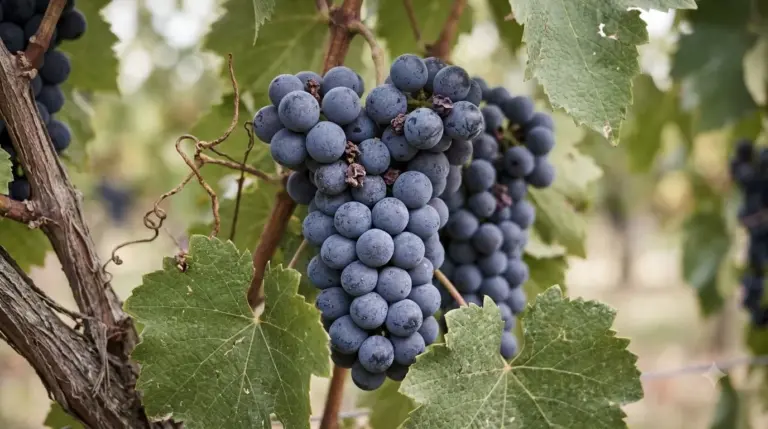
Touriga Nacional is Portugal’s premier indigenous red grape variety, renowned for small, thick-skinned berries that pack intense color, concentrated flavor, and structured tannins into every cluster. Viticulturists consider it a naturally low-yielding vine, meaning each plant produces relatively little fruit compared to workhorse commercial varieties, which concentrates sugars, acids, and phenolic compounds inside the skins.
For generations, winemakers relied on Touriga Nacional primarily as a structural pillar in fortified Port blends, where its dark pigment and grip stand up to fortification and decades of barrel or bottle aging. According to Wine Enthusiast, the grape nearly vanished in the 1970s because growers struggled with its low yields and susceptibility to vineyard diseases. Improved clonal selection and modern vineyard management revived its fortunes in the following decades, transforming it into Portugal’s international calling card for dry red table wines.
Genetically, Touriga Nacional is also a foundational parent in the Portuguese vineyard family tree. Ampelographers and wine educators note that it is the parent grape of Touriga Franca, another staple variety of the Douro Valley that brings softer red-fruit notes and spice when the two are blended together. Whether bottled on its own or combined with regional partners, Touriga Nacional acts as an anchor that brings longevity and aromatic definition to a blend.
Flavor Profile and Winemaking Styles
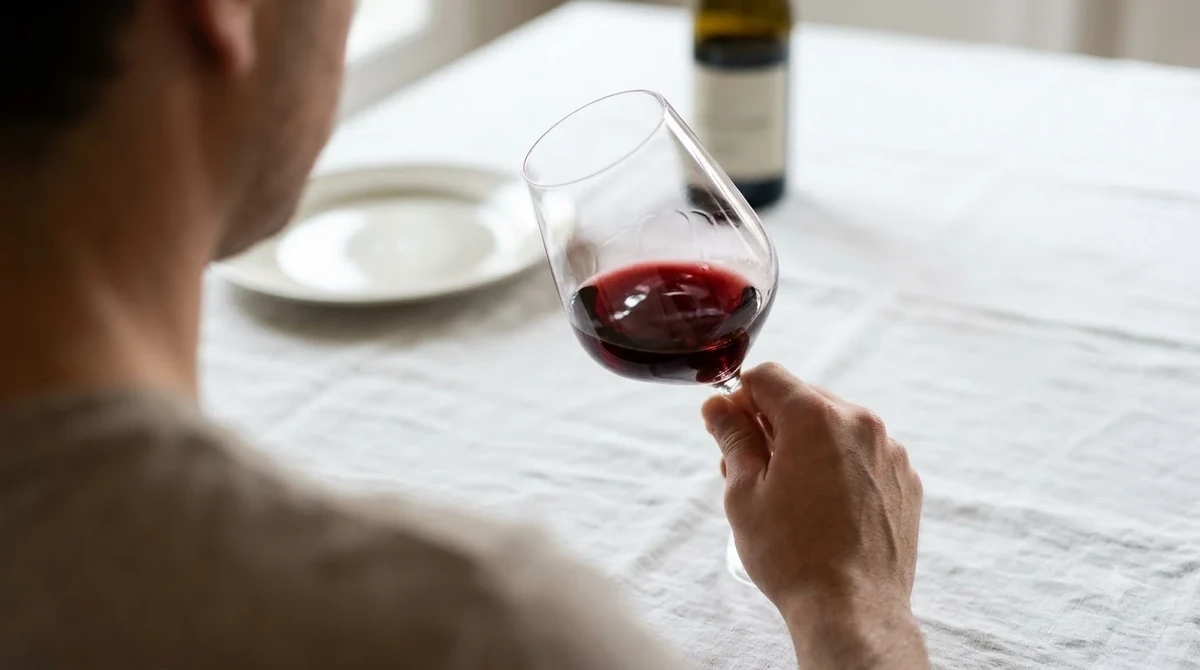
A glass of Touriga Nacional immediately stands out for its nearly opaque purple-ruby color and a signature contrast between muscular structure and delicate floral perfume. Reviewers at Wine Folly highlight primary fruit notes of blueberry, blackberry, black currant, and plum layered alongside distinct aromatics of violet, bergamot, mint, and wet slate. You can explore more detailed breakdowns of these aromatics in our dedicated touriga nacional tasting notes guide.
On the palate, dry versions are characteristically full-bodied with high, grainy tannins that coat the mouth and give the wine impressive aging potential of ten years or more. When winemakers age the wine in French or American oak barrels, secondary notes of vanilla, nutmeg, bittersweet cocoa, and toasted spice weave into the dark berry core. Despite its weight and firm grip, well-made examples maintain enough natural acidity to keep the finish focused rather than heavy.
Winemakers craft Touriga Nacional in several distinct styles depending on regional tradition and blending philosophy:
- Single-Varietal Dry Reds: Bottled as 100 percent Touriga Nacional, these wines showcase the grape’s pure power, dense dark fruit, and prominent violet perfume, typically aged in oak for added polish.
- Portuguese Dry Red Blends: Often paired with Touriga Franca, Tinta Roriz (Tempranillo), Jaen, or Castelão, where partner grapes soften the tannins and contribute brighter red-cherry fruit and cinnamon spice.
- Fortified Port Wines: Blended with other traditional Douro varieties and fortified with neutral grape spirit, creating sweet, age-worthy Ruby, Tawny, Late Bottled Vintage, and Vintage Ports.
- Rosé and Lighter Styles: Occasionally vinified with brief skin contact or harvested earlier in cooler sites to produce structured rosés and fresher, medium-bodied reds.
Where Touriga Nacional Grows
While the grape is now planted across almost every Portuguese wine region—and in small experimental trials abroad in places like Napa Valley—its finest dry expressions come from northern Portugal’s Douro Valley and Dão regions. Both areas claim to be the grape’s ancestral birthplace, and each imprints a distinct personality on the finished wine through elevation, climate, and soil composition.
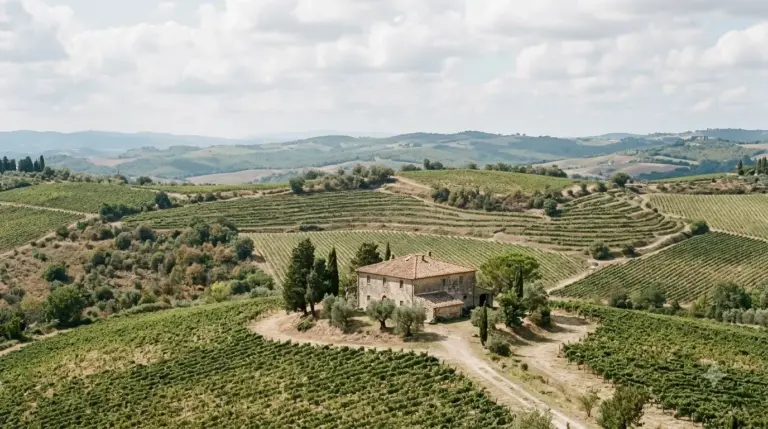
In the steep, terraced vineyards of the Douro Valley, vines grow primarily in decomposing schist soils without irrigation, forcing roots deep into fractured rock. This arid, warm environment yields small berries that produce nearly opaque, plush, full-bodied wines loaded with blueberry, black currant, roasted meat, and rich tannins. Farther south, the Dão region sits at higher elevations with cooler temperatures, higher rainfall, and sandy-granite soils. Those conditions yield wines that feel slightly lighter on their feet, offering brighter acidity, red-and-black cherry notes, and heightened floral aromatics of violet and bergamot.
| Region | Dominant Soil | Climate Character | Typical Wine Style |
|---|---|---|---|
| Douro Valley | Decomposing schist | Warm, dry, steep river terraces | Nearly opaque, full-bodied, plush dark fruit, firm tannins |
| Dão | Sandy granite | Higher elevation, cooler, wetter | Higher acidity, lifted violet perfume, red and black berries |
| Alentejo | Granite, schist, clay | Hot, sunny southern plains | Ripe, generous, round dark fruit with softer edges |
| Lisboa | Clay and limestone | Atlantic-influenced, moderate | Structured ruby reds with fresh herbal and floral notes |
Beyond Portugal’s mainland borders, Touriga Nacional has attracted attention from winemakers in California, Australia, and South Africa looking for heat-tolerant varieties that hold onto acidity and color during warm growing seasons. Even in Bordeaux, authorities approved Touriga Nacional as an authorized experimental grape to help vineyards adapt to warmer vintages without sacrificing structure.
How to Serve Touriga Nacional
Proper serving temperature and aeration make a dramatic difference with a grape this concentrated and tannic. Serve dry Touriga Nacional slightly below room temperature, between 60°F and 68°F (15°C to 20°C), which keeps the alcohol feeling integrated while allowing the floral aromatics to lift out of the glass.
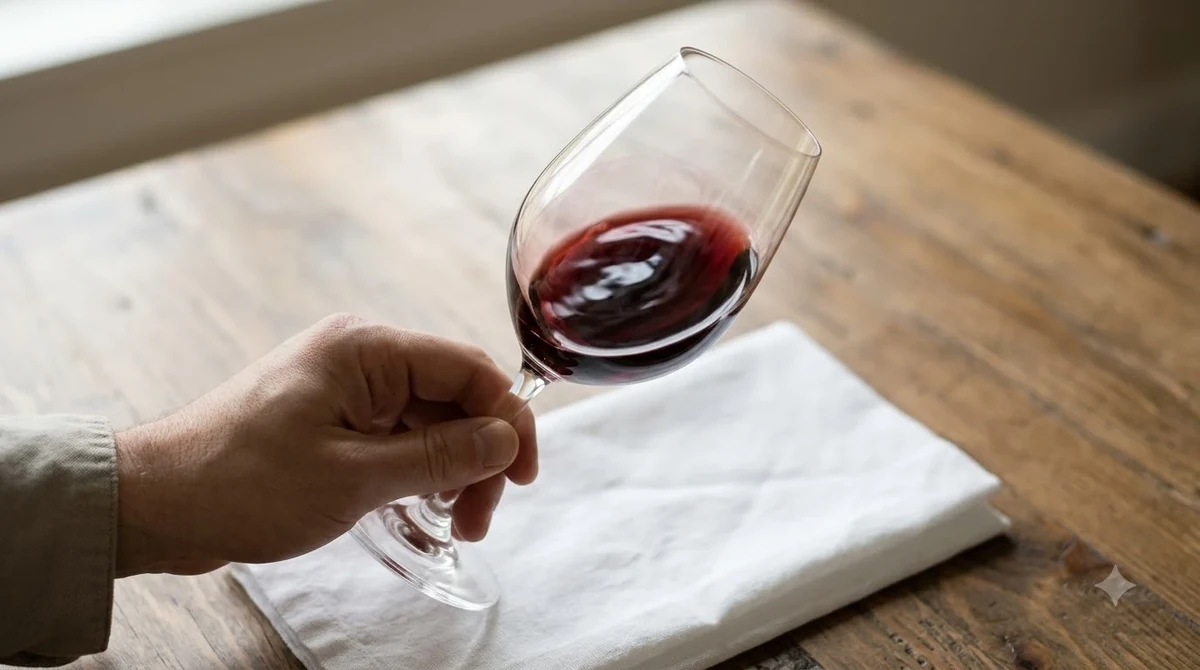
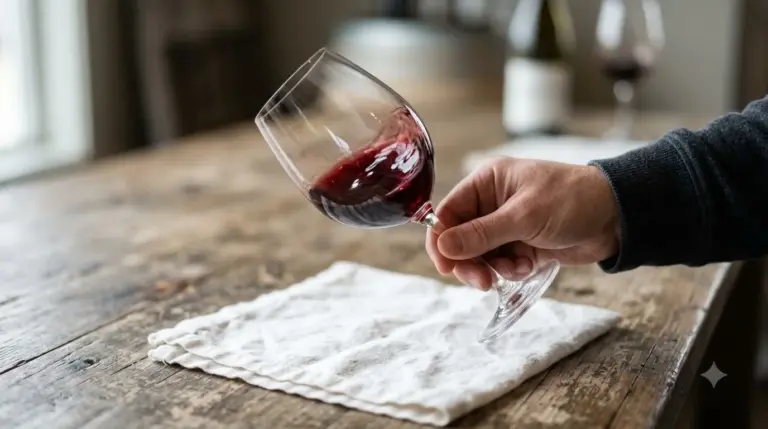
Because young bottles pack dense tannins and tightly wound fruit, decanting for at least one hour before serving helps soften the grip and open up the violet and cocoa layers. Use a large, oversized Bordeaux-style red wine glass with a wide bowl so the wine has plenty of surface area to breathe and concentrate its aromatic bouquet toward the rim. If you are pouring a fortified Vintage Port made predominantly from Touriga Nacional, decant it carefully to separate the fine sediment that forms during bottle aging.
Tip: If a young Douro Touriga Nacional feels overly tight right after opening, pour a splash into your glass, swirl vigorously, and give the decanter a full 60 to 90 minutes on the counter before dinner.
Food Pairing with Touriga Nacional
Touriga Nacional’s assertive tannins and full body call for rich, protein-heavy, or moderately fatty dishes that bind to the tannins and reveal the wine’s velvety fruit underneath. At the same time, its signature floral notes of violet, mint, and bergamot can clash with overly aggressive chili heat or heavy salt, so savory, herb-driven preparations work best.
- Grilled and Roasted Meats: Thick-cut ribeye or strip steaks topped with herb compound butter, roast leg of lamb with rosemary, or slow-cooked beef short ribs match the wine’s weight and structure.
- Savory Pork and Sausages: Fennel-spiced pork sausages, slow-roasted Cuban-style pork shoulder, or pork tenderloin with a mushroom reduction complement the grape’s dark berry and herbal undertones.
- Hearty Vegetarian Dishes: Roasted cauliflower steaks, black bean stews, wild mushroom risotto, or grilled portobello mushrooms provide enough umami and texture to stand up to firm tannins.
- Aged and Creamy Cheeses: Gruyère, Fontina, aged Manchego, or creamy blue cheeses like Stilton create a classic sweet-savory contrast, especially alongside Port styles.
When planning a multi-course Portuguese-inspired meal, you can also start the evening with a crisp white wine made from arinto wine or a light Spanish pour from the airen grape before transitioning into Touriga Nacional for the main course.
How to Choose a Bottle of Touriga Nacional
Shopping for Touriga Nacional becomes straightforward once you know how to read Portuguese wine labels and regional cues. First, look at the front or back label to see whether the bottle is a single-varietal release or a regional blend. Single-varietal bottles will explicitly print “Touriga Nacional” on the front label, signaling a bold, pure expression of the grape, whereas bottles labeled simply “Douro DOC” or “Dão DOC” usually blend Touriga Nacional with Touriga Franca and Tinta Roriz for earlier drinkability.
Second, use the region on the label to match your palate preference. Choose a Douro bottling if you enjoy rich, plush, Napa Cabernet-style reds with dense blackberry fruit and oak spice, or reach for a Dão bottling if you prefer brighter acidity, firmer mineral tension, and pronounced floral perfume. Checking the vintage and alcohol level also helps: dry table wines typically sit around 13.5 to 14.5 percent ABV, while fortified Ports sit higher due to fortification.
Finally, consider whether you plan to open the bottle tonight or cellar it for later. Entry-level Douro and Dão blends drink smoothly within two to five years of the vintage date, whereas single-varietal reserves from top estates benefit from five to ten years in a cool cellar to let their grainy tannins melt into leather, dried fig, and sweet spice.
Frequently Asked Questions
Is Touriga Nacional always a sweet wine?
No, Touriga Nacional is a grape variety rather than a single wine style, and most table wines made from it are completely dry. While it is famous as the primary grape in sweet fortified Port, winemakers across the Douro and Dão regions use it to make full-bodied dry red wines.
How does Touriga Nacional compare to Cabernet Sauvignon?
Touriga Nacional shares Cabernet Sauvignon’s deep color, full body, firm tannin structure, and capacity for long-term oak and bottle aging. However, Touriga Nacional typically shows more overt floral aromas of violet and bergamot alongside blueberry and plum fruit rather than Cabernet’s classic green bell pepper or cassis notes.
Are Touriga Nacional and Touriga Franca the same grape?
No, they are two distinct Portuguese grape varieties, though genetic testing shows that Touriga Nacional is the parent of Touriga Franca. Touriga Nacional produces darker, more tannic, and more concentrated wines, while Touriga Franca contributes lighter body, red-fruit flavors, and floral spice in blends.
Does Touriga Nacional need to be aged before drinking?
You do not have to cellar every bottle, especially regional blends that include softer grapes like Touriga Franca or Tinta Roriz. However, single-varietal Touriga Nacional wines have dense tannins that benefit from either an hour in a decanter when young or five to ten years of bottle aging.
Understanding what makes Touriga Nacional tick opens up one of the best value categories in the wine shop, bridging the gap between classic old-world structure and generous dark fruit. Whether you pick up an approachable Douro blend for a weeknight steak or cellar a single-varietal Dão reserve, this resilient Portuguese grape rewards anyone who appreciates bold, aromatic red wine.
More in Wine Types & Grapes
 What Is Xarel Lo? Guide to Catalonia’s Signature White GrapeUpdated Nov 21, 2026
 What Is Welschriesling? Styles, Regions, and Food PairingsUpdated Nov 21, 2026
 What Is Trockenbeerenauslese? Germany and Austria’s Rarest Sweet Wine ExplainedUpdated Nov 21, 2026
 What Is Vinho Tinto? A Clear Guide to Portuguese Red WineUpdated Nov 21, 2026
 What Is Vidal Blanc? Grapes, Flavor Styles, and Serving TipsUpdated Nov 21, 2026
 What Is Ugni Blanc? A Guide to France’s Crisp White GrapeUpdated Nov 21, 2026