

We may earn a commission when you buy through links on this page, at no extra cost to you. Learn more.
Sandeman port wine is a fortified wine from Portugal’s Douro Valley, produced by a House founded in 1790 that is best known for its Ruby, Tawny, LBV and Vintage styles. Each style is aged differently, so each one tastes different and suits different occasions. Knowing the basic styles makes it much easier to pick the right bottle.
This guide explains what each Sandeman port style tastes like, how to serve it, and which bottling fits everyday sipping, cooking or gifts. It also covers the brand’s history and sherry range, so you can shop with more confidence.
What Is Sandeman Port Wine?
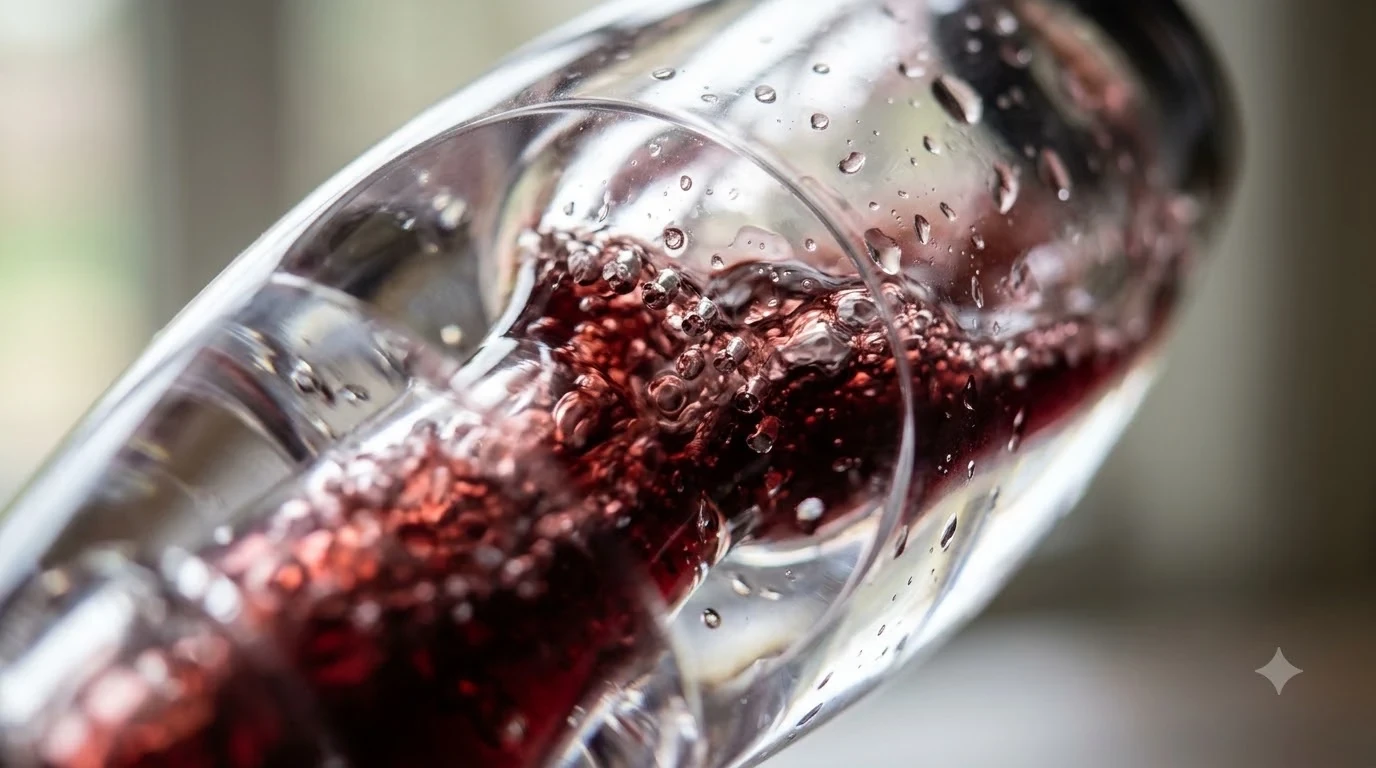
Sandeman port wine is a fortified red wine made in northern Portugal. Fortification means grape spirit is added during fermentation, which stops the process early and leaves residual sweetness and higher alcohol. Port is the result, and it is usually sipped in smaller glasses after a meal or alongside dessert.
According to the Sandeman guide to where port wine comes from, the grapes are crushed and fermented until about half the sugar has become alcohol. Grape spirit called aguardente is then added, which halts fermentation and keeps the natural sweetness in the wine. That step is what makes port different from table wine.
Sandeman is one of the most recognized names in this category. Its bottles usually show the logo of a caped figure known as The Don, which the brand uses to signal its identity. When you shop, look for the Sandeman name and the specific style on the label, since the styles vary widely in flavor and price range.
History of the Sandeman Brand
The Sandeman company has a long history in the port trade. Two Scottish brothers from Perth founded it in 1790, and the family stayed closely involved in the business for generations. Over time, ownership moved through several drinks companies before the brand joined its current parent group.
Wikipedia’s entry on the Sandeman wine company article lists several milestones. The company bought the port firm Robertson Brothers in 1953, was bought by Seagram in 1979, and was sold to Sogrape in 2001. A family descendant has remained on the board of Sogrape Vinhos, and the family kept ownership of the wine business until 1993.
Knowing this history helps explain the brand’s consistency. The House has spent more than two centuries building its reputation, and its cellars in Vila Nova de Gaia are central to how it ages and blends port. Sandeman also makes sherry, brandy and Madeira, so its portfolio is broader than port alone.
Sandeman Port Styles Explained
The most useful way to shop Sandeman port wine is by style. Each style comes from a different aging path, and that path changes color, fruit, nuttiness and texture. The table below gives a simple comparison based on how the manufacturer and its educational materials describe each style.
| Style | How it is aged | Typical flavor | Good for |
|---|---|---|---|
| Ruby | Aged in large oak casks for a shorter time | Bright red and black fruit, cherries and plums, a touch of spice | Everyday sipping and simple desserts |
| Ruby Reserve | A blend of selected lots, more intense than classic Ruby | Richer fruit with more depth and power | Strong cheeses and chocolate desserts |
| Tawny | Aged in smaller barrels, allowing gentle oxidation | Caramel, dried fruit and nuts | Desserts like pecan pie and crème brûlée |
| Tawny aged 10 to 50 years | Listed by age on the label | Greater complexity as the age number rises | Slow, attentive sipping |
| LBV | A single vintage bottled several years after harvest | Rich, bold fruit, ready to drink | Mature cheeses and a relaxed evening glass |
| Vintage | Made from one exceptional harvest and aged in the bottle | Deep fruit, spice and earthy notes that evolve over time | Special occasions and dark chocolate |
Ruby is the youngest and most fruit-forward style, so it is the easiest entry point. Tawny is the style to choose if you enjoy nutty, caramel flavors. LBV sits between the two in terms of approachability, and Vintage is the most serious option, usually reserved for special bottles that may need time before drinking.
Sandeman also produces a Quinta do Seixo Vintage, which reflects a single estate and its terroir. If you want to understand where the grapes come from, the estate story is one of the more interesting ways to learn about the house.
Sandeman Sherry and Other Bottlings
Sherry is the brand’s other major category, and it is a different wine from port. Sherry comes from the south of Spain and is aged using a solera system in many styles, while port comes from northern Portugal. The two are often confused, so check the label before you buy.
Sandeman’s sherry range gives you a dry or sweet option depending on the style you choose. Dry sherries work well as aperitifs and with light tapas, while sweeter styles suit dessert. If you are new to fortified wines, sherry can be a useful comparison point against port, since both are fortified but taste quite different.
Beyond port and sherry, the brand also makes brandy and Madeira. These are less common choices for most home drinkers, but they add variety if you want to explore the wider Sandeman catalog. For a broader view of how brands approach these categories, the wine brands guide is a helpful next step.
How to Serve and Pair Sandeman Wine
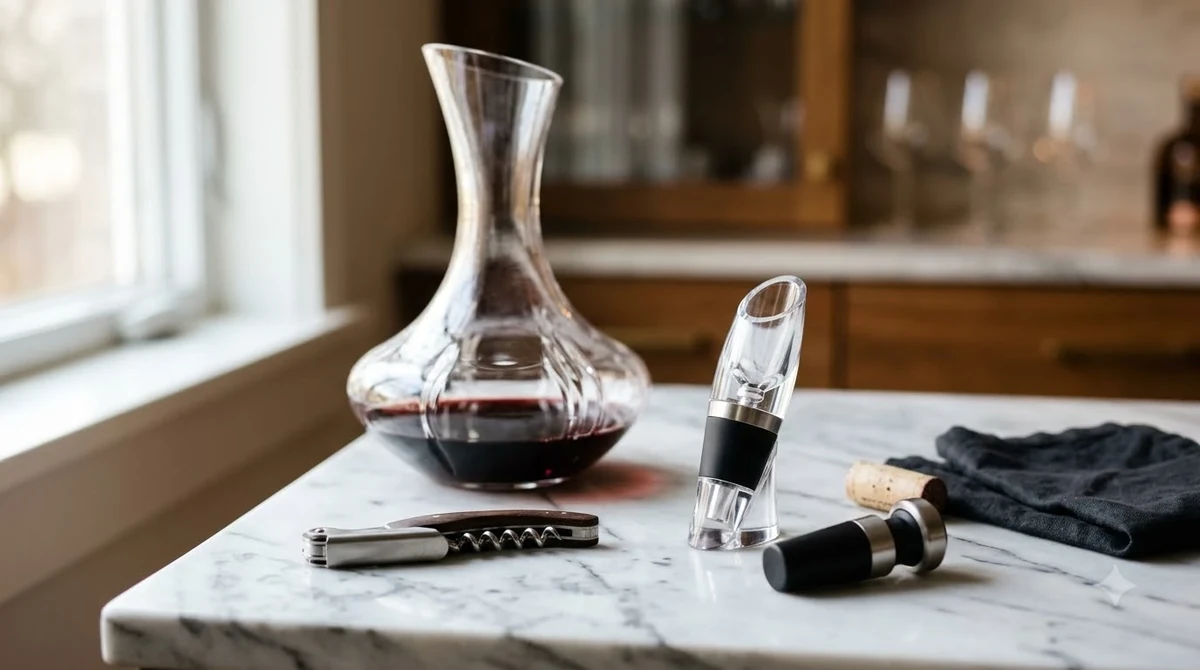
Serving style changes how Sandeman port tastes. Ruby and LBV are usually served slightly chilled, which keeps the fruit lively. Tawny is often served cool rather than cold, and it rewards a little patience. Vintage port is typically decanted before serving to separate the sediment that can form in aged bottles.
- Stand the bottle upright for a day if it is an aged Vintage, so sediment settles to the bottom.
- Decant carefully, pouring slowly so the sediment stays in the bottle.
- Pour a small glass, since port is rich and a little goes a long way.
- Pair it with food that matches its weight, such as cheese or chocolate.
- Save any opened bottle with a stopper and keep it cool, then finish it within a few weeks.
Pairing is where Sandeman port becomes most enjoyable. Ruby works well with strong cheeses such as Stilton, while Tawny pairs nicely with nut-based and caramel desserts. LBV suits fresh goat cheeses and simple fruit, and Vintage is often matched with mature blue cheese or very dark chocolate. Use the food pairing as a guide, then adjust to your taste.
Cooking with port is also practical. A splash of Ruby can add depth to a fruit sauce or a braise, while Tawny gives a nutty note to a dessert syrup. Use a port you would be happy to drink, because the flavor concentrates as the sauce reduces. Port cocktails are another option, though they are best kept simple so the wine stays in focus.
Tip: Port is strong and sweet, so pour small servings and drink responsibly, especially when serving it after a meal.
Buying and Storing Sandeman Wine
Buying Sandeman port starts with knowing what you plan to do with it. For everyday sipping, a Ruby or LBV is a sensible choice. For gifts, a Tawny with an age statement or a Vintage bottle can feel special. For cooking, pick a mid-range Ruby or Tawny that you would also enjoy drinking.
Storage is simpler than many people expect. Keep unopened bottles in a cool, dark place away from strong temperature swings, and store them on their side if they have natural corks. The manufacturer’s labels and product pages list the style and bottling details, so check those before you buy, especially for aged or limited releases. Current prices and availability change, so check your retailer for the latest information.
Once opened, a bottle of port keeps longer than table wine but still loses freshness over time. Recork it tightly, store it cool, and plan to finish it within a few weeks. Tawny tends to hold up better than Ruby once opened, while a delicate old Vintage should be finished soon after decanting.
Frequently Asked Questions
What is Sandeman port wine?
Sandeman port wine is a fortified wine from northern Portugal made by a company founded in 1790. It is produced in several styles, including Ruby, Tawny, LBV and Vintage, each with a different flavor profile.
Which Sandeman port is best for beginners?
Ruby is usually the easiest place to start because it is fruity and direct. LBV is another approachable option with rich, bold character. Tawny is a good next step if you enjoy caramel and nutty flavors.
Is Sandeman port the same as sherry?
No. Port comes from northern Portugal, while sherry comes from southern Spain. Both are fortified wines, but they are made differently and taste quite different. Check the label to confirm which one you are buying.
How should I store an open bottle of port?
Recork the bottle tightly and keep it in a cool place away from light. Port keeps longer than table wine, but it still loses freshness over time. Plan to finish the bottle within a few weeks, and check the label or producer guidance for more detail.
Sandeman port wine offers a clear range of styles for everyday drinking, cooking and special occasions. Start with the style that matches your taste, then explore other bottlings as your preferences develop. For more context on brands in this category, the Avaline white wine and Ariel wine pages show how different producers approach their wines.
More in Wine Brands
 Underwood Wine Price: Compare Bottles, Cans, and Pack SizesUpdated Nov 21, 2026
 Zenato Wine Price: Compare Styles and Choose the Right BottleUpdated Nov 21, 2026
 Zuccardi Wine Price: Compare Bottles and Find the Right RangeUpdated Nov 21, 2026
 Yellow Tail Moscato Review: Taste, Sweetness and Serving TipsUpdated Nov 21, 2026
 Wolf Blass Yellow Label Review: Choose Your Best StyleUpdated Nov 21, 2026
 Wolffer Estate Rose Review: Choose the Right Bottle for Your TableUpdated Nov 21, 2026