

We may earn a commission when you buy through links on this page, at no extra cost to you. Learn more.
Is viognier sweet or dry? Viognier is typically dry. The white grape from France’s northern Rhône Valley often has a sweet-smelling aroma of peach, mango, tangerine and honeysuckle, but the palate is usually dry. Most viognier sold in the United States is dry as well. Sweet versions exist, but they are dessert or late-harvest wines made from overripe grapes and labeled as such.
Viognier confuses many wine shoppers. The bouquet is so fragrant and fruity that it can seem sweet before the first sip, and some people expect a sweet wine when they open a bottle. The reality is more straightforward. This guide explains why the aroma is so intense, how the wine is made dry, which bottles are the exceptions, and how to read a label so you know what you are buying.
Why viognier smells sweet but tastes dry
The Wine Folly guide to viognier puts it plainly: despite its sweet aroma, the wine is typically dry. Its aromas include tangerine, peach, mango, honeysuckle and rose, which are the same fruit and flower notes that often read as sweetness in other wines. Those aromas come from the grape’s natural character, not from leftover sugar in the bottle.
The Wikipedia article on viognier describes the grape as producing a wine known for floral scents, with notes of peach, pear, violet and minerality. Its soft, full body can resemble Chardonnay, but its aromatics are more pronounced. Because the smell is so strong and the wine is often full in body, many people mistake it for a sweet white. The palate, however, is usually dry, and the wine finishes without the sugary impression that a dessert wine would leave.
What makes a viognier taste full
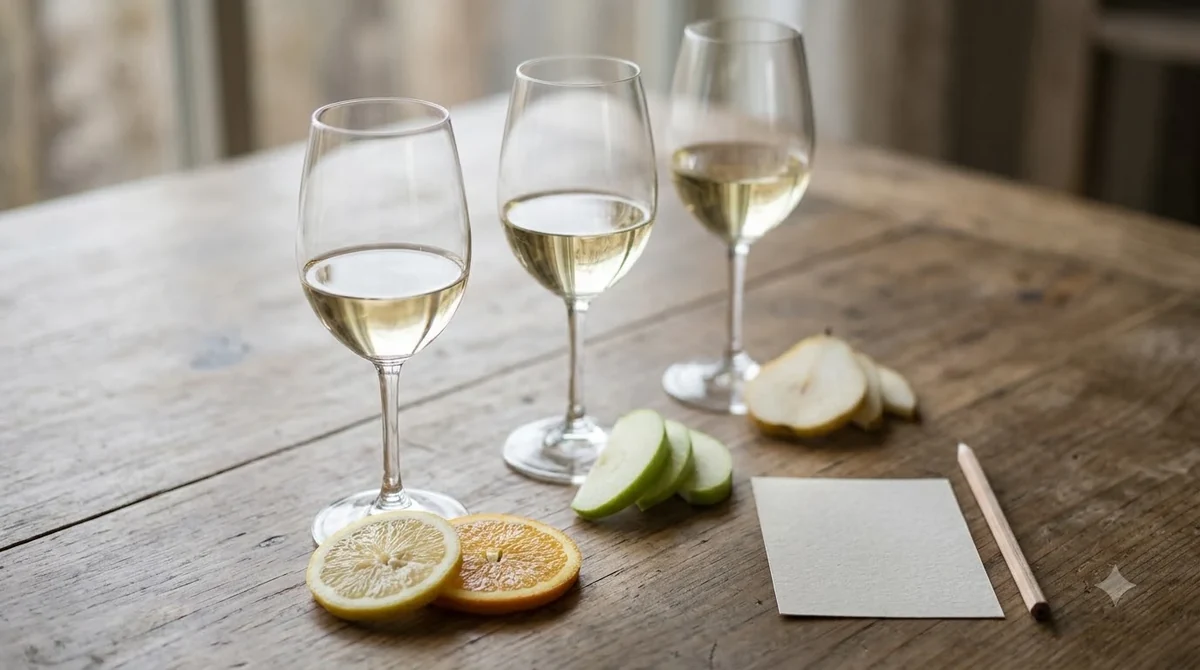
Viognier is often described as a full-bodied white. The Wine Folly guide says the wine can have an oily, viscous texture, and some producers use oak to add richness similar to a full Chardonnay. Oak can bring vanilla, toast and smoke, which add weight and make the wine feel rounder. Many viognier bottles are unoaked, and those tend to focus on fruit and floral character with a lighter body.
Acidity is another factor. The Wine Folly page lists viognier’s acidity as medium-low. Lower acidity makes a wine feel softer and creamier, and that softness can read as sweetness. A dry viognier with low acidity and ripe fruit can therefore taste warm and rich without containing any real sugar.
| Viognier style | Usual sweetness | What it tastes like | How to spot it |
|---|---|---|---|
| Standard dry viognier | Dry | Peach, tangerine, honeysuckle, medium-low acidity | Labeled dry or unlabeled |
| Oak-aged viognier | Dry | Fuller, with vanilla, toast or smoke | Mentions oak or barrel aging |
| Unoaked viognier | Dry | Lighter, fruit and floral focus | Mentions stainless steel or unoaked |
| Late-harvest or dessert viognier | Sweet | Concentrated, honeyed, rich | Labeled late harvest or dessert |
Where sweet viognier comes from
Sweet viognier is the exception, and it comes from a specific style of winemaking. Wikipedia notes that dessert versions come from overripe grapes, sometimes picked late in the autumn. Producers in the Condrieu area have historically shaken overripe grapes onto a plate and halted fermentation early to keep some residual sugar in the wine. The result is a rich, honeyed wine that is clearly labeled as sweet or dessert in style.
These sweet bottles are rare on the shelf, and most viognier that a shopper sees will be dry. If a label does not mention late harvest, dessert, or residual sugar, the wine is almost certainly dry. The alcohol level and the producer’s tasting notes can also help. A richer, sweeter bottle often carries a noticeable amount of alcohol and syrupy texture, which the producer will usually describe.
Where viognier is grown
Viognier began in France’s Northern Rhône, where Condrieu requires 100 percent viognier. The Rhône Valley remains its heartland, and the grape is also grown in Château-Grillet. Outside France, the Wine Folly guide notes that the grape is widely planted in the United States, notably in Virginia and Paso Robles, and in Italy, Chile, South Africa, Argentina and Australia. Wikipedia adds California’s Central Coast, New Zealand and Israel to that list.
Regional style matters when you choose a dry bottle. Wines from warmer regions tend to be riper and more generous in fruit, while cooler sites often give a fresher, more floral wine. Both styles are dry, so the choice comes down to whether you want a fuller, fruit-driven white or a lighter, floral one.
How to choose a dry viognier
When you shop for a dry viognier, read the back label and the tasting notes together. Look for the words dry or no mention of sweetness, and check whether the bottle says oak-aged. If you want a lighter white, choose an unoaked bottle from a cool region. If you want something that feels rich on the palate, an oak-aged bottle from a warm region will give you more body.
If you already enjoy other white wines that smell sweeter than they taste, the same logic applies. The guide on whether chenin blanc is sweet or dry covers a similar question, and the overview of albariño tasting notes shows how a crisp white can still feel fruity. For the full set of white and red styles, the Wine by Type section is a good next stop.
Serving and food pairing
Viognier is usually served chilled, and it works well with dishes that have some richness. Its oily texture and aromatic fruit suit roast chicken, creamy pasta, shellfish and dishes with a touch of spice. Oak-aged bottles can handle heartier food, while unoaked bottles pair well with lighter plates such as salads or grilled fish.
Because of the aroma, a standard white wine glass gives the bouquet room to open. Pour a moderate glass so the wine does not warm too quickly. Wikipedia notes that wines older than about three years usually lose much of their floral character, so viognier is typically drunk young and the vintage is worth checking before you buy a bottle to keep.
Viognier, texture and the sweetness question
Much of the confusion about viognier comes from texture. The wine can feel thick and smooth on the palate, and that weight is easy to read as sugar. In practice the feeling comes from body, low to medium-low acidity and the grape’s aromatic compounds, which together create a round mouthfeel. A dry wine can feel rich without any residual sugar at all.
To test a bottle, taste a little before deciding. If the wine finishes clean and dry, with the fruit and floral notes fading gently, it is a classic dry viognier. If it leaves a syrupy, honeyed impression that lingers, the label may be describing a late-harvest or dessert style, and the producer’s notes will confirm that.
Viognier in the wider white wine family
Viognier sits among aromatic whites such as Riesling, Gewürztraminer and Muscat, which can all smell sweeter than they taste. The difference is largely in how the wine is made and what the grape brings to it. Viognier is distinctive because of its full body and low acidity, which set it apart from crisper, higher-acid whites. Those characteristics make it a good bridge between floral wines and richer whites such as oak-aged Chardonnay.
When you choose between viognier and other whites, look at the body and acidity you want rather than the aroma alone. A dry viognier will feel fuller than a Riesling and more floral than a standard Chardonnay, which makes it a useful option for dinners where the table includes both aromatic and rich dishes.
Frequently Asked Questions
Is viognier a sweet wine?
No. Most viognier is dry, even though its aroma of peach, mango and honeysuckle can seem sweet. Sweet viognier exists as a dessert or late-harvest style, and those bottles are labeled that way.
Why does viognier smell so sweet?
The grape has strong aromatic compounds that give it notes of tangerine, peach, mango and flowers. Those aromas read as sweetness in the nose even when the wine has no residual sugar.
Is viognier similar to chardonnay?
Both can be full-bodied and smooth, and oak-aged viognier can resemble a rich chardonnay. Viognier’s aroma is usually more floral and fruity, and its acidity is typically lower.
What is the difference between dry and sweet viognier?
Dry viognier is the everyday style and is made by fermenting out nearly all the sugar. Sweet viognier is made from overripe grapes and stopped early or picked late, so it keeps more natural sugar and is sold as a dessert or late-harvest wine.
Viognier is a dry, aromatic white that can smell sweeter than it tastes. Choose a dry bottle for everyday drinking, look for late-harvest or dessert wording if you want sweetness, and use the aroma and oak notes on the label to predict how full the wine will feel.
More in Wine Types & Grapes
 Zinfandel Sugar Content: Dry Red vs. White Zinfandel GramsUpdated Nov 21, 2026
 Best Zinfandel Substitute Options for Sipping and CookingUpdated Nov 21, 2026
 Zweigelt Food Pairing: Best Dishes, Cheeses, and Serving TipsUpdated Nov 21, 2026
 Zinfandel Tannins Explained: How Structure Shapes Every BottleUpdated Nov 21, 2026
 Zinfandel Sweetness Level: Dry Red vs. Sweet White Zin ExplainedUpdated Nov 21, 2026
 Xinomavro Food Pairing: Best Dishes, Styles, and Serving TipsUpdated Nov 21, 2026